
Best Selling Pet Supplies 2026: 5 to Stock | JustForPetStore
The best selling pet supplies of 2026 are not the 2024 list, and the indie that buys the wrong mix pays twice. Per APPA, the US pet market hit $158B in 2025 and is projected at $165B in 2026, with 95 million pet-owning households. Per NielsenIQ, postbiotic products are up 148% and freshly cooked claims on food are up 92%. Five category moves and three trending niches are where independents should put 2026 dollars.
What Categories Did APPA and NIQ Flag as the Real Growth Drivers in 2026?
The headline 2025 spending breakdown, drawn from APPA’s 2026 State of the Industry Report, is food and treats $68.3 billion, vet care and product sales $41 billion, supplies, live animals and OTC medications $34.4 billion, and services $14.3 billion. Inside the food and treats line, premium tiers are where the dollars compound. APPA’s 2025 Dog and Cat Report found 41% of dog owners and 38% of cat owners purchased premium food in 2024, and mixers and toppers are now in 16% of dog homes and 19% of cat homes. Supplements are the breakout, with 53% of dog owners and 34% of cat owners giving vitamins or supplements—up 56% among dog owners and 70% among cat owners versus 2018. Per NIQ, postbiotic-claim products are growing 148% year over year and calming chews, joint support, and functional hydration are pulling share from the standard kibble aisle. For an indie, this is a permission slip to trade one slow dry-food SKU for a premium recipe, a topper, and one targeted supplement.
What Did SuperZoo 2026 Tell Us About Category Winners?
The SuperZoo 2026 exhibitor data shows where independent buyers are voting with their badges. Treats and Meds/Supp held the top two spots in the Cat and Dog category ranking, with 106 or more booths separating them from the number three category. Food moved from 6th to 3rd in booth count, the biggest jump on the floor, and the same Food and Supplements pairing dominated the New Product Showcase at the Global Pet Expo 2026. Cats gained 2.3% in exhibitor share, the largest species-level shift, and 35% of booths at SuperZoo this year were first-time exhibitors, which is the show’s strongest indicator of where supplier money is moving. For a buyer building a 2026 reset, that is the cleanest read of the floor: supplements and food first, treats second, then everything else.
How Is “Year of the Cat” Changing What Pet Stores Should Stock?
Cat is the species of 2026. Per APPA, cat ownership grew 5% year over year in 2025, propelled by Gen Z and Millennials, and products are now the top expense for cat owners, indicating willingness to spend across a wide range of supplies. The Global Pet Expo 2026 judges named a Pheromone Tofu Litter “Best in Show” in the Cat category and a Pheromone scoop in the Modern Pet category—both functionally about reducing litter-box friction, the single biggest pain point in cat households. Electronic toys are up 27% year over year per NIQ, and the share of cat owners purchasing toppers is now 19%. Three moves fit a small store: dedicate one full end-cap to cat-specific enrichment (electronic mice, puzzle feeders, taller scratchers), expand the litter and litter-accessory set, and run a “cat” themed event in a quarter when dog traffic traditionally peaks.
What Functional Pet Food Trends Should Independents Track in 2026?
Functional pet food is the single largest product story of the year, and per BSM Partners’ Global Pet Expo 2026 recap, three formats are leading. Targeted nutrition, where each recipe addresses a specific health outcome (gut, calming, hip and joint, longevity), is the most visible, with brands like Farmfetch Pet, Fera Pets, and Pawop Water launching formulas that put the benefit in the package name. Quality without compromise on convenience, where minimally processed formats mimic fresh without the freezer, is the second format, with Instinct’s FreshDried Meal Blends, Unconditional’s air-dried recipes, and Nom Nom’s scoopable clusters leading the way. Clean care beyond the bowl, where ingredient standards from human skincare carry over into pet grooming, is the third, with brands like Off Leash and ALZOO launching plant-powered shampoos and the category overall growing 7.1% in premium and 3.3% in super-premium. The indie buyer should map each of these three formats to one hero SKU and one event.
Why Are Pet Supplements the Highest-Margin Category in 2026?
Supplements are simultaneously the fastest-growing, the highest-margin, and the most consult-driven category on the floor. APPA reports 53% of dog owners and 34% of cat owners already give their pets supplements, and per NIQ postbiotic-claim products are growing 148% year over year. The supplement customer does not shop by price—she shops by ingredient panel, by her vet’s nod, and by the staff’s recommendation. That gives the indie a structural moat against Amazon that no other category can match. Three plays: build a “supplement wall” near the grooming station with seven to ten SKUs in calming, joint, gut, skin, and longevity, train two staff members to read the labels cold, and run a quarterly “ask the supplement nerd” event with a local vet or a holistic nutritionist. Done right, this is the single most defensible profit center in the store.
What Niche Pet Categories Are Quietly Outgrowing Dogs and Cats?
Per APPA’s 2026 report, Gen X households added 12% in dogs, 8% in cats, 25% in birds, 20% in reptiles, and 17% in freshwater fish year over year, signaling the broadest cross-species growth the survey has recorded. The 2025 spending mix still skews dog and cat at $68.3 billion in food and treats, but the growth is in the long tail. Per the Intel Market Research general pet store forecast, service-diversified full-service hubs that combine retail with grooming, training, and light vet services are converting the bird, reptile, and small-animal customer into a weekly visitor. Three niche moves for an indie: dedicate a 4-foot “small animal” run with quality hay, bedding, and habitat upgrades, add a reptile lighting and substrate section with one staff member who can answer three questions without looking it up, and stock 15 to 20 SKUs of premium bird food—the 25% Gen X bird growth is not a fad.
How Do Private Label and OEM Margins Stack Up in 2026?
Private label is the other big margin story of 2026, and the trade-show data backs it. SuperZoo’s Business Services category, which includes companies that help retailers with private label ingredients, packaging, and finished products, grew from 65 exhibitors in 2015 to 267 in 2025, and SuperZoo 2026 still featured 243 such companies, 15% more than 2024, with OEM services as the leading sub-segment. Inflation and cumulative price increases have made private label more appealing to consumers, and retailers typically keep more of the margin. For an indie with limited shelf space, the right play is one private label line in supplements, one in treats, and one in a category that can be co-branded with a local identity (a city-name raw food line, a humane-certified cat litter). Each private label SKU should sit next to its name-brand counterpart and the price gap should be visible at a glance.
Which Trending Pet Products Should You Test in 2026 First?
Three product types are worth a small bet in 2026. First, postbiotic and gut-health supplements—NIQ says 148% year-over-year growth, APPA says 53% of dog owners already use supplements, and the category is small enough that two SKUs from a known brand will not crowd your shelf. Second, electronic and treat-dispensing enrichment toys—electronic toys are up 27% year over year and treat-dispensing toys up 15%, and the treat-dispensing camera category is up 32% while plain pet cameras decline. Third, premium grooming SKUs in the clean-care format—premium dog shampoo is up 7.1% and super-premium cat shampoo up 3.3%, while moderate and value tiers are declining as much as 10.3%. For each of the three, place one hero unit at the front of the category, run a 30-day “Try Me” demo, and pull the SKU if attach rate is below 10%.
What Should an Independent Pet Store Buy Before the Holiday Quarter?
The Q4 read for an indie is straightforward. Per APPA, the 2026 US pet market is projected to hit $165 billion and pet food prices are still nearly 21% higher than January 2022, so customers will be trading down within the category even as the overall pie grows. Three Q4 plays: stock premium dry food and toppers for the gift-giver shopper, build a “stocking stuffer” treat bundle of 3 to 5 SKUs at the $20–$30 price point that the Global Pet Expo 2026 judges said is the fastest-growing treat segment, and run a “buy one, donate one” cat or dog food drive with a local shelter, which is the kind of community event that lifts local pack rank on Google and brings feet back through the door in January.
The 2026 independent pet store is not chasing the same 12 SKUs it bought in 2023. It is curating a tighter, more functional, more species-aware shelf, and using the trade shows—SuperZoo, Global Pet Expo, Interzoo, Pet Fair Asia—as a live product lab rather than a 12-month-away buying fair. Our private label buying guide walks through how independents set up an OEM line in 2026 without tying up cash. For the food side, our pet food category page shows the SKU spread small stores are buying into this year. And if you want to plan a low-cash, high-velocity inventory routine around the new mix, our inventory and reorder playbook breaks down the math in plain English. Stock the categories that are growing, skip the ones that aren’t, and your 2026 reset will earn its keep.
Ready to stock these ideas? Browse wholesale pet KITs →
Shop these pet categories
Wholesale pricing, no minimum order.
Related wholesale collections
Products mentioned here
 2-in-1 Pet Grooming Comb Set – Dual-Sided Deshedding & Dematting Tools for Dogs and CatsMSRP $6.29Login for wholesale pricing
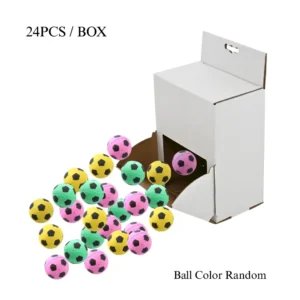 24-Pack Cat Toy Balls – Soft Latex Foam Soccer Ball Toys for Cats, Interactive Chase & Self-Play, Wholesale Pet SuppliesMSRP $8.89Login for wholesale pricing
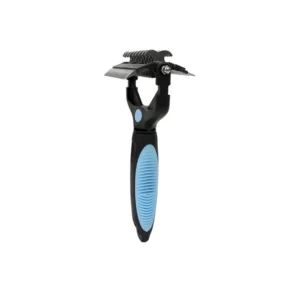 3-in-1 Pet Grooming Comb – Professional Detangling, Dematting & Deshedding Tool for Dogs & CatsMSRP $6.49Login for wholesale pricing
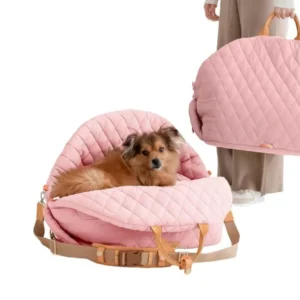 3-in-1 Small Pet Carrier Bag | Car Seat Booster, Travel Bed & Indoor Pet Bed for Dogs & CatsMSRP $21.89Login for wholesale pricing