Pet Store Foot Traffic: 5 Plays for 2026 | JustForPetStore
Pet store foot traffic in 2026 is no longer about bodies through the door. Per NielsenIQ, US in-store pet sales fell 1.4% over the past year while online surged 14.1%, and shoppers make 3.5% fewer trips per buyer. Good news: 65% of pet care buyers shop both channels and account for 85% of category dollars, and 29% told NIQ immediate need alone can pull them off Amazon. Five small-shop moves turn fewer visits into higher-value visits.
Why Is Pet Store Foot Traffic Dropping in 2026?
The numbers look like a “retail is dying” headline unless you read them carefully. Per NIQ, total US pet care sales hit $95.1 billion over the trailing year, up 5.5%, so the category itself is still growing—spending is just rotating to online at an 11–14% clip. In-store share dropped 3.6 points to 52%, and if that pace holds online could pull even within twelve months. What changed is not love of the store but the way customers plan their trip: 28% of pet care buyers told NIQ they prefer in-store, but the same buyer now uses the shelf as a backup, not a default. The American Pet Products Association (APPA) still counts 95 million US pet-owning households, with 71 million dog households and 53 million cat households, and those households still need a 24-pound bag today, a replacement collar before the weekend, and a real person to ask which supplement is safe with their dog’s medication.
What Does NIQ Data Say About Who Actually Visits Today?
The visit is becoming a higher-stakes event. Exclusive in-store shoppers dropped 6.5 percentage points and now represent only 9.6% of dollars spent, while exclusive online shoppers are a rounding error at 3.3% of dollars. The dominant buyer—the 65% omnichannel shopper—decides channel by mission, not by habit. That buyer is also more value-conscious: per APPA, average dog treat spending fell 11% in 2025 even as the share of buyers purchasing 11+ treat packages a year actually grew, meaning customers are trading down within the category but buying more often. NIQ also reports 40% of pet care dollars now flow through subscription sales, and the fastest subscription growth is in toys, collars and leashes, feeding accessories, grooming, and bird care—categories that historically lived on impulse. When the same shopper can reorder a bag of food on her phone for pickup in 20 minutes, your store competes on speed-to-shelf, expertise, and discovery, not on stock availability.
How Can a Small Pet Store Turn a Visit Into a Larger Basket?
The first move is to bundle the urgent, the experimental, and the recurring into one trip. NIQ’s own data shows postbiotic-claim pet products grew 148% year over year and “freshly cooked” claims on shelf-stable products grew 92%—specificity sells, vague “high quality protein” claims only grew 1%. Stock two or three hero SKUs in each of these fast-growing micro-categories and put them in the path the customer walks, not in the back of the aisle. Pair them with a recurring program: a 10% subscription discount on the food, a 15% add-on at refill, or a free nail-trim visit for every $50 spent—whatever your supplier mix supports. The store that maps a single trip to “food, one new thing, and the next delivery” will outperform the store that hopes the customer wanders past three end-caps.
How Do In-Store Events Lift Pet Store Foot Traffic More Than Discounts?
Events pull a visit the way coupons never will, because they create a reason the online channel cannot replicate. The best events in 2026 lean into the categories that NIQ says are still growing inside the four walls: fresh dog food, cat treats, and pet supplements. Host a monthly “supplement bar” where a staff member walks three to five customers through ingredient labels on calming chews, joint support, and postbiotic gut health—APPA reports 53% of dog owners and 34% of cat owners already give their pets vitamins or supplements, and supplement use is up 56% among dog owners and 70% among cat owners since 2018. Run a Saturday “cat adopt-and-try” with a local shelter during the time of year cat ownership is growing fastest—APPA notes cat ownership rose 5% year over year in 2025, propelled by Gen Z and Millennials. Add a small grooming demo (premium and super-premium dog and cat shampoo grew 7.1% and 3.3% respectively in NIQ’s scan data, while value shampoo declined as much as 10.3%). None of these events need a big budget; they need a posted date, a staff owner, and a way for attendees to leave with a basket in their hand.
What Role Does BOPIS Play for an Independent Pet Shop?
Buy-online-pickup-in-store (BOPIS) is the cheapest omnichannel play an indie can ship this year, and NIQ’s own channel data is essentially an advertisement for it: 29% of pet care buyers say immediate need is the only thing that forces them off Amazon, and a 20-minute pickup window beats a two-day ship on every urgency-driven item. Start with a simple Squarespace, Shopify, or WooCommerce order form on a tablet at the counter; the customer picks what they want, you fulfill it from the shelf in 10 minutes, and they pay in store (cash, card, or wallet). Stock accuracy is the only hard part—your inventory and reorder routine has to be tight enough that the “in stock” promise holds when the customer drives over. Charge nothing extra for the pickup, but offer a small “pickup only” perk—5% off, a free sample, an entry into a monthly drawing—to reward the trip. The BOPIS shopper is the highest-value shopper in your database, because she has now given you her email, her basket history, and a reason to come back inside.
How Can Local SEO Bring Pet Store Foot Traffic Back From Google?
If you cannot outspend Amazon on paid search, you can outrank it for “pet store near me” with five plays. Claim and complete your Google Business Profile with current hours, photos, and a weekly post; APPA reports 95 million US pet-owning households, and “near me” searches in the pet category are still rising. Build neighborhood citations on Yelp, Apple Maps, Nextdoor, and your local chamber of commerce. Publish two to four local SEO pages a year—”[city] dog groomer,” “[neighborhood] cat boarding,” “pet supplies [zip code]”—each with a unique photo set, neighborhood-specific copy, and a real staff byline. Partner with two or three non-competing local businesses (a vet, a dog walker, a coffee shop) for cross-promotion and backlinks. Finally, ask every BOPIS and in-store customer to leave a Google review at the counter—a stack of business cards with a QR code costs almost nothing and lifts your local pack rank. None of this is paid traffic, all of it is durable, and it compounds month over month.
What Is the Fastest Single Fix to Lift Visits This Quarter?
If you only do one thing this quarter, make the trip a discovery moment. NIQ reports electronic pet toys grew 27% year over year and treat-dispensing toys grew 15%, while “treat-dispensing cameras” climbed 32%—customers are hunting for new things, not new prices. Set up a small “Try Me” end-cap near the register with three or four of those items and a tablet running their brand videos. Hand the customer the device, ask which one caught her eye, and tie it into a one-question discovery: “Is this for a dog that eats too fast, or one that gets bored during the day?” You have just sold an attachment to a basket, captured a behavioral note, and given the customer a reason to come back next week to tell you how it worked. The 2026 store does not need more SKUs, longer hours, or a bigger ad budget. It needs every visit to teach the customer something the screen cannot.
How Do You Measure Whether Foot Traffic Strategy Is Working?
The metric that matters is dollars per visit, not visits per day. Per Pet Business Professor’s analysis of SuperZoo 2026, the leading independent pet stores in the US have started tracking three numbers weekly: average ticket size, subscription attach rate, and event-driven sales (sales on the day of and the seven days after an in-store event). Tie those three to a single dashboard your manager can read in two minutes. The visit count will not move much in 2026, but the visit value can climb double digits with the right mix of urgency-driven BOPIS, recurring subscriptions, and discovery-led events. That is how the small store beats the channel shift—visit by visit, basket by basket, with the kind of help a screen cannot give.
If you want to start with the customer side first, our grooming page walks through the premium and super-premium shampoo lines independents are buying into this year. For the supply side, our low-MOQ sourcing page explains how small stores run weekly small-lot purchases to keep shelves fresh without tying up cash. And if you want to see how the same playbook plays out for the food category, our pet food guide shows the SKU spread independent stores are stocking in 2026. The store that pairs each trip with a subscription, a discovery, and a pickup promise will earn the visit—even in a year when fewer visits are the new normal.
Ready to stock these ideas? Browse wholesale pet KITs →
Shop these pet categories
Wholesale pricing, no minimum order.
Related wholesale collections
Products mentioned here
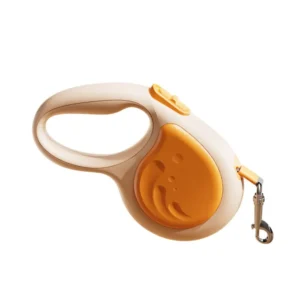 19.6 ft Outdoor Nylon Automatic Retractable Dog Leash – Heavy-Duty Pet Leash for Large and Small DogsMSRP $8.99Login for wholesale pricing
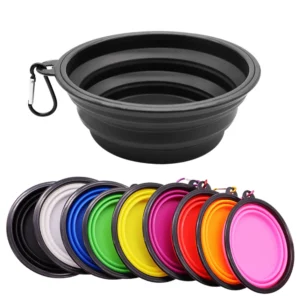 2 Pack Collapsible Silicone Dog Bowls – Portable Pet Food & Water Travel Bowl with CarabinerMSRP $1.78Login for wholesale pricing
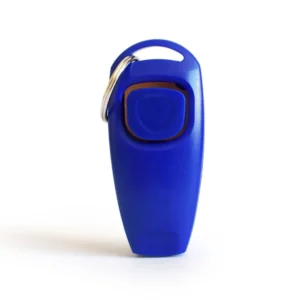 2-in-1 Dog Training Whistle & Clicker – Outdoor Pet Training Device, Factory-Direct Wholesale (MOQ 50)MSRP $2.18Login for wholesale pricing
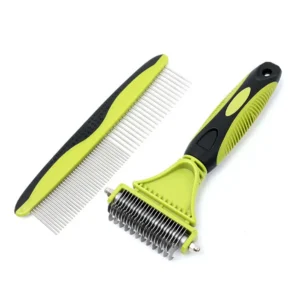 2-in-1 Pet Grooming Comb Set – Dual-Sided Deshedding & Dematting Tools for Dogs and CatsMSRP $6.29Login for wholesale pricing