Cat vs Dog Pet Products in 2026 | JustForPetStore
The fastest-growing pet product opportunity in 2026 is hiding in plain sight: cat categories are expanding faster than dog categories, yet most independent shelves still skew heavily toward dogs. The American Pet Products Association (APPA) reports cat ownership grew 5% year over year to 53 million households, and NAPHIA data shows cat insurance premiums jumped 33.1% against 17.6% for dogs — a clear signal that cat owners are spending up, fast.
Are cat products growing faster than dog products in 2026?
Yes, on the two measures that matter most to a buyer. First, ownership: APPA’s 2026 State of the Industry Report shows cat-owning households grew 5% year over year to 39% of U.S. homes, or 53 million households, driven by Gen Z and millennials. Dog ownership also grew — up from 51% to 53% of households, about 4 million new dog-owning homes — but at a slower relative pace, and the growth is increasingly concentrated in smaller breeds.
Second, spending intent: NAPHIA’s 2026 report shows insured cats made up 25.1% of U.S. pet insurance policies in 2025, up from 23.5% a year earlier, and cat premium volume grew 33.1% compared with 17.6% for dogs. Insurance is a proxy for how committed an owner is to spending on that animal, and the cat side is accelerating. NIQ’s 2026 retail analysis adds a shelf-level confirmation: cat treats are among the categories still growing in-store while many dog staples migrate online.
The gap is even sharper when you look at who is spending. APPA found that cat ownership growth is concentrated among Gen Z and millennials — the generations entering their prime spending years — while dog growth is increasingly tied to smaller breeds and value-conscious buyers. For a buyer planning next season’s open-to-buy, that means cat dollars are coming from new, committed owners, whereas a growing share of dog dollars is being chased by discounters.
The practical takeaway is not that dogs are shrinking — they are not. It is that the incremental growth an independent shop can capture in 2026 is disproportionately on the cat aisle, and most stores have not yet stocked it that way.
Why are cat owners such a good customer for independent shops?
Cat owners behave differently in ways that favor a small, specialist retailer. APPA notes that cat owners’ share of wallet held steady last year and that products remain their top spending priority — unlike dog owners, where a larger slice goes to services and veterinary care. In practice, that means the cat customer walking into your store is there to buy things off the shelf: food, litter, treats, toys and enrichment.
That matches what NIQ observes on the shelf, where cat treats are still a growth category in physical stores. Cats are also a high-frequency, high-loyalty customer: litter and food are consumed on a strict schedule, which creates exactly the replenishment habit a small shop can own with a loyalty card or a simple reminder system.
There is also a demographic tailwind. APPA found that cat ownership growth is led by Gen Z and millennials, the two generations most likely to research online but buy from a specialist they trust. A small shop that visibly knows cats — that stocks the right food, asks about litter preferences, and carries enrichment that works for indoor cats — becomes the default destination for a customer the big-box aisle treats as an afterthought.
Which cat categories should a small shop stock first?
Stock the categories that are both high-frequency and still growing in-store, then layer on the premium tiers where margins live:
- Cat treats. The clearest win. NIQ flags cat treats as an in-store growth category, and treats are the highest-turnover, most impulse-friendly item in the cat aisle.
- Premium and functional cat food. Cat owners prioritize products, and they are willing to trade up on nutrition. Keep a strong fresh, wet and functional tier alongside a value option, so the deliberate shopper APPA describes has a reason to buy from you instead of a grocery store.
- Litter and litter accessories. Pure replenishment, but it brings people through the door on a schedule. Stock a few differentiated options — including a premium or lightweight tier — rather than one commodity bag.
- Enrichment and interactive toys. NIQ found electronic toys up 27% and treat-dispensing toys up 15% year over year. Indoor cats need stimulation, and these are products a knowledgeable staff member can actually sell.
- Grooming for cats. NIQ shows health and beauty is the fastest-growing department in the store, and premium grooming is trading up. Cat-specific grooming tools and wipes are an understocked, high-margin add-on.
Margin is the other reason to build the cat aisle. Because cat treats and functional food reward a recommendation, they are less exposed to online price comparison than a commodity bag of kibble, so a shop can hold a healthier gross margin on them. Litter is a quiet margin and traffic win too: it is heavy and bulky, which makes it expensive to ship, so a nearby store that keeps the right brand in stock becomes the obvious place to buy it every month.
The through-line is to make the cat section a real destination rather than a token half-aisle. The customers who are driving the category’s growth notice the difference.
Should you still prioritize dog products?
Yes — dogs remain the larger category by a wide margin, and they are not a shrinking market. APPA puts dog ownership at 53% of households, or 71 million homes, and dog food and treats are still the single largest spending category. What has changed is how dog owners buy.
APPA’s 2026 Dog Report shows a shift toward value and essentials: purchases of basic dog food rose 11%, supermarket purchases rose 7%, and discount-retailer purchases jumped 22% year over year, while discretionary spending on treats and grooming softened. In other words, the dog aisle is becoming a price battleground for the commodity part of the basket, and that is a fight a small shop struggles to win.
The right strategy is to keep dogs at the center of your store but win on the parts of the dog basket that still reward advice and trust: premium and functional nutrition, dental care (APPA reports 46% of dog owners now own a dental care item), and specialized or small-breed assortments — small-dog adoptions climbed 6% while large-dog adoptions fell 9%, so sizes are shifting too. Let the marketplace fight over basic kibble; stock the dog products that require a conversation.
Practically, that means protecting your margin on the dog side while you grow the cat side. Do not chase discounters on basic kibble — you cannot win that fight. Instead, use your shelf and your staff to sell the dog products where a recommendation matters: a senior formula, a breed-size food, a dental chew, or a treat with a functional claim. Those are the dog dollars a small shop can actually defend.
How does Gen X’s multi-pet trend change your assortment?
APPA’s standout generation in the latest report is Gen X, the empty-nest cohort now adding multiple pets. Gen X posted a 12% year-over-year jump in dog ownership — the biggest gain of any generation — plus 8% in cats, 25% in birds, 20% in reptiles and 17% in freshwater fish.
That matters because a multi-pet household buys across categories, and it is underserved by retailers that only think “dog and cat.” A Gen X customer who owns a dog, a cat and a couple of birds is a single household buying from three different sections — and they will consolidate that spend with whichever shop treats all three seriously. Even a modest, well-chosen bird, small-animal or reptile assortment can turn a two-category customer into a four-category one, and it is exactly the kind of depth a big-box store will not carry.
For an independent, the multi-pet trend is a reminder that assortment breadth at the margin is a loyalty lever. You do not need a huge expansion — a focused selection in one or two adjacent categories is often enough to signal that this is the shop for a multi-pet home.
That consolidation is already visible in the data: multi-species households are among the fastest-growing ownership segments APPA tracks, and they skew toward the higher-spending end of the market. A shop that stocks even a narrow bird or small-animal line signals it is built for exactly that customer.
Bringing it together
The 2026 story is that cats are growing faster than dogs, dog staples are being commoditized, and multi-pet households are spreading their spend wider. For an independent shop, the winning move is to rebalance without over-correcting: keep dogs as your volume anchor but compete on the premium and specialized parts of that basket, build out the cat aisle into a genuine destination, and add a small adjacent category to capture the multi-pet household.
Sourcing is the quiet enabler of all of it. Expanding a cat or small-animal section without tying up cash means buying from a supplier that lets you order smaller, more frequently — a low-MOQ wholesale program is built for exactly that. Stock the core from pet food and treats and everyday pet supplies, and use a private-label option on the fast-turning cat categories where your own brand can carry better margin. The shops that win 2026 are the ones that stop mirroring the big-box dog-first plan and start stocking the growth that is actually happening.
Sources: American Pet Products Association 2026 State of the Industry Report and 2026 Dog Report (ownership, spending and category data); NAPHIA 2026 State of the Industry Report (pet insurance premium and policy data); NielsenIQ “Paws for Thought” 2026 analysis (in-store category growth).
Ready to stock these ideas? Browse wholesale pet KITs →
Shop these pet categories
Wholesale pricing, no minimum order.
Related wholesale collections
Products mentioned here
 2-in-1 Pet Grooming Comb Set – Dual-Sided Deshedding & Dematting Tools for Dogs and CatsMSRP $6.29Login for wholesale pricing
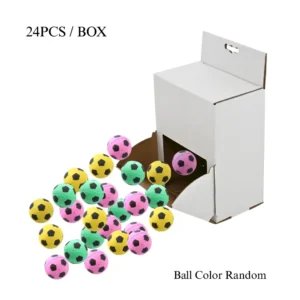 24-Pack Cat Toy Balls – Soft Latex Foam Soccer Ball Toys for Cats, Interactive Chase & Self-Play, Wholesale Pet SuppliesMSRP $8.89Login for wholesale pricing
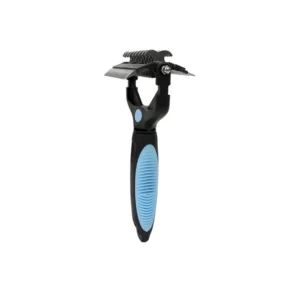 3-in-1 Pet Grooming Comb – Professional Detangling, Dematting & Deshedding Tool for Dogs & CatsMSRP $6.49Login for wholesale pricing
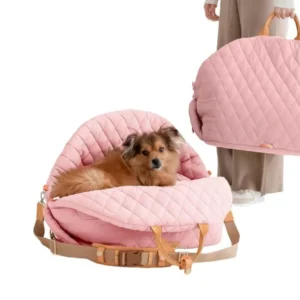 3-in-1 Small Pet Carrier Bag | Car Seat Booster, Travel Bed & Indoor Pet Bed for Dogs & CatsMSRP $21.89Login for wholesale pricing