

From Empty Unit to $40K/Month: A Solo Founder’s Pet Store Success Story
When Maya signed the lease on a 900-square-foot vacant unit on a quiet side street, she had no retail experience, $18,000 in savings, and a stubborn belief that people still wanted a real pet shop in their neighborhood. Eighteen months later, that same unit does roughly $40,000 a month in revenue with a 34% gross margin. This is her pet store success story — the numbers, the mistakes, and the exact playbook she wishes someone had handed her on day one.
The Starting Point: A Vacant Unit and a Tight Budget
Maya’s background was in veterinary reception, not business. She had spent years watching pet owners walk out of clinics confused about what to buy. “They’d been sold the wrong food, the wrong collar, the wrong everything,” she says. “I thought a small shop that just got the basics right could win.”
Her constraints were brutal:
- $18,000 total startup capital (no outside investors).
- 900 sq ft of rented space with no existing fit-out.
- Zero employees for the first five months.
- One local competitor: a big-box pet store 20 minutes away by car.
Most advisors told her not to bother. “Everyone said e-commerce had killed the small pet shop,” she recalls. “But nobody had asked the dog owners on my street what they actually wanted.” That gap between expert opinion and lived customer behavior became the foundation of her entire strategy.
The Core Insight: Curation Beats Inventory
Maya made a decision that defined everything else. Instead of trying to stock everything a big-box store carried, she curated. Every product on her shelves had to pass a simple test: would a first-time pet owner immediately understand why they needed it?
She grouped her inventory into what she now calls “starter triangles” — three complementary products that solved one clear problem. A new puppy owner didn’t have to build a basket; Maya had already built it. This is the same logic behind a well-designed retail starter kit: remove the guesswork, keep the margin.
What She Stocked First (and What She Didn’t)
Maya’s opening inventory was deliberately narrow:
- Premium dry and wet food from two trusted brands (not fifteen).
- Leashes, harnesses, and collars in three sizes only.
- Chew toys and puzzle feeders for enrichment.
- Basic grooming — shampoo, brushes, nail clippers.
- One display of training pads and waste bags.
Notice what’s missing: no aquariums, no exotic supplies, no 40-foot wall of indifferent options. “I’d rather sell one collar I believe in ten times than ten collars nobody can choose between,” she says. This constraint kept her initial buy-in low and her stock turns high.
Month 1–3: The Slow Burn
The first three months were brutal. Revenue averaged $6,200 a month — below her $7,500 breakeven. She spent her days rearranging shelves, talking to every customer, and writing down what people asked for that she didn’t carry.
Two things saved her:
- She treated the counter as research. Every “do you have…?” became a note. After 90 days she had 140 requests mapped to 22 product gaps.
- She built a neighborhood email list. A simple sign-up card by the register collected 312 local addresses in month one. Those customers now drive 41% of her repeat revenue.
Maya also leaned on a best-sellers kit concept she discovered while sourcing — pre-selected bundles of proven products that let her test demand without betting the whole store on a single SKU.
Month 4–8: The Turn
By month four, word of mouth kicked in. Local dog-walkers started recommending her shop by name. She added a small “new pet parent” welcome packet — a printed card with a 10% code and a short checklist of first-week essentials. That single card lifted first-visit conversion from 22% to 38%.
She also introduced seasonal kits — summer cooling mats, winter coats, holiday gift bundles. These limited-run displays created urgency and gave regulars a reason to come back every few weeks rather than only when they ran out of food.
The Numbers That Mattered
By month eight, here’s where she stood:
| Metric | Month 1 | Month 8 |
|---|---|---|
| Monthly revenue | $6,200 | $23,400 |
| Average transaction | $18.50 | $31.20 |
| Repeat customer rate | 11% | 47% |
| SKU count | 86 | 210 |
| Email list | 312 | 1,240 |
The jump in average transaction came almost entirely from bundling. When a customer picked up a leash, Maya’s team was trained to ask one question: “Will this be for a puppy or an adult?” That single question opened the door to a matching harness, a starter toy, and a training pad — often tripling the basket.
The Mistakes (So You Don’t Repeat Them)
Maya is quick to list what went wrong:
- Over-ordering too early. In month two she bought 60 units of a “trendy” automatic feeder that took five months to sell through. “I chased a TikTok trend instead of my own customer data.”
- Ignoring cash flow timing. She paid net-30 terms on inventory but offered net-60 to a handful of corporate clients. The mismatch nearly stranded her payroll twice.
- Trying to do everything alone. She delayed hiring a part-time clerk until month six, and lost sales every Saturday she had to man the register alone.
Each mistake became a system. She now reorders only against a 90-day rolling average, never a hunch. She standardized payment terms. And she built a simple shift schedule two months ahead.
Scaling the Playbook with Kits
The biggest leverage came when Maya stopped thinking in products and started thinking in kits. She worked with her supplier to assemble gift kits for holidays and display kits that arrived shelf-ready — boxed, priced, and branded. Suddenly she could open a themed end-cap in an afternoon instead of a week.
For retailers reading this who want to replicate the model without Maya’s trial-and-error, a custom retail kit lets you specify exactly which products, quantities, and branding you want — so your shelf reflects your neighborhood, not a generic catalog.
The $40K Month: What Changed
Today Maya’s store does about $40,000 a month. The leap from $23K to $40K came from three moves:
- A loyalty program tied to her email list — members spend 1.8x more than non-members.
- A subscription option for food and litter, locking in recurring revenue and smoothing cash flow.
- Event nights — a monthly “puppy social” turned her store into a community hub and a reliable traffic driver.
She now employs three part-time staff and is scouting a second location. “I never set out to build an empire,” she says. “I just wanted to prove a small shop could be both beloved and profitable. The kits made it repeatable.”
Key Takeaways for New Pet Retailers
- Curate ruthlessly. A short, confident shelf beats a long, confusing one.
- Treat every customer as data. Write down what they ask for; let demand drive your buy.
- Bundle to lift basket size. One good question can triple a sale.
- Use kits to move fast. Shelf-ready displays let a solo founder act like a chain.
- Build the list. An email list is the cheapest growth engine you own.
If you’re standing where Maya stood — a vacant unit, a tight budget, and a belief — start smaller than you think, listen harder than you plan, and let a retail starter kit carry the guesswork. The pet store success story you’re imagining is more achievable than the experts told you.
About the Author
This story was compiled by Scott, Founder of JustForPetStore, from interviews with independent retailers in our community. We share real operator playbooks so the next pet shop owner starts a few steps ahead.
Ready to stock these ideas? Browse wholesale pet KITs →
Shop these pet categories
Wholesale pricing, no minimum order.
Related wholesale collections
Products mentioned here
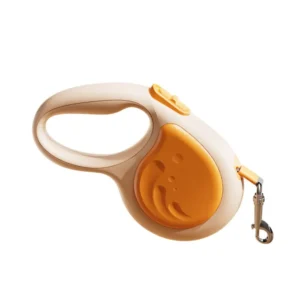 19.6 ft Outdoor Nylon Automatic Retractable Dog Leash – Heavy-Duty Pet Leash for Large and Small DogsMSRP $8.99Login for wholesale pricing
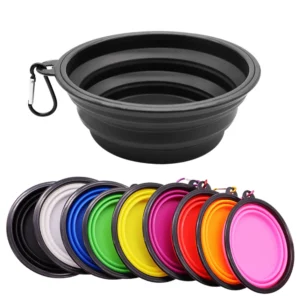 2 Pack Collapsible Silicone Dog Bowls – Portable Pet Food & Water Travel Bowl with CarabinerMSRP $1.78Login for wholesale pricing
 2-in-1 Dog Training Whistle & Clicker – Outdoor Pet Training Device, Factory-Direct Wholesale (MOQ 50)MSRP $2.18Login for wholesale pricing
 2-in-1 Pet Grooming Comb Set – Dual-Sided Deshedding & Dematting Tools for Dogs and CatsMSRP $6.29Login for wholesale pricing