
Building a High-Velocity Toy Aisle: Assortment Strategy for Pet Retailers
For a pet store owner, the toy aisle is either a profit engine or a slow-bleeding corner of dead stock. The difference rarely comes down to luck. It comes from deliberate wholesale pet toys assortment planning — choosing the right mix, placing it where shoppers can’t resist, and reordering on a cadence that keeps heroes in stock. The Best-Selling Pet Toy Kit was built specifically to give retailers a head start on that mix, but the real leverage comes from how you merchandise and buy around it. In this guide we walk through assortment strategy for pet retailers of every size, from a single downtown shop to a regional chain, showing how smart pet retail buying turns a static shelf into a high-velocity aisle that customers return to week after week. You will learn how to map a category, build a planogram, time your reorders, and connect it all back to a proven kit.
Start With Velocity, Not Variety
The most common mistake in pet retail buying is confusing variety with strength. A wall packed with fifty near-identical plush animals feels abundant but rarely sells fast, because the customer faces a paradox of choice and the store ties up capital in duplicates. Velocity-led buying flips the priority: stock fewer, sell faster, reorder sooner. A smaller set of proven movers almost always outperforms a sprawling set of maybes, and it frees shelf space for the items that actually pull their weight.
When you plan your wholesale pet toys assortment, begin every decision with a simple question: “How many times will this turn in the next ninety days?” If the honest answer is “once, maybe,” the SKU does not earn prime real estate. Reserve the front-facing shelves for items with a clear repeat story — durable chews, enrichment puzzles, and the classics that dogs and cats reach for daily. Variety still matters for discovery, but it should be variety within a velocity strategy, not variety for its own sake.
Setting a velocity target per facing
Give every shelf facing a minimum turnover target. Many independent retailers find that a healthy toy facing should turn at least once a month; anything slower gets reviewed. This discipline prevents the slow creep of polite losers and keeps the aisle honest. When a facing misses its target two months running, that is your signal to swap it for a proven repeater from the Best-Selling Pet Toy Kit rather than hope it improves.
Balancing discovery against dependability
A high-velocity aisle still needs a little novelty so regulars have a reason to look again. The art is balancing dependable anchors with a rotating edge of discovery. Keep roughly 85% of the aisle on proven velocity and let 15% experiment. That ratio lets you test new wholesale pet toys without destabilizing the overall category, and it gives loyal customers the small thrill of “what’s new” without risking the margin engine.
Mapping the Toy Category Mix
A coherent toy category mix is the backbone of assortment strategy. Before you buy a single case, sketch the roles your toys must play, then allocate space to each role based on expected demand. The clearest framework splits the aisle into four jobs: anchor repeaters, value fill-ins, enrichment, and seasonal.
| Role | Example products | Shelf share | Buyer priority |
|---|---|---|---|
| Anchor repeaters | Durable chews, classic squeakers, rope toys | 40% | Never stock out |
| Value fill-ins | Multipacks, small plush, cat mice | 25% | Maximize attachment |
| Enrichment | Puzzle feeders, treat-dispensing balls | 20% | Solve owner problems |
| Seasonal | Holiday plush, themed novelty | 15% | Time to the calendar |
Mapping the mix this way does two things at once. First, it stops you from over-buying any single role just because a sales rep was persuasive. Second, it makes reorders mechanical: when anchor stock dips, you reorder anchors, not whatever is on promotion. The Dog Toy Collection Kit is a practical example of an anchor-heavy dog mix, while the Training & Enrichment Kit shows how the enrichment role can be expanded for behavior-focused shoppers.
Reading local demographics into the mix
Your neighborhood should reshape the template. A store near a apartment complex with many cats will push the value fill-in and enrichment shares toward feline items. A suburban shop with big-backyard dogs will lean harder into anchor repeaters like durable chews. The 40/25/20/15 split is a starting point, not a commandment; the data you collect from your own shelf is the final editor.
Using the best-selling kit as a template
If building a mix from scratch feels daunting, use the best-selling kit as a template and adjust. Its curation already reflects the velocity-first logic above, so you inherit a proven structure and then tune it to local taste. That shortcut is especially valuable for new stores that have no sales history of their own to guide the first purchase order.
Pet Toy Merchandising Fundamentals
Great pet toy merchandising is invisible: the shopper simply feels drawn down the aisle and adds more than they planned. A few fundamentals consistently lift velocity without a single price cut. First, eye-level sells — place your hero repeaters at adult eye level and your value fill-ins lower, where kids (and cats’ owners bending down) naturally browse. Second, group by behavior, not by brand: a “chew zone,” a “fetch zone,” and a “cat zone” help the customer self-select faster than a wall organized by manufacturer.
Third, use the “rule of three” on anchors: show three related options together so the shopper compares within your assortment instead of leaving to compare elsewhere. Fourth, keep the aisle readable — too many hanging cards and cluttered pegs create friction. And fifth, merchandise toys near the routine: place a small chew display by the checkout and a fetch toy near the leash wall so the toy attaches to an existing habit rather than standing alone.
Signage that sells the why
Simple shelf talkers that explain the benefit — “great for power chewers,” “keeps cats busy for hours” — do the selling your staff can’t do for every shopper. Benefit-led signage outperforms brand-led signage because it speaks to the owner’s problem. In a high-velocity aisle, the sign is a silent salesperson working every hour you are open.
The power of a demo bin
A small “try me” bin of slightly imperfect or open-sample toys can dramatically lift engagement, especially for enrichment items customers don’t understand until they see them move. Many retailers find a demo bin turns confusing puzzle toys into best-sellers simply by removing the hesitation. The cost of a few sacrificed units is dwarfed by the lift in full-price sales beside it.
Planograms That Drive Impulse
A planogram is just a drawing of where everything goes, but disciplined pet toy merchandising lives or dies by it. Build a simple planogram for your toy aisle and stick to it through reorder cycles. The planogram forces consistency: when a hero sells out, you know exactly which facings to protect and where the replacement goes, rather than letting the gap get filled by whatever was handy.
Design the planogram to lead the shopper on a path. Put the highest-impulse, lowest-price fill-ins at the entrance to the aisle so the basket opens early. Place anchors in the middle where dwell time is highest. Finish with enrichment and seasonal at the end, where a customer who has already committed is most open to a problem-solving add-on. This choreography is what separates a high-velocity aisle from a storage rack with price tags.
Protecting the golden facings
Identify your top five facings — the ones that turn fastest — and treat them as sacred. Never let them go empty, and never let a slow SKU borrow their space. A planogram with marked golden facings makes this rule operational for every employee, not just the owner. When a golden facing does go empty despite your best efforts, a clearly labeled “reorder in progress” card outperforms a silent gap, because it tells the customer the product is worth waiting for.
Seasonal planogram swaps
Seasonal items should slot into predetermined positions in the planogram rather than disrupt the whole aisle. Keep the anchors fixed and rotate only the 15% seasonal block. This minimizes labor, preserves the velocity of your heroes, and still delivers the freshness regulars crave. A good planogram is a template with a seasonal insert, not a monthly rebuild.
Buying Cadence and Inventory Health
Even a perfect mix fails if the buying cadence is wrong. Pet retail buying for toys is a rhythm sport: too infrequent and you stock out of heroes; too frequent and you drown in inventory. The solution is a reorder point tied to real sell-through, not a calendar guess. Calculate your average weekly velocity per hero SKU, set a reorder point at roughly two weeks of cover, and place the order when you hit it.
Inventory health also means watching your aging report. Toys older than one turn cycle that haven’t moved are candidates for the demo bin, a bundle, or retirement. Many retailers find that a monthly inventory review — fifteen minutes with a spreadsheet — prevents the slow accumulation of dead stock that quietly drags down the whole aisle’s return on space. The discipline of cadence is what keeps a wholesale pet toys assortment liquid rather than lumpy.
Case pack discipline
Match case pack size to your velocity. A fast hero can absorb a large case; a slow filler should come in a small case or a mixed case. Buying the wrong case pack is the silent killer of small-shop cash flow. When you source through a program like the Best-Selling Pet Toy Kit or the build-your-own wholesale kit, pay attention to how the cases are composed so you are not forced to over-commit to a single SKU just to hit a minimum.
Forecasting for the seasons
Layering seasonal demand on top of your base cadence is where planning pays off. Order holiday plush six to eight weeks ahead so it lands before the rush, then let it ride the seasonal block and clear by planogram swap. The retailers who struggle with seasonal toys are almost always the ones who either order too late to stock in time or too early and age the product on the shelf. A simple dated calendar attached to the planogram removes the guesswork.
Reference products: Chew Play Kit (KIT024) and Dog Walking Kit (KIT021)
Two representative assortments illustrate cadence thinking. The Chew Play Kit (KIT024) is a chew-forward mix whose heroes turn quickly, so it suits a tighter reorder point — you want it back on the shelf before the anchor empties. The Dog Walking Kit (KIT021) blends toss-and-retrieve toys with walking gear; its toy components wear out through happy use and rebuy steadily, making it a dependable anchor in a weekly walk-routine endcap. Both show how a wholesale pet toys assortment performs best when each case is mapped to a known turnover rhythm.
Tying It Back to the Best-Selling Kit
Strategy is only useful if it connects to something you can actually buy. The best-selling kit is the bridge between the theory above and a box you can order today. Its curation already reflects a velocity-first, behavior-grouped, enrichment-inclusive mix, so adopting it gives you an instant on-ramp to the aisle design described here. From there, use the template to tune by demographic, protect your golden facings, and reorder on a sell-through cadence.
For retailers with a distinct local profile, the build-your-own wholesale kit lets you keep the proven anchors while swapping in the cat-heavy or enrichment-heavy items your neighborhood actually wants. And the full wholesale kit hub lets you compare the Best-Selling Pet Toy Kit against the Dog Toy Collection Kit, Cat Play Kit, and Training & Enrichment Kit so your assortment strategy draws on every relevant theme rather than guessing in isolation.
From assortment plan to first order
A practical next step is to print your planogram, mark the golden facings, and then place a first order that fills those facings with proven anchors before adding any experiment. This sequencing ensures the aisle is profitable on day one and gives you a stable base from which to test the 15% discovery edge. Assortment strategy is not a one-time event; it is a loop of plan, buy, measure, and adjust that gets sharper every cycle.
Frequently Asked Questions
How do I build a wholesale pet toys assortment that actually sells?
Start with velocity, not variety. Allocate roughly 40% of shelf space to anchor repeaters, 25% to value fill-ins, 20% to enrichment, and 15% to seasonal. Group by pet behavior rather than brand, protect your fastest-turning facings, and reorder on a sell-through cadence instead of a calendar. A curated starting point like the Best-Selling Pet Toy Kit gives you a proven template to tune to your neighborhood.
What is the right toy category mix for a small shop?
A 40/25/20/15 split across anchors, fill-ins, enrichment, and seasonal is a reliable default, but adjust to your demographics. Cat-heavy areas should shift value and enrichment share toward feline items; dog-heavy areas lean into durable anchors. The key is intentionality — every role earns its space, and slow roles get trimmed quarterly using your own sell-through data.
How often should I reorder pet toys?
Reorder on a sell-through trigger, not a fixed date. Set a reorder point at about two weeks of cover for your hero SKUs and place the order when you hit it. This keeps anchors in stock without overcommitting capital. Seasonal items are the exception: order them six to eight weeks ahead of the relevant holiday so they land in time to sell at full price.
What pet toy merchandising tricks lift impulse sales?
Put heroes at eye level, group by behavior (chew, fetch, cat), use the rule of three on anchors, and add benefit-led shelf talkers. A small demo bin for enrichment toys removes hesitation and lifts full-price sales beside it. Most importantly, merchandise toys near existing routines — a chew by the checkout, a fetch toy by the leashes — so the toy attaches to a habit the customer already has.
Should I use a pre-built kit or build my own?
Start with a pre-built option like the Best-Selling Pet Toy Kit to get a proven, velocity-first mix immediately, especially if you lack your own sales history. Then use the build-your-own wholesale kit option to swap in local favorites once you have data. Comparing kits in the wholesale kit hub helps you combine themes — dog, cat, and enrichment — into one coherent assortment strategy.
Conclusion
A high-velocity toy aisle is not an accident. It is the result of a deliberate wholesale pet toys assortment plan: velocity-led buying, a behavior-grouped toy category mix, disciplined pet toy merchandising, and a sell-through-driven pet retail buying cadence. Retailers who treat the aisle as a system — and who anchor it with a proven best-selling kit — stop discounting to clear stock and start watching the same heroes sell week after week.
Ready to build your high-velocity aisle? Start with the Best-Selling Pet Toy Kit for a curated, repeat-driven foundation, or explore the full wholesale kit hub to assemble the exact assortment your neighborhood needs.
Shop the matching wholesale KIT
Shop these pet categories
Wholesale pricing, no minimum order.
Related wholesale collections
Products mentioned here
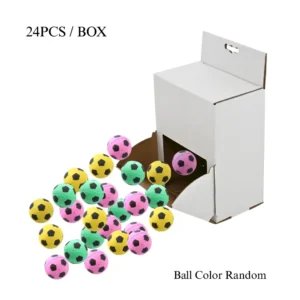 24-Pack Cat Toy Balls – Soft Latex Foam Soccer Ball Toys for Cats, Interactive Chase & Self-Play, Wholesale Pet SuppliesMSRP $8.89Login for wholesale pricing
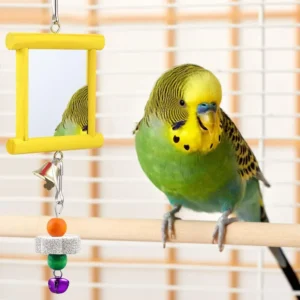 4-Pack Acrylic Parrot Toys with Mirror & Beak Grinding Accessories – Colorful Bird Cage Toys for Parrots and CockatielsMSRP $5.89Login for wholesale pricing
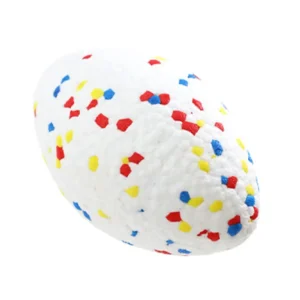 5 Inch Durable Rugby Floating Dog Ball – Chew & Fetch Water Toy for DogsMSRP $4.29Login for wholesale pricing
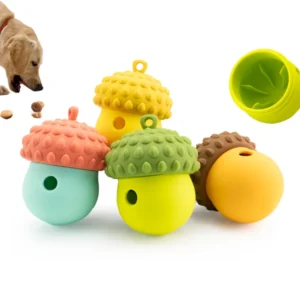 Berry-Shaped Silicone Dog Treat Dispensing Slow Feeder Toy – Durable Chew & Interactive Training Ball(MOQ 24)MSRP $3.56Login for wholesale pricing