

The Complete Guide to Buying Pet Supplies Wholesale in 2026
Opening a pet store or scaling an existing retail business has never been more exciting—or more competitive. If you are an independent retailer, a pet-shop buyer, or a pet-retail entrepreneur, the single most important decision you will make this year is how you go about buying pet supplies wholesale. The suppliers you choose, the minimums you accept, and the product mix you stock directly shape your margins, your shelf appeal, and your customers’ loyalty. This guide walks you through everything you need to source smarter in 2026, from reading a wholesale pet catalog to negotiating terms with a wholesale pet supplier you can trust. Along the way we will point you to the ready-made wholesale KITs that thousands of pet retailers use to fill their shelves fast and profitably.

Why Buying Pet Supplies Wholesale Matters More in 2026
The pet industry continues to grow as owners treat companion animals as family members, and that shift keeps raising the bar for independent retailers. When you buy at retail prices and try to resell, you leave too much margin on the table. Buying pet supplies wholesale flips that equation: you purchase at business-to-business pricing, bundle products into curated assortments, and present a professional retail experience your customers cannot easily replicate online.
In 2026, three forces make wholesale sourcing the smartest play for small and mid-sized pet shops:
- Margin pressure from marketplaces. Big online retailers compete on price, but they cannot offer the hands-on advice and curated discovery that a local shop provides. Wholesale buying protects the margin you need to deliver that experience.
- Curated assortments win. Shoppers are overwhelmed by endless SKUs online. A thoughtfully built shelf—organized into themes like grooming, feeding, or play—converts browsers into buyers. That is exactly what a wholesale catalog built around KITs enables.
- Faster restocking. Reliable B2B pet products partners let you replenish best-sellers before you run out, protecting the relationships you build with regular customers.
If you are just starting out, the Pet Store Starter Essentials Kit is the fastest way to anchor your opening assortment with the categories every neighborhood shop needs.
It also helps to separate two related but different activities: sourcing and buying. Sourcing is the ongoing work of discovering suppliers, comparing terms, and shaping your assortment; buying is the act of placing each order. Retailers who treat sourcing as a quarterly discipline—rather than a frantic task whenever the shelf looks empty—consistently report healthier margins and fewer surprises. In the sections below we break both sides down so you can build a repeatable system rather than a series of one-off purchases.
Building a Smart Pet Store Sourcing Strategy
Effective pet store sourcing is not about chasing the cheapest box of toys—it is about matching the right products to the right customers at the right time. A sourcing strategy is simply a plan that answers three questions: what does my community need, what can I sell profitably, and how do I keep it in stock without tying up cash.
Start by mapping your customer base. A shop near a city park may lean heavily into walking and outdoor gear, while a suburban store with many cat owners should weight its shelf toward feline enrichment. Then build your first purchase around a small number of high-velocity categories rather than a scattered wish list. Many retailers find that beginning with 6–10 focused categories produces a tighter, more shoppable store than spreading budget across 40 unrelated items.
A practical sourcing framework looks like this:
Before you lock the plan, validate it against your physical space. A 400-square-foot shop cannot carry the same depth as a 2,000-square-foot store, and that is fine—small footprints often win by being edit-driven and confident. Walk your floor and assign each wall or gondola a role: an entry table for impulse toys, a central run for feeding and hygiene, an end cap for the season’s hero Kit. When your sourcing plan maps to real shelf positions, you avoid the classic mistake of buying products you have nowhere to display.
Finally, set a restocking rhythm. Many retailers find that a simple cadence—a monthly staple reorder plus a flexible seasonal top-up—keeps cash flowing and shelves full without emergency orders. Your wholesale pet supplier should make that rhythm easy with predictable lead times and case-level minimums you can plan around.
- Anchor categories. Food, feeding, and hygiene are non-negotiable everyday drivers. The Slow Feeding & Wellness Kit and the Pet Care & Hygiene Kit cover two of the most repeat-purchased segments.
- Destination categories. These are the items that get people in the door—toys, grooming, and seasonal celebrations. Consider the Best-Selling Pet Toy Kit and the Holiday Celebration Kit.
- Expertise categories. Products that let you advise customers, such as training tools or dental care, build trust and repeat visits. The Training & Enrichment Kit and the Dental & Joint Wellness Kit fit here.
How to Vet a Wholesale Pet Supplier
Choosing a wholesale pet supplier is a relationship decision, not a one-time transaction. The right partner acts like an extension of your buying team; the wrong one creates stockouts, quality complaints, and eroded margins. Before you commit, evaluate any potential supplier on these six dimensions:
| Evaluation Factor | What to Look For | Red Flag |
|---|---|---|
| Product quality | Safety-certified materials, clear labeling | Vague origins, no compliance docs |
| Minimum order quantity | Flexible MOQs that fit a small shop | Only pallet-scale orders accepted |
| Catalog depth | Curated KITs plus individual SKUs | A single narrow product line |
| Shipping speed | Predictable lead times, tracking | No stated fulfillment window |
| Pricing transparency | Clear tiered B2B pricing | Hidden fees or vague quotes |
| Support | Responsive account help | No human contact channel |
A supplier that publishes a coherent wholesale pet catalog and lets you start with approachable minimums signals they understand independent retailers. PETBW is built around that model: curated KITs, transparent B2B pricing, and a Shop Wholesale KITs hub where you can compare themed assortments side by side before you buy.
Decoding Minimum Order Quantity (MOQ) for B2B Buyers
Minimum order quantity—often shortened to MOQ—is the smallest purchase a supplier will accept on a given product or assortment. For new buyers, MOQ can feel intimidating, but it exists for a logical reason: suppliers need a baseline volume to make picking, packing, and shipping economical. The key is finding a supplier whose MOQ matches your stage of business.
There are two common MOQ models in B2B pet products:
- Per-SKU minimums. You must buy, say, 12 or 24 units of a single item. This suits retailers who already know exactly what sells.
- Assortment or KIT minimums. You buy a pre-balanced bundle—like the Walking Essentials Kit or the Outdoor Adventure Kit—at a single case or carton level. This is ideal for new shops because the mix is already merchandised for you.
When you evaluate an MOQ, do not just look at the number—look at the cash tied up and the turnover speed. A higher MOQ on a proven best-seller may be smarter than a low MOQ on an item you cannot move. Industry experience shows that retailers who start with curated KIT minimums reduce dead stock and learn their local demand faster than those who over-buy single categories.
Navigating the Wholesale Pet Catalog: Categories That Sell
A modern wholesale pet catalog is more than a price list—it is a merchandising blueprint. The strongest catalogs group products into shoppable themes so a buyer can assemble a complete department in a few clicks. At PETBW, those themes are expressed as KITs, each one a ready-to-sell assortment. Here are the categories worth understanding as you build your 2026 plan:
- Everyday essentials. Leashes, bowls, waste bags, and hygiene—the Pet Care & Hygiene Kit covers the repeat-purchase backbone of any store.
- Play and enrichment. Toys drive impulse buys and loyalty. The Cat Play Kit, the Dog Toy Collection Kit, and the Best-Selling Pet Toy Kit each target a different shopper.
- Wellness and care. Slow feeders, dental chews, and joint support are high-margin, advice-driven categories—see the Dental & Joint Wellness Kit.
- Grooming. The Professional Grooming Kit lets you merchandise a full grooming corner.
- Seasonal and training. Rotate in the Holiday Celebration Kit and the Training & Enrichment Kit to keep the shelf fresh.

Stocking the Right B2B Pet Products for Your Shelf
Choosing B2B pet products is where strategy meets the shelf. The goal is a balanced assortment: enough depth in best-sellers to never stock out, and enough novelty to give shoppers a reason to return. A simple 70/20/10 rule works well for many independent shops:
- 70% proven staples. Everyday items with predictable demand—food accessories, hygiene, basic toys.
- 20% growth categories. Wellness, grooming, and training products where you can coach the customer.
- 10% experimental. New or seasonal items, like the Holiday Celebration Kit, tested in small quantities.
When you are not sure which individual SKUs to pick, lean on curated KITs. They are assembled by category experts and remove the guesswork from buying pet supplies wholesale. And if your community has very specific needs, the Build-Your-Own Wholesale Kit lets you mix products across categories into one order with a single, manageable minimum.
One more practical note: track sell-through by category, not just by item. A KIT that turns over twice a month is doing more for your business than a single hero SKU that sits for a season, even if the hero has a higher unit margin. Many retailers find that reviewing category performance every four to six weeks is enough to catch slow movers early and reallocate budget toward what customers actually reach for. Pair that discipline with a supplier who publishes clear reorder minimums, and your shelf stays relevant without constant firefighting.
2026 Pet Retail Trends Shaping Wholesale Buying
Understanding where the category is heading helps you buy ahead of demand instead of chasing it. Five trends are reshaping pet store sourcing this year, and each one has a direct impact on the B2B pet products you should be ordering:
- Wellness as a default. Functional products—dental, joint, calming, slow-feeding—are no longer niche. Shoppers expect a wellness section, which is why the Slow Feeding & Wellness Kit and the Dental & Joint Wellness Kit deserve permanent shelf space.
- Experience-led grooming. Owners want the salon look at home. The Professional Grooming Kit turns a corner of your store into a destination category with higher attach rates.
- Enrichment over quantity. Buyers are choosing fewer, better toys that actually engage pets. Puzzle and training items from the Training & Enrichment Kit outperform bins of identical plush.
- Outdoor and active lifestyles. More owners hike, travel, and camp with pets, lifting demand for the Outdoor Adventure Kit and the Walking Essentials Kit.
- Celebration culture. Birthdays and holidays for pets are mainstream. Rotating the Holiday Celebration Kit keeps your store feeling current and gives shoppers a reason to visit between routine purchases.
The practical takeaway: weight your 2026 open-to-buy toward wellness, grooming, and enrichment, and treat outdoor and celebration categories as the rotating layers that keep the store fresh. A supplier with a broad wholesale pet catalog makes this balancing act simple because you can shift spend between KITs as trends ebb and flow.
Common Mistakes When Buying Pet Supplies Wholesale
Even experienced buyers stumble. Avoiding these five pitfalls will save you cash and shelf space in 2026:
- Chasing the lowest price over total value. A cheap item that does not sell is more expensive than a well-priced item that moves. Judge suppliers on landed cost and sell-through, not unit price alone.
- Ignoring MOQ math. A pallet-scale minimum can lock up capital you need for the rest of the store. Start with KIT-level minimums and scale as demand proves out.
- Over-assorting too early. Forty random SKUs look impressive but confuse shoppers. Tight, themed sections convert better than scattered breadth.
- Neglecting supplier support. If you cannot reach a human when a shipment is late, your customers pay the price. Prioritize responsive B2B partners.
- Forgetting to rotate. Static shelves age fast. Use seasonal KITs and new arrivals to keep regulars curious.
Frequently Asked Questions
What does buying pet supplies wholesale actually mean for a small pet store?
It means purchasing products at business-to-business pricing directly from a wholesale pet supplier, rather than at retail, so you can resell them with a healthy margin. For most independent shops, it also means ordering in curated cases or KITs instead of single units, which keeps handling efficient and costs down.
How much inventory do I need to start a pet store?
There is no single number, but many first-time retailers open with a focused assortment across 6–10 categories rather than buying everything at once. Beginning with themed KITs—like the Pet Store Starter Essentials Kit—lets you launch a complete-looking shelf without overcommitting capital, then expand as you learn local demand.
What is a good minimum order quantity for a new retailer?
A good MOQ is one you can sell through comfortably within a few months. For newcomers, assortment or KIT-level minimums (a single case or carton of a balanced bundle) are usually smarter than large per-SKU minimums, because the mix is already merchandised and the cash exposure is lower.
Should I buy individual SKUs or curated wholesale KITs?
Early on, curated KITs are usually the better choice—they remove guesswork, arrive shelf-ready, and often come with better bundled pricing. As you learn which specific items sell fastest in your community, you can supplement with individual SKUs or use the Build-Your-Own Wholesale Kit to mix your own assortment.
How do I choose the right wholesale pet supplier?
Evaluate suppliers on product quality, MOQ flexibility, catalog depth, shipping reliability, pricing transparency, and support responsiveness. A partner with a clear wholesale pet catalog and approachable minimums—such as the range available through the Shop Wholesale KITs hub—is typically a strong fit for independent retailers.
Can I customize my wholesale order to fit my local market?
Yes. Beyond fixed themed KITs, you can assemble a tailored assortment through the Build-Your-Own Wholesale Kit, mixing categories like grooming, feeding, and play into one order so your shelf reflects what your specific customers actually want.
Conclusion
Buying pet supplies wholesale in 2026 is less about hunting for the cheapest box and more about building a sourcing system: know your customers, vet your wholesale pet supplier carefully, respect minimum order quantity realities, and merchandise from a catalog organized around what actually sells. The retailers who win this year are the ones who pair disciplined pet store sourcing with curated, shoppable assortments of B2B pet products.
Ready to put this guide into practice? Explore the full range of themed assortments on the Shop Wholesale KITs hub, or start with the Pet Store Starter Essentials Kit to build a complete opening shelf in one smart order. If your community needs something more specific, the Build-Your-Own Wholesale Kit lets you mix and match across every category. Source smarter, stock confidently, and grow your pet retail business with PETBW as your wholesale partner.
However you begin, remember that buying pet supplies wholesale is a skill that compounds. Every well-chosen order teaches you more about your customers, and every seasonal refresh keeps them coming back. Use this guide as your checklist, lean on curated KITs when speed matters, and build your own mixes when you know your market cold. The retailers who treat sourcing as a strategy—not a chore—are the ones who thrive in 2026 and beyond.
Ready to stock these ideas? Browse wholesale pet KITs →
Shop these pet categories
Wholesale pricing, no minimum order.
Related wholesale collections
Products mentioned here
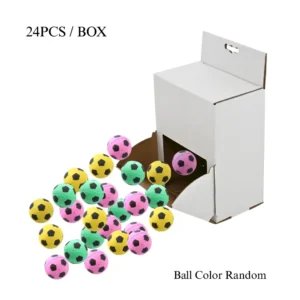 24-Pack Cat Toy Balls – Soft Latex Foam Soccer Ball Toys for Cats, Interactive Chase & Self-Play, Wholesale Pet SuppliesMSRP $8.89Login for wholesale pricing
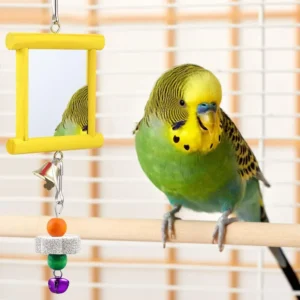 4-Pack Acrylic Parrot Toys with Mirror & Beak Grinding Accessories – Colorful Bird Cage Toys for Parrots and CockatielsMSRP $5.89Login for wholesale pricing
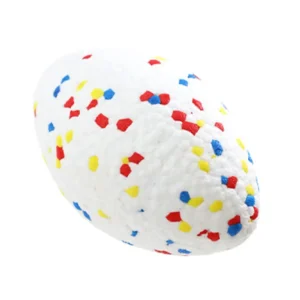 5 Inch Durable Rugby Floating Dog Ball – Chew & Fetch Water Toy for DogsMSRP $4.29Login for wholesale pricing
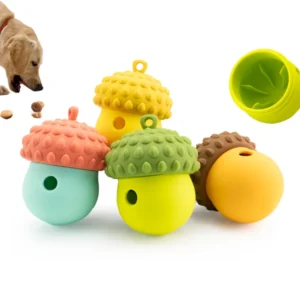 Berry-Shaped Silicone Dog Treat Dispensing Slow Feeder Toy – Durable Chew & Interactive Training Ball(MOQ 24)MSRP $3.56Login for wholesale pricing