Cat Enrichment 101: Toys and Play That Stop Boredom (and Returns)
Every independent pet retailer has watched it happen: a customer buys a cute cat item, takes it home, and a week later the cat ignores it completely while the owner fumes about wasted money. That single disappointment is what drives returns, bad reviews, and lost repeat business. The antidote is not a bigger discount — it is a smarter assortment of cat play toys built around genuine cat enrichment. When you stock toys that actually engage a cat’s hunting instinct, you reduce the odds of a product sitting unused on a shelf or bouncing back to your store as a return. Our Cat Play Kit was designed for exactly this outcome: a curated wholesale bundle that helps pet stores sell play that works, so cats stay interested and shoppers come back. In this guide we break down why boredom drives returns, what real enrichment looks like, and how to choose interactive cat toys and supporting products that keep both cats and store owners happy. We also cover the wholesale buying angle, common mistakes that inflate your return rate, and how to train staff so the right toy reaches the right cat every time.
Why Cat Boredom Sends Products Back to Your Shelf
Cat boredom is not a fluffy buzzword — it is a measurable retail problem. A cat with nothing to do will often reject new objects within days, and the human who bought them blames the product, not the lack of stimulation. For a pet store, that translates into three headaches: returned merchandise, one-star word-of-mouth, and a shopper who switches to a competitor who “got it right.” Understanding the boredom-return loop is the first step to breaking it, and the loop is more predictable than most buyers realize.
Cats are obligate predators. Their brains are wired to stalk, chase, pounce, and “capture.” When a toy does none of those things, the novelty fades in minutes. A static plush mouse might photograph well, but without movement, sound, or a reason to engage, it becomes clutter. Retailers who lean only on cute packaging and ignore function end up with the highest return rates in the cat category, and they rarely understand why their margins are shrinking.
The good news is that the fix is predictable. Boredom is solved by variety, by movement, and by giving the cat a job. A well-built assortment of cat play toys answers all three. When your customers succeed at home, they do not return the item — they return to your store for the next one. That is the difference between a transactional sale and a loyal, repeat cat customer.
Independent stores feel this most acutely. A returned wand costs you double — the refund and the lost future spend — while a successful one seeds refills for months. That is why seasoned buyers treat cat boredom as a merchandising KPI, not a pet-owner problem, and keep the cat wall built around engagement so the return bin stays empty and the loyalty loop stays open.
The Building Blocks of Real Cat Enrichment
Genuine cat enrichment is more than a box of balls. It is a layered system that meets a cat’s physical and mental needs. Most behaviorists describe enrichment in four practical pillars, and a strong wholesale cat program should touch all of them so that no cat — regardless of personality — leaves your store unserved.
1. Physical Play and the Hunt Cycle
Cats need to move. Toys that mimic prey — wands with feathers, motorized critters, crinkle balls — let a cat complete the stalk-chase-pounce sequence. This is the single most important category for fighting cat boredom, and it is where interactive cat toys earn their keep. A cat that gets a daily hunt session is calmer, sleeps better, and is far less likely to shred furniture out of frustration.
2. Mental Stimulation and Puzzle Feeding
A cat that eats from a bowl in five seconds has no mental workout. Treat puzzles, slow-dispensing balls, and hide-and-seek mats turn mealtime into a challenge. Many retailers pair these with the broader Training & Enrichment Kit, which covers puzzle logic across species and is a natural cross-sell for multi-pet households. Mental work tires a cat as effectively as physical play, and tired cats are content cats.
3. Solo Entertainment While Owners Are Away
Most cats are alone eight to ten hours a day. Self-playing toys — motion-activated balls, catnip kickers, window perch attachments — keep a cat occupied when nobody is home. These are the unsung heroes of the no-return assortment because they work without human involvement, which means the cat stays engaged even on the owner’s busiest days.
4. Sensory and Environmental Variety
Scent (catnip, silvervine), texture (crinkle, sisal), and vertical space all count as enrichment. A store that stocks a range of textures gives owners reasons to experiment and discover what their specific cat loves, and discovery is what turns a single purchase into an ongoing shopping habit.
A practical way to think about enrichment is in minutes of engagement, not number of SKUs. A single toy that holds a cat’s attention for twenty minutes outperforms three that are ignored after thirty seconds. When you evaluate your cat enrichment range, ask which items earn repeat attention rather than which look busiest on the shelf. That mental shift alone improves assortment quality.
Choosing the Right Cat Play Toys for Every Life Stage
Not every cat wants the same thing, and a smart retailer merchandises by life stage rather than by “one size fits all.” Life-stage grouping also makes it easier for your staff to give confident recommendations at the shelf, which reduces returns and builds trust with first-time cat owners.
Kittens (under 1 year) are in constant motion and learn through play. They need small, lightweight, easy-to-bat items and soft wand toys. Safety matters: avoid anything with tiny detachable parts. Kittens burn through toys fast, which makes them a hidden repeat-purchase goldmine for the store and a great reason to keep refill SKUs adjacent.
Adult cats (1–7 years) benefit most from the hunt cycle and puzzle feeding. This is the sweet spot for cat play toys that require interaction — feather wands, laser alternatives, and treat puzzles. Adults are also where cat boredom first shows up as destructive behavior, so engagement toys are the proactive sell that saves your customer’s sofa.
Seniors (8+ years) slow down but still need movement to stay healthy. Gentle, low-effort toys — slow-rolling balls, catnip kickers, and easy puzzle feeders — keep joints mobile without overwhelming them. Retailers who stock a senior-friendly sub-section earn the loyalty of older-cat owners, a demographic that shops consistently and refers friends.
Do not overlook multi-cat households, which are common and profitable. In a home with two or three cats, durable interactive cat toys and several identical kickers prevent resource-guarding and double or triple your unit sales per visit. Stocking multiples of the same winning SKU is one of the simplest ways to lift cat-aisle volume while keeping cats happy.
When you organize your cat wall by life stage, you naturally surface the right interactive cat toys for each shopper instead of overwhelming them with a wall of identical mice.
Interactive Cat Toys: The Repeat-Purchase Engine
If there is one category that turns a one-time buyer into a regular, it is interactive cat toys. These are toys that respond — to touch, to motion, or to the owner’s hand — and they create a bond between cat and human that static toys never achieve. That bond is what brings people back for replacements, refills, and the next “level” of play.
From a wholesale perspective, interactive toys also carry healthier margins and stronger attach rates. A wand toy sells with a refill pack. A motorized critter sells with replacement batteries or a second unit for the upstairs. A puzzle feeder sells with more treats. The cat toy wholesale buyer who thinks only in unit price misses the lifetime value hiding inside the interactive category, and that blind spot is expensive over a full year.
We recommend retailers build their interactive section around three tiers so every budget finds a home and every shopper can be upgraded over time:
- Entry interactive — feather wands and crinkle balls under a modest price point, perfect impulse buys near the register.
- Mid interactive — battery or motion toys and beginner puzzle feeders that deliver a clear “wow” at home.
- Premium interactive — app-connected or programmable toys for engaged owners who treat their cat like family.
For the cat toy wholesale buyer, durability is a quiet margin protector. Toys that survive a week of clawing get recommended to friends; toys that fall apart feed returns. Vet each interactive SKU for secure seams, non-toxic materials, and replaceable parts, and your assortment will earn a reputation for quality that competitors struggle to match. Durability is not glamorous, but it is what keeps the repeat-customer loop turning.
Stocking all three tiers inside the Cat Play Kit bundle gives stores a ready-made ladder that moves customers up over time instead of out the door.
Stocking and Merchandising Cat Play Toys for Wholesale Buyers
For the cat toy wholesale buyer — whether you are a pet-store owner, a buyer, or a pet-retail entrepreneur — the question is never “which toy is cutest” but “which assortment sells through and stays sold.” Sell-through is driven by three merchandising habits we see in the best-performing stores, and each one is learnable.
Demo, don’t just display. A battery toy that moves on a shelf sells itself. Stores that run a small demo unit report far fewer returns because the customer has already seen the engagement. A simple clip-on card with “watch it move” beats any static sign, and it costs almost nothing to implement across your cat wall.
Bundle by outcome, not by SKU. “Stop the 3 a.m. zoomies” or “first kitten starter” bundles convert better than a wall of single items. Outcome-based bundling is exactly how our kits are built, and it reduces the paradox of choice that freezes hesitant shoppers at the shelf edge.
Keep refill and replacement SKUs adjacent. When the wand feather wears out, the refill should be one shelf over. This is the quiet repeat-purchase engine that keeps cat owners loyal to your store rather than drifting to a big-box competitor who happens to stock the refill online.
Inventory depth matters as much as placement. Because cat toys turn quickly, running out of a hero SKU for even two weeks can permanently divert a shopper to a rival. Many retailers keep a deeper backstock of their top two or three interactive cat toys and reorder on a fixed cadence rather than waiting for the shelf to empty. This discipline is what separates a thriving cat wall from a neglected one, and it protects the loyalty you worked to build.
Buyers who want maximum flexibility can also build your own wholesale kit to mix interactive cat items with other best sellers, or browse the full Shop Wholesale Kits hub to compare the Cat Play Kit against complementary ranges before committing carton quantities.
The Cat Essentials Kit (KIT002) and How Retailers Bundle It
A concrete example helps. The Cat Essentials Kit (KIT002) is one of our most-referenced wholesale cat bundles, and it pairs naturally with the play-focused items in the Cat Play Kit. A typical carton might include a rotating mix of wand toys, a puzzle feeder, catnip kickers, and a self-play ball — enough variety to defeat cat boredom for most households.
Smart retailers do two things with KIT002. First, they use it as a “complete cat starter” anchor next to the Best-Selling Pet Toy Kit, which covers cross-species toy favorites and gives multi-pet shoppers one stop. Second, they break the kit’s components into refill opportunities so the initial sale seeds months of follow-up purchases and keeps the cat aisle humming.
Framing matters: when you present the Cat Essentials Kit as “everything a new cat owner needs to keep their cat happy,” you are selling outcomes, not SKUs. That outcome framing is what protects your return rate and grows your repeat-customer base. One more tip worth repeating to staff: train your team to tell the kit’s story at the shelf. A one-line explanation of how the wand, puzzle feeder, and kicker work together turns a browsing cat owner into a confident buyer — and confidence is the enemy of returns.
Common Cat Toy Assortment Mistakes That Hurt Your Return Rate
Even motivated retailers stumble on the same avoidable errors. Recognizing them lets you protect margin and reputation before problems reach the shelf, and most are simple to correct once you know the pattern.
Mistake 1: Buying on Cuteness Instead of Function
A toy that photographs well but does nothing will be ignored by the cat and returned by the owner. Every SKU in your cat play toys range should have a clear engagement mechanism. If you cannot explain in one sentence why a cat would play with it, skip it and protect your return rate.
Mistake 2: No Refill Strategy
Selling a wand without the refill nearby is leaving money — and the customer — on the table. Build refills into the plan from day one so the repeat cat customer loop closes inside your store rather than sending the owner to a marketplace.
Mistake 3: Ignoring Life-Stage Fit
Marketing a vigorous interactive toy to a senior-cat owner wastes the sale and risks a return. Match the interactive cat toys to the cat’s stage and your satisfaction scores climb while complaints fade.
Mistake 4: Forgetting the Demo
A silent shelf hides the best products. Motion demos and simple “watch it move” cards convert browsers into buyers and pre-empt cat boredom returns before they happen. This single habit pays for itself within a single selling season.
Frequently Asked Questions
What are the best cat play toys to reduce boredom?
The most reliable options are interactive toys that mimic prey — feather wands, motion toys, and puzzle feeders. These complete a cat’s natural hunt cycle and keep the cat mentally engaged. A varied mix, rather than a single toy type, is the best defense against cat boredom and the returns it causes.
How often should cat owners rotate toys?
Most behavior-informed retailers suggest rotating toys every one to two weeks. Cats habituate quickly, so “new again” items feel fresh when pulled from a rotation bin. Stocking a broad interactive cat toys assortment makes rotation easy for your customers and drives steady repurchase.
Is cat enrichment really necessary, or just marketing?
It is genuinely necessary for feline wellbeing. Enrichment reduces stress-driven behaviors like scratching furniture and over-grooming, and it keeps indoor cats physically active. For retailers, cat enrichment done right means fewer returns and more loyal shoppers — a real business benefit, not a slogan.
What should a cat toy wholesale buyer look for in a supplier?
Look for variety across life stages, clear safety standards (no small detachable parts for kittens), and bundle flexibility. A supplier like justforpetstore.com that offers both curated kits and a build-your-own wholesale kit option lets you match stock to your local market instead of guessing and over-ordering.
How do I merchandise cat toys to maximize sell-through?
Demo moving toys on the shelf, bundle by outcome (“stop the zoomies”), and keep refills adjacent to the original product. Linking the cat wall to complementary ranges such as the Training & Enrichment Kit also captures cross-species shoppers and lifts basket size.
Conclusion
Boredom is the silent driver of cat-product returns, but it is entirely preventable with the right assortment. By stocking layered cat play toys, prioritizing interactive cat toys, and merchandising by life stage and outcome, you turn a one-time sale into a loyal, repeat cat customer. The Cat Play Kit bundles this thinking into one wholesale-ready package — and pairs perfectly with the Cat Essentials Kit (KIT002) for a complete cat department. Explore the full range or browse the Wholesale Kits hub to build the cat assortment your shoppers will keep coming back for.
Shop the matching wholesale KIT
Shop these pet categories
Wholesale pricing, no minimum order.
Related wholesale collections
Products mentioned here
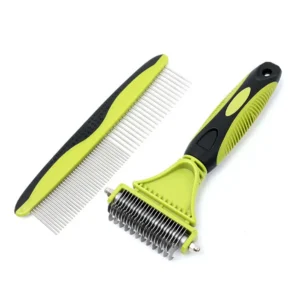 2-in-1 Pet Grooming Comb Set – Dual-Sided Deshedding & Dematting Tools for Dogs and CatsMSRP $6.29Login for wholesale pricing
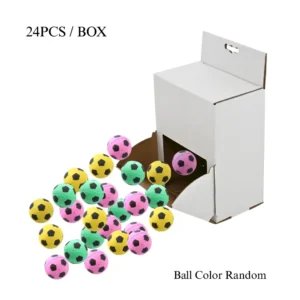 24-Pack Cat Toy Balls – Soft Latex Foam Soccer Ball Toys for Cats, Interactive Chase & Self-Play, Wholesale Pet SuppliesMSRP $8.89Login for wholesale pricing
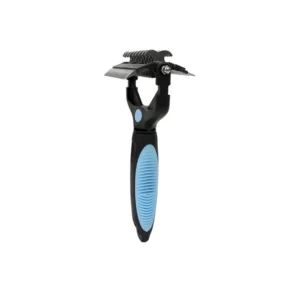 3-in-1 Pet Grooming Comb – Professional Detangling, Dematting & Deshedding Tool for Dogs & CatsMSRP $6.49Login for wholesale pricing
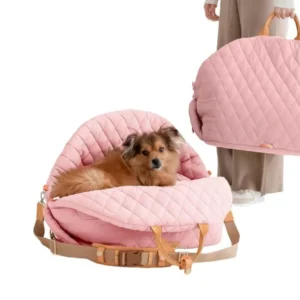 3-in-1 Small Pet Carrier Bag | Car Seat Booster, Travel Bed & Indoor Pet Bed for Dogs & CatsMSRP $21.89Login for wholesale pricing