
Cat Litter: What Pet Stores Should Stock | JustForPetStore
Cat litter is the most repeatable purchase in a pet store, because it runs out on a schedule no owner can postpone. Stock three formats — clumping clay, a lightweight or natural option, and one premium odor-control line — then compete on weight and advice rather than price. Grand View Research puts the global category near $18.1 billion in 2026, and APPA counts 53 million cat-owning U.S. households, so demand is not the risk. The shelf plan is.
Why should a small pet store treat cat litter as a core category?
Litter behaves like a subscription that the customer never formally signed. It is heavy, it runs out, and it cannot be deferred, which makes it one of the few categories that reliably pulls a customer back into the store every month.
The market data backs the traffic argument. Grand View Research valued the global cat litter products market at $17.2 billion in 2025 and projects $18.1 billion in 2026 on the way to $26.4 billion by 2033, a 5.5% CAGR. North America held the largest regional share at 38.8% of 2025 revenue. Crucially for a small store, supermarkets and hypermarkets accounted for about 39% of distribution in 2025, which means the majority of litter is still bought somewhere else — specialty retail and online included.
The household base is growing rather than flat. In its 2026 Cat Report, released September 14, 2026, the American Pet Products Association (APPA) reported that 53 million U.S. households owned a cat in 2025, or 39% of all households, up 5% year over year after a 23% surge in 2024. Multi-cat homes are the detail that matters most to your shelf plan: households with two cats rose 7% year over year and 16% since 2018, while households with three or more cats rose 7% year over year and 45% since 2018. More cats per home means more litter per visit, not just more visits.
Per APPA, cat owners spent an average of $337.53 on food in 2025, up 9% year over year, and products remain the top expense for cat owners overall. A customer who trusts you on litter is a customer who will listen about food, treats, and grooming. Start from the litter aisle in cat and let it anchor the rest of the category.
Which cat litter formats actually earn shelf space?
Do not try to carry everything. Clay still dominates, but the growth is coming from everywhere else, and a small store wins by offering the alternatives that a supermarket will not stock.
Clumping clay — your volume anchor. Grand View Research puts clumping at roughly 75.2% of the product segment and clay at about 81.6% of raw material in 2025. You need it, customers expect it, and it is the price point they will compare you against. Carry one house brand and one national name, no more.
Lightweight and low-dust — the trade-up. Apartment dwellers and anyone carrying a bag up three flights will pay more for a lighter jug. This is the easiest upsell in the aisle because the benefit is felt immediately, and it is where independents beat the box stores on assortment.
Natural and plant-based — the differentiation. Wood, paper, corn, cassava, and bamboo formats appeal to the sustainability-minded buyer and to households sensitive to dust or fragrance. These are exactly the SKUs supermarkets skip, and they carry better margin. Merchandise them beside the clay rather than hidden on a bottom shelf.
Silica crystals and odor-control premium — the top tier. One premium option signals that you take the category seriously. Merchandise by benefit, not by brand: low-dust, multi-cat, lightweight, and natural are the four signs customers actually read.
How much cat litter should a small store carry?
Let the replacement cycle do the math for you. Grand View Research notes that roughly 65% of cat owners replace litter two to three times per month. A multi-cat home goes through it considerably faster, and APPA’s finding that three-or-more-cat households grew 45% since 2018 tells you the heavy-user segment is expanding.
A practical starting plan for a single-door store:
- Four to six litter SKUs, split across clay, lightweight, and one natural option.
- Two sizes per core SKU — a small bag for trial and a larger one for the regular buyer. Weight is the reason people leave; a lighter carry option converts trial into habit.
- Depth on the winner only. Once one SKU outsells the others by two to one, give it the extra facing and cut a laggard rather than adding a seventh line.
- Accessories beside, not behind. Scoops, liners, mats, and deodorizer belong next to the litter so the basket grows without a second trip down an aisle.
Keep the buy flexible. Ordering at low minimum order quantities lets you test a natural or silica line with a handful of bags instead of a pallet, which is the difference between experimenting and gambling.
How should you price litter against supermarkets and online?
You will not win a price war on national clay, and you should not try. Price one or two recognizable national SKUs at or near the supermarket level and treat them as traffic. Earn your margin everywhere else.
APPA reports that nearly half of Gen Z cat owners buy cat food at supermarkets, and that Gen Z now represents 22% of cat owners, up 10% year over year. That is a price-sensitive, high-frequency shopper you can still win, but only on grounds other than the sticker: carry it to the car, split a case, recommend the right format for a multi-cat home, and stock the bag size that fits a small apartment.
Three tactics that hold margin:
- Sell by cost per week, not per bag. A premium lightweight that lasts longer often costs less per month. Put that on the shelf tag.
- Bundle the replacement cycle. Two bags and a liner at a modest discount converts a monthly shopper into a recurring one and raises basket size without cutting price on the hero SKU.
- Use the trade-up ladder, not a markdown calendar. Keep a value clay, a mid lightweight, and a premium natural format visible at all times. Discounts train customers to wait; a ladder gives them somewhere to climb.
Per APPA, total U.S. pet industry expenditures reached $158 billion in 2025 and are projected to hit $165 billion in 2026, with supplies, live animals, and OTC medicine moving from $34.4 billion to industry statistics published by APPA. Demand is not the constraint. Assortment discipline is.
How do you turn a litter buyer into a repeat customer?
Litter gets them in the door; the rest of the cat aisle keeps them. Merchandise the adjacencies deliberately.
Place grooming and care items within sight of the litter, because a customer standing in front of a heavy bag is already in a solving-problems frame of mind. Put cat toys at the end of the run, where an unplanned add-on is cheap and easy.
Then run three low-effort retention moves:
- A litter club card. Buy nine, get the tenth free. It costs almost nothing and it makes your store the default.
- A reorder reminder. Capture a phone number at checkout and text when their usual size is back. Most independents never do this, which is exactly why it works.
- Multi-cat packaging. APPA found that multi-cat ownership among men rose 117% since 2018 and that men now account for 43% of cat owners. A two-bag bundle aimed at multi-cat homes speaks directly to the fastest-growing segment.
Finally, browse the full cat litter range with your floor plan in hand rather than your price list. Choose the three formats you can explain in one sentence each, because a recommendation is the one thing a supermarket aisle cannot give.
FAQ
How often do cat owners buy litter?
Often enough to anchor a monthly visit. Grand View Research reports that approximately 65% of cat owners replace litter two to three times per month, and APPA data shows multi-cat households growing steadily, with three-or-more-cat homes up 45% since 2018. Plan your reorder cycle around a 30-day repeat, not a seasonal one.
Which cat litter type sells best?
Clumping clay remains the volume leader. Grand View Research puts clumping at about 75.2% of the product segment in 2025 and clay at roughly 81.6% of raw material. Natural, plant-based, and lightweight formats are growing faster from a smaller base and are where independents can differentiate, because supermarkets rarely stock them.
Is cat litter profitable for a small pet store?
It can be, if you avoid competing on national-brand clay. Litter is bulky and expensive to ship, which protects the category from pure online price competition. Margin comes from lightweight, natural, and premium formats plus accessories, and from the repeat traffic that pulls food, treats, and grooming sales with it.
Should a pet store stock natural or plant-based litter?
Yes, but test small. Natural formats are the clearest point of difference from a supermarket, and APPA reports growing interest in customization and specialized care among newer cat owners. Start with one wood or paper SKU at a low minimum order quantity, track 90 days of sell-through, then expand or drop it based on the data rather than the trend.
Sources: Grand View Research, Cat Litter Products Market (2026–2033); American Pet Products Association, 2026 Cat Report (September 14, 2026) and 2026 State of the Industry Report.
Ready to stock these ideas? Browse wholesale pet KITs →
Shop these pet categories
Wholesale pricing, no minimum order.
Related wholesale collections
Products mentioned here
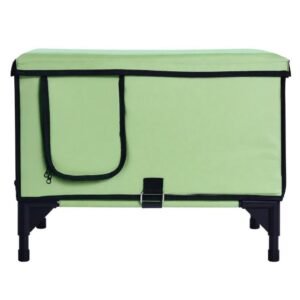 Elevated Heated Outdoor Cat House with 30W Waterproof Heating PadMSRP $128.99Login for wholesale pricing
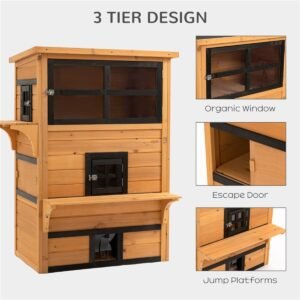 Three-Tier Outdoor Cat Condo with Asphalt Roof and Five Access DoorsMSRP $284.99Login for wholesale pricing
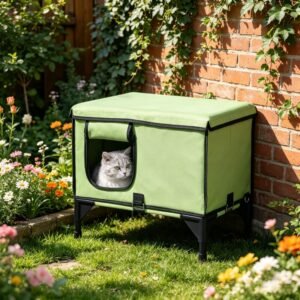 Large Elevated Heated Cat House with Waterproof Pad and Insulated LiningMSRP $124.99Login for wholesale pricing
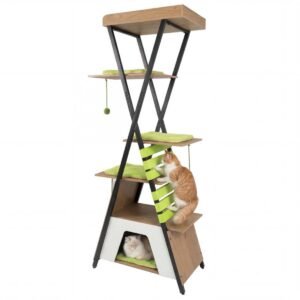 73″ Multi-Level Cat Tree with Condo, Top Perch and Scratching PadMSRP $228.99Login for wholesale pricing