
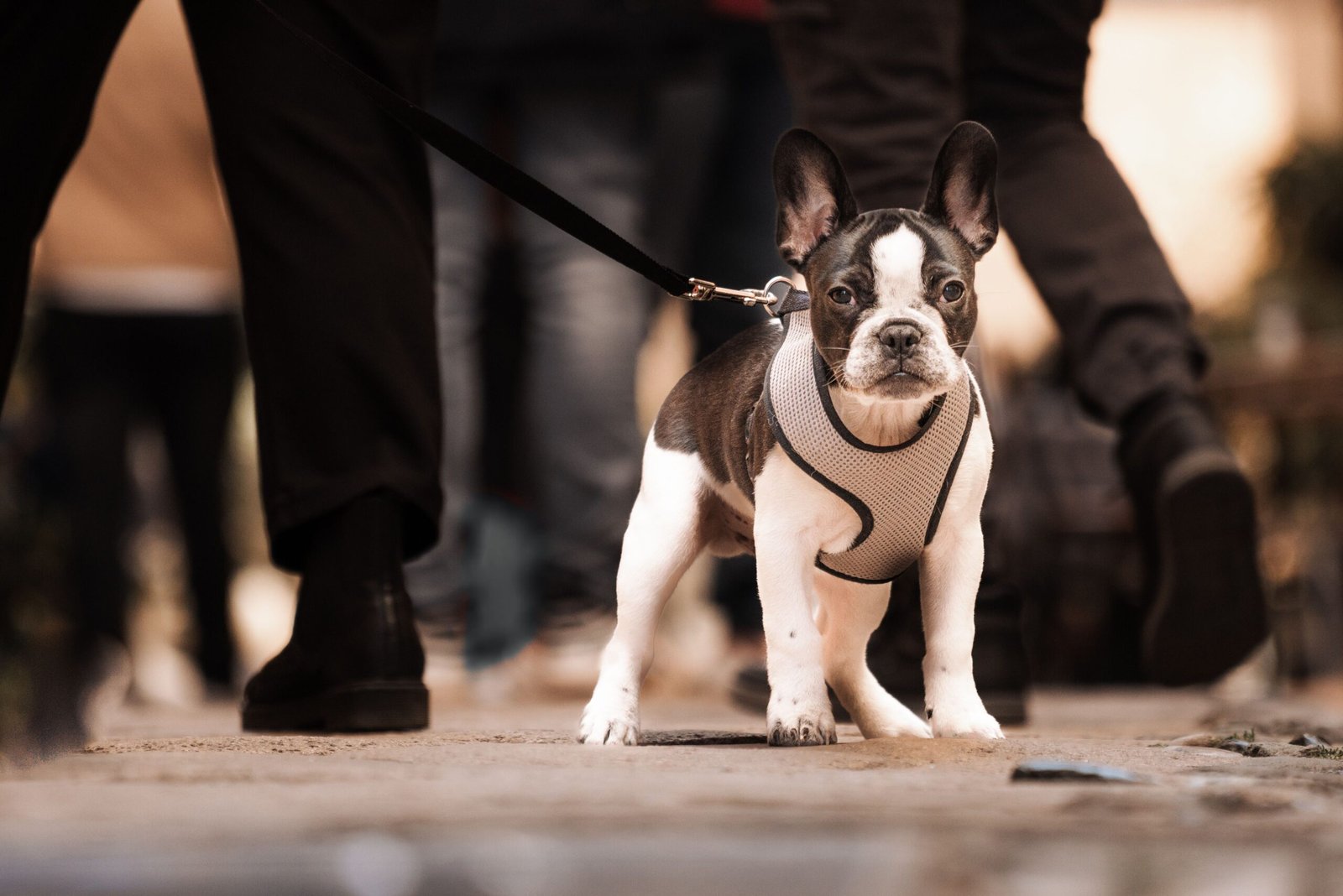
The Complete Dog Walking Kit: Harness, Leash and Gear Buying Guide
Every independent pet store knows the daily walk is the single most consistent purchase ritual for dog owners. The leash gets used twice a day, every day, and it wears out, gets chewed, gets lost, and gets replaced. For a retailer, that means the dog walking kit is not a one-time sale — it is a repeat, staple, basket-building category that quietly drives foot traffic and loyalty. Yet many shops treat harnesses, leads, and accessories as a scattered wall of SKUs rather than a coherent system a customer can buy with confidence. This guide is written for pet-store buyers and pet-retail entrepreneurs who want to stock, merchandise, and sell walking gear as a complete solution. We will walk through how a modern walking essentials kit is built, what components actually sell, how to match gear to dog size and owner lifestyle, and how to present it on the shelf so the upgrade sale happens naturally. Along the way we reference the real wholesale Dog Walking Kit (KIT021) carried on our site as a concrete example of how a curated walking assortment comes together for B2B buyers.
Why the Dog Walking Kit Is a Retail Staple, Not a Side Category
The daily walk is universal. Puppies need leash training, seniors need gentle support, and working owners need reliable gear that survives a commute-plus-walk routine. That consistency makes walking accessories one of the most dependable replenishment categories in the store. Unlike novelty toys that spike and fade, a dog harness and matching lead are bought on purpose, used constantly, and replaced on a predictable cycle.
For a wholesale buyer, the advantage is twofold. First, the repeat purchase rate is high: many retailers find that a customer who buys a harness will return within months for a second color, a longer lead, or a replacement after wear. Second, walking gear is a natural add-on to almost everything else in the store — treats for the walk, poop bags, portable bowls, and even apparel. When you merchandise a complete kit rather than loose items, you increase average order value and reduce the “I forgot the clip” frustration that sends shoppers to big-box competitors.
The strategic move is to stop thinking of the category as individual SKUs and start thinking of it as a system. A dog leash set that pairs a no-pull harness with a matching lead and a traffic handle answers a real owner problem in one box. That is exactly the logic behind curated wholesale walking kits: they lower the customer’s decision friction and raise your basket size at the same time.
The economics of repetition
Industry experience shows that walk-related gear carries strong margin and low seasonality. A shop that stocks three to four harness sizes, two lead lengths, and a rotating set of colors can serve most of its local dog population without over-investing in inventory. Bundling those into a kit also smooths cash flow: you move coordinated stock together instead of carrying orphaned leads that never find their harness.
There is also a loyalty effect worth naming. When an owner buys a complete dog walking kit and it works on day one, they return to the same store for the next size, the next color, and the replacement. That relationship is harder for online-only competitors to break because the in-store fit advice created real trust. For a wholesale buyer, that means the walking category is not just a product line — it is a customer-retention engine that quietly supports every other department in the store.

Anatomy of a Complete Walking Gear System
A well-built walking gear assortment contains a small number of purposeful components. You do not need fifty variations; you need the right ones. Here is the core anatomy most successful shops carry.
- Harness: The control and comfort anchor. Front-clip, back-clip, and dual-clip designs serve different dogs.
- Leash: Typically 4-foot traffic lead, 6-foot standard, and a longer training lead for recall work.
- Traffic handle: A short built-in loop near the harness clip for close control in crowds or traffic.
- ID and attachment: Tag rings, carabiners, and a poop-bag carrier that clips to the lead.
- Comfort add-ons: Padded handle wraps, reflective stitching, and weather-resistant webbing.
When these are packaged as a coordinated set, the customer sees a finished solution. The wholesale Dog Walking Kit (KIT021) follows this logic: a harness, a lead, and the small daily-walk essentials are grouped so a store can put one SKU on the shelf that reads as “everything you need for the walk.” That simplicity is what makes a kit easier to sell than a wall of confusing options.
Materials that matter to owners
Nylon webbing is the workhorse: affordable, washable, and colorfast. Padded mesh adds comfort for pullers. Reflective threading is no longer optional in urban markets — owners walk at dusk and expect visibility. For the premium tier, padded leather and marine-grade hardware signal durability. Stocking across these tiers lets you serve both the budget-repeat buyer and the enthusiast who wants a lifetime lead.
Choosing the Right Harness: Fit, Function and Dog Type
The dog harness is the heart of any walking kit, and fit is everything. A poorly fitted harness chafes, slips, or encourages pulling. Train your staff (and your wholesale buyers’ staff) to measure chest girth behind the front legs and to check the two-finger rule at every adjustment point.
Match the design to the dog. A small tracheal-sensitive breed like a Yorkie benefits from a step-in, no-pressure-neck harness. A strong puller such as a Labrador or Husky does better with a front-clip or dual-clip design that redirects forward motion. A senior dog with arthritis appreciates a harness with a handle so the owner can assist stairs and car entry. These are not obscure distinctions — they are the conversations that turn a browser into a loyal walking-gear customer.
| Dog need | Recommended harness type | Why it sells |
|---|---|---|
| Puppy in training | Back-clip, padded, adjustable | Comfort and growth room |
| Strong puller | Front-clip or dual-clip | Reduces pulling without choking |
| Small / toy breed | Step-in, lightweight | Protects trachea, easy on/off |
| Senior dog | Handle-equipped support | Assists mobility and lifts |
Because fit varies so much, the smart wholesale strategy is to stock a dog leash set in which the harness ships in a size run (XS–XL) while the lead is one-size-fits-most. That keeps your shelf tidy and your backstock sensible.
Leashes, Leads and the Daily Walk Essentials
The lead is where function meets habit. A daily walk essentials setup usually pairs a 6-foot standard leash with a shorter traffic lead for busy intersections. Retractable leads remain popular with casual owners, though many trainers prefer fixed leads for safety and control — worth explaining at the point of sale so the customer buys the right tool, not just the flashiest one.
Consider these practical add-ons that complete the daily walk and generate attach-rate sales:
- Hands-free waist leash: Beloved by runners and parents with strollers.
- Padded two-handle lead: A second traffic handle near the clip for close control.
- Poop-bag dispenser: Clips to the lead; a true daily essential.
- Collapsible bowl: For hydration on longer routes.
- Reflective lead cover: An easy upgrade for night walkers.
Bundling these small items into the kit is what separates a generic lead wall from a curated walking gear department. The Dog Walking Kit (KIT021) illustrates the principle: a lead plus the routine accessories means the owner leaves the store ready for today’s walk, not halfway prepared and returning tomorrow.
How to Merchandise a Dog Walking Kit on the Shelf
Great product fails on a bad shelf. To sell a dog walking kit, make the system visible. Group harness, lead, and accessories on a single peg or display so the eye reads “complete.” Use a lifestyle photo of a dog mid-walk and a short sign that says what problem the kit solves (“No-pull control for strong dogs”).
Cross-merchandise aggressively. Place a walking display near the treat aisle, near the door, and near the checkout. Many retailers find that a small “grab-and-go” walking bin by the register captures impulse upgrades — a second lead, a new color, a bag dispenser. Keep sizes obvious with a clear size chart card; fit confusion is the number-one reason walking gear gets returned.
Train the team on the three questions that close the sale: “What size is your dog?”, “Does he pull?”, and “When do you usually walk?” Those answers point straight to the right harness and lead combination in the kit. When staff can recommend confidently, the average walking-gear basket climbs.
Pairing with adjacent categories
Walking gear connects naturally to outdoor and training products. A shop that also stocks the Outdoor Adventure Kit can position the walking kit as the everyday base layer and the adventure kit as the weekend upgrade. Likewise, the Training & Enrichment Kit pairs well for puppy owners who are leash-training and brain-training at the same time. These contextual links between kits help shoppers build a complete ownership journey and help you move coordinated stock.
Wholesale Buying: Sizing, Colors and Stocking Strategy
Buying walking gear wholesale is about balancing breadth and dead stock. A practical approach for most independent stores:
- Size run: Stock XS, S, M, L, XL in your best-selling harness style. Small and medium usually turn fastest.
- Color strategy: Carry two neutrals (black, gray) plus one rotating fashion color each season to create repeat visits.
- Lead length: 6-foot standard as the base, plus a 4-foot traffic lead and a long training line.
- Kit vs loose: Lead with the curated kit for new customers; keep loose replacements for replenishment.
The walking essentials kit landing page shows the full wholesale assortment, including the Dog Walking Kit (KIT021), so you can plan a size and color matrix that fits your floor space. If your local market has a dominant breed mix — say, lots of small apartment dogs versus suburban retrievers — skew your run accordingly rather than buying an even spread.
When you are ready to expand beyond pre-built assortments, you can build your own wholesale kit to mix harness styles, lead lengths, and accessories into a private bundle for your store. And to see the full range of curated collections, browse the shop wholesale kits hub for ideas across every category.
Seasonal Trends and Color Strategy for Walking Gear
Walking gear may be a daily staple, but color and season still drive repeat purchases. Many retailers find that owners replace a perfectly good lead simply because they want a fresh color for spring, or a reflective version for dark winter evenings. Treat color as a quiet replenishment engine rather than a one-time choice. Carry two dependable neutrals — black and gray — that sell year-round and rarely get returned, then rotate a single fashion color each season to create a reason to return. A winter reflectivity push, a spring pastel, and a summer bright can each prompt a second purchase from an existing customer.
For the wholesale buyer, the color strategy also protects margin. Neutrals let you buy deeper and turn faster with less risk; fashion colors are bought shallower and refreshed often, which keeps the shelf feeling current without burying capital in slow stock. The Dog Walking Kit (KIT021) supports this by shipping a coherent base while leaving room for you to add seasonal lead colors as attach items. Tie the color story to the daily routine: a dusk walker wants visibility, a weekend hiker wants earth tones, a city owner wants something that hides sidewalk grime. Matching color to lifestyle is a small consultative touch that builds loyalty and lifts the walking gear basket without discounting.
Frequently Asked Questions
What should a complete dog walking kit include?
At minimum, a complete kit contains a properly fitted harness, a standard 6-foot lead, and the daily walk essentials — a traffic handle or second loop, a poop-bag dispenser, and reflective detailing. Many retailers add a collapsible bowl and a padded handle for comfort. The goal is one purchase that equips the owner for every routine walk.
How do I choose between a harness and a collar for walking?
For daily walks, a harness is generally safer and more comfortable because it distributes pressure across the chest rather than the neck. Collars are fine for ID tags and calm, trained dogs, but a dog harness reduces pulling and tracheal strain. Most shops stock both and recommend the harness as the primary walk control.
Which leash length is best for everyday use?
A 6-foot lead is the everyday standard: enough freedom to explore, short enough for control. A 4-foot traffic lead is ideal near roads, and a 15-to-30-foot training line supports recall work. Offering a dog leash set with two lengths covers most owners’ needs.
How often should walking gear be replaced?
Inspect leads and harnesses monthly for frayed webbing, cracked clips, and stretched stitching. Many retailers find owners replace visible-wear items every 6–12 months, and they buy fresh colors seasonally. Stocking replacements next to the kits captures that repeat business.
Is a dog walking kit profitable for a small pet store?
Yes. Walking gear combines high repeat purchase, strong margin, and natural cross-sell with treats, bags, and bowls. A curated walking gear kit raises average order value while simplifying the customer’s choice, which is why it belongs in the core assortment of almost every independent shop.
Conclusion
The dog walking kit is the quiet workhorse of the pet retail calendar: bought on purpose, used every day, and replaced on a steady cycle. By stocking a coherent system of harness, lead, and daily walk essentials — and by merchandising it as a complete solution rather than a scattered wall — your store can lift basket size, reduce returns through better fit guidance, and earn the repeat loyalty of local dog owners. The wholesale Dog Walking Kit (KIT021) is a ready-made example of how a curated walking assortment comes together for B2B buyers.
Ready to build your walking department? Explore the full wholesale assortment and size matrix on the walking essentials kit landing page, or build your own wholesale kit to tailor a bundle for your shelves. For the complete collection across every category, visit the shop wholesale kits hub today.
Shop the matching wholesale KIT
Shop these pet categories
Wholesale pricing, no minimum order.
Related wholesale collections
Products mentioned here
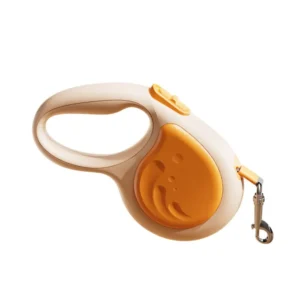 19.6 ft Outdoor Nylon Automatic Retractable Dog Leash – Heavy-Duty Pet Leash for Large and Small DogsMSRP $8.99Login for wholesale pricing
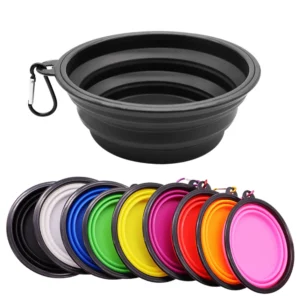 2 Pack Collapsible Silicone Dog Bowls – Portable Pet Food & Water Travel Bowl with CarabinerMSRP $1.78Login for wholesale pricing
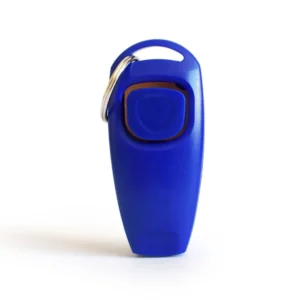 2-in-1 Dog Training Whistle & Clicker – Outdoor Pet Training Device, Factory-Direct Wholesale (MOQ 50)MSRP $2.18Login for wholesale pricing
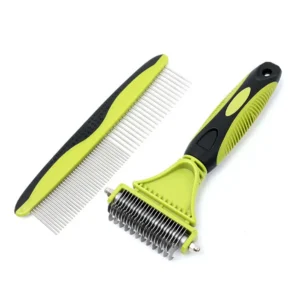 2-in-1 Pet Grooming Comb Set – Dual-Sided Deshedding & Dematting Tools for Dogs and CatsMSRP $6.29Login for wholesale pricing