

Curating a Dog Toy Collection: From Chew Toys to Plush Favorites
Every independent pet store owner knows the feeling: a customer walks in looking for “something fun for my dog,” and within thirty seconds they are overwhelmed by walls of squeakers, ropes, and rubber. Building a dog toy collection that actually sells is not about stocking every SKU on the market—it is about curating a balanced, profitable assortment that serves real dogs with real needs. The Dog Toy Collection Kit was built for exactly this purpose, giving pet-retail buyers a thoughtfully assembled starting point that covers the categories shoppers reach for most. In this guide we will walk through the core toy types, explain why each deserves shelf space, and show you how a smart mix of dog chew toys, plush dog toys, and interactive options can turn a confusing corner of your store into a reliable revenue driver.
Whether you are opening your first shop or resetting a tired toy aisle, the principles below will help you buy with confidence and merchandise with intention. Picture the typical Saturday morning in your store: a regular brings in a nervous rescue puppy, a dad wants a birthday toy for the family lab, and a teen is hunting for a TikTok-famous plush. Three very different shoppers, one toy wall. A curated dog toy collection meets all three without panic because the categories are already there, clearly laid out, and priced to move. We will also point you toward complementary wholesale kits that round out a complete dog department, so your buyers leave with a basket—not a headache.
The good news is that curation is a skill, not a mystery. Below we break the work into repeatable steps: diagnosing your shelf, mapping the dog toy types, weighting each category, and sourcing wholesale dog toys that actually turn. None of it requires a retail degree—just a willingness to think like the dog owner standing in your aisle.

Why a Balanced Dog Toy Collection Sells Better Than a Random Wall
A toy collection is more than a pile of playthings. It is a merchandising system. When a shopper can see clear categories—chew, fetch, plush, puzzle—they make faster decisions and bigger baskets. Retail experience shows that customers who find a logical layout buy more than those who face a jumble of unrelated items. A curated approach also protects your margin: you stock proven movers instead of one-off novelties that gather dust.
Think of your toy section as a funnel. At the entry level, you want everyday value items that bring customers back weekly. In the middle, you want durable, “worth the upgrade” products that build trust. At the top, you want premium puzzles and themed plush that raise the average transaction. The Dog Toy Collection Kit is designed around this layering, so even a small footprint can feel complete.
The cost of an unbalanced shelf
Stores that over-index on one category—say, only plush—often lose the power-chewer customer forever. Conversely, an all-chew wall feels cold and misses gift buyers. Balance is the quiet advantage of a well-run toy collection, and it is far easier to achieve when you start from a kit that already maps the mix for you.
Understanding the Core Dog Toy Types Every Store Needs
Before you place a single order, it helps to speak the language of dog toy types so your team can guide shoppers and your plan-o-grams make sense. Most toys fall into five functional buckets, and a healthy toy assortment should touch all five:
- Chew toys — rubber, nylon, and edible-style chews that satisfy the instinct to gnaw and support dental health.
- Fetch and tug toys — balls, frisbees, ropes, and launchers for high-energy play and bonding.
- Plush dog toys — soft comfort toys, often with squeakers, for gentle play and companionship.
- Puzzle and enrichment toys — treat-dispensers and slow-feed puzzles that engage the mind.
- Comfort and novelty items — themed characters, holiday editions, and crinkle toys that drive impulse buys.
Mapping your assortment to these dog toy types lets you spot gaps quickly. If your shelf has eight plush options and zero puzzle toys, you are leaving the enrichment-minded buyer—a fast-growing segment—on the table. A simple category checklist each quarter keeps your toy assortment honest.
To make that mapping concrete, here is a planning table you can adapt. It pairs each type with a sensible shelf position, a typical margin note, and the buyer job it fulfills. Many retailers find that assigning a “role” to every facing prevents the drift toward random novelty that kills turn.
| Dog Toy Type | Best Shelf Position | Buyer Job It Solves | Turn Signal |
|---|---|---|---|
| Chew toys | Near food & checkout | “My dog needs to gnaw” | High, repeat |
| Fetch & tug | Active/lifestyle end-cap | “We play together” | Medium, seasonal |
| Plush dog toys | Gift & comfort zone | “Something sweet for pup” | High, impulse |
| Puzzle & enrichment | Wellness cross-sell | “Keep my dog busy” | Growing, premium |
| Novelty & holiday | Seasonal feature | “It’s a occasion” | Spike, timed |
Use the table as a reset scorecard: for each type, ask whether you have at least one value, one mid, and one premium option. If a row is empty, that is your next wholesale dog toys order—not a reason to panic, just a clear to-do.
The Power of Dog Chew Toys in Your Assortment

If you stock nothing else, stock dog chew toys. They are the workhorse of any toy assortment because they solve a problem every dog owner has: the urge to chew. Puppies teethe, adults relieve stress, seniors keep jaws busy. Chews also pair naturally with the dental-and-wellness conversation, making them an easy add-on at checkout.
Within chews, variety matters. Durable rubber rings survive aggressive chewers; softer nylon bones suit seniors; edible chews drive repeat purchases because they are consumed. Many retailers find that offering three tiers of dog chew toys—entry value, mid-range durable, and premium long-lasting—captures the widest customer base without overcomplicating inventory.
Our Chew Play Kit (KIT024) is a ready-made assortment of chew-focused favorites that complements the broader Dog Toy Collection Kit perfectly. It bundles proven chewers into one wholesale carton, so you can restock the single most important category in your toy assortment without hand-picking a dozen suppliers. Pairing KIT024 with your plush and puzzle lines creates a shelf that answers “my dog destroys everything” and “my dog is gentle” in the same glance.
Merchandising chews for repeat sales
Place dog chew toys near checkout and near the food aisle, not only in the toy zone. Because many chews are consumable, proximity to routine purchases fuels reorder frequency. A small end-cap of value chews can quietly become one of your highest-turn micro-categories inside the overall toy assortment.
Sizing is the detail that separates a helpful chew wall from a return-generating one. Stock small chews for toy breeds and puppies, medium for the average lab-type, and large/jumbo for power chewers and big breeds. Train your team to ask “how big is your dog and do they destroy things?” before pointing anyone at the shelf. That one question turns a dog chew toys sale into a confident, repeatable purchase instead of a guess that comes back as a return.
Building Plush Dog Toys Into Your Mix
Do not underestimate the humble squeaker. Plush dog toys are the emotional heart of a toy assortment. They make great gifts, they appeal to owners who want comfort items for anxious dogs, and they photograph beautifully for your social feeds. The downside—durability—is also an opportunity: many plush buyers return monthly for replacements, creating a loyal repeat cycle.
A smart plush strategy blends three styles. First, classic characters (ducks, bears, foxes) that everyone recognizes. Second, “tough” plush with reinforced seams for moderate chewers. Third, novelty and holiday plush that create urgency and seasonality. Rotating plush dog toys by season keeps the toy assortment feeling fresh and gives customers a reason to return.
Why plush drives basket size
Plush is the easiest impulse add. A shopper buying a leash will often toss in a $9 plush “for the pup at home.” Because the Dog Toy Collection Kit already includes a plush component, you start with gift-ready inventory instead of a bare bones wall. And if a customer’s dog outgrows plush, your team can cross-sell into the fetch or puzzle categories you have already stocked.
Set a restocking cadence rather than waiting for the bin to empty. Plush dog toys are light, cheap to ship, and easy to over- or under-order, so a simple rule—reorder when the facing drops below half—keeps the shelf looking full without tying up cash. Many retailers also use plush as their “free-gift-with-purchase” lever during slow weeks, which moves slow stock and delights customers at zero extra acquisition cost.
Sourcing Wholesale Dog Toys That Actually Move
Curating is half the battle; sourcing is the other half. Buying wholesale dog toys well means balancing unit cost, minimum order quantities, shipping reliability, and packaging that looks good on a shelf. Independent stores cannot match big-box buying power item by item, which is exactly why kit-based sourcing exists.
When you buy wholesale dog toys through a curated kit, you get a vetting layer you would otherwise have to build yourself: consistent quality, cohesive branding, and a mix that has been assembled with retail turn in mind. That frees you to focus on merchandising and customer relationships instead of supplier spreadsheets. The Shop Wholesale KITs hub lets you compare themed kits side by side and build a dog department that feels intentional rather than accidental.
Mixing kits with open-stock favorites
Kits are a starting engine, not a cage. Many successful stores use the Dog Toy Collection Kit as their anchor and then add a few open-stock hero SKUs—perhaps a local bestseller or a trending puzzle—to personalize the mix. If you want something truly bespoke, you can build your own wholesale kit and select exactly the dog toy types your neighborhood demands.
Watch two numbers above all when sourcing wholesale dog toys: minimum order quantity and landed unit cost. A kit smooths both because the MOQ is bundled into one sensible carton and the per-unit math is already done for you. Open-stock heroes are where you fine-tune, but resist the temptation to chase a dozen micro-suppliers—each adds admin, shipping risk, and a margin leak. A lean supplier list built around kits plus two or three hero vendors is the mature, scalable way to run a dog toy collection.
How the Dog Toy Collection Kit Simplifies Buying
Let us connect the dots. The Dog Toy Collection Kit is a single wholesale purchase that delivers a balanced dog toy collection: chews, plush, fetch, and enrichment in one carton. Instead of negotiating with six vendors, you receive a coherent assortment your team can merchandise the day it arrives. It pairs naturally with our Best-Selling Pet Toy Kit if you want to double down on proven movers, and with the Training & Enrichment Kit for customers who want to train through play.
The Dog Walking Kit (KIT021) is another useful companion: while it centers on walk-time gear, several of its toy assortments overlap neatly with an active toy assortment, giving you crossover inventory that serves both the toy aisle and the leash wall.
A practical reset plan
If your current toy section feels scattered, try this: clear the shelf, lay out the Dog Toy Collection Kit by the five dog toy types we outlined, fill obvious gaps with open-stock chews and plush, and add a small puzzle end-cap. Within a season, many retailers report a tidier, higher-turn toy assortment without adding square footage.
Frequently Asked Questions
How many dog toy types should a small store carry?
You do not need hundreds of SKUs. A focused toy assortment covering five core types—chew, fetch, plush, puzzle, and novelty—with roughly three price tiers each is enough to serve most neighborhoods. The Dog Toy Collection Kit delivers that skeleton in one order, and you can expand into open-stock favorites as you learn local demand.
Are dog chew toys really worth the shelf space?
Yes. Dog chew toys are the most functional, repeat-purchase category in any toy assortment because they solve a universal need and many are consumable. Stocking three tiers (value, durable, premium) captures puppies, adults, and seniors alike, and they cross-sell naturally with dental products.
Do plush dog toys just get destroyed and returned?
Some do, but that is part of the cycle. Plush dog toys drive impulse buys and loyal replacement purchases. Offering “tough” reinforced plush for moderate chewers reduces frustration, while classic plush remains a gift and comfort staple that keeps the toy assortment feeling warm and approachable.
Should I buy wholesale dog toys as a kit or individually?
For most independents, starting with a kit like the Dog Toy Collection Kit is faster, cheaper to manage, and already balanced. You can then layer in open-stock heroes or build your own wholesale kit for local customization once you understand your customers.
How do I keep my toy assortment from going stale?
Rotate plush and novelty by season, watch which dog toy types turn fastest, and refresh the puzzle category quarterly. Using the Shop Wholesale KITs hub to compare fresh assortments makes seasonal resets painless.
Conclusion
A profitable dog toy collection is not built by accident—it is curated with intention across the dog toy types that real dogs and real owners reach for every day. By balancing dog chew toys, plush dog toys, fetch, and enrichment, and by sourcing smart wholesale dog toys through a kit that already does the hard mixing for you, you turn a confusing aisle into a dependable revenue engine. Companion assortments like the Chew Play Kit (KIT024) and Dog Walking Kit (KIT021) let you extend the logic without starting from scratch.
Ready to reset your toy wall with a balanced, retail-ready mix? Explore the Dog Toy Collection Kit today, or browse the Shop Wholesale KITs hub to assemble a complete dog department—and if you need something tailor-made, build your own wholesale kit in minutes.
Shop the matching wholesale KIT
Shop these pet categories
Wholesale pricing, no minimum order.
Related wholesale collections
Products mentioned here
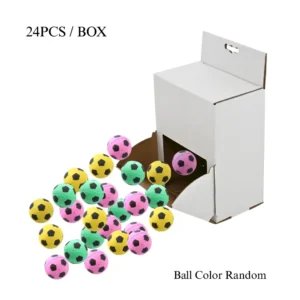 24-Pack Cat Toy Balls – Soft Latex Foam Soccer Ball Toys for Cats, Interactive Chase & Self-Play, Wholesale Pet SuppliesMSRP $8.89Login for wholesale pricing
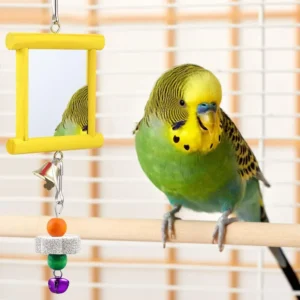 4-Pack Acrylic Parrot Toys with Mirror & Beak Grinding Accessories – Colorful Bird Cage Toys for Parrots and CockatielsMSRP $5.89Login for wholesale pricing
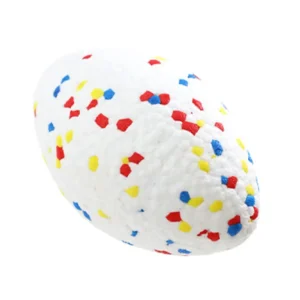 5 Inch Durable Rugby Floating Dog Ball – Chew & Fetch Water Toy for DogsMSRP $4.29Login for wholesale pricing
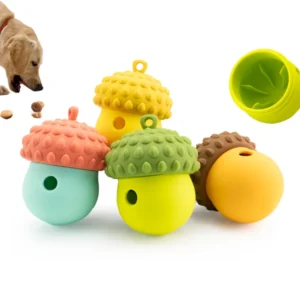 Berry-Shaped Silicone Dog Treat Dispensing Slow Feeder Toy – Durable Chew & Interactive Training Ball(MOQ 24)MSRP $3.56Login for wholesale pricing