Dog Apparel Wholesale Guide: How to Choose Best-Selling Seasonal Items?
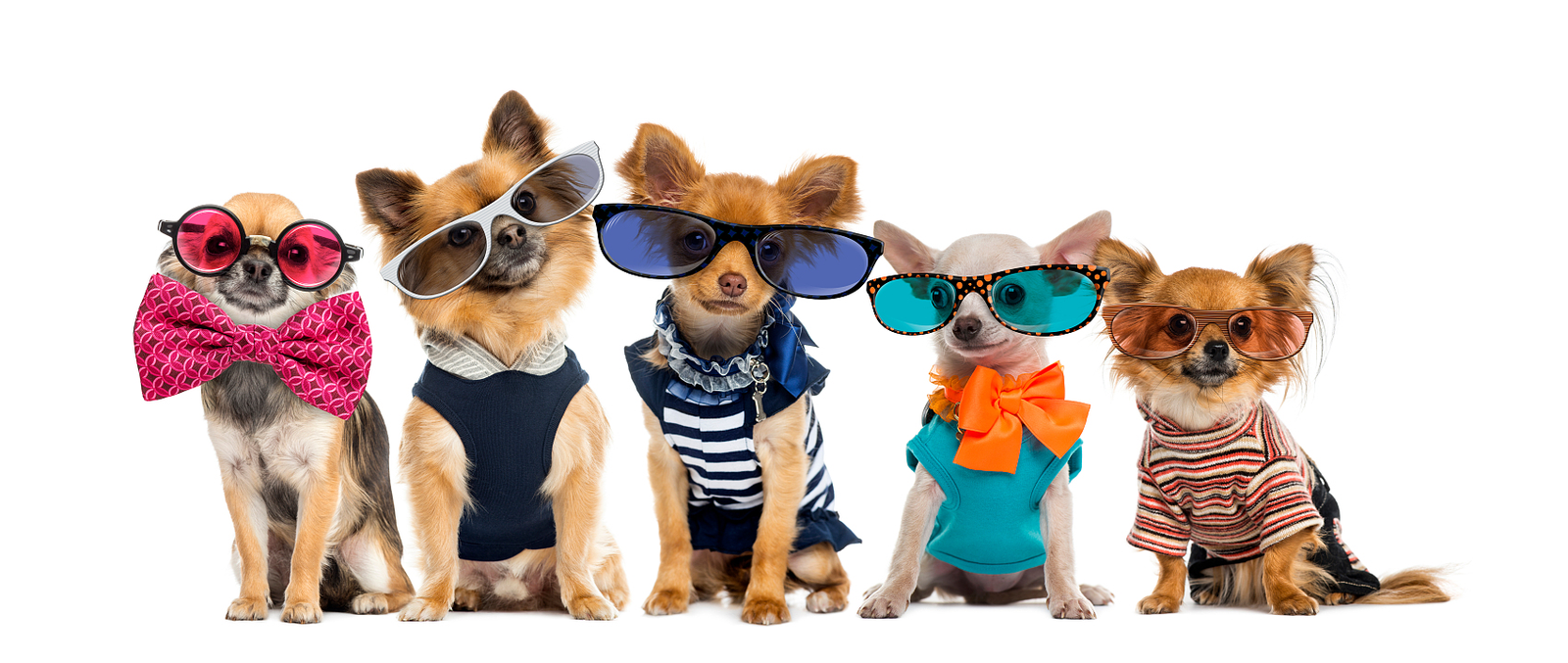
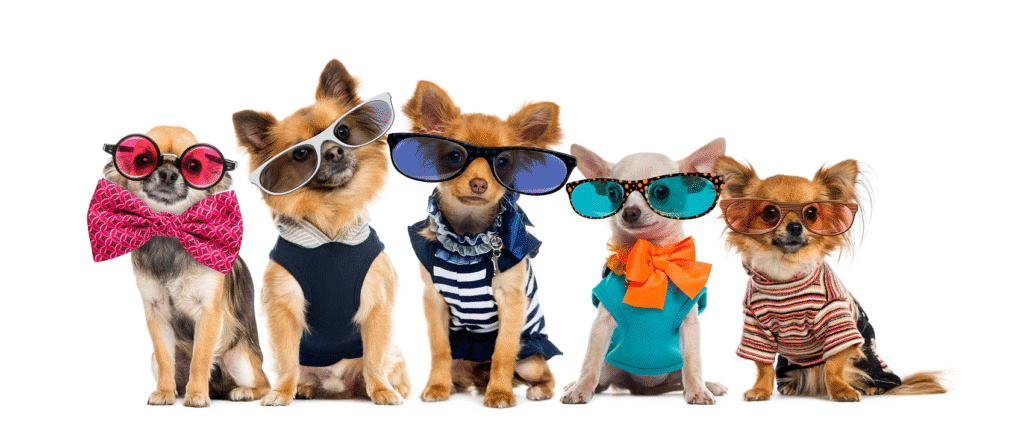
In recent years, dog apparel has evolved from a niche category to a mainstream pet retail trend across Europe and North America. As pet humanization grows, dog clothing has become both a fashion statement and a functional necessity. For small pet store owners, online retailers, and wholesalers, understanding how to select seasonal best-sellers can boost sales and improve inventory turnover.
This guide covers the latest market trends, popular apparel categories, seasonal buying patterns, wholesale sourcing tips, and merchandising strategies to help you stock dog apparel that truly sells.
Market Trends Driving Dog Apparel Sales
The Rise of Pet Humanization
Pets are increasingly seen as family members. This emotional bond drives demand for dog clothes that blend comfort and style.
- Pet owners want apparel that provides warmth, weather protection, and eye-catching design.
- Social media platforms like Instagram boost interest with viral pet fashion trends.
Seasonal Buying Behavior
Dog apparel sales are strongly seasonal:
- Fall/Winter: Sweaters, coats, hoodies, and boots are hot sellers.
- Spring: Lightweight jackets and transitional apparel gain traction.
- Summer: Cooling vests and UV-protective shirts become popular.
- Holidays & Events: Christmas sweaters, Halloween costumes, and other themed outfits see spikes.

Key Dog Apparel Categories for Wholesale
Cold Weather Apparel
- Fabrics: Fleece, cotton blends, quilted materials, down.
- Features: Easy to wear, adjustable straps, insulated lining.
- Sizes: Offer from XS to XL to cover a broad range of breeds.
Rain Gear and Outdoor Protection
- Waterproof coats and ponchos for rainy days.
- Jackets with reflective strips for nighttime safety.
- Foldable designs for convenience.
Fashion Apparel and Event Wear
- Casual hoodies, graphic tees, dresses, and skirts.
- Holiday and event costumes for social media-friendly buyers.
- Good for impulse buys and promotional campaigns.
Functional Dog Clothing
- Cooling vests for heat-sensitive breeds in summer.
- Surgical recovery suits as alternatives to cones.
- Bug-repellent shirts for outdoor seasons.
How to Choose Wholesale Best-Sellers
Understand Your Target Customer
- Urban pet owners tend to buy stylish and trendy apparel.
- Suburban or rural customers prioritize function and durability.
Analyze Social Media Trends
Follow pet influencers and hashtags (#dogfashion, #petstyle) to identify emerging trends.
Stock Seasonal Staples and Trendy Items
- 80% core staples (sweaters, raincoats, hoodies).
- 20% trend-driven or experimental SKUs.
Size Inclusivity
Provide sizes from toy breeds (XS) to larger dogs (XL) to avoid losing sales.
Benefits of Wholesale Through Manufacturer-Direct Platforms
Using platforms like justforpetstore.com offers:
- Low minimum order quantities (MOQs) for small-batch purchasing.
- Factory-direct pricing to improve margins.
- Fast restocking to keep up with seasonal demand.
Tips to Boost Dog Apparel Sales
In-Store Merchandising
- Create clear seasonal sections (e.g., “Winter Essentials”).
- Cross-sell apparel with collars, leashes, and pet accessories.
Online Presentation
- Use high-quality images and videos showing apparel on pets.
- Demonstrate how easy products are to wear and remove.
Promotional Campaigns
- Offer holiday bundles and discounts like “Buy 2, Get 1 Free.”
- Use email marketing to announce new seasonal arrivals.
Conclusion
Wholesale dog apparel is a high-margin product category driven by seasonal demand and social media trends. By combining classic staples with trendy pieces, retailers can maintain steady sales while capitalizing on viral hits. Manufacturer-direct platforms like justforpetstore.com empower small pet stores and online sellers with affordable, flexible sourcing options.
👉 Start sourcing seasonal dog apparel today at petbw.com and stay ahead in pet retail!
A Seasonal Apparel Calendar
Apparel demand is rhythmic. Plan the year so shelves shift before customers ask:
- Q1 (post-holiday, winter): recovery suits, sweaters, cozy hoodies.
- Q2 (spring): light raincoats, allergy-friendly tees.
- Q3 (summer): cooling vests, UV-protective shirts.
- Q4 (holiday): costumes, giftable sets, festive knitwear.
Size Chart Guidance That Sells
Publish a visible size guide and train staff to measure. A simple ladder—XS (toy), S, M, L, XL—covers most breeds. Note breed examples on the hangtag to reduce returns.
Fabric Types and When to Use Them
| Fabric | Use | Care |
|---|---|---|
| Cotton blend | Everyday tees, hoodies | Machine wash |
| Mesh | Summer, breathable | Hand wash |
| Neoprene | Cooling, water play | Wipe clean |
| Stretch knit | Recovery, comfort | Gentle cycle |
Photography That Converts
- Show the garment on a real pet, not flat.
- Capture the “easy on/off” moment.
- Use consistent lighting so the catalog looks premium.
- Add a lifestyle shot for social sharing.
Frequently Asked Questions
What apparel has the best margin?
Seasonal costumes and branded staples both do well; costumes spike volume, staples drive repeat purchase.
How do I avoid overstock on trendy pieces?
Keep trendy SKUs at ~20% of the mix and use low-MOQ ordering so you can ride a viral moment without a warehouse of leftovers.
Should I carry plus-size dog apparel?
Yes—large-breed owners are underserved and loyal; XL and adjustable fits capture that demand.
Related Guides
Combine apparel with leash & harness guidance and the wholesale KIT catalog for complete walk-time displays.
Breed-Specific Merchandising
Match the wall to the neighborhood. In apartment-heavy areas, small-breed apparel and lightweight harnesses dominate. In suburbs with big backyards, cooling vests and durable outerwear sell. A simple breed-size poster at the rack helps owners self-select and cuts returns.
Custom and Private-Label Apparel
Apparel is the easiest category to make store-exclusive. A low-MOQ private-label run—your logo on a best-selling hoodie or a holiday set—creates margin you control and a product shoppers can’t price-check. It’s a trend play with a moat.
A Returns and Sizing Policy That Builds Trust
- State the size ladder prominently online and in-store.
- Offer exchange (not refund) for unworn apparel within 14 days.
- Use returned items as demo stock rather than writing them off.
Social Commerce for Apparel
Apparel is the most shareable pet category. Encourage customers to tag your shop; repost the best fits; run a monthly “pet of the month” in a signature item. Each post is free discovery that feeds the shelf.
More Frequently Asked Questions
Which apparel SKU should I always keep in stock?
A neutral everyday sweater or tee in XS–XL—it’s the baseline every owner needs and rarely returns.
How do I price premium apparel?
Anchor to value (comfort, photo-worthiness, exclusivity), not just cost; private-label supports a higher floor.
Is custom apparel worth the MOQ?
If you have a loyal local base, yes—even 50 units can sell through seasonally and build brand equity.
Dress the Aisle for Every Season
Combine apparel with leash & harness guidance and the wholesale KIT catalog for complete walk-time displays.
Wash-and-Care Labels That Reduce Returns
Print care clearly on the hangtag: fabric, wash temp, dry method. A customer who knows a knit needs a gentle cycle is less likely to ruin it and blame the store. Care clarity is a silent return-reducer.
A Holiday Gifting Strategy
Apparel is the easiest pet category to gift. Stock gift-ready sets in October, merchandise near checkout, and offer a “gift message” option. Bundle a bandana or bow with a sweater for an instant upsell.
Copy That Helps Owners Measure
Publish a one-line fit tip per product: “Fits 10–20 lb small breeds; measure chest behind front legs.” Put it on the rack card and the product page. The fewer guesses, the fewer returns.
More Frequently Asked Questions
What’s the best giftable apparel SKU?
A festive sweater or themed set in XS–XL—broad appeal, easy to wrap, photo-friendly.
How do I merchandise apparel for impulse buys?
Near checkout, in a themed display, with a mirror so owners can picture their pet in it.
Which fabric is lowest-maintenance?
Cotton blends—machine washable and forgiving, ideal for everyday staples.
Dress Every Season with Confidence
Combine apparel with leash & harness guidance and the wholesale KIT catalog for a complete walk-time wall.
A Season-by-Season Merchandising Blueprint
Apparel lives and dies by timing. A practical blueprint:
- Winter: sweaters, hoodies, recovery suits, booties—lead with warmth and comfort.
- Spring: light raincoats, allergy-friendly tees, pastel sets for gifting.
- Summer: cooling vests, UV shirts, breathable mesh—lead with safety and heat.
- Autumn: flannel, themed costumes teaser, back-to-routine basics.
- Holiday: costumes, gift sets, festive knitwear at checkout.
Private-Label Apparel in Practice
A low-MOQ private-label run might be 50 hoodies with your logo. Costs a bit more per unit, but you control price, you’re unprice-checkable, and loyal customers become walking billboards. Start with one hero SKU; expand only after it reorders.
The Returns Math
Apparel return rates sink when fit is clear. A visible size ladder + a 60-second in-store measure cuts returns enough to fund the next season’s buy. Treat returns data as buying signal, not just cost.
Final Word
Dog apparel is the most emotional, most shareable, and most margin-rich category on the shelf—when merchandised with rhythm and fit confidence. Combine it with leash & harness guidance and the wholesale KIT catalog for a complete walk-time wall.
Key Takeaways for Apparel Buying
- Plan the year 8–10 weeks ahead; merchandise by season.
- Carry XS–XL; publish a visible size ladder to cut returns.
- 80% staples, 20% trend; use low MOQ for the trend slice.
- Private label turns a commodity into a store-exclusive line.
- Apparel is the most shareable category—fuel it with social.
One More Question
What’s the safest first apparel buy?
A neutral everyday sweater or tee in XS–XL. It’s the baseline every owner needs, rarely returns, and anchors the rest of the wall.
Next step: combine apparel with leash & harness guidance and the wholesale KIT catalog.
A Closer Look: Apparel as the Store’s Personality
No other category lets a pet store express a point of view like apparel does. A shop that curates playful, photo-ready outfits becomes a destination; one that stocks only generic sweaters becomes interchangeable. Use apparel to tell a story—seasonal themes, local breed pride, or a signature color—and customers start visiting for the look, not just the leash. That identity drives word-of-mouth and social tags that no ad budget can buy. The risk is over-curation: keep staples broad and trend pieces tight so the wall feels edited, not chaotic. Apparel is where a small store can out-charm a big-box competitor that only optimizes for price.
Turning Fitting Into a Service
Offer a “fit appointment” or a weekend fitting station and apparel becomes a service, not just a SKU. Owners who bring their dog in for a proper fit are far more likely to buy and to return. It’s a low-cost differentiator that builds loyalty and surfaces other needs—collars, tags, training gear—in the same visit. Document the fit on a card per customer so reorders are effortless. Over time, that service layer is what keeps apparel margin healthy despite online competition.
Stocking for the Whole Year
Resist the urge to over-buy any single season. A balanced apparel wall carries enough staples to satisfy year-round demand and just enough trend to feel current. Review the seasonal calendar quarterly, rotate the display, and let low-MOQ ordering keep the trend slice fresh without risk. Pair with the leash & harness guide and the wholesale KIT catalog for a complete walk-time destination.
Sustainability in Pet Apparel
Buyers increasingly ask where apparel comes from. Stocking recycled-fiber basics and certified-dye items answers that question and supports a premium. You don’t need a full eco line—two or three hero SKUs with a clear story give conscious owners a reason to choose your shelf over a faceless marketplace. Tell the story on the hangtag; it converts values into sales.
Closing Thought
Dog apparel is the most emotional, shareable, margin-rich category on the shelf. Merchandise it with rhythm and fit confidence, and pair it with leash & harness guidance and the wholesale KIT catalog for a walk-time wall that sells itself.
A Quick Apparel Sizing Reference
Keep this at the rack to cut returns and speed the sale: XS fits toy breeds under 10 lb (Chihuahua, Yorkshire); S fits 10–20 lb (Mini Poodle, Shih Tzu); M fits 20–40 lb (Beagle, Bulldog); L fits 40–70 lb (Labrador, Boxer); XL fits 70 lb+ (Golden, Mastiff). Always measure chest girth behind the front legs and back length from neck to tail base, and size up if between numbers. Print the ladder on a poster and on each hangtag so owners self-select confidently—every avoided return is margin you keep. Pair the reference with the leash & harness guide for a complete fit station.
Ready to stock these ideas? Browse wholesale pet KITs →
Shop these pet categories
Wholesale pricing, no minimum order.
Related wholesale collections
Products mentioned here
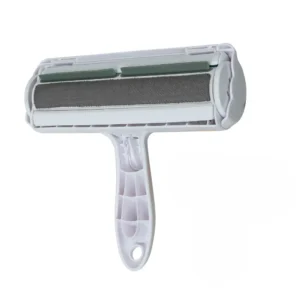 Bulk Pet Fur Remover | Washable Lint Roller for Clothes & FurnitureMSRP $5.29Login for wholesale pricing
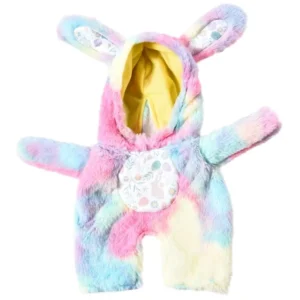 Easter Bunny Dog Costume – Colorful Plush Hooded Outfit for Small Pets | Wholesale Pet ApparelMSRP $4.39 – $5.29Login for wholesale pricing
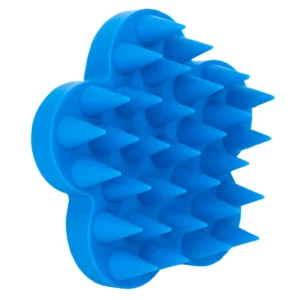 Flower-Shaped Silicone Pet Brush for Wet & Dry Coat Grooming (MOQ 40)MSRP $2.98Login for wholesale pricing
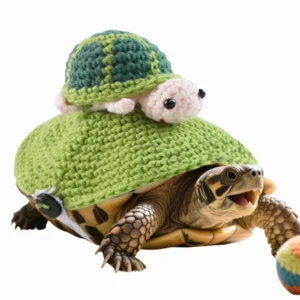 Hand-Knitted Turtle Outfit – Cute Knit Clothes for Small Pets | Wholesale SupplyMSRP $5.47 – $6.19Login for wholesale pricing