

Dog Dental Health: Chews, Toys and Bowls That Protect Teeth
Walk into almost any independent pet store today and you will hear the same question from a worried dog owner: “What can I give my dog to keep his teeth clean between vet visits?” The demand for at-home oral care has moved from a niche shelf into one of the fastest-growing corners of the wellness aisle. For retailers, that is good news — but only if the shelf is stocked with the right mix. The single most requested category in this space is dog dental toys, and savvy buyers are pairing them with dental chews and smarter feeding setups to build a complete routine. In this guide we break down how pet-store owners can merchandise dental wellness profitably, using the real wholesale items inside our Dental & Joint Wellness Kit as a working example. Whether you run a single neighborhood shop or supply several accounts, the strategy below will help you turn a vague “my dog has bad breath” complaint into a repeat-purchase habit.
Why Dental Health Belongs on the Wellness Aisle
Dental disease is, quietly, one of the most common health issues veterinarians flag during routine checkups. Many retailers find that customers only think about dental health once they notice odor or tartar, which means the education opportunity is wide open. A well-built wellness aisle does the teaching for you: it shows the shopper that oral care is not a one-off product but a daily practice, much like feeding or walking. When you frame dental as prevention rather than treatment, you shift the conversation from “something is wrong” to “I want to keep my dog healthy,” and that framing keeps customers coming back month after month.
From a merchandising standpoint, dental is also one of the few categories where the entry product is inexpensive and the replacement cycle is short. A dog dental chew lasts days, not months. A rubber chew toy wears out and gets traded up. A bowl is a considered purchase but a natural add-on. Stack those three together and you have a basket that replenishes itself — exactly the kind of recurring revenue that independent stores need to compete with big-box chains and online marketplaces.
Seasonality adds another layer. Dental sells steadily all year, but it spikes around two moments: puppy season in spring, when new owners are building routines, and the winter holidays, when shoppers buy “gifts for the family dog.” A store that plans inventory around those peaks — and keeps a standing wholesale reorder so it never runs dry — captures demand that competitors lose to stock-outs. Many retailers find that simply having a visible, well-lit dental section year-round trains customers to think of the store first when the dog’s breath reminds them it is time to restock.
Choosing the Right Dog Dental Toys for Every Chewer
Not all dog dental toys are created equal, and matching the toy to the dog is the difference between a five-star review and a returned product. We group chewers into three broad profiles so your staff can recommend with confidence:
- Light nibblers — small breeds and seniors who need gentle, flexible surfaces that massage gums without stressing worn teeth. Soft silicone nubs and light-textured rings work best here.
- Moderate chewers — the average adult dog. Mid-density rubber with ridged channels scrubs the gum line while standing up to daily use.
- Power chewers — heavy breeds and determined puppies. These dogs need dense, reinforced shapes and treat-dispensing designs that survive abuse and keep them engaged.
The reason texture matters is simple biomechanics. When a dog gnaws, the contact points between toy and tooth act like a toothbrush, disrupting the soft film (plaque) that hardens into tartar. A toy with varied ridges reaches more surfaces than a smooth ball. Many retailers find that demonstrating this on the shelf — letting a customer feel the ridges — converts browsers into buyers far better than a printed claim.
When you stock the Dental & Joint Wellness Kit, the Chew Play Kit (KIT024) pairing of dental chews plus raised bowls gives you an instantly shoppable story: chew, play, feed, repeat. That narrative is easier for your team to sell than three disconnected SKUs.

Dog Dental Chews: The Daily Habit That Drives Repeat Purchases
If toys are the education layer, dog dental chews are the engine of repeat sales. A chew is consumed, which means it must be replaced — and a dog that enjoys the flavor will remind the owner to buy more. The smartest stores treat chews as a subscription-style habit they can encourage in person: “One after dinner, every night” is a routine customers actually stick to.
When selecting chews for wholesale, look for a few non-negotiables. The chew should be sized to the dog (a chihuahua and a mastiff need different formats), it should be digestible rather than rawhide-adjacent where possible, and it should carry a clear “daily” message on the pack so the owner understands frequency. Inside the Chew Play Kit (KIT024), the dental chews are packaged to sit next to the play items, which nudges the “toy plus chew” bundle your staff can recommend as a starter kit for new puppy owners.
One merchandising tip worth repeating: place chews at eye level near the checkout or in the impulse zone. Oral care is an easy add-on when the shopper is already holding a basket. Industry experience shows that a small, well-lit dental end-cap near the register outperforms a wide but invisible shelf buried in the back wall.
Bowls and Feeding Setup That Support Dog Teeth and Gums
The third pillar of a dental wellness display is often the most overlooked: the bowl. Raised feeding bowls change the angle of a dog’s head and neck, which can reduce gulping and the excess air that contributes to digestive discomfort — but more importantly for this article, they make the daily feeding moment a natural place to reinforce the dental routine. When the bowl sits beside the chew and toy, the owner builds one consolidated “wellness station” at home.
The Chew Play Kit (KIT024) includes raised bowls precisely because they round out the routine. A customer who came in for a dog dental toy leaves with a chew, a toy, and a bowl — three categories, one trip, and a reason to return for refills. For senior dogs especially, an elevated bowl reduces strain, which ties neatly into the joint-wellness side of the same kit (more on that in our companion article).

Reading the Label: What to Look for Before You Stock
Not every product labeled “dental” earns the claim. Before you commit wholesale shelf space, train your buyers (and your staff) to scan three things on the pack. First, look for mechanical action language — terms like “ridged,” “textured,” or “scrubs” tell you the item actually does something to the tooth surface, rather than merely freshening breath with flavoring. Second, check the sizing guidance. A toy or chew that only comes in one size forces you to turn away half your customers; a line with small, medium, and large options covers the whole breed range. Third, confirm the safety story: is the material non-toxic, and is the chew digestible rather than a choking risk?
This label discipline protects your store’s reputation. A customer who buys a poorly made dog dental toy and watches it shred in an afternoon will blame your shelf, not the brand. By curating to a trusted assortment — such as the vetted items inside the Dental & Joint Wellness Kit — you become the knowledgeable source customers trust, which is the real moat against online competition. The extra five minutes of label reading at the buying stage pays back in returns avoided and loyalty earned.
Building a Dental Display With the Chew Play Kit (KIT024)
A scattered shelf tells a scattered story. A themed display tells a profitable one. Here is a simple layout many retailers find effective when building out a dental end-cap around the Chew Play Kit (KIT024):
| Shelf Zone | Product | Role in the Routine |
|---|---|---|
| Eye level | Dog dental toys (moderate chewers) | Education + impulse add-on |
| Mid shelf | Dog dental chews (daily) | Repeat-purchase engine |
| Lower shelf | Raised bowls from KIT024 | Considered add-on / gift |
| End cap card | Bundle pricing note | Up-sell to full kit |
Use a sign that answers the owner’s question before they ask it: “Which one is right for my dog?” A simple chewer-profile chart does the heavy lifting. And because the Dental & Joint Wellness Kit already groups these items, your ordering and restocking stay simple — one purchase order covers the whole story.
How Dental Ties Into Broader Wellness
Oral care rarely lives alone in a customer’s mind. The same shopper asking about dog teeth is often also thinking about digestion, weight, and mobility. That is why a dental display naturally cross-sells into adjacent kits. For stores building a full wellness wall, the Slow Feeding & Wellness Kit pairs beautifully with dental: slow feeders reduce gulping while raised bowls support posture, and the messaging reinforces “feed smarter, chew cleaner.”
If a customer wants a fully customized mix — say dental chews plus a joint supplement plus a slow bowl — you can point them to the Build-Your-Own Wholesale Kit, where accounts assemble exactly the assortment their neighborhood demands. And when buyers want to browse the entire wholesale catalog of themed bundles, the Shop Wholesale KITs hub is the place to start. Dental is the hook; the rest of the catalog is the long-term relationship.
Merchandising Tips for Independent Retailers
Finally, a few practical habits that separate a dental shelf that sells from one that collects dust:
- Demo, don’t just display. Keep one dog dental toy out of the box so customers can feel the ridges. Touch converts.
- Bundle with a purpose. “Toy + chew + bowl” starter bundles move faster than singles, and they raise average order value.
- Educate at the register. A small card about why oral care matters turns a one-time buyer into a routine buyer.
- Seasonal tie-ins. Dental makes a great gift angle during the holidays — pair it with festive items from the Holiday Celebration Kit for a themed end-cap.
- Track refills. Note which customers buy chews monthly and suggest a standing wholesale reorder so you never stock out.
Frequently Asked Questions
Do dog dental toys actually clean teeth, or are they just for fun?
They do both. The textured surfaces of a well-designed dog dental toy mechanically disrupt plaque along the gum line as the dog chews, much like a gentle toothbrush. They are not a replacement for professional cleanings, but as a daily maintenance tool they genuinely support oral care between vet visits — and they keep the dog engaged, which is why owners keep buying them. The key is regular use: a toy chewed for ten minutes every day does far more than one ignored for a week. Encourage customers to rotate two or three toys so the dog stays interested, and remind them that the toy is prevention, not a cure for established disease.
How often should a dog get a dental chew?
For most dogs, one appropriately sized dental chew per day is the standard routine retailers recommend. The key is consistency: a daily chew builds a habit the owner remembers, which is also what keeps your wholesale reorder cycle healthy. Always match the chew size and density to the dog’s breed and chewing style — a chew that is too small is a choking risk, while one too large may go untouched. Many stores print a simple “one a day” reminder on the shelf card so the message reaches the owner at the moment of purchase.
Are raised bowls really part of dental health?
Raised bowls are not a cleaning tool, but they are part of the broader wellness routine that supports dental care. By improving feeding posture and reducing gulping, they make the daily feeding moment a natural anchor for the chew-and-toy habit. Inside the Chew Play Kit (KIT024), the raised bowl is what turns three separate purchases into one cohesive “wellness station” at home. For senior dogs especially, the posture benefit is real: less neck strain at every meal means a calmer, more comfortable dog — and a customer who associates your store with that comfort.
Which dogs should avoid certain dental toys?
Power chewers can crack weak toys and risk swallowing pieces, so they need dense, reinforced designs. On the other end, seniors with worn or sensitive teeth need soft, flexible surfaces that massage rather than scrape. Matching the toy to the chewer — the three-profile method above — is the safest and most profitable approach for your store. When in doubt, recommend a supervised first session and suggest the owner trade up to a tougher format if the dog shows signs of destroying the toy quickly. That guidance builds trust and reduces returns.
Can I mix dental items with other wellness products in one order?
Absolutely. The Dental & Joint Wellness Kit already combines dental and joint items, and if you want a custom assortment you can use the Build-Your-Own Wholesale Kit to mix chews, bowls, and supplements however your customers prefer. Many retailers find a tailored mix outsells a fixed one because it matches the specific demographics of their neighborhood — a suburban store with lots of large breeds will want more power-chewer toys, while an urban shop may lean toward small-breed formats. Either way, dental is the anchor that makes the rest of the basket feel coherent.
Conclusion
Dental wellness is one of the clearest win-win categories in the pet store: customers get healthier, happier dogs, and retailers get a short replacement cycle that builds loyalty. By leading with dog dental toys, reinforcing the habit with daily dog dental chews, and completing the routine with raised bowls from the Chew Play Kit (KIT024), you create a shelf that teaches, sells, and reorders itself. The Dental & Joint Wellness Kit gives you that story in one wholesale bundle — so your team can spend less time explaining and more time closing. Explore the full kit today, or browse the Shop Wholesale KITs hub to build the wellness wall your neighborhood is asking for.
Shop the matching wholesale KIT
Shop these pet categories
Wholesale pricing, no minimum order.
Products mentioned here
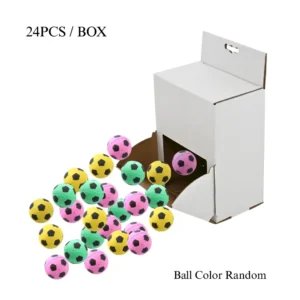 24-Pack Cat Toy Balls – Soft Latex Foam Soccer Ball Toys for Cats, Interactive Chase & Self-Play, Wholesale Pet SuppliesMSRP $8.89Login for wholesale pricing
 4-Pack Acrylic Parrot Toys with Mirror & Beak Grinding Accessories – Colorful Bird Cage Toys for Parrots and CockatielsMSRP $5.89Login for wholesale pricing
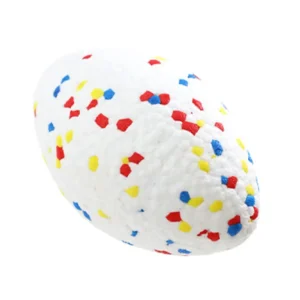 5 Inch Durable Rugby Floating Dog Ball – Chew & Fetch Water Toy for DogsMSRP $4.29Login for wholesale pricing
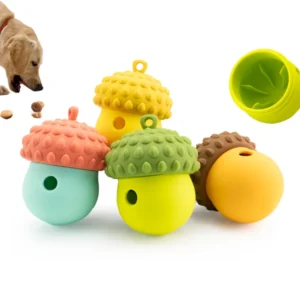 Berry-Shaped Silicone Dog Treat Dispensing Slow Feeder Toy – Durable Chew & Interactive Training Ball(MOQ 24)MSRP $3.56Login for wholesale pricing