
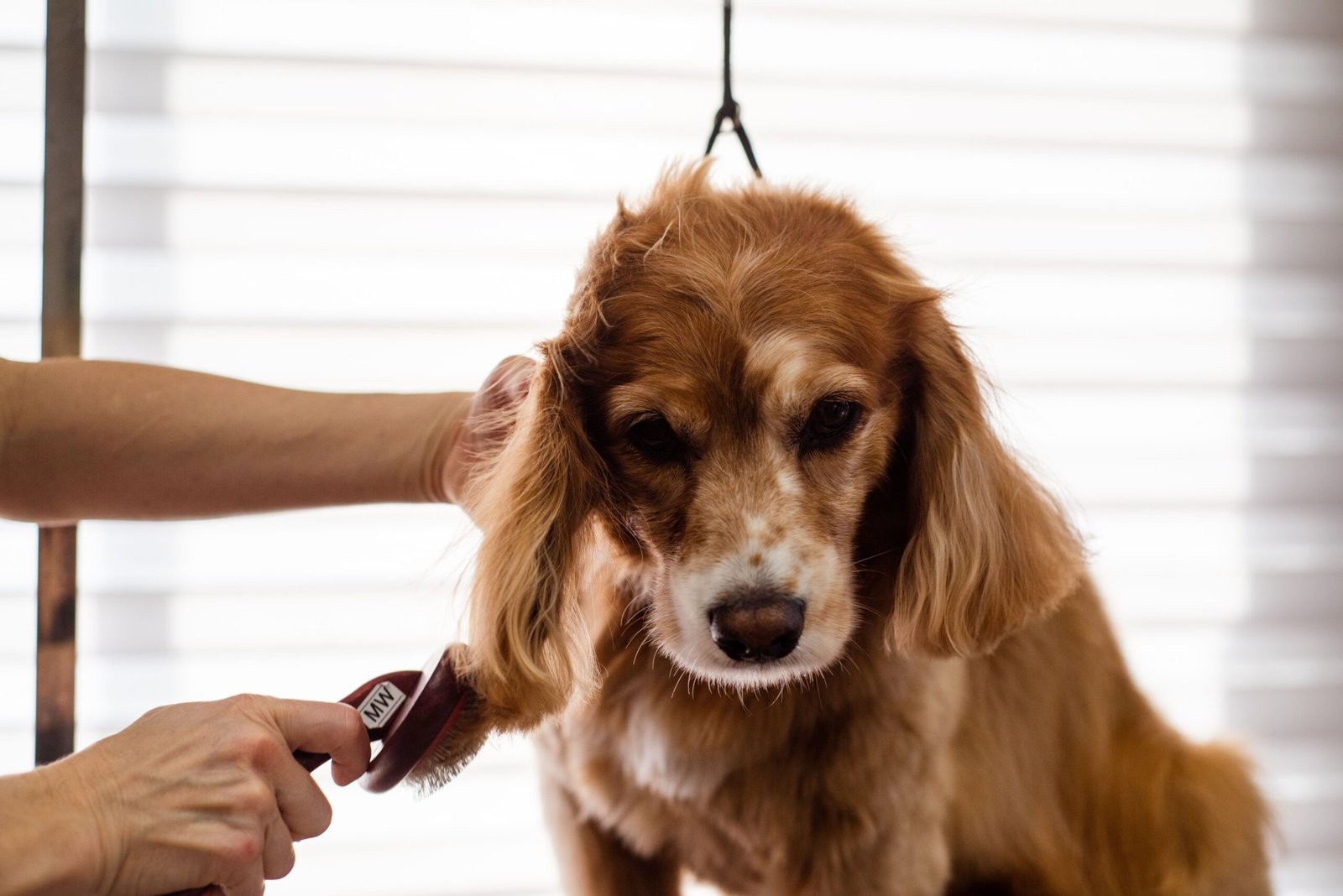
Dog Grooming Brushes Explained: Which Type Sells to Which Customer
If you run a pet store, few categories punch above their weight like dog grooming brushes. They are small, affordable, and bought on impulse — yet they solve a problem every dog owner faces weekly. The trick is knowing which brush to put in front of which customer. Stock the wrong mix and you watch dust collect on slicker brushes while de-shedding tools fly off the shelf in spring. Get it right and brushes become your quietest, most reliable repeat purchase. In this guide we break down the main brush families, explain the coat types they suit, and show you how to merchandise them so the right tool finds the right owner. For stores that want a pre-built assortment, the Professional Grooming Kit bundles the best sellers together.
Brushes are also the perfect entry point into the wider grooming conversation. A customer who buys a brush today is a customer who may book a bath next month and buy a clipper set the month after. Treat the brush wall as the front door to your entire wholesale pet kits range, not as a standalone aisle.
One reason brushes convert so reliably is that the purchase is low-risk. A ten-dollar slicker feels like a tiny experiment, not a commitment, so owners who would never buy a clipper on impulse will gladly try a brush. That low friction is exactly what makes the category ideal for new stores testing the grooming waters. You can stock a credible brush wall for a fraction of what a full bathing setup costs, learn your local coat mix from real sales data, and then reinvest those early wins into bigger pet grooming wholesale buys once you know what turns. Think of brushes as the cheapest market research you will ever run — every sale tells you something about the dogs in your neighborhood.
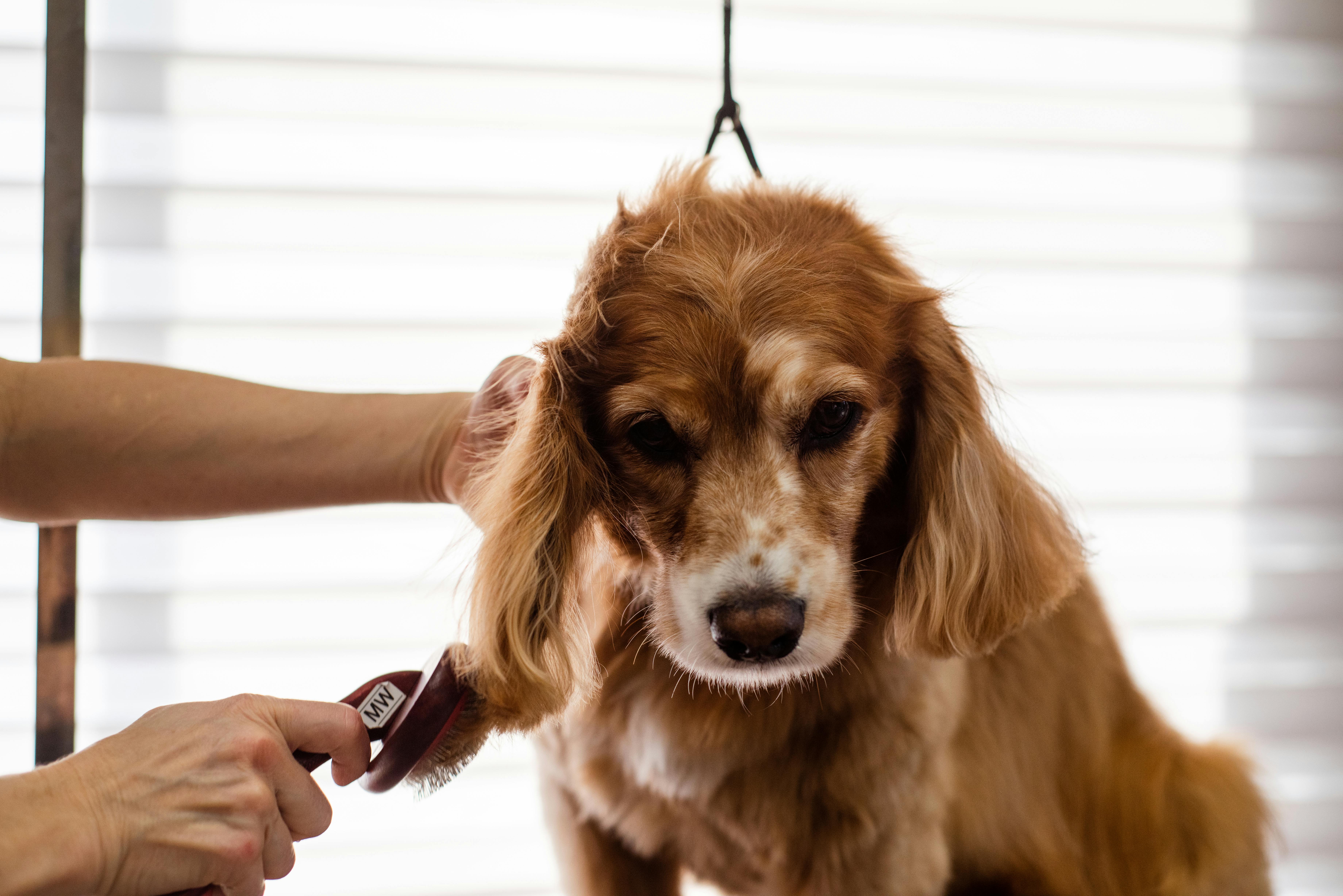
Why Dog Grooming Brushes Are Your Best Retail Hero Product
A hero product is something every customer needs, understands quickly, and repurchases without thinking. Dog grooming brushes check all three boxes. Unlike a complex electric clipper, a brush needs no instruction manual and no fear of “doing it wrong.” That lowers the barrier to a first purchase and opens the door to education: once you explain why a slicker brush differs from a bristle brush, you have earned trust that converts to bigger baskets.
Many retailers find that brushes also smooth out seasonal sales dips. Food and toys spike around holidays; brushes sell steadily all year, then surge during shedding season. Industry experience shows that a well-labeled brush wall can carry floor traffic through the slow weeks when other categories lag. Best of all, brushes are light and cheap to ship, which keeps your pet grooming wholesale freight costs low compared with bulky tubs or crates.
The Four Brush Families You Actually Need
- Slicker brush — fine, angled wires for undercoat and tangles.
- Bristle brush — soft natural or synthetic bristles for shine.
- De-shedding tool — bladed edge that lifts loose undercoat.
- Comb — stainless teeth for detail and mat checking.
Master these four and you can serve almost every dog that walks through your door. The sections below go deeper on the three that drive the most retail talk: the slicker, the bristle, and the de-shedding tool.
The Slicker Brush: The Everyday Workhorse
The slicker brush is the tool most groomers reach for first. Its bed of fine, slightly bent wires grabs loose undercoat and breaks up small mats without cutting the topcoat. For curly and double coats — poodles, doodles, retrievers — it is effectively mandatory. Customers with these breeds will buy a slicker on your recommendation and come back for a second when the first wears out.
Merchandise slickers at eye level in your highest-traffic grooming slot. Stock at least two sizes: a small head for faces and paws, and a large head for bodies. Many retailers find that pairing a slicker with a matching comb — “buy both, brush then comb” — lifts attach rate noticeably. The Professional Grooming Kit includes slicker-and-comb pairing as a default, which is one reason stores like the bundle.
Who Buys the Slicker
- Owners of doodles, poodles, and spaniels who fight tangles weekly.
- Groomers restocking a consumable that wears with use.
- First-time puppy owners building a starter brush kit.
The Bristle Brush: Finishing and Shine
Where the slicker works beneath the coat, the bristle brush works on top. Soft bristles distribute the skin’s natural oils, lift surface dust, and leave a glossy finish that photographs well — which matters more than you think, because owners love posting a shiny dog. Bristle brushes suit short, smooth coats (boxers, bulldogs, beagles) and are gentle enough for daily use.
Position bristle brushes next to your slickers but label them clearly as “finishing” tools. The confusion between the two is the most common reason for returns. A simple shelf card — “Slicker = de-tangle, Bristle = shine” — cuts customer frustration and builds your reputation as a helpful store. Because bristle brushes are inexpensive, they also make an ideal add-on at the register, especially when bundled with a Walking Essentials Kit for the customer buying a leash.
The De-Shedding Tool: Shedding-Season Best Seller
The de-shedding tool is your seasonal superstar. With a fine-toothed bladed edge, it reaches the undercoat and removes loose hair before it lands on the sofa. For heavy shedders — German shepherds, huskies, labs — it is transformative, and owners notice the difference after one use. Stock deep in late winter and early fall, when coats blow out, and you will watch the category outpace nearly everything else on the wall.
Train your staff to demo the de-shedding tool on a sample pelt or a willing store dog. The visual of a handful of loose undercoat sells itself. Caution customers to use it sparingly on sensitive skin and never on a wet or matted coat — good advice protects the tool’s reputation and prevents returns. As part of a pet grooming wholesale plan, de-shedding tools offer a strong margin-to-weight ratio, making them ideal for mixed freight with lighter items.
Timing your de-shedding promotion is as important as stocking the tool. Pull it forward in late winter, when owners first notice tufts on the rug, and again in early fall. Many retailers find that a simple “Shedding Season” shelf talker in those windows doubles the category’s weekly units without any price cut. Resist the urge to clearance de-shedding tools in summer; hold stock for the fall blowout and you will outsell a competitor who let the shelf go empty. The de-shedding tool is the rare grooming product with a predictable, calendar-driven demand spike — plan your pet grooming wholesale reorder around it and your cash flow stays smooth.
Matching Brush Type to Coat and Customer
The fastest way to build trust is to match the tool to the dog in front of you. Use the table below as a staff cheat sheet and consider printing a version for the shelf. Customers appreciate being guided rather than left to guess among a wall of similar-looking brushes.
| Coat Type | Best Brush | Customer Profile |
|---|---|---|
| Curly / hypoallergenic (doodle, poodle) | Slicker brush + comb | Weekly groomers, allergy households |
| Double coat (retriever, shepherd) | De-shedding tool + slicker | Heavy shedders, spring/fall surge |
| Short / smooth (beagle, boxer) | Bristle brush | Low-maintenance owners, daily shine |
| Long / silky (spaniel, yorkie) | Slicker brush, gentle comb | Show owners, tangle-prone coats |
| Wire / harsh (terrier) | Stripping comb + bristle | Enthusiast groomers |
Matching also helps you avoid overstock. If your neighborhood is full of apartments with small short-haired dogs, weight your order toward bristle brushes and small slickers. Suburban streets with labs and shepherds? Load up on de-shedding tools. Letting local demand shape your pet grooming wholesale buys is how you keep turns high and markdowns low.
A practical way to learn that demand is to track which brushes you re-order first. Your reorder history is a far better forecast than any national trend report, because it reflects the actual dogs in your zip code. Keep a simple notebook or spreadsheet: note the date, the brush type, and the count, and review it every quarter. Within a few seasons you will see patterns — a spring rush on de-shedding tools, a steady drip of bristle replacements — that let you pre-stock with confidence and stop emergency-ordering at full freight. That discipline is what separates a brush wall that quietly prints margin from one that lurches from stockout to overstock.
Stocking Pet Grooming Wholesale Brushes That Turn Over
Sourcing matters as much as selection. Buying brushes at pet grooming wholesale prices lets you price competitively while protecting margin, and it frees cash to stock the deeper range customers expect. The trap is minimum-order math: a vendor demanding a thousand units of one SKU forces you into a bet you may not win. Look for a B2B partner who sells by the carton in mixable assortments.
Bundles help here too. The Grooming Pro Kit (KIT022) groups a slicker, bristle brush, comb, and the rest of a working kit into one box, which means one purchase order covers your brush wall and your service bay at once. A typical carton might hold several kits, each with the brush quartet inside — enough to stock shelves and outfit a starter grooming station without juggling separate brush SKUs. Framed as an example rather than a promise, that consolidation is why many stores start with the bundle and then reorder loose brushes by type as demand clarifies.
If your mix diverges from any off-the-shelf bundle, you are not locked in. You can build your own wholesale kit and weight it toward the brushes your local coats actually need. Pair brushes with complementary hygiene items — the Pet Care & Hygiene Kit is a natural neighbor on the shelf — so a brush buyer also grabs wipes or ear cleaner.

Bundling Brushes With the Grooming Pro Kit (KIT022)
The smartest retailers do not treat brushes as a separate aisle. They use the brush wall to feed the whole grooming category. The Grooming Pro Kit (KIT022) is the bridge: a customer who came in for a slicker leaves with the kit’s clippers and scissors on their wish list, and a customer who came in for a full kit grabs an extra de-shedding tool at checkout. The Professional Grooming Kit landing page shows how the pieces fit, which makes it easy to coach staff on the upgrade path.
For service-based stores, the kit also standardizes what your groomers use and what you sell — the demo tool and the retail tool are the same. That consistency is the quiet secret behind high attach rates: customers buy what they just watched work. Many retailers find that shelving the exact brushes from KIT022 next to a “Used by our groomers” sign outperforms any generic endcap.
Do not underestimate the power of a simple brush-care card tucked into every purchase. A half-page printed guide — “Rinse slicker wires after use, air-dry comb, replace de-shedding edge yearly” — extends the life of the tool and reduces frustration-driven returns. It also plants the seed for the next sale: when the card mentions “replace your de-shedding edge each shedding season,” you have pre-sold the reorder. Small printed touches like this cost pennies and quietly build the repeat-visit habit that separates a thriving brush wall from a dusty one. Combined with the Grooming Pro Kit (KIT022) as your backroom standard, the whole category begins to run itself.
Frequently Asked Questions
What brush is best for a double-coated dog?
A combination works best: a de-shedding tool to lift the loose undercoat during shedding season, paired with a slicker brush for routine detangling. The bristle brush alone will not reach the undercoat, so avoid recommending it as the only tool for retrievers and shepherds.
How often should customers brush their dog?
Short-coated dogs do fine with a few minutes of bristle brushing a couple of times a week. Double and curly coats benefit from daily or every-other-day slicker work to prevent mats. During shedding season, a de-shedding tool session once or twice a week makes the biggest visible difference.
Can one brush handle every coat type?
No single brush covers all coats well. A slicker is versatile but too harsh for a daily shine on a short coat, and a bristle brush cannot penetrate a thick undercoat. Stocking the quartet — slicker, bristle, de-shedding tool, comb — lets you match the tool to the dog, which is exactly what builds customer trust.
Where should I buy dog grooming brushes wholesale?
Work with a B2B supplier that sells by the carton in mixable assortments rather than forcing huge single-SKU minimums. You can start with the Professional Grooming Kit to cover the core range, then browse the wholesale kits hub to fill gaps by coat type and season.
Should I demo brushes in-store?
Yes. A quick demonstration on a sample pelt or a store dog converts browsers into buyers, especially for the de-shedding tool. Staff who can explain the difference between a slicker and a bristle brush earn the kind of trust that turns a one-time brush sale into a loyal grooming customer.
Conclusion
Understanding dog grooming brushes is understanding your customer’s dog. The slicker brush earns its place with tangles, the bristle brush delivers shine, and the de-shedding tool owns shedding season — match each to the right coat and you turn a small aisle into a reliable revenue engine. Buying at pet grooming wholesale pricing keeps your wall profitable, and bundling with the Grooming Pro Kit (KIT022) lets the same tools serve your service bay and your shelves.
Ready to build a brush wall that actually turns? Explore the Professional Grooming Kit for a ready-made assortment, or build your own wholesale kit to match your local coats exactly. Pair it with the Walking Essentials Kit so every groomed dog leaves looking its best from nose to tail.
Shop the matching wholesale KIT
Shop these pet categories
Wholesale pricing, no minimum order.
Related wholesale collections
Products mentioned here
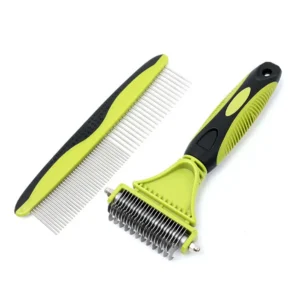 2-in-1 Pet Grooming Comb Set – Dual-Sided Deshedding & Dematting Tools for Dogs and CatsMSRP $6.29Login for wholesale pricing
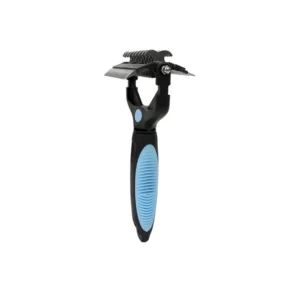 3-in-1 Pet Grooming Comb – Professional Detangling, Dematting & Deshedding Tool for Dogs & CatsMSRP $6.49Login for wholesale pricing
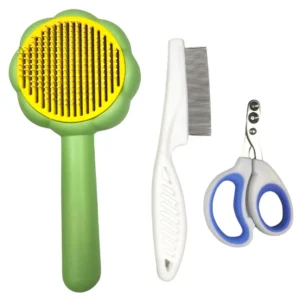 3-in-1 Pet Grooming Set with Comb, Brush & Nail Clipper – Wholesale for Pet Shops(MOQ 32)MSRP $5.59Login for wholesale pricing
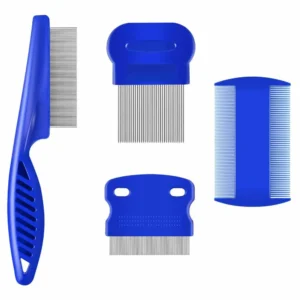 4 Pack Cat Flea Comb Set – Blue Grooming Tools for Long Hair Cats & Dogs | Wholesale Pet Grooming SuppliesMSRP $1.98Login for wholesale pricing