
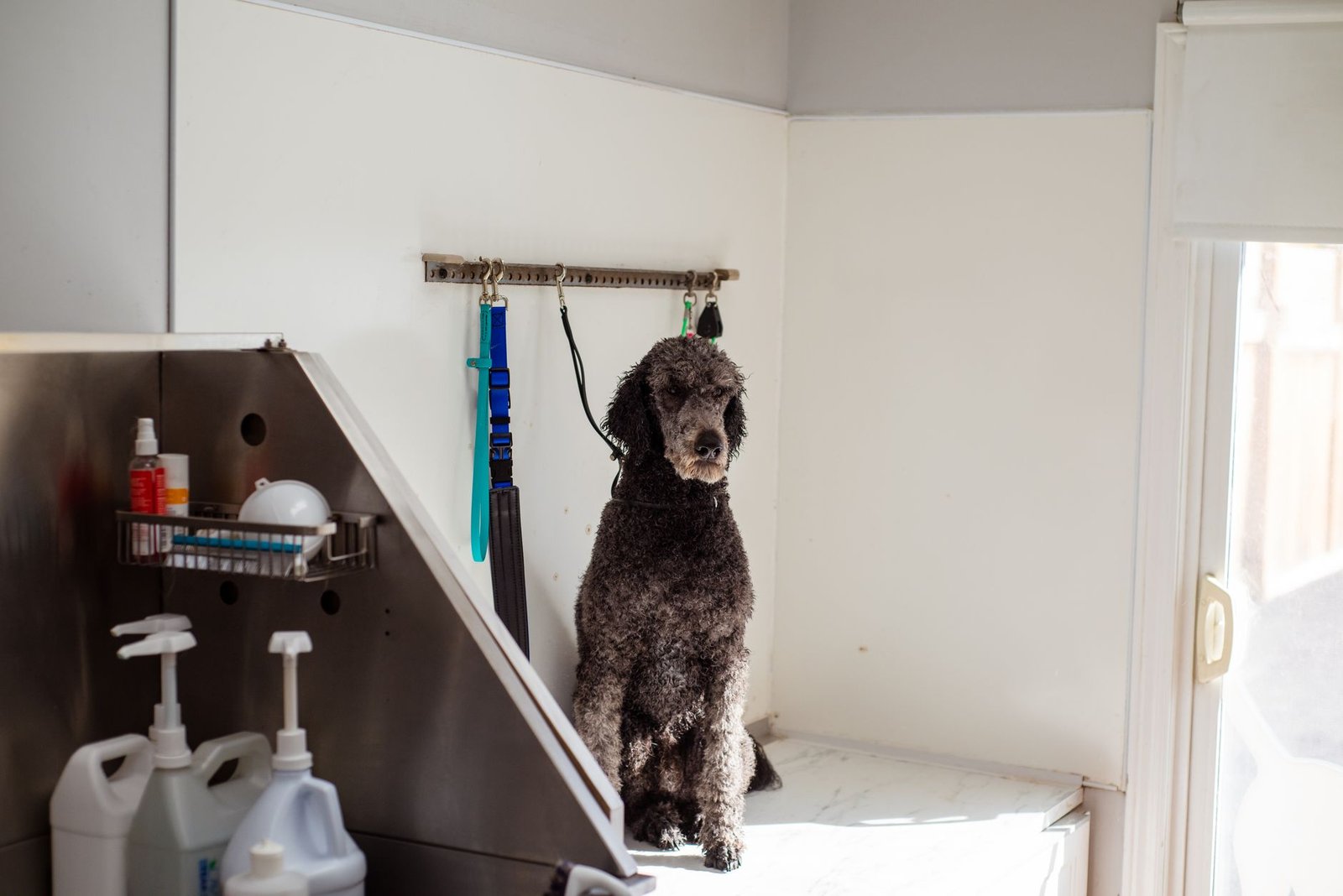
How a Dog Grooming Salon Added Retail and Doubled Revenue in 8 Months
Diego ran a successful dog grooming salon for six years before he realized he was sitting on an untapped goldmine: a captive, trusting audience of pet owners who already loved him. By adding a small retail section — curated, not chaotic — he doubled revenue in eight months without adding a single staff hour. This dog grooming retail success story breaks down exactly how he did it, what he stocked, and the lessons that apply to any service business wanting to add product sales.
The Business Before Retail
Diego’s salon booked 28 grooms a day at an average ticket of $62. Solid, profitable, and completely dependent on his team’s time. “If the groomer called in sick, I lost money,” he says. “There was no leverage. Every dollar of revenue cost me a dollar of labor.”
His salon had a 120-square-foot waiting area that customers walked through but never shopped in. It held a rack of stale leashes and a jar of unbranded treats. “It was an afterthought,” he admits. “And it showed.”
The opportunity was hiding in plain sight: owners dropped off anxious dogs, waited 90 minutes, and left with nothing but a clean pet. Diego started asking one question at pickup: “Is there anything your pup needs at home?” The answers were consistent — calming chews, better brushes, tear-stain wipes, dental sticks.
The Retail Experiment: 12 Square Feet First
Rather than build out a full shop, Diego converted a 12-square-foot corner of the waiting area into a “take-home care” display. He chose products that directly extended the grooming visit:
- Leave-in coat sprays matching what his groomers used.
- Slicker brushes and combs sized to each coat type.
- Calming chews for anxious dogs.
- Paw balms and nose balms.
- Dental sticks recommended post-groom.
The genius was trust transfer. “My groomers were already the experts in the room,” Diego says. “When they said ‘this is the brush we used on Bella today,’ owners bought it without hesitation.” That’s the core of any successful retail starter kit — pair the product with a trusted moment.
Why He Used Kits Instead of Random SKUs
Diego didn’t want to become a buyer. He sourced a display kit that arrived shelf-ready: boxed, priced, and themed around “post-groom home care.” This removed the two hardest parts of retail — choosing what to stock and merchandising it well. Within a week the corner was generating $180 a day in product sales with zero extra labor.
Month 1–4: Building the Habit
Diego trained his front-desk team with one script: “Would you like the brush we used today, or should I set one aside?” No pressure, just a natural extension of the service. Attachment rate (grooms that included a retail add-on) climbed:
| Month | Groom tickets/day | Retail attach rate | Daily retail revenue |
|---|---|---|---|
| 1 | 28 | 14% | $180 |
| 2 | 29 | 21% | $290 |
| 3 | 30 | 28% | $410 |
| 4 | 31 | 34% | $540 |
By month four, retail was adding $540 a day — roughly $16,200 a month — on top of the grooming revenue he already had. And because product margins (52%) beat service margins (41% after labor), the blended profitability of the business jumped.
Expanding to a Full Retail Wall
Encouraged, Diego expanded from 12 to 60 square feet and added categories beyond home care:
- Toys and enrichment — puzzle feeders and durable chews.
- Seasonal items via a seasonal kit (cooling mats in summer, coats in winter).
- Gift bundles using a gift kit for holidays.
- Training aids — pads, treats, clickers.
He kept the rule that every product had to connect to a service moment. “If a customer couldn’t trace it back to something we did for their dog, it didn’t earn shelf space,” he says. That discipline prevented the bloat that kills most retail add-ons.
The 8-Month Doubling
Here’s the full trajectory:
| Period | Monthly revenue | Source |
|---|---|---|
| Pre-retail (baseline) | $42,000 | Grooming only |
| Month 4 | $58,200 | Grooming + corner retail |
| Month 8 | $84,500 | Grooming + full retail wall |
Revenue more than doubled in eight months. Critically, the incremental revenue required almost no additional labor — the same team that groomed dogs now rang up products during natural pause points. Diego’s cost of goods sat around 48%, so the new retail dollars dropped almost straight to profit compared to service dollars weighed down by groomer wages.
Mistakes and Fixes
It wasn’t flawless:
- Over-assorting early. Diego initially bought 14 brush styles; customers froze. He cut to 4 bestsellers and sales rose. “Choice is a tax on the buyer,” he learned.
- Poor inventory visibility. At month five he ran out of the #1 selling calming chew for nine days and lost an estimated $600. He now reorders against a 60-day average with a safety buffer.
- No loyalty link. Once he added a simple punch-card for retail purchases, repeat retail visits climbed 23%.
What Any Service Business Can Copy
Diego’s model is repeatable far beyond grooming:
- Find the trusted moment. Where does your customer already trust you? Attach a product to it.
- Start tiny. A 12-foot corner proves demand before you build a wall.
- Use kits, not catalogs. A display kit removes buying and merchandising friction.
- Train one script. One natural question at checkout beats a hard sell.
- Protect margin. Lead with high-margin consumables (chews, balms, wipes), not big-ticket gear.
For salon and clinic owners ready to try it, a custom retail kit lets you specify the exact products your clients ask for most — so your shelf mirrors your service menu instead of a generic pet store’s.
The Takeaway
Diego didn’t open a pet store. He widened the value he already delivered. “My customers were already trusting me with their dogs,” he says. “Retail just let me help them at home too.” That shift — from service-only to service-plus-product — is the single highest-leverage move a grooming business can make, and this dog grooming retail success story proves it can happen in under a year.
About the Author
This case study was compiled by Scott, Founder of JustForPetStore, from interviews with service-based pet businesses in our retailer community. We publish real operator stories so you can shortcut the learning curve.
Ready to stock these ideas? Browse wholesale pet KITs →
Shop these pet categories
Wholesale pricing, no minimum order.
Related wholesale collections
Products mentioned here
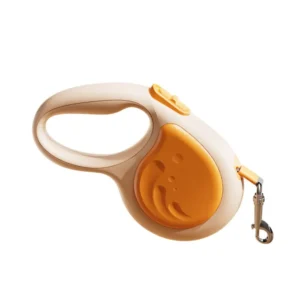 19.6 ft Outdoor Nylon Automatic Retractable Dog Leash – Heavy-Duty Pet Leash for Large and Small DogsMSRP $8.99Login for wholesale pricing
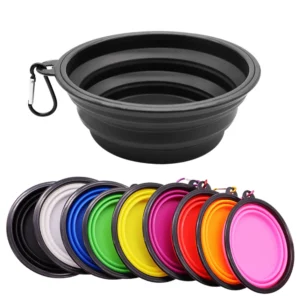 2 Pack Collapsible Silicone Dog Bowls – Portable Pet Food & Water Travel Bowl with CarabinerMSRP $1.78Login for wholesale pricing
 2-in-1 Dog Training Whistle & Clicker – Outdoor Pet Training Device, Factory-Direct Wholesale (MOQ 50)MSRP $2.18Login for wholesale pricing
 2-in-1 Pet Grooming Comb Set – Dual-Sided Deshedding & Dematting Tools for Dogs and CatsMSRP $6.29Login for wholesale pricing