
Dog Store Startup Checklist: What to Buy First, What to Skip
So You Want to Open a Dog Store
A dog-focused store is one of the most rewarding retail concepts in the pet world. Dog owners spend often, love their animals loudly, and are loyal to shops that “get” their breed and lifestyle. But the same passion that fuels dog retail also fuels overspending: a first-time owner can easily drop a fortune on the wrong leashes, the wrong treats, and a wall of toys nobody buys. This checklist keeps you disciplined — what to buy first, what to skip, and how a Dog KIT anchors the whole plan.
Phase 1: Decide Before You Spend a Dollar
Buying too early is the most expensive mistake in retail. Before any product order, lock down three things:
- Your concept in one sentence. “A neighborhood store for walking, training, and treats” beats “a pet store” every time.
- Your customer. Apartment dogs? Suburban families? Working breeds? Your mix decides your assortment.
- Your opening budget. Know the ceiling before suppliers tempt you upward.
None of this costs inventory. It costs thinking, and it prevents the costly “I bought what I liked” trap.
Phase 2: What to Buy First
Your first purchase should be a Dog KIT — a curated bundle covering leashes, collars, chews, toys, bowls, and waste solutions. One decision, one coherent dog aisle. Pair it with a Retail Starter KIT if you also serve cats or general pet owners. Together these two KITs give you a credible opening shelf with validated margin and small minimums.
Within the dog essentials, prioritize in this order:
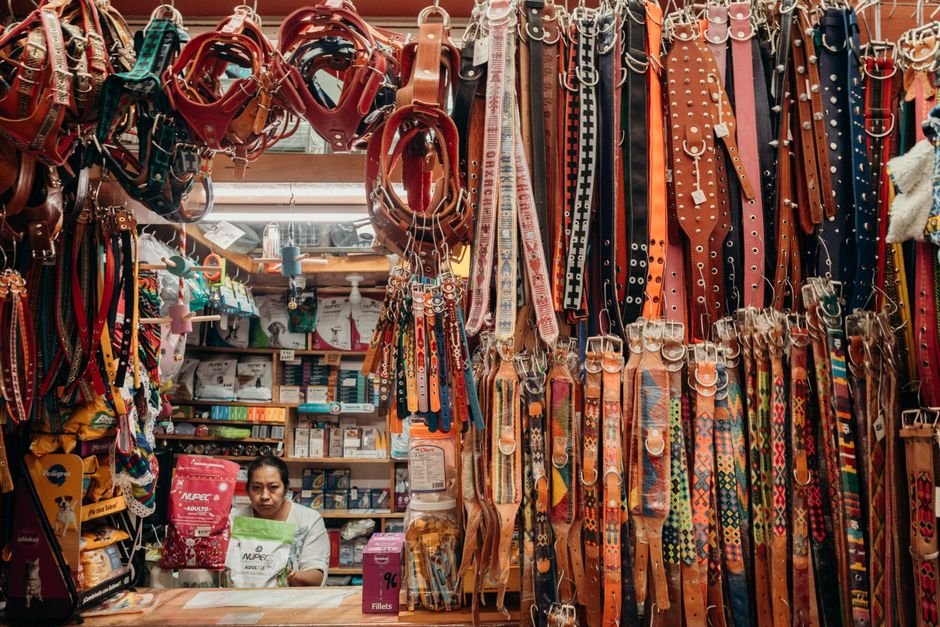
- Leashes and collars — high margin, constant replenishment.
- Chews and treats — the repeat-visit engine.
- Waste bags and dispensers — quiet loyalty builders.
- Bowls and feeders — universal, complete-the-set items.
- Toys — impulse and basket-builders.
Phase 3: What to Skip Early
Just as important as what to buy is what to not buy in month one:
- Deep bedding walls. One or two beds, not twenty.
- Every toy shape. A curated mix beats a novelty graveyard.
- Premium tech gadgets. GPS collars and smart feeders are great later, risky early.
- Seasonal overload. One holiday KIT is plenty until you learn the calendar.
- Anything you cannot explain. If you would fumble a customer question, skip it.
Phase 4: Layout and Display
Dogs are walked, so your walking gear (leashes, collars, bags) belongs near the front — it is what your customer thinks about before they even enter. Chews and treats go mid-store to pull them deeper. Toys and gifts sit by the counter for impulse. A Dog KIT displayed as a themed block reads faster than scattered singles and looks intentionally curated.
Phase 5: Pricing With Confidence
Protect margin from day one: accessories 50–60%, consumables 30–40%, gifts 60–100%. Do not race online giants on commoditized chews; compete on advice and the joy of a real store. A KIT arrives with margin logic built in, so your opening prices are sound even before you develop buyer instincts.
Phase 6: Your First 90 Days
The first quarter is about learning, not perfection. Track three numbers weekly: sell-through (which items move), basket size (how much leaves the counter), and repeat rate (who comes back). Let those tell you which single to add next. Resist the urge to reorder everything at once — reorder what proves itself.
The One-Page Startup Checklist
Print this and keep it by the register:
- Concept sentence written and shared with staff.
- Opening budget set and respected.
- One Dog KIT ordered as the anchor.
- One Retail Starter KIT if serving mixed pets.
- Five essentials prioritized (leashes, chews, bags, bowls, toys).
- Deep bedding and tech gadgets deliberately skipped.
- Walking gear placed up front; treats mid-store; toys at counter.
- Margin bands applied to every price tag.
- Weekly sell-through, basket, and repeat tracking started.
A Realistic Dog Store Opening Timeline
Week one: finalize concept and budget, order your Dog KIT and (if needed) a Retail Starter KIT. Week two: receive, unpack, and build your themed shelf using the layout above. Week three: soft-open to friends and neighbors for feedback — watch what they gravitate toward. Week four: official opening, and start your weekly scorecard. By day 30 you will know more about local dog preferences than any catalog could tell you, and that knowledge — not a bigger order — is what grows the store.
Questions to Ask Any Supplier
Even with KITs handling most sourcing, you will eventually talk to a supplier directly. Ask: What is the real minimum order? How stable is lead time across seasons? What is the defective-or-return policy? Can they hand you product images and copy you can reuse? A supplier who answers plainly is worth a few cents more than one who is vague. KITs pre-answer most of these for your opening order, which is exactly why they are the right place to begin.
Open Lean, Learn Fast
A dog store does not need every product to succeed — it needs the right products, presented with care, and replenished by data. A Dog KIT gives you that foundation in a single decision, freeing you to focus on customers instead of a supplier spreadsheet. Start with our Retail Starter KITs and build your dog aisle the smart way.
Ready to stock these ideas? Browse wholesale pet KITs →
Shop these pet categories
Wholesale pricing, no minimum order.
Related wholesale collections
Products mentioned here
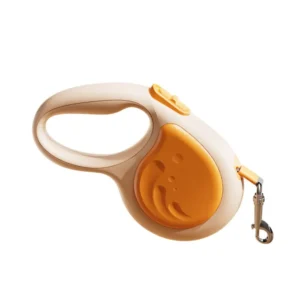 19.6 ft Outdoor Nylon Automatic Retractable Dog Leash – Heavy-Duty Pet Leash for Large and Small DogsMSRP $8.99Login for wholesale pricing
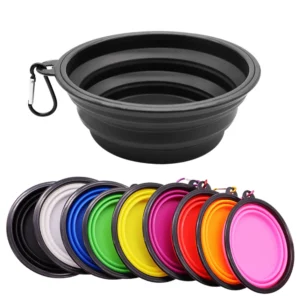 2 Pack Collapsible Silicone Dog Bowls – Portable Pet Food & Water Travel Bowl with CarabinerMSRP $1.78Login for wholesale pricing
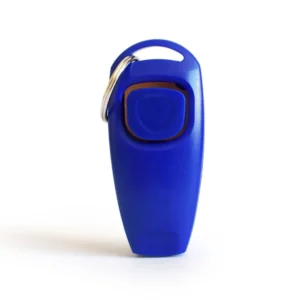 2-in-1 Dog Training Whistle & Clicker – Outdoor Pet Training Device, Factory-Direct Wholesale (MOQ 50)MSRP $2.18Login for wholesale pricing
 2-in-1 Pet Grooming Comb Set – Dual-Sided Deshedding & Dematting Tools for Dogs and CatsMSRP $6.29Login for wholesale pricing