
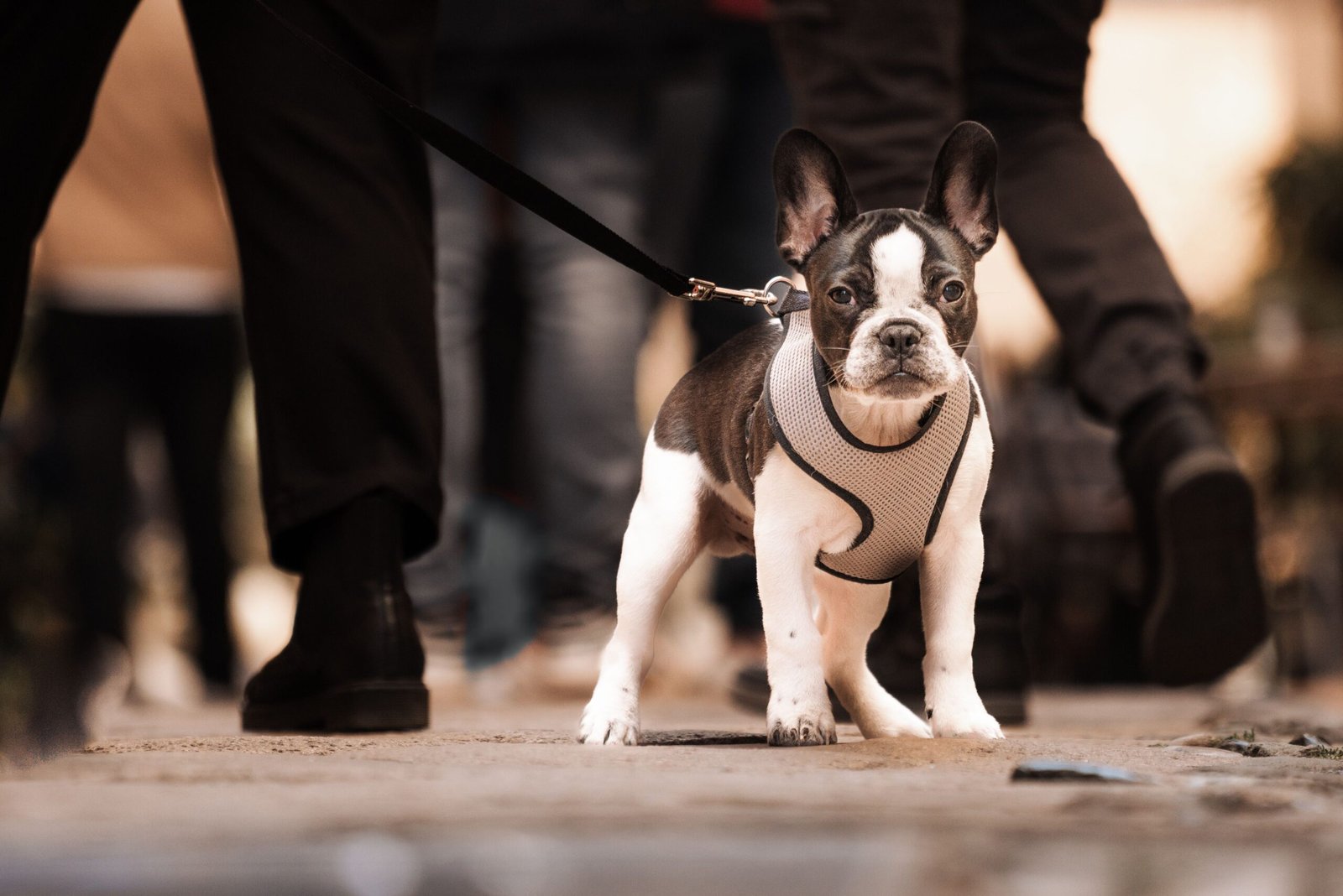
Harness vs Collar vs Leash: How to Merchandise the Daily-Walk Category
For pet-store buyers, the daily-walk aisle is where repeat business is won or lost. The three core tools — harness, collar, and leash — look simple, but the way you present them decides whether a shopper grabs a single item or builds a complete dog harness and leash set that keeps them coming back. This article is a merchandising playbook for independent pet retailers and wholesale buyers who want to turn a confusing wall of straps into a high-turning, high-margin retail walking category. We will compare harness, collar, and leash by function and customer need, show how to lay them out for maximum attach rate, and explain how a curated walking essentials kit simplifies the sale. We also reference the real wholesale Dog Walking Kit (KIT021) as a concrete example of a coordinated walking assortment built for B2B shelves.
Harness, Collar and Leash: What Each One Actually Does
The first step to merchandising the category is understanding that these three products solve different problems. A dog collar is primarily an ID and tag platform and a light-control option for calm, trained dogs. A dog harness is the control and comfort anchor that distributes pressure across the chest, protecting the trachea and reducing pulling. A pet lead — the leash — is the connective tool that lets the owner guide, train, and keep the dog safe.
Owners often arrive unsure which they need. The retailer’s job is to translate the dog’s behavior into the right combination. A puller needs a harness, not a tighter collar. A tiny breed needs a step-in harness to protect a delicate neck. A trained, relaxed dog may be perfectly happy on a flat collar with an ID tag plus a simple lead. When staff can explain these distinctions in ten seconds, the store earns trust and the bigger basket.
The mistake most shops make is displaying all three as separate, unconnected SKUs. The buyer sees a wall of clips and webbing and leaves with the cheapest lead. The fix is to show them as a system — a dog harness and leash set that answers “what do I need for today’s walk?” in one clear choice.
Think of the three tools as layers of the same routine rather than competitors. The collar is the always-on identity layer; the harness is the control layer for the actual walk; the pet lead is the connection between them and the owner’s hand. When signage presents them as layers — “ID, control, connection” — the owner understands why they may want all three, and the basket grows naturally. This framing also reduces the common objection “my dog already has a collar, so I don’t need anything else” by showing the collar and harness solve different jobs.

Comparing the Three Tools Side by Side
Use a simple comparison framework on shelf signage and in staff training. The table below is a merchandising tool as much as an information tool — print it, laminate it, and put it where owners hesitate.
| Tool | Best for | Key selling point | Common pairing |
|---|---|---|---|
| Harness | Pullers, small breeds, training | No neck pressure, control | 6-foot lead, traffic handle |
| Collar | ID tags, calm dogs | Lightweight, always-on | Tag ring, slip lead |
| Leash / Pet lead | Every walk | Guidance and safety | Harness or collar |
Notice that the leash pairs with both the harness and the collar. That makes the pet lead the universal attach product — the item you can almost always add to a sale. Many retailers find that leading with a harness-and-lead set, then offering a collar as the “ID and everyday” companion, produces the highest average walking-category basket.
When a collar still wins
Do not write off the collar. For microchipped, well-trained dogs, a soft padded collar with a clear ID tag is the default. Collars also drive fashion and seasonal sales — owners buy new colors to match the dog’s personality. In a smart retail walking category, collars occupy the impulse and replenishment zone while harness-and-lead sets occupy the considered-purchase zone.
Building the Dog Harness and Leash Set as a Hero Product
If you stock only one curated walking bundle, make it the dog harness and leash set. It is the most defensible, most giftable, and most upgrade-friendly configuration in the aisle. A hero set typically includes an adjustable harness in a size run, a 6-foot lead with a padded handle, and a second traffic loop for close control.
The wholesale Dog Walking Kit (KIT021) follows exactly this hero logic: a harness and lead are grouped so a store can present one SKU that reads as “the walk, solved.” For the B2B buyer, that means simpler planogram, simpler training, and simpler restocking. For the end owner, it means no compatibility guessing — the clip fits, the length works, the color matches. A hero set also defends your margin because the bundle price feels like value while protecting the per-unit economics better than a discounted loose lead ever could. When the set becomes the default gift, the renewal, and the “my old one wore out” purchase, the walking aisle compounds into reliable revenue rather than one-off grabs.
To make the set a hero on your floor:
- Feature it at eye level in the walking aisle, not buried at the bottom.
- Show the dog in it via a lifestyle image that demonstrates fit and comfort.
- Offer a size chart right on the peg so fit confusion drops.
- Bundle a collar add-on at a small discount to lift the basket.
When the set is the obvious choice, the shopper stops comparing random straps and starts comparing your set to a competitor’s set — and a curated kit almost always wins on clarity.
Merchandising the Retail Walking Category for Attach Rate
Attach rate is the name of the game. A retail walking category should be designed so that every harness sale naturally pulls a lead, a collar, and a small accessory. Here is a layout that works for independent shops:
- Zone 1 — Hero sets: The dog harness and leash set front and center, sized XS–XL.
- Zone 2 — Loose leads and pet lead upgrades: Traffic leads, long lines, hands-free waist leads.
- Zone 3 — Collars and ID: Padded collars, tag rings, fashion colors.
- Zone 4 — Walking accessories: Poop-bag dispensers, reflective gear, collapsible bowls.
- Zone 5 — Grab-and-go by register: A small bin of leads and bags for impulse upgrades.
Cross-merchandise the category with adjacent departments. A walking display near the treat aisle reminds owners to fuel the walk; one near the door captures the “I forgot the lead” buyer; one near checkout captures the impulse second color. Many retailers find that simply moving walking accessories to three touchpoints lifts category sales without adding a single SKU.
Training the team to recommend
The best planogram fails without a confident team. Equip staff with three questions — size, pulling behavior, and walk timing — and the recommendation practically writes itself. A puller gets a front-clip harness plus a 6-foot lead. A small dog gets a step-in harness. A dusk walker gets reflective walking accessories. That consultative moment is what big-box stores cannot easily replicate, and it is your margin protection.
Sibling Categories That Lift the Walking Aisle
The walking category does not live alone. Two sibling kits on the site connect naturally and can be cross-linked on shelf cards and online:
- The Outdoor Adventure Kit positions the everyday harness-and-lead set as the base layer and the adventure gear as the weekend upgrade — a clean upsell path for active owners.
- The Training & Enrichment Kit pairs perfectly with leash training for puppies, letting you sell the walk and the brain work together.
Online, linking these contexts helps shoppers build a complete ownership journey and helps you move coordinated wholesale stock. In-store, a small “complete the journey” card pointing from walking to training or adventure turns a single purchase into a category habit.
Wholesale Stocking and the Walking Accessories Upsell
Buying the category wholesale is about protecting margin while staying shallow enough to avoid dead stock. A practical matrix for most independent stores:
- Harness: XS–XL in one hero style, plus a front-clip variant for pullers.
- Collar: Two neutrals plus a rotating fashion color; padded for comfort.
- Pet lead: 6-foot standard base, 4-foot traffic lead, and a long training line.
- Accessories: Bag dispensers, reflective wraps, collapsible bowls — high margin, low cost.
The walking accessories tier is where attach-rate magic happens. A dispenser that clips to the lead is an easy yes; a reflective wrap is an easy safety upgrade; a second lead in a new color is an easy repeat. Because these are inexpensive, they are also low-risk to stock broadly. Many retailers find accessories are the quiet margin leaders of the whole walking department.
To plan your full assortment, including the Dog Walking Kit (KIT021), visit the walking essentials kit landing page. When you want a bundle tailored to your local breed mix and price point, you can build your own wholesale kit. And to explore coordinated collections across every category, the shop wholesale kits hub is the best place to start.
A practical buying rhythm helps, too. Review walking-category turns quarterly: if small and medium harnesses sell out while large lingers, rebalance the size run rather than reordering evenly. Watch which walking accessories attach most often and give them more peg space. Many retailers find that a short seasonal reset — swapping the fashion collar color, adding a reflective lead for winter, featuring a hands-free lead for spring runners — keeps the aisle feeling new without a full re-buy. The objective is steady, predictable turnover, not a maximal SKU count that ties up cash in slow movers.
Common Merchandising Mistakes in the Walking Aisle
Even well-stocked stores lose walking-category sales to a handful of repeatable mistakes. The first is the “wall of straps” — every harness, collar, and lead at the same height with no hierarchy, so the owner defaults to the cheapest item. The cure is a hero dog harness and leash set at eye level that frames the choice. The second mistake is missing fit guidance: without a size chart and a measuring prompt, returns climb and confidence falls. The third is siloed accessories — bag dispensers and reflective gear stuck in another aisle where the walking shopper never sees them.
A fourth, quieter mistake is under-pricing the lead. Because the pet lead pairs with everything, it is the easiest attach product in the store, yet retailers often bury it at low margin instead of presenting a quality padded lead as the obvious upgrade. Finally, many shops ignore the collar’s role as the fashion and ID companion, treating it as an afterthought rather than the impulse driver it can be. Fixing these five issues rarely requires new SKUs — it requires better presentation, clearer signage, and a confident team. In a retail walking category, clarity beats breadth every time, and the store that explains the harness-versus-collar-versus-leash decision in seconds earns the repeat visit.
Frequently Asked Questions
Should I merchandise harnesses and collars together or separately?
Merchandise them as a connected system, not separate walls. Show the dog harness and leash set as the hero, then place collars nearby as the ID-and-everyday companion. Owners who see the relationship buy both; owners who see random straps buy the cheapest single item. Connection drives basket size.
What is the difference between a pet lead and a leash?
They are the same product — the term pet lead is simply retail-friendly language for the leash. Stock standard 6-foot leads, short traffic leads, and long training lines so you can match the owner’s routine. The lead is the universal attach product that pairs with both harnesses and collars.
How do I reduce returns on walking gear?
Fit confusion is the top return driver. Post a clear size chart at the point of sale, train staff to measure chest girth, and use the two-finger rule at every adjustment. Selling a dog harness and leash set in a known size run also reduces mismatch because the components are pre-matched by the manufacturer.
Which walking accessories actually sell?
The reliable winners are poop-bag dispensers that clip to the lead, reflective gear for dusk walkers, padded handle wraps, and collapsible bowls. These walking accessories are low-cost, high-margin, and easy impulse adds that lift the whole retail walking category without complicating inventory.
How can a small store compete with big-box walking aisles?
Compete on clarity and consultation, not on SKU count. A curated retail walking category with a hero harness-and-lead set, confident fit advice, and smart cross-merchandising beats a confusing wall every time. Independent shops win when the owner leaves understanding exactly what they bought and why it fits their dog.
Conclusion
Merchandising the daily-walk category is less about carrying more straps and more about showing owners a clear system. By comparing harness, collar, and leash by function, building the dog harness and leash set into a hero product, and designing the retail walking category for attach rate, independent pet stores can lift basket size, cut returns through better fit guidance, and earn repeat loyalty. The wholesale Dog Walking Kit (KIT021) is a ready-made example of how a coordinated walking assortment simplifies both the sale and the shelf.
Build your walking department with confidence: explore the full wholesale assortment on the walking essentials kit landing page, build your own wholesale kit to tailor a bundle for your store, and browse the shop wholesale kits hub to coordinate walking with every other category you carry.
Shop the matching wholesale KIT
Shop these pet categories
Wholesale pricing, no minimum order.
Related wholesale collections
Products mentioned here
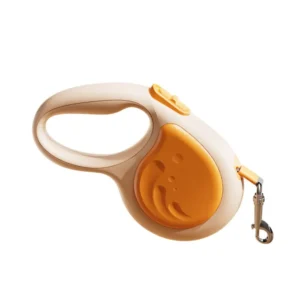 19.6 ft Outdoor Nylon Automatic Retractable Dog Leash – Heavy-Duty Pet Leash for Large and Small DogsMSRP $8.99Login for wholesale pricing
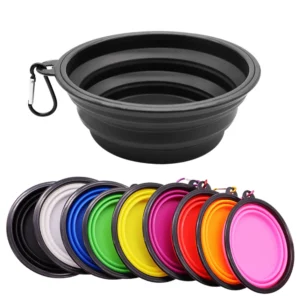 2 Pack Collapsible Silicone Dog Bowls – Portable Pet Food & Water Travel Bowl with CarabinerMSRP $1.78Login for wholesale pricing
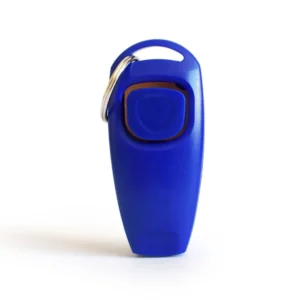 2-in-1 Dog Training Whistle & Clicker – Outdoor Pet Training Device, Factory-Direct Wholesale (MOQ 50)MSRP $2.18Login for wholesale pricing
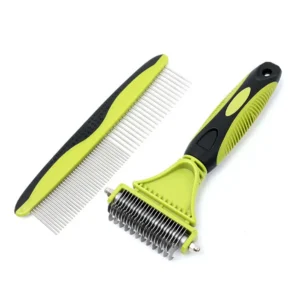 2-in-1 Pet Grooming Comb Set – Dual-Sided Deshedding & Dematting Tools for Dogs and CatsMSRP $6.29Login for wholesale pricing