How to Build a Cat Toy Aisle That Cat Owners Keep Coming Back To
For a pet store, the cat toy aisle is rarely the biggest square footage — but it can be the most loyal. The secret is sourcing interactive cat toys wholesale in a way that builds a cat play assortment shoppers cannot resist, and then merchandising it so cat owners return month after month for refills, replacements, and the next great find. Our Cat Play Kit exists to make that easy: a curated wholesale bundle that turns a scattered wall of plush mice into a deliberate, sell-through cat department. In this guide we walk through the merchandising framework, the sourcing mindset, the common mistakes that quietly kill repeat visits, and the cross-selling moves that convert a casual cat buyer into a repeat cat customer who thinks of your store first. We also cover how to measure your aisle’s performance so improvements are based on data, not guesswork.
Why the Cat Toy Aisle Is Your Repeat-Customer Engine
Cat owners are some of the most frequent, most passionate shoppers in pet retail. Unlike a dog leash that lasts years, cat toys wear out, get lost under the sofa, and lose novelty in weeks. That churn is a feature, not a bug — if your aisle is built to capture it. A store that nails cat toy merchandising turns natural product attrition into a steady rhythm of return visits that compounds quietly over the year.
Consider the math of a loyal cat owner. One cat might go through several wand-refill attachments, two or three puzzle feeders, and a rotating cast of kickers and balls every year. Multiply that by the cat-dense neighborhoods many independent stores serve, and the cat aisle quietly becomes one of your highest-frequency revenue streams. The retailers who win are not the ones with the cheapest unit price; they are the ones whose interactive cat toys actually work at home, so the owner comes back for more rather than questioning the purchase.
This is also where returns are won or lost. When a toy engages the cat, nobody returns it. When it flops, it comes back, and the relationship cools. Building the aisle around proven engagement is therefore both a merchandising decision and a customer-retention strategy, and the two cannot really be separated in the cat category.
The emotional layer matters too. Cat owners often describe their pets as family, and a store that clearly “gets” cats earns a level of trust that price matching cannot buy. That trust is the soil in which a true repeat cat customer relationship grows, and it starts with the first impression your cat wall makes.
Start With a Winning Cat Play Assortment
Before you think about shelves and signs, you need the right product mix. A strong cat play assortment balances four roles so the aisle serves every kind of shopper who walks up, from the impulse browser to the anxious first-time kitten owner.
Impulse and attach items. Low-price wand toys, crinkle balls, and catnip mice near the register capture the “just because” purchase and seed the habit of buying cat toys from you. These are the gateway SKUs that begin the relationship.
Engagement anchors. These are your hero interactive cat toys — motion toys, puzzle feeders, and feather systems — that deliver the “it actually plays with it” moment at home. They justify the aisle’s existence and generate the stories customers tell their friends.
Refill and replacement SKUs. Wand refills, extra puzzle inserts, and replacement balls. Without these adjacent, the repeat purchase leaks to a competitor or to online marketplaces that happen to stock the part your customer needs tonight.
Complete bundles. Pre-packed starters like the Cat Essentials Kit (KIT002) give new cat owners a confident “I got everything” purchase and set up months of refill demand that you control.
A useful exercise is to walk your own aisle as a first-time cat owner would. If you cannot immediately tell which toy does what and why a cat would care, the assortment is too noisy. The clearest cat play assortment plans read like a short story: here is the problem, here is the toy that solves it, here is the refill that keeps it going. That narrative clarity is what separates a destination cat wall from a confusing one, and it is cheap to achieve once you commit to the four-role framework above.
Stocking these four roles inside a single coherent cat department — rather than scattering cat items across the store near dog and fish supplies — is the foundation of effective cat toy merchandising. Coherence signals expertise, and expertise builds trust at the shelf.
Cat Toy Merchandising Principles That Actually Sell
Great product fails on a bad shelf. The stores with the highest cat-aisle sell-through share a handful of merchandising habits worth copying, because they consistently outperform stores with bigger budgets but worse execution.
Merchandise by Outcome, Not by Manufacturer
Shoppers think in outcomes: “stop the boredom,” “first kitten,” “keep my senior moving.” Grouping by outcome — rather than stacking one brand’s full SKU range — helps hesitant buyers self-select. An outcome-labeled cat wall built around the Cat Play Kit philosophy converts better than a brand wall that assumes the shopper knows the catalog by heart.
Demo the Motion
A battery toy that moves on the shelf is worth ten static boxes. Stores that clip a demo unit or use a small looping video report noticeably fewer returns, because the engagement is proven before purchase. This is the single highest-leverage cat toy merchandising tactic we see, and it costs almost nothing to maintain once installed.
Keep Refills One Shelf Over
The moment a wand feather frays, the refill must be reachable. Adjacency turns a one-time sale into a habit. It is the quiet mechanism behind a true repeat cat customer base, and losing it to a competitor’s website is the most common avoidable leak in the category.
Use Vertical and Sensory Cues
Cats react to movement and scent. A shelf with dangling wands at eye level, a catnip scent station, and a small window-perch display signals “this store understands cats” and lengthens dwell time in the aisle, which statistically lifts attach-rate on the rest of the basket.
Sourcing Interactive Cat Toys Wholesale Without the Guesswork
Buying interactive cat toys wholesale can feel like a gamble if you are ordering from a catalog you cannot touch. Reduce the risk with a simple three-step approach that our wholesale buyers use, and you will stop over-ordering novelty that sits and start stocking engagement that sells.
Step 1: Lead with engagement proof. Prioritize toys with a clear mechanism of action — something moves, dispenses, or responds. Vague “cute” items are the return-risk SKUs. The Cat Play Kit is built almost entirely from engagement-proven formats for this reason, so your first order is de-risked.
Step 2: Balance margin tiers. Mix entry, mid, and premium interactive toys so the aisle serves every budget while protecting your blended margin. Premium programmable toys carry the margin; entry wands drive the traffic that discovers the premium tier over repeat visits.
Step 3: Insist on flexibility. The best suppliers let you adjust the mix. If your local market skews toward kittens or seniors, you should be able to shift the assortment. That is exactly why many buyers also build their own wholesale kit alongside the curated Cat Play Kit, tailoring the cat play assortment to their neighborhood instead of guessing from a national average.
For a broader view of options, the Shop Wholesale Kits hub lets you compare the cat range against other best sellers before committing carton quantities, which protects your cash flow and your shelf space alike.
Pairing the Aisle With the Cat Essentials Kit (KIT002)
A practical example anchors the theory. The Cat Essentials Kit (KIT002) is a ready-made wholesale bundle that complements the play-focused Cat Play Kit beautifully. A typical carton might include a wand system, a puzzle feeder, catnip kickers, and a self-play ball — covering physical play, mental stimulation, and solo entertainment in one box that reads as complete to a nervous new owner.
Retailers use KIT002 two ways. As a “new cat starter” hero display at the head of the aisle, it gives first-time owners confidence and a complete solution that prevents the dreaded “I bought the wrong thing” return. As a refill seed, its components become individual reorders that keep the repeat cat customer loop spinning long after the kit is opened. When the Cat Essentials Kit sits next to the Cat Play Kit, the cat department reads as expert-curated rather than randomly assembled — and that perception is what earns trust and defends against the big-box down the street.
Because cat essentials and play overlap heavily, presenting them together also raises average basket size: a shopper who came for one wand refill leaves with a puzzle feeder and a kicker they had not considered. That quiet upsell is worth more over a year than any single hero promotion.
Cross-Selling Into Sibling Kits and the Build-Your-Own Option
No cat aisle lives alone. The smartest stores connect the cat wall to adjacent needs so a cat owner becomes a whole-store customer. Two moves work especially well and both protect the relationship you have already built.
Link to the toy and enrichment siblings. A cat owner with a dog next door is a natural fit for the Best-Selling Pet Toy Kit, which covers cross-species toy favorites and captures the multi-pet basket. Likewise, the Training & Enrichment Kit extends the enrichment conversation beyond cats into behavior and mental workout for other pets — a logical next step for engaged owners who already trust your cat advice.
Offer the custom path. Some buyers want to assemble their own mix. Pointing them to the build-your-own wholesale kit tool respects that autonomy while keeping them inside your ecosystem. It also teaches you which interactive cat toys your market loves most, informing future reorders with real local data rather than catalog intuition.
Another quiet win is the seasonal refresh. Cat owners respond to novelty at key moments — a new kitten in spring, a bored indoor cat in deep winter — and rotating a few hero interactive cat toys into the spotlight keeps the aisle feeling fresh without overhauling the whole mix. A small, well-timed refresh signals that your store pays attention, which is exactly the perception that builds repeat cat customers over years rather than weeks, and it gives your team a reason to re-engage lapsed shoppers with something new to show.
Together, these cross-sell paths transform a single-aisle visit into a store-wide relationship — the truest definition of growing repeat cat customers and the best hedge against a competitor who only competes on price.
Common Cat Aisle Mistakes That Quietly Kill Repeat Visits
Even strong stores slip into habits that bleed loyalty. Watching for these four traps keeps your cat aisle a destination rather than a drive-by.
Mistake 1: The Dead Demo Battery
Nothing undermines a motion toy faster than a demo unit with a dead battery. Assign the demo check to a daily opening task so the hero interactive cat toys wholesale always perform when a shopper leans in. A working demo is the cheapest salesperson you have.
Mistake 2: Refill Gaps
Stocking the toy but not the refill teaches the customer to shop elsewhere for the follow-up. Protect the repeat cat customer loop by treating refills as core SKUs, not afterthoughts buried in a back room.
Mistake 3: Price-Only Merchandising
Leading with “cheap” attracts deal shoppers who defect at the next discount. Lead with outcome and engagement instead, and you attract owners who value your expertise and return for it.
Mistake 4: Ignoring the Data
If you never review which cat SKUs turn fastest, you cannot improve the mix. Even a simple spreadsheet of weekly cat-aisle sales reveals your quiet heroes and your silent losers, and that insight is gold for the next custom wholesale kit build.
Frequently Asked Questions
How do I start buying interactive cat toys wholesale?
Begin with a curated bundle like the Cat Play Kit to de-risk your first order, then layer in refill SKUs and a premium tier. Many retailers also build their own wholesale kit once they learn which formats their local cats prefer. Lead with engagement-proven toys to protect your return rate.
What is the best cat play assortment for a small store?
A small store should cover four roles in tight space: impulse attach items, a few engagement anchors, adjacent refills, and one complete bundle such as the Cat Essentials Kit (KIT002). This cat play assortment maximizes sell-through per shelf foot without overloading inventory or confusing the shopper.
How can cat toy merchandising increase repeat customers?
Demo moving toys, group by outcome, and keep refills one shelf over from the original. These cat toy merchandising habits turn natural toy attrition into routine return visits, building a loyal repeat cat customer base rather than one-off sales that never come back.
Should I stock cat essentials separately from toys?
Keeping cat essentials like feeders and kickers near the toy aisle is usually best — they reinforce each other and lift basket size. The Cat Essentials Kit (KIT002) is designed to sit alongside the Cat Play Kit as a complete cat department anchor that reads as expert-curated.
Which sibling kits pair well with a cat toy aisle?
The Best-Selling Pet Toy Kit captures multi-pet households, and the Training & Enrichment Kit extends the enrichment message. Both are natural cross-sells that grow the relationship beyond the cat wall and deepen the repeat cat customer bond.
Conclusion
A cat toy aisle built on smart cat toy merchandising, a balanced cat play assortment, and well-sourced interactive cat toys wholesale is one of the most dependable repeat-customer engines in pet retail. Pair it with the Cat Essentials Kit (KIT002), cross-sell into sibling ranges, and you turn product churn into loyalty that compounds. Explore the Cat Play Kit to launch or refresh your cat department, or browse the Wholesale Kits hub to compare every option before you reorder and build the aisle your cat owners keep coming back to.
Shop the matching wholesale KIT
Shop these pet categories
Wholesale pricing, no minimum order.
Related wholesale collections
Products mentioned here
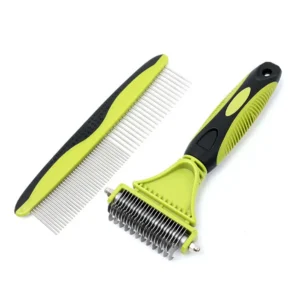 2-in-1 Pet Grooming Comb Set – Dual-Sided Deshedding & Dematting Tools for Dogs and CatsMSRP $6.29Login for wholesale pricing
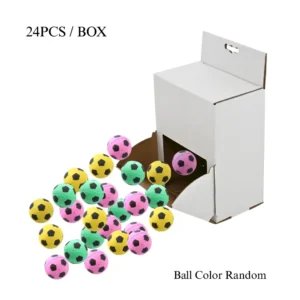 24-Pack Cat Toy Balls – Soft Latex Foam Soccer Ball Toys for Cats, Interactive Chase & Self-Play, Wholesale Pet SuppliesMSRP $8.89Login for wholesale pricing
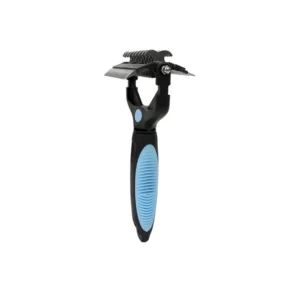 3-in-1 Pet Grooming Comb – Professional Detangling, Dematting & Deshedding Tool for Dogs & CatsMSRP $6.49Login for wholesale pricing
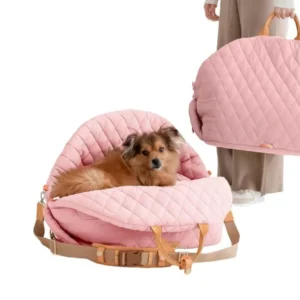 3-in-1 Small Pet Carrier Bag | Car Seat Booster, Travel Bed & Indoor Pet Bed for Dogs & CatsMSRP $21.89Login for wholesale pricing