
How to Stock a New Pet Store: The First 20 SKUs That Actually Sell
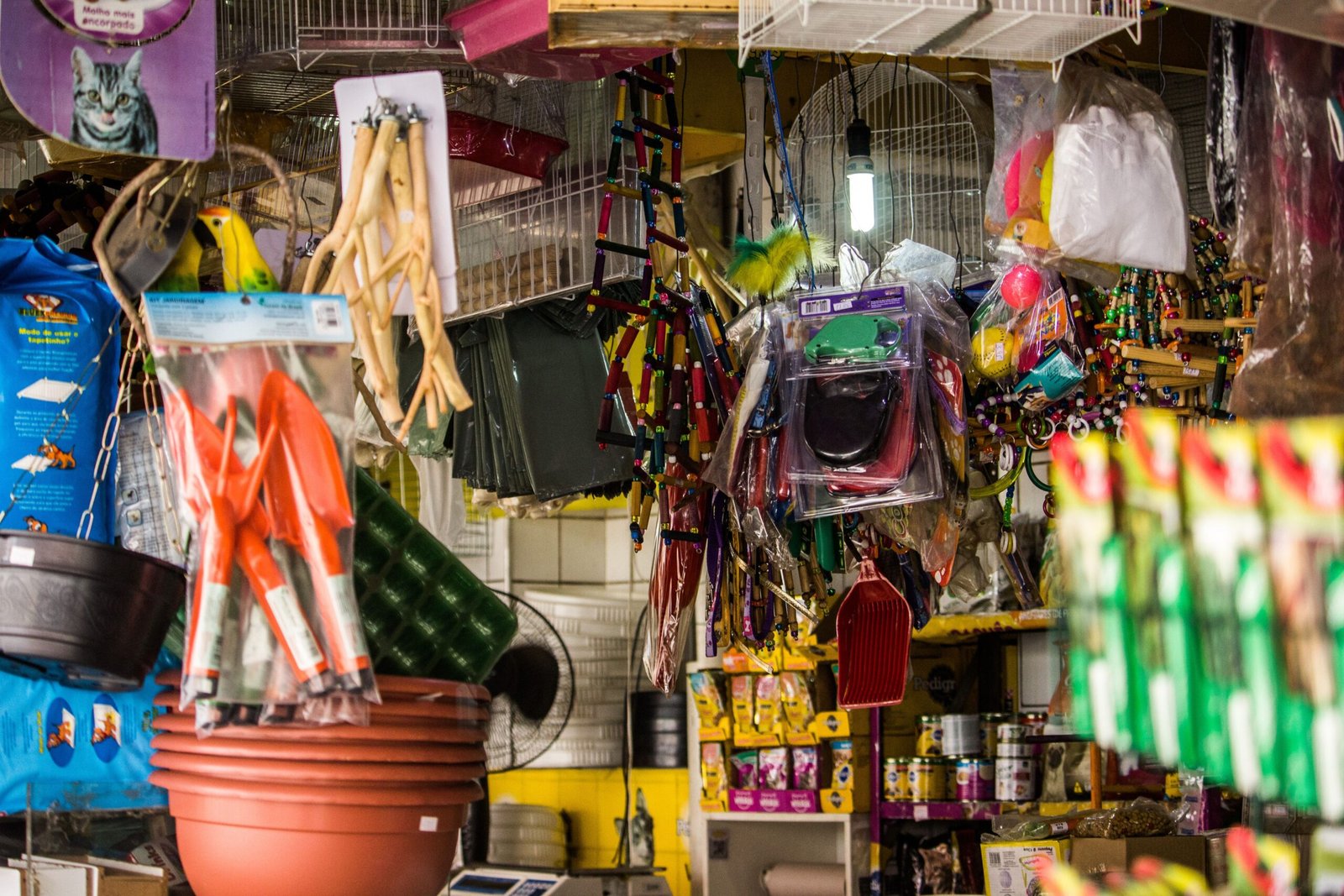
Opening your first independent pet shop is equal parts excitement and anxiety. The single biggest decision you make in those first weeks is what to put on your shelves, because every dollar of startup capital that sits in slow-moving stock is a dollar you cannot spend on rent, marketing, or payroll. If you want to stock a new pet store without gambling your budget on products nobody buys, the answer is not to buy everything in the catalog. It is to start with a tight, proven list of approximately 20 SKUs that turn over quickly, then expand once you learn your local market. In this guide we walk through the first 20 SKUs that actually sell for new retailers, and we show how the Pet Store Starter Essentials Kit bundles many of them into a single wholesale order so you can open with confidence.
How to Stock a New Pet Store: Why a Tight List Beats a Crowded Aisle
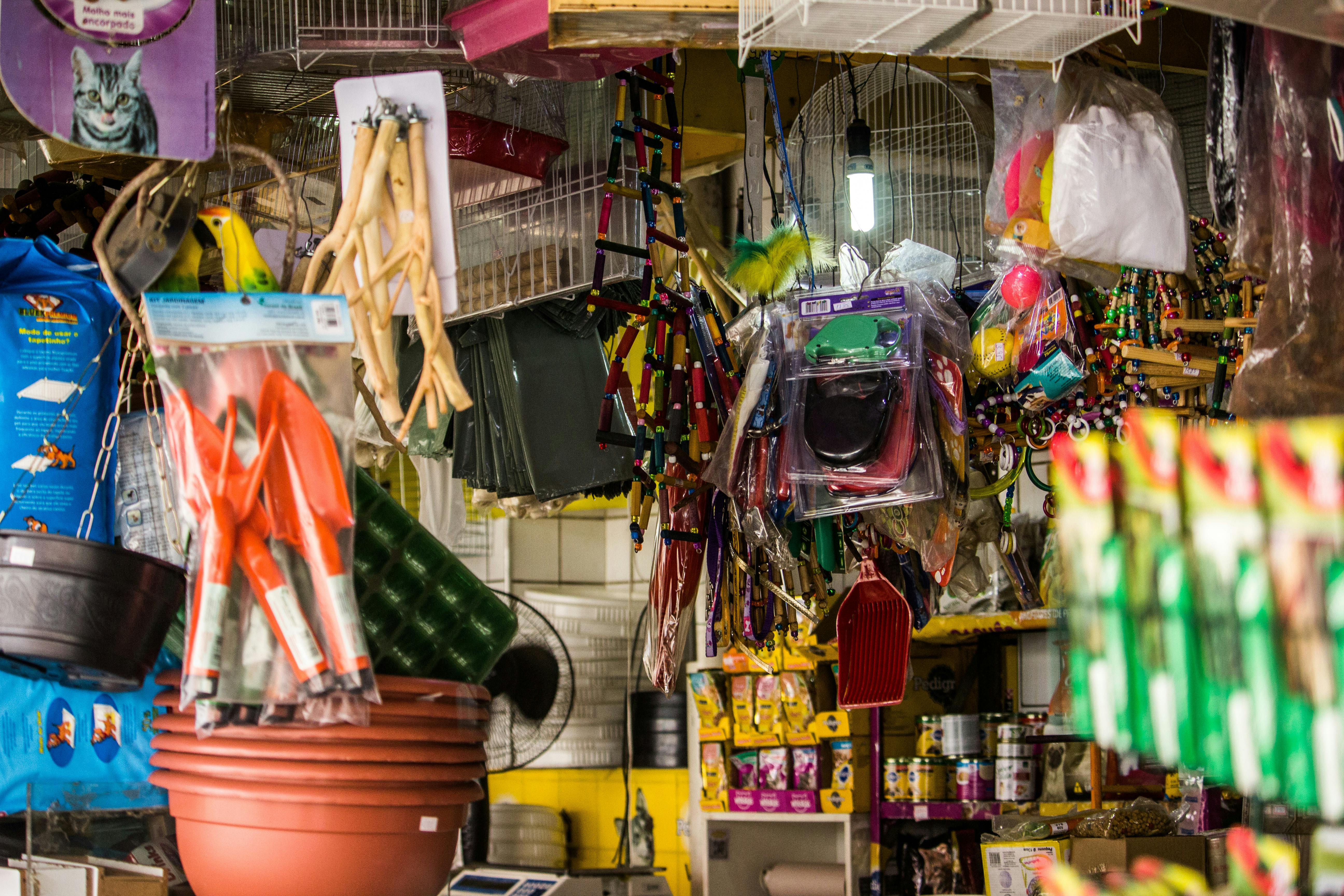
New owners often assume that a full-looking store equals a successful store. In practice, a crowded opening inventory hides two problems. First, it dilutes your buying power: splitting a small budget across 200 SKUs means you never reach the case-pack or pallet thresholds that unlock the best wholesale pet supplies pricing. Second, it makes merchandising harder. Shoppers in a new store want to find bestsellers fast; a wall of unfamiliar options creates decision fatigue and lower conversion.
A focused pet store inventory of roughly 20 SKUs lets you buy deeper, negotiate better terms with your distributor, and present a clean, confident shelf. You can always add depth later. What you cannot recover is the cash trapped in dead stock during your first quarter. The retailers who survive year one are usually the ones who opened lean and learned fast.
There is also a psychological benefit to a tight list that first-time owners underestimate. When every item on the shelf has a clear reason to exist, you can speak about it with conviction to customers and to staff. A wavering owner surrounded by 200 half-understood SKUs cannot. Confidence sells, especially in a category where new pet parents are anxious and looking for guidance. A smaller, well-understood assortment lets you become the trusted local expert rather than a confusing warehouse, and that reputation compounds into loyalty that no discount wall can buy.
The 80/20 Rule for New Pet Retail
Industry experience shows that a small set of everyday consumables drives the majority of repeat visits. Food, treats, waste bags, litter, and basic grooming items are purchased on a cadence of days or weeks, not months. These are your traffic builders. Durable goods like beds and carriers sell once and then not again for a long time. Build your first 20 around consumables, then layer in a few high-margin durables.
This does not mean durables are worthless; it means they play a different role. A well-chosen bed or carrier is a margin booster and a gift purchase, not a footfall engine. Slot them in once the consumable core is proven, and let them earn their facings the same way everything else does. The discipline is simply to know which job each SKU is hired to do before you pay to put it on the shelf.
The First 20 SKUs: A Category-by-Category Breakdown
Below is a working list of 20 SKUs organized by category. Treat it as a template you can adapt to your neighborhood. If you are in a dog-heavy suburb, weight the list toward canine consumables. A city store with apartment dwellers may lean into cats and small pets.
| Category | SKU examples | Why it sells |
|---|---|---|
| Dog food (starter bags) | Small/medium bags, 2-3 brands | Weekly repeat purchase, footfall driver |
| Cat food (starter bags) | Dry + a few wet multipacks | Steady demand, high loyalty |
| Dog treats | Soft training treats, bully sticks | Impulse + training use |
| Cat litter | Clumping, low-dust | Heavy repeat, basket builder |
| Waste bags | Roll dispensers, refill rolls | Cheap, frequent, essential |
| Leashes & collars | Nylon, 2-3 sizes | Giftable, replacement cycle |
| Grooming basics | Brushes, nail clippers | Entry-price durables |
| Starter kits | Puppy, Cat, Small Pet, Bird | Bundle value, new-owner magnet |
That skeleton already covers more than half of a smart opening list. The remaining slots should be filled with local-demand items: a fish starter, a small-pet habitat, a travel bowl, a toy multipack, and one or two seasonal or giftable lines.
Choosing Brands for a Small Shelf
With only ~20 SKUs, every brand decision matters. A practical approach is to carry one mainstream value brand, one premium or specialty brand, and one local or independent label if your market supports it. This gives price-tier choice without tripling your facings. Resist the temptation to stock six flavors of the same treat just because the catalog is deep; a thinner assortment that always stays in stock builds more trust than a wide one that frequently gaps on the shelf.
Think about brands the way a shopper thinks about them. A first-time buyer wants to recognize at least one name and trust at least one ingredient story. If your neighborhood leans natural or grain-free, prioritize that tier. If price sensitivity is high, lead with the value line and let the premium option sit as an upgrade. Either way, your pet store inventory should feel curated, not random.
One more consideration: supplier reliability beats marginal price differences. A brand that ships late or substitutes SKUs without warning will cost you more in lost sales and angry regulars than a slightly higher case cost from a dependable wholesale pet supplies partner. Ask other independent owners which distributors actually deliver on time before you commit your opening order. You can compare high-velocity bundles side by side in the Shop Wholesale Kits hub.
Starter Kits: The Shortcut to a Complete Shelf
One of the fastest ways to fill several of those 20 slots at once is to open with curated bundles. The Pet Store Starter Essentials Kit is built precisely for this moment: it groups the items new pet owners actually need into a single wholesale carton, so your shelf looks complete on day one without you hand-picking every line.
Four bundles deserve a permanent spot in a new store’s opening plan:
- Puppy Starter Kit (KIT001) — collar, lead, feeding bowl, puppy pads, and a small toy assortment. New-dog households buy this within days of adoption.
- Cat Essentials Kit (KIT002) — litter scoop, scratching pad, food and water bowls, and a wand toy. A reliable pickup for first-time cat owners.
- Small Pet Starter Kit (KIT003) — bedding, chew items, and a starter habitat accessory set for hamsters, guinea pigs, and rabbits.
- Bird Corner Kit (KIT004) — perch, feed cup, and basic cage accessory pack that turns a quiet corner into a profitable bird section.
Each of these is a retail pet starter kit in its own right, which means you can merchandise them as complete solutions rather than loose components. Many retailers find that bundling lifts average transaction value because the customer sees a ready-made answer to “what do I need?” The kits also solve a quiet problem every new store faces: staff confidence. When a team member is unsure what to recommend, a named kit gives them a safe, complete answer. Pointing a first-time cat owner to the Cat Essentials Kit (KIT002) is faster and more reassuring than listing five separate items, which protects your margin in the early, fragile weeks of a pet shop opening.
From a logistics standpoint, kits also simplify receiving. A single carton that arrives pre-packed with a balanced mix means less time unpacking and matching loose components, and fewer mistakes in what lands on the shelf. For an owner juggling lease paperwork, staff hiring, and a website launch, that saved labor is genuinely valuable. A retail pet starter kit is therefore not just a merchandising tool but an operational one: it reduces the number of decisions you have to make perfectly on the most chaotic week of your business life. Pair it with the Shop Wholesale Kits hub to see how the full range of curated bundles fits together before you commit.

Merchandising the First 20 for Maximum Turn
Stocking the right SKUs is only half the battle; placement decides whether they sell. Put your highest-frequency consumables — food, litter, waste bags — at the back of the store so shoppers walk past impulse and giftable lines to reach them. Place starter kits near the entrance or by the checkout, where new owners and gift-buyers notice them.
Use clear, handwritten-feel shelf talkers that answer “what is this for?” A Puppy Starter Kit (KIT001) tagged “everything a new dog needs in one box” outsells the same box with no context. The goal of a pet shop opening is not just to have stock, but to make the stock obviously useful. Good shelf merchandising is a checklist item, not an afterthought — decide zones before stock arrives so unloading is fast and logical.
Track What Moves in the First 30 Days
Keep a simple spreadsheet of units sold per SKU for your first month. The data will tell you which of the 20 to deepen and which to swap. Many retailers find that two or three SKUs unexpectedly dominate, and reallocating shelf space toward them pays for the experiment quickly.
Pair that sales log with a short note on customer questions. If five people ask for something you do not carry, that is a stronger signal than a single slow week for an item you stocked on a hunch. The first month of a pet shop opening is really a research phase disguised as a launch, and the merchants who treat it that way make smarter buys in month two. Resist the urge to interpret one quiet day as a trend; look at the rolling total before you cut or add anything.
Growing the Shelf and Avoiding Common Mistakes
Once your opening shelf is stable, the next question is where to add depth. The mistake is to add categories you personally like; the smart move is to add adjacent lines that your existing traffic already hints at. If you sell a lot of Puppy Starter Kit (KIT001) units, dog-walking and training accessories are the natural extension, and the Walking Essentials Kit lets you launch that range without a long buying list. If cat owners are your strongest repeat segment, the Cat Play Kit deepens the assortment beyond the Cat Essentials Kit (KIT002) with toys and enrichment items that lift basket size.
Adjacency works because the customer is already in the store for a reason. Keep the discipline you started with: even as you grow past 20 SKUs toward 50 or 100, protect your cash by adding in small, testable batches. A new line deserves a month of shelf life and a clear par level before you commit depth. If it earns its place, deepen it; if it does not, swap it for the next candidate.
Common Stocking Mistakes New Owners Make
Even with a solid list, first-time owners trip over the same avoidable errors. The first is over-buying durables. Beds, carriers, and apparel look attractive on a shelf, but they sell slowly and tie up capital that should sit in fast consumables. A good rule is that durables should never exceed a third of your opening pet store inventory unless your market is unusually gift-driven.
The second mistake is ignoring case-pack math. Ordering one or two units of a slow mover means you pay full price and still risk a gap. Either commit to a proper case pack or skip the line for now. The third is forgetting the new-owner moment — keep kits visible and clearly labeled so the anxious new owner self-selects. The fourth is treating the opening order as final rather than as a hypothesis to test and adjust. If your market needs something more specific than the prebuilt bundles, the build-your-own wholesale kit tool lets you swap items and quantities to match local demand.
Frequently Asked Questions
How many SKUs should a new pet store open with?
Most successful independent launches open with 15 to 25 SKUs concentrated in fast-moving consumables and a few starter bundles. This keeps capital liquid and the shelf easy to shop. You can expand to 50-plus SKUs after you read your first 30 to 60 days of sales data.
Should I buy starter kits or individual products?
Both have a place, but starter kits are the more efficient opening move. A bundle like the Cat Essentials Kit (KIT002) fills several shelf slots in one order and gives new owners a complete solution. Keep a handful of individual bestsellers too, so repeat customers can repurchase single items without buying the whole kit again.
Where do I find reliable wholesale pet supplies as a new retailer?
Work with a B2B wholesaler that specializes in independent pet stores and offers case-pack pricing. The Shop Wholesale Kits hub is a good place to compare curated bundles, and the build-your-own wholesale kit tool lets you assemble a custom opening order if the prebuilt kits do not match your market.
How much should I spend on opening inventory?
There is no single number, but a lean approach helps: reserve enough to stock the first 20 SKUs at a depth of roughly two to four weeks of expected sales, then keep a cash buffer for fast reorder. Industry experience shows that over-buying slow durables is the most common cash-flow mistake among first-time owners.
Can I customize the Pet Store Starter Essentials Kit for my store?
Yes. While the prebuilt kit covers the most common opening needs, you can also use the custom retail kit builder to swap items, adjust quantities, or add a local bestseller so your opening shelf reflects your neighborhood rather than a generic list.
Conclusion
Learning to stock a new pet store is less about buying everything and more about buying the right 20 things deeply, then letting real sales data guide expansion. Start with high-turn consumables, anchor your shelf with proven bundles like the Puppy Starter Kit (KIT001), Cat Essentials Kit (KIT002), Small Pet Starter Kit (KIT003), and Bird Corner Kit (KIT004), and merchandise for clarity rather than clutter. If you want a head start, explore the Pet Store Starter Essentials Kit to open with a complete, profit-minded shelf on day one — or browse the Shop Wholesale Kits hub to compare every curated bundle we offer for independent retailers.
Shop the matching wholesale KIT
Shop these pet categories
Wholesale pricing, no minimum order.
Related wholesale collections
Products mentioned here
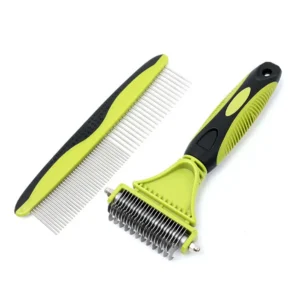 2-in-1 Pet Grooming Comb Set – Dual-Sided Deshedding & Dematting Tools for Dogs and CatsMSRP $6.29Login for wholesale pricing
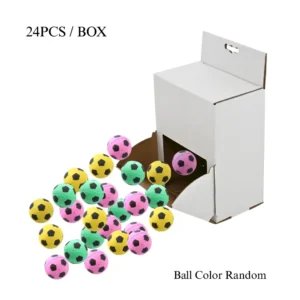 24-Pack Cat Toy Balls – Soft Latex Foam Soccer Ball Toys for Cats, Interactive Chase & Self-Play, Wholesale Pet SuppliesMSRP $8.89Login for wholesale pricing
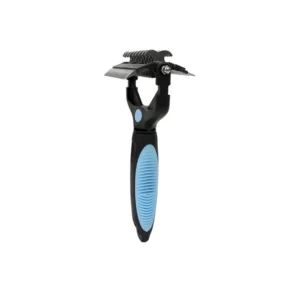 3-in-1 Pet Grooming Comb – Professional Detangling, Dematting & Deshedding Tool for Dogs & CatsMSRP $6.49Login for wholesale pricing
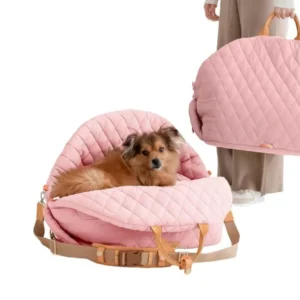 3-in-1 Small Pet Carrier Bag | Car Seat Booster, Travel Bed & Indoor Pet Bed for Dogs & CatsMSRP $21.89Login for wholesale pricing