

Inventory Management for Small Pet Retailers: Avoid Overstock & Stockouts
The Skill That Keeps You Alive
Inventory management sounds back-office and boring — until a best-seller sits empty during its peak week, or a slow SKU eats your rent in storage. For a small pet retailer, inventory is not paperwork; it is survival. Too much and cash freezes; too little and customers leave. This guide covers practical inventory management for small pet stores: the metrics that matter, reorder discipline, and how curated KITs simplify the whole puzzle.
The Two Failures
Overstock and stockout are opposite errors with the same root — guessing. Overstock ties up cash, eats space, and ages into dead stock. Stockout loses the sale today and the customer tomorrow. The goal is not “never wrong” (impossible) but “wrong in small, cheap ways” — which is exactly what small-batch and KIT sourcing enable.
The Core Metric: Sell-Through
Sell-through is the percentage of received stock you sold in a period. A KIT at 80% sell-through in a month is a winner; one at 20% is a problem. Track it per KIT and per single. Sell-through tells you what to reorder, what to drop, and what to watch — long before cash gets trapped. It is the single number a new owner most needs.
Set Reorder Points
A reorder point is the inventory level that triggers a refill before you stock out. For a proven KIT, set it from your sell-through and lead time: if you sell 10/week and restock takes two weeks, reorder at 20+ on hand. For unproven items, keep reorder points low or zero until data earns them. Reorder points turn panic into routine.
Use ABC Analysis
Rank products by contribution to revenue:
- A items (top ~20% driving ~80% of sales): watch closely, never stock out.
- B items (steady middle): manage with standard reorder points.
- C items (long tail): keep minimal, review for cuts.
KITs tend to concentrate A and B value, so protecting your KIT reorder points protects most of your revenue. ABC keeps your attention where the money is.
How KITs Simplify Inventory
Managing hundreds of singles is a spreadsheet nightmare for a new store. Curated KITs collapse that: you track a handful of KIT SKUs instead of hundreds of components, reorder whole bundles, and let the assortment stay coherent. A Retail Starter KIT is one inventory line that represents dozens of products — radically simpler to manage, with far fewer stockout surfaces. KITs are inventory management by structure, not effort.
Tools: From Spreadsheet to POS
You do not need enterprise software. A simple spreadsheet tracking KIT, received date, sold, and on-hand works for months. As you grow, a POS with inventory alerts removes the manual math. The tool matters less than the habit — a 15-minute weekly count of your top KITs catches problems before they cost sales.
Your Weekly Inventory Routine
Make it a ritual: update sold/on-hand for top KITs; flag anything below reorder point; note surprises (a KIT suddenly hot or cold); adjust next order; and review dead stock for a markdown decision. Fifteen minutes, every week, beats a frantic audit at quarter-end. Routine is what keeps small retailers solvent.
An Overstock That Taught a Lesson
A store ordered 200 of a novelty toy on a hunch, certain it would viral. It did not. The toys sat for two seasons, occupying space and cash that could have funded proven KITs. The owner switched to a small-batch toy KIT, tracked sell-through honestly, and only deepened winners. Within a quarter the dead stock cleared and cash flowed again. The lesson: inventory discipline is cheaper than a clever guess — and KITs make discipline the default.
Your Inventory Health Checklist
Run it weekly: Are top KITs above reorder point? Is sell-through logged for each? Any surprise hot or cold item flagged? Is dead stock marked for markdown? Is the spreadsheet (or POS) current? Five checks, fifteen minutes, and you catch drift before it becomes a loss. Healthy inventory is a habit, not a hero moment.
Manage by Structure, Not Stress
Inventory management for a small pet store is not about perfect prediction — it is about small, cheap mistakes and fast learning. Track sell-through, set reorder points, run ABC, and let curated KITs simplify the count. Start with our Retail Starter KITs and manage dozens of products as a few tidy lines. That is how independents stay stocked without being buried.
Ready to stock these ideas? Browse wholesale pet KITs →
Shop these pet categories
Wholesale pricing, no minimum order.
Related wholesale collections
Products mentioned here
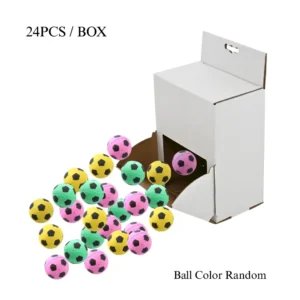 24-Pack Cat Toy Balls – Soft Latex Foam Soccer Ball Toys for Cats, Interactive Chase & Self-Play, Wholesale Pet SuppliesMSRP $8.89Login for wholesale pricing
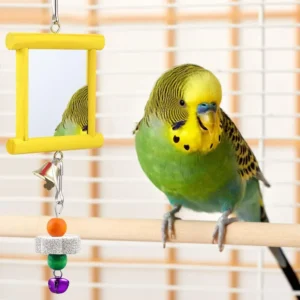 4-Pack Acrylic Parrot Toys with Mirror & Beak Grinding Accessories – Colorful Bird Cage Toys for Parrots and CockatielsMSRP $5.89Login for wholesale pricing
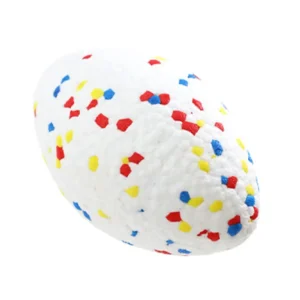 5 Inch Durable Rugby Floating Dog Ball – Chew & Fetch Water Toy for DogsMSRP $4.29Login for wholesale pricing
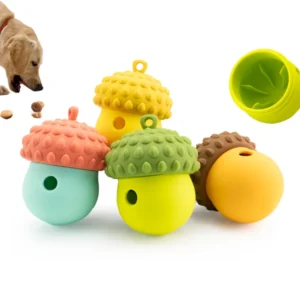 Berry-Shaped Silicone Dog Treat Dispensing Slow Feeder Toy – Durable Chew & Interactive Training Ball(MOQ 24)MSRP $3.56Login for wholesale pricing