
Pet Boutique Starter Kit Cat Supplies: Launch a Curated Feline Aisle Without Betting Your Cash
Introduction: The Feline Aisle Is the Smartest First Bet
Most first-time store owners spend their opening budget on the dog aisle and treat everything else as decoration. That is backwards for a boutique. GlobalPetIndex now profiles 91,673 pet companies across 185+ markets through 153 category, country and financial rankings — and its China Manufacturing Index alone maps 18,138 manufacturers across twelve factory-floor lists, including dedicated 2026 rankings for cat trees & condos, cat scratching posts, cat toys, and the OEM Top 20 Cat Tree OEM Manufacturers 2026. The highest-margin hard-goods category in the store now has the most transparent sourcing map in the industry. Source: GlobalPetIndex
That is exactly why a pet boutique starter kit cat supplies approach should sit at the center of your launch plan instead of a secondhand assortment of dog collars. Cat households buy vertically: a cat tree first, then scratching surfaces, then toys, then beds, then replacement pads. One good customer becomes five orders. This playbook covers the signal behind the strategy, a vetting framework built for cat furniture, a margin calculator for a starter tree, the EU and US compliance gates, and a low-MOQ path from dropship testing to your own private label.
Industry Signal Interpretation: Why Cat Supplies Reward a Curated Boutique
Five signals point the same direction:
- Hard goods are where boutiques beat big-box. Food is a price war; cat trees, condos and scratchers are a taste war. A boutique that curates designs matching modern interiors wins on look, not discount.
- The China OEM ecosystem is now publicly mapped. The GlobalPetIndex rankings hub breaks the cat supply chain into named, scored manufacturers — cat trees & condos, scratching posts, plush toys — so a two-person store can shortlist factories the way a chain buyer does.
- Cat ownership economics favor repeat spend. Scratching surfaces wear out, toys get destroyed, replacement pads and refills reorder year-round. A dog aisle earns once; a cat aisle earns monthly.
- Vertical space is free inventory. Cat furniture sells per square meter of wall, not floor. A small boutique can display eight trees in the footprint of two dog-bed tables.
- Bulky goods punish overstock. A mis-bought pallet of condos occupies a stockroom for a year. That is precisely why the starter-kit, low-MOQ model fits this category better than a bulk buy.
The strategic read: a cat supplies line is not a volume play. It is a margin, repeat-purchase and visual-identity play — the exact game an independent boutique can win with a strong factory relationship instead of a media budget.
Finding a Cat Supplies Supplier That Will Not Crack in Transit
Cat furniture is engineered board, sisal, plush and carpet joined by staples. Ship it badly and your reviews fill with photos of leaning towers. Vet every candidate on seven points:
- Flat-pack engineering and drop-test data. Ask how the tree survives a 1.2 m drop test and request photos of the actual retail carton, not a render.
- Board grade and stability certification. Thin, low-density board wobbles and warps. Ask for board thickness, density spec, and a tip-over or stability test for the tallest models.
- Sisal and plush material specs. Natural sisal wound tight beats glued fleece. Ask whether plush covers are removable and washable — boutique customers ask this first.
- Hardware completeness and spare-parts policy. A missing Allen key becomes a refund. Suppliers who include spares and sell replacement posts turn one sale into a service relationship.
- Adhesive emissions. For the EU especially, request emission test reports on glues and engineered wood; cheap adhesive smells like a return.
- Carton branding options. A factory that prints your logo on the flat-pack box turns every delivery into a brand impression. Ask minimums before you need them.
- Written damage-claim window. Get the claim process for crushed corners and snapped posts in writing before the first order ships.
A real manufacturer answers these in one email with spec sheets attached. A middleman forwards your questions and disappears. That silence is data.
The Margin Calculator: What a Starter Cat Tree Actually Earns
Here is the same 90 cm starter cat tree — the first thing a cat household buys — retailing at $79 in your boutique:
| Line item | Dropship via supplier | Bulk buy (MOQ 30) |
|---|---|---|
| Sale price in your shop | $79.00 | $79.00 |
| Supplier unit cost | $36.00 | $23.00 |
| Outbound shipping to customer | $0.00 (supplier ships) | $8.00 average |
| Contribution per unit | $43.00 (≈54%) | $48.00 (≈61%) |
| Upfront cash per SKU | $0 — you pay after the customer pays | ≈$690 plus inbound freight before the first sale |
| Inventory risk | None | You own 30 units until they sell |
| Break-even exposure | Not applicable | ≈15 of 30 units just to recover the outlay |
- Reading one: the margin gap is only about seven points, because dropship partners already own the freight rates and carton engineering a small store cannot replicate. The real cost of bulk is the $690 locked up before you know which design your local cat owners want.
- Reading two: the tree is the anchor; the margins live in the add-ons. Scratchers, plush toys, replacement pads and beds ship small, carry 55–65% contribution, and reorder constantly.
- Reading three: bulky goods punish guesswork. Dropshipping lets you test four tree designs in month one and double down on the winner, instead of warehousing the loser for a year.
Import Compliance Checklist: EU and US Lines
When the supplier ships directly to your customer, your store remains the seller of record. Cat supplies are lower-risk than electrical or food categories, but the gates below decide whether a listing survives:
- European Union: the General Product Safety Regulation requires an EU-based economic operator and traceability details on the listing. Engineered wood and adhesives should come with formaldehyde and VOC emission documentation; plush covers and rope need REACH-compliant material declarations; stability and small-parts warnings belong on the carton.
- United States: there is no pet-product-specific regulator, but California Prop 65 applies to lead and phthalates in plush and coatings, the FTC’s Textile Fiber Products Identification Act covers fabric goods, and product liability rests with you — so a test report from SGS, BV or Intertek is your first line of defense.
- Flammability and mold: pressed wood, carpet and plush all need a basic flammability check, and container-shipped furniture needs a dryness inspection — a damp carton is a ruined review.
- Universal supplier gate: require the same three documents from every candidate — business licence and production permit, a third-party test report, and destination-market material declarations.
- Fastest compliant route: prioritize suppliers who already warehouse in your sales market. Domestic fulfilment removes most cross-border paperwork, shortens delivery from weeks to days, and protects the shipping score your listings depend on.
Building a Pet Boutique Starter Kit Cat Supplies Range on Low MOQ
The starter-kit phase is market research with a margin attached. Run it in this sequence:
- Launch with a focused feline range. List 20–30 SKUs: two or three tree designs, one wall shelf, two scratcher styles, one bed, and eight to ten toys. A complete but small cat wall reads as curated, not sparse.
- Watch for the reorder signal. Any tree design that sells steadily for eight to ten weeks, or whose add-on toys out-convert the catalogue average, is your private-label candidate. The sales data chooses the design, not your taste.
- Negotiate a small branded batch. Scratchers, toy sets and replacement pads are the easiest branded wins: many factories will produce 100–200 branded units at 25–35% below their dropship price, with your logo on carton and label.
- Keep both listings live. The dropship version covers demand while your branded batch is produced; the branded version carries the higher margin and builds recognition with repeat buyers.
- Repeat per winner. Two or three private-label winners a year turn the feline wall into the most profitable square meters of the boutique — discovered with inventory risk on exactly zero units.
When you are ready to expand beyond the feline wall, you can browse our top wholesale products to see what converts across categories, review a complete pet store starter essentials kit for the non-cat basics, or check our shipping terms before you commit your first order.
Your Action List for This Week
- Open the GPI China cat rankings. Start with the cat trees & condos and scratching posts lists on the GlobalPetIndex rankings hub and shortlist three manufacturers with export credentials.
- Send the same seven questions to each: drop-test data, board grade and density, material specs, spare-parts policy, adhesive emissions, carton branding, damage-claim window.
- Order one starter tree to your own address. Assemble it, time the build, shake it like an enthusiastic cat owner, and photograph it. Your photos and notes become the trust layer of your listings.
- Price the first bundle before launch. A tree plus a scratcher plus a toy three-pack lifts average order value by 30–50% compared with selling the tree alone.
- File the compliance documents for your first two SKUs before they go live. Filed paperwork is what turns a platform review into a formality.
FAQ
What should a pet boutique starter kit for cat supplies include?
A focused range of 20–30 SKUs: two or three cat tree designs, wall shelves, two scratching surfaces, one or two beds, and a toy assortment. That is enough to look curated without locking your cash into bulky inventory that may not match local taste.
Can I run a pet boutique starter kit cat supplies range without holding inventory?
Yes. The range works well on dropship because the supplier warehouses the bulky trees and ships flat-packs directly to your customers. You still own compliance, packaging presentation and the customer relationship, so vet the factory before you list.
How do I find reliable cat tree manufacturers?
Start from a verified industry map rather than a marketplace search. The GlobalPetIndex rankings hub lists cat tree, scratching post and pet bed manufacturers with scores and export context, which turns supplier research from guesswork into a shortlist you can email in an afternoon.
Which cat products have the best repeat sales?
Scratching surfaces, plush toys and replacement pads wear out and reorder monthly, while beds and trees anchor the first purchase. Stock the anchors deep and the consumables wide, and the aisle compounds on itself.
This article’s industry signals are cited from GlobalPetIndex public industry data, for procurement decision reference only; specific compliance is subject to the latest regulations of the destination country.
Ready to stock these ideas? Browse wholesale pet KITs →
Shop these pet categories
Wholesale pricing, no minimum order.
Related wholesale collections
Products mentioned here
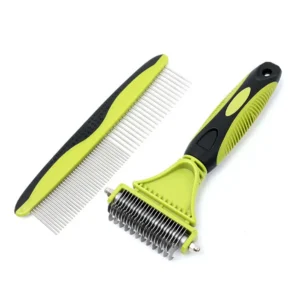 2-in-1 Pet Grooming Comb Set – Dual-Sided Deshedding & Dematting Tools for Dogs and CatsMSRP $6.29Login for wholesale pricing
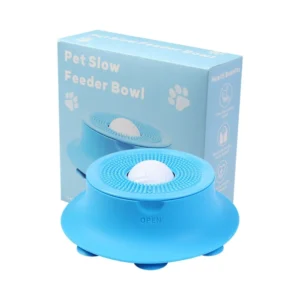 2-in-1 Silicone Slow Feeder and Lick Bowl for Dogs and Cats | Wholesale Slow Feeder Dog BowlsMSRP $19.99Login for wholesale pricing
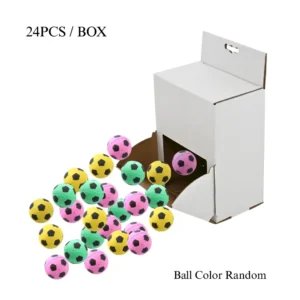 24-Pack Cat Toy Balls – Soft Latex Foam Soccer Ball Toys for Cats, Interactive Chase & Self-Play, Wholesale Pet SuppliesMSRP $8.89Login for wholesale pricing
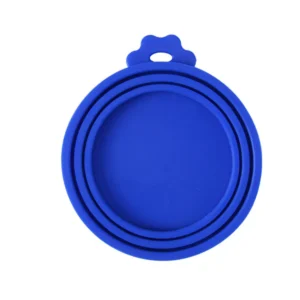 3-in-1 Cat Dog Food Sealing Three Ring Design Silicone Pet Can Lid | Wholesale Dog Bowls & FeedersMSRP $2.99Login for wholesale pricing