
Pet Dental Chews to Stock in 2026 | JustForPetStore
Pet dental chews are now a $584.8 million global category in 2026, growing at 7.4% annually through 2033, per Grand View Research, with periodontal disease affecting roughly 80% of dogs by age three, per the American Veterinary Medical Association (AVMA). For an independent pet store, the category combines repeat-purchase frequency, clinically validated differentiation, and a real preventive-care story that customers can be sold on without a discount pitch.
Why are pet dental chews a smart category for indie pet stores in 2026?
Two numbers make this category worth a closer look in 2026. The American Pet Products Association (APPA) 2026 State of the Industry report counts 71 million U.S. dog-owning households and 53 million cat-owning households, with new dog ownership alone adding roughly four million homes in 2025. Grand View Research puts the U.S. pet dental nutrition market at $584.8 million in 2026 and projects it to reach $966.3 million by 2033, which implies roughly 65% category growth over the next seven years. Dental chews and treats led that same market with a 45.4% revenue share in 2025, the largest single product segment.
For an indie store, that math lands in three places at once. The first is foot traffic: a dental chew is a weekly or twice-monthly purchase, which means a customer is back in the store more often than they would be for a bag of food. The second is basket size: dental chews sit naturally next to a toothbrush, a water additive, and a bag of dental diet food, and a customer buying one almost always leaves with two or three. The third is gross margin: VOHC-validated chews are premium-positioned, and customers buy them on the strength of the recommendation, not the price tag. None of these dynamics require scale to work, which is what makes the category a fit for a one-store owner rather than only for chains. For the broader buying lens, see our best selling pet supplies guide.
How large is the pet dental chews market in 2026?
The global market sizing is consistent across the major research houses, with slight differences by scope. Grand View Research’s Pet Dental Nutrition market (which includes dental food, dental chews and treats, and powders or granules) is sized at $545.8 million in 2025, $584.8 million in 2026, and $966.3 million by 2033, a 7.4% CAGR from 2026 to 2033. North America led the market with a 38.6% revenue share in 2025; dogs accounted for 57.2% of 2025 revenue; and dental chews and treats were the dominant product segment with a 45.4% share.
Future Market Insights narrows the lens to the U.S. dental supplement chews sub-segment and reports the U.S. market at $183.8 million in 2026, with a 6.9% CAGR through 2036 reaching $358.2 million. Dogs account for 78.6% of that U.S. sub-segment, functional chews hold 63.8% of product-type demand, and firm chews hold 58.4% of texture-format demand.
Persistence Market Research casts a wider net across all pet oral care, including toothbrushes, toothpaste, chews and treats, oral rinses, dental sprays, and dental wipes. They size the global pet oral care market at $2.2 billion in 2026, reaching $3.5 billion by 2033 at a 6.9% CAGR. Chews and treats are set to command approximately 40% of that 2026 revenue, and dogs are projected to account for over 60%. North America accounts for around 38% of global revenue in 2026, and the fastest-growing sub-segment through 2033 is dental sprays.
Three patterns stand out across all three reports. The category is growing faster than overall pet food, even as pet food itself grows. Dogs dominate the chews sub-segment because the chew format maps to canine chewing behavior; cats are the fastest-growing pet type for adjacent formats like water additives and sprays. And clinical validation matters more than flavor; the Veterinary Oral Health Council (VOHC) seal is the line that separates a premium chew from a treat with a claim. For more on the supplement side of preventive pet care, see our pet joint supplements guide.
Which dental chew formats sell best in 2026?
Functional dental chews and dental sticks are the dominant formats in the data. Future Market Insights puts functional dental chews at 63.8% of product-type demand and firm chews at 58.4% of texture-format demand in the U.S. supplement chews sub-segment. Grand View Research’s broader pet dental nutrition segment shows dental chews and treats at 45.4% of revenue in 2025, with dental food, water additives, and powders or granules splitting the rest.
The VOHC product registry shows the practical side of the format picture. The 2026 listings include Greenies Original Dental Dog Treats (VOHC accepted for both plaque and tartar, with a flexible brush-shaped design that wraps around teeth); Purina Pro Plan Veterinary Dental Chewz (dual-texture with raised nubs and ridges, including sodium hexametaphosphate, a sequestrant that binds calcium in saliva to slow tartar mineralization); Virbac C.E.T. VeggieDent FR3SH Chews (plant-based Z-shape for dogs with poultry or beef sensitivities); and Pedigree Dentastix Small (the most affordable VOHC-accepted option at under $15 for a 58-count bag).
Cats lag dogs in chew-format offerings because feline jaw structure and palatability windows are narrower. VOHC-accepted cat dental chews on the 2026 registry include Feline Greenies Dental Treats, Whiskas Dentabites, Purina DentaLife Daily Oral Care Cat Treats, and Purina Pro Plan Veterinary Diet Dental Bites. For indie stores, the practical move is to carry the top two or three dog SKUs in VOHC-validated form, one cat SKU, and at least one water additive or spray for the cat owners who ask for a non-handling solution.
What should indie pet stores look for in a VOHC-accepted chew?
The VOHC seal is the single strongest quality signal in the category. The Veterinary Oral Health Council awards its seal to products that pass controlled clinical trials showing statistically significant reduction in plaque and/or tartar. To put it in shopper language: a chew that bears the seal has been independently tested to reduce plaque or tartar by at least 15% to 20%, depending on the claim category.
Four selection criteria separate the chews worth stocking from the chews worth skipping. First, VOHC acceptance for the relevant claim, plaque, tartar, or both. The 2026 VOHC registry includes products accepted for plaque, tartar, or both, and the seal year on the package tells the buyer how recently the data was reviewed. Second, size-to-weight match: the chew must be large enough that the dog cannot swallow it whole, but not so large that the dog loses interest. Most brands offer weight-based sizing from small (5 to 15 lb) to large (50+ lb). Third, calorie content: dental chews are treats, not free calories. A single chew can range from 50 to 170 kcal, and a daily chew for a small dog can represent a fifth of its daily ration. Factor that into the customer’s recommendation. Fourth, ingredient transparency: look for recognizable protein sources, an AAFCO statement or supplemental feeding designation, and avoid chews with excessive fillers, artificial colors (Yellow 5, Red 40), or added sugars.
A practical question to ask the brand rep: do they have clinical trial data behind the plaque or tartar claim, and was it done in the last five years? Many legacy claims predate the current VOHC protocol and may not survive an updated trial. A brand that can show you current data is a brand that can survive your customer asking the same question.
How should indie pet stores price dental chews?
Three pricing tiers show up in the VOHC-accepted set. Premium tier: Greenies Original (around $0.55 to $1.10 per chew depending on size), Purina Pro Plan Veterinary Dental Chewz (around $1.20 to $1.80 per chew), Virbac C.E.T. VeggieDent FR3SH Chews (around $22 to $38 for a 30-count box). Mid tier: Pedigree Dentastix (around $15 for a 58-count bag), OraVet (around $21 for a 30-count box). Value tier: store-brand chews with VOHC-validated formulas, typically $0.50 to $0.90 per chew.
A healthy shelf carries one product in each tier, because the customer who walks in looking for “the one the vet recommended” is not the same customer who walks in looking for “something that works and won’t break the bank.” Most independents sell 60% to 70% of unit volume in the premium and mid tiers, because the VOHC-validated claim carries the recommendation.
For gross margin, dental chews run 35% to 50% at retail on the premium tier, lower on the value tier. A small store moving 30 chews a week at an average $1.50 per chew is looking at $45 to $65 a week in gross profit from a single SKU, more once the cross-sell (water additive, toothbrush) is counted in. For the wholesale sourcing side of that math, see our wholesale pet supplies program.
How should indie pet stores merchandise dental chews on the shelf?
Three placements work better than the rest. First, the small-dog wall. Dental chews are disproportionately bought by owners of small and toy breeds, because small dogs are more prone to dental disease and the chews are sized to fit a 5 to 15 lb dog. Put the small and teenie sizes at small-dog eye level, and watch the conversion lift.
Second, the cross-sell endcap. Toothpaste, finger brushes, and water additives next to the chews convert at two to three times the rate of those same products placed in a separate “dental care” aisle. The reason is simple: customers who came in for a chew are not shopping the dental care aisle; they are buying a treat, and the toothbrush is a question they did not know they had until they saw it.
Third, the subscription hook. Pet care’s overall growth is concentrating in subscription orders, per the data we’ve been quoting, and dental chews are the easiest chew-to-subscribe SKU. A monthly auto-ship of 30 chews is roughly the size that fits a single medium dog, and the customer rarely cancels because the cadence is built into the dog’s routine. For the customer service side of running a subscription program at a small store, see our pet store customer service guide. For sourcing the chews themselves, our dog supplies category is the place to start.
Frequently Asked Questions about Pet Dental Chews in 2026
Are dental chews effective for dogs?
Yes, but only if they carry the Veterinary Oral Health Council (VOHC) seal. VOHC-accepted chews have passed controlled clinical trials showing a statistically significant reduction in plaque or tartar. The 2026 VOHC registry includes brands like Greenies, Purina Pro Plan Dental Chewz, and Virbac C.E.T. VeggieDent. Non-VOHC chews are treats with a claim, not a clinically validated product.
How often should a dog have a dental chew?
Most VOHC-accepted chews are dosed daily. The Greenies daily feeding study showed 47% less tartar accumulation and 40% less plaque in 28 days when given daily. For an adult dog, that means one chew per day, factored into the daily caloric budget to avoid weight gain. For puppies, follow the brand’s age-specific guidance.
Do cats benefit from dental chews?
Cats benefit from dental care, but the chew format is harder for cats because of their narrower jaw and pickier palatability. VOHC-accepted options for cats include Feline Greenies, Whiskas Dentabites, and Purina Pro Plan Dental Bites. For cats that resist handling, water additives and oral sprays are the faster-growing sub-segment and are often an easier sell.
What is the best price point for an indie store in 2026?
Carry one premium-tier SKU (around $1 per chew), one mid-tier VOHC SKU (around $0.50 to $0.80 per chew), and one value or store-brand SKU. Most independent stores sell 60% to 70% of unit volume in the premium and mid tiers because the VOHC validation carries the recommendation, and customers pay for the validation, not the price.
Ready to stock these ideas? Browse wholesale pet KITs →
Shop these pet categories
Wholesale pricing, no minimum order.
Related wholesale collections
Products mentioned here
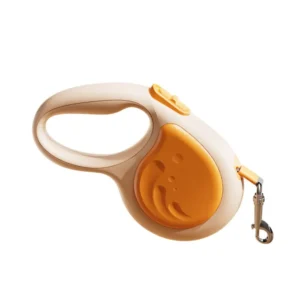 19.6 ft Outdoor Nylon Automatic Retractable Dog Leash – Heavy-Duty Pet Leash for Large and Small DogsMSRP $8.99Login for wholesale pricing
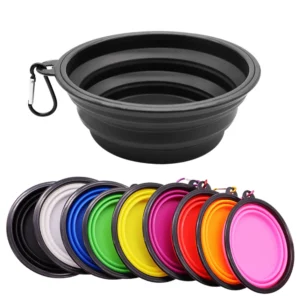 2 Pack Collapsible Silicone Dog Bowls – Portable Pet Food & Water Travel Bowl with CarabinerMSRP $1.78Login for wholesale pricing
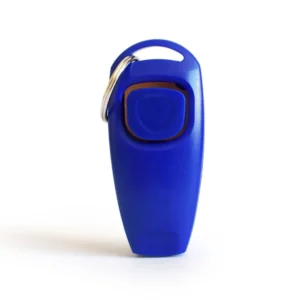 2-in-1 Dog Training Whistle & Clicker – Outdoor Pet Training Device, Factory-Direct Wholesale (MOQ 50)MSRP $2.18Login for wholesale pricing
 2-in-1 Pet Grooming Comb Set – Dual-Sided Deshedding & Dematting Tools for Dogs and CatsMSRP $6.29Login for wholesale pricing