

Pet Hygiene 101: The Daily, Weekly and Monthly Cleaning Routine Every Owner Needs
Every pet owner knows the joy of a happy, healthy companion — but behind that joy sits a reality that independent pet retailers talk about far less often than they should: the daily grind of staying clean. Whether you run a single neighborhood shop or supply dozens of stores across a region, the products your customers reach for most are the humble, repeat-purchase basics. That is exactly why pet hygiene products deserve a permanent, prominent place in your assortment. In this guide we break down a practical pet cleaning routine built around daily, weekly, and monthly tasks, and we show how the Pet Care & Hygiene Kit bundles the high-frequency items — litter boxes, waste bags, nail clippers, brushes, and hair removers — that keep both pets and shelves healthy. If you stock the right mix, you are not just selling supplies; you are selling peace of mind that customers come back for week after week.
For a B2B buyer, the lesson is simple but powerful: hygiene is not a one-time purchase category. It is a subscription-like behavior in disguise. Owners who commit to a routine buy the same categories over and over, which means reliable, predictable reorders for the retailers who serve them. Below, we map the routine itself, the products that power it, and the merchandising logic that turns a chore into a loyal, recurring revenue stream.

Why a Consistent Pet Cleaning Routine Pays Off
A routine is the difference between a home that smells fresh and one that quietly accumulates mess, odor, and bacteria. From a retailer’s perspective, the routine is also the difference between a one-off sale and a lifetime customer. When an owner settles into a rhythm of daily, weekly, and monthly tasks, they naturally adopt a short list of trusted products — and those products become the backbone of your repeat business.
The most successful pet stores we work with do not treat pet hygiene products as a scattered afterthought. They merchandise them as a system. A daily freshening spray sits next to waste bags at the checkout. A weekly brush and nail clipper live in the grooming aisle. A monthly deep-clean descaler anchors the “maintenance” endcap. Customers who see the whole system laid out are far more likely to buy the full set rather than a single item.
There is a health dimension, too. Regular cleaning reduces the spread of parasites, minimizes skin irritation, and keeps litter areas sanitary for cats. For dogs, a consistent grooming hygiene habit cuts down on mats, hot spots, and the kind of odors that make owners embarrassed to invite guests over. Retailers who educate their customers about routine — through signage, handouts, or blog content like this — position themselves as trusted advisors rather than mere product pushers.
The retailer’s incentive aligns perfectly with the owner’s wellbeing. When a customer’s pet is clean and comfortable, that customer stays a customer. When the home smells fresh, they tell friends, who become new customers. Word-of-mouth in the pet community is remarkably strong, and hygiene success is one of the most shareable wins an owner experiences. Stocking the right pet hygiene products is therefore not just inventory management; it is community-building. The stores that thrive in this category are the ones that make routine effortless, visible, and rewarding — and that starts with the products you choose to put on the shelf.
The Daily Pet Cleaning Routine
The daily layer is the foundation. It is small, quick, and, crucially, it is where the highest-velocity consumables live. A solid daily pet cleaning routine has four pillars:
1. Waste Management First Thing in the Morning
For cat households, scooping the litter box every morning is non-negotiable. Stocking a range of cat litter supplies — from clumping clay to silica and biodegradable options — lets owners choose the texture their cat prefers. For dog owners, a morning walk is the moment pet waste bags get used, and a dispenser plus a roll of bags is the classic “grab-and-go” impulse buy near the door.
2. Quick Coat Check and Wipe-Down
A thirty-second wipe with a pet-safe cleansing cloth removes pollen, dirt, and dander before they spread through the home. This is where a branded wipe or rinse-free foam earns a permanent spot in the basket. Many retailers find that a “daily essentials” pegboard near the entrance turns a forgotten category into a staple.
3. Food and Water Bowl Refresh
Bowls should be rinsed daily to prevent biofilm buildup. While this is more of a habit than a product, it is the perfect upsell moment for a sanitizing brush or a dishwasher-safe bowl bundle. Tie it back to the hygiene story: clean bowls mean fewer digestive upsets and fewer vet visits.
4. Odor Control Touch-Ups
A light mist of enzymatic deodorizer on bedding or in the litter area keeps a home smelling neutral. Owners who discover a product that “actually works” will repurchase it for years. That is the repeat-purchase gold you are building toward.
The Weekly Grooming Hygiene Checklist
Where the daily layer is about speed, the weekly layer is about maintenance and bonding. This is the heart of grooming hygiene, and it is where brushes, clippers, and removers shine.

Brushing and De-Shedding
Most pets shed continuously, and a weekly brush-out prevents loose hair from migrating onto furniture and clothing. A quality slicker brush or de-shedding tool pays for itself in saved vacuuming. For retailers, the brush is a mid-price hero product: high perceived value, low storage cost, and a natural companion to pet hygiene products like shampoos and conditioners.
Nail Care
Overgrown nails cause discomfort and even joint strain. A reliable nail clipper — or a gentler nail grinder for anxious pets — belongs in every weekly kit. Train your staff to demo it; a confident in-aisle demonstration converts browsers into buyers far better than a silent shelf tag ever will.
Ear and Eye Wipes
Weekly ear checks catch infections early, especially for floppy-eared breeds. Pre-moistened ear wipes are an easy add-on, and they reinforce the “prevention is cheaper than treatment” message that builds trust with customers.
Bath Time (As Needed)
Not every pet needs a weekly bath, but when they do, a gentle, pH-balanced shampoo matters. Pair it with a towel and a brush for a “spa night” bundle that lifts average order value while keeping the hygiene narrative front and center.
The Monthly Deep-Clean and Maintenance Plan
The monthly layer is where the home gets reset. It is less frequent but higher effort, and it is the perfect moment to introduce deeper-cleaning SKUs.
Litter Box and Habitat Refresh
Once a month, the entire litter station should be emptied, washed, and disinfected, then refilled with fresh cat litter supplies. This is when a spare litter box or a washable liner sells itself. Recommend owners keep at least two boxes per cat — a well-known guideline that quietly doubles your litter and box volume per household.
Wash Everything Fabric
Bedding, blankets, and washable toys should hit the laundry monthly with a pet-safe detergent. A stain-and-odor laundry additive is a natural monthly repurchase, and it pairs beautifully with the Professional Grooming Kit for owners who want a fuller coat-care system.
Tool Sanitation
Brushes, clippers, and combs accumulate hair and oil. A monthly soak in a sanitizing solution extends their life and protects pet skin. Sell the solution next to the tools — the convenience of one-stop shopping keeps the sale in your store instead of a big-box competitor’s.
Stocking the Right Pet Hygiene Products for Your Shelf
As a B2B buyer, your job is to translate this routine into a shelf plan that mirrors how owners actually live. Here is a simple mapping of routine stage to the SKUs you should always have in stock:
| Routine Stage | Core Products | Repurchase Frequency |
|---|---|---|
| Daily | pet waste bags, litter, wipes, deodorizer | Weekly–Monthly |
| Weekly | Brushes, nail clippers, ear/eye wipes, shampoo | Monthly–Quarterly |
| Monthly | Spare litter boxes, laundry additive, tool sanitizer | Quarterly–Annual |
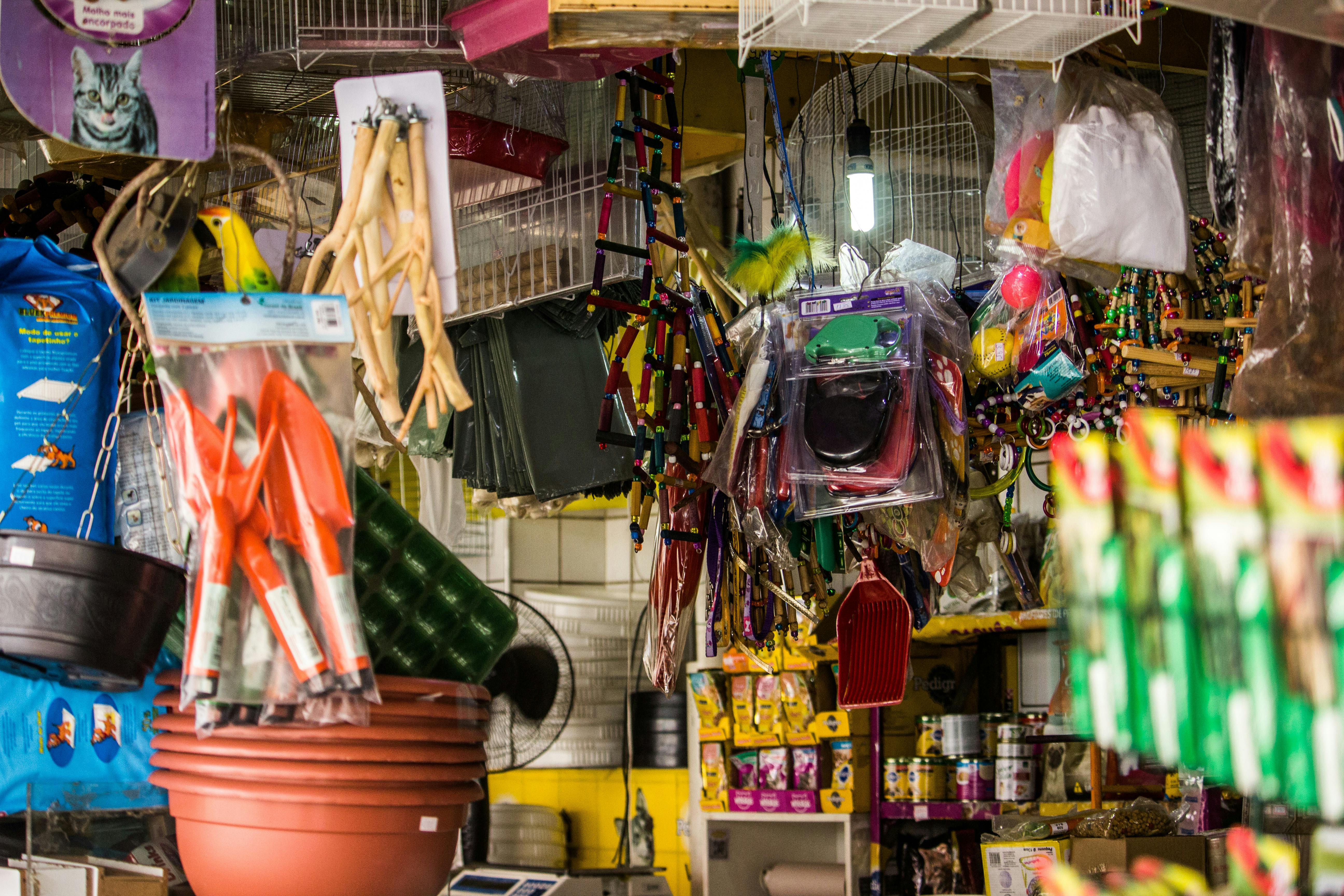
Notice the pattern: the daily and weekly tiers drive the volume, while the monthly tier drives basket size and margin. A balanced plan leans on both. For retailers building a broader wellness story, the Slow Feeding & Wellness Kit complements hygiene nicely, since clean feeding habits and clean grooming habits reinforce the same “responsible owner” identity.
How the Pet Care & Hygiene Kit Bundles High-Frequency Repurchase Items
Not every retailer wants to assemble this mix SKU by SKU. That is the gap the Pet Care & Hygiene Kit was built to fill. It gathers the highest-frequency repurchase items — litter boxes, waste bags, nail clippers, brushes, and hair removers — into a single wholesale bundle your customers can grab as a starter system or restock as a set.
The bundle logic is deliberate. Each item inside maps to a routine stage we described above, so the kit practically sells itself when you tell the routine story. A new cat owner needs a box, litter, and bags on day one; a dog owner needs bags, a brush, and clippers within the first week. By presenting them together, you lower the decision friction and raise the initial basket — then enjoy the recurring reorders as consumables run out.
For buyers who want to customize the mix, our build-your-own wholesale kit lets you swap in the exact SKUs your local market demands, whether that means more biodegradable pet waste bags or a heavier emphasis on de-shedding brushes. And if you want to see the full range of bundles we offer across categories, the shop wholesale kits hub is the best place to plan your next order.
Common Pet Hygiene Mistakes Retailers Can Help Customers Avoid
Part of being a trusted retailer is steering owners away from the habits that quietly undermine their routine. A few mistakes come up again and again, and each is an opportunity to educate — and to sell the right pet hygiene products as the fix.
Over-Bathing and Stripping Natural Oils
Many well-meaning owners bathe dogs weekly, not realizing that frequent washing strips the coat’s protective oils and can trigger dry, itchy skin. The better message is “brush often, bathe occasionally.” A good brush — the kind included in the Pet Care & Hygiene Kit — does more for daily cleanliness than a bath ever will, and it protects the skin barrier in the process.
Reaching for Human Products
Human shampoos and wipes are formulated for a different skin pH and can cause irritation or worse in pets. Stocking clearly labeled, pet-specific alternatives next to the human-looking options prevents the mistake at the point of purchase. A simple shelf talker — “Made for paws, not for people” — does wonders.
Ignoring the One-Box-Per-Cat-Plus-One Rule
When a household has two cats and a single box, accidents and odor follow. Reminding owners of the box ratio not only improves grooming hygiene outcomes but also lifts your cat litter supplies and box volume per customer. It is one of the easiest upsells in the store.
Forgetting Tool Sanitation
Brushes and clippers collect hair, oil, and bacteria. A monthly soak in a sanitizing solution keeps them safe and extends their life. Pairing a tool sanitizer with every brush and clipper purchase turns a one-time buy into a small, steady consumable sale.
Buying the Cheapest Waste Bags That Tear
A torn pet waste bags roll is a fast way to lose a customer’s trust. Carrying a reliably strong house brand at a fair price builds loyalty better than the absolute cheapest option. Owners remember the bag that did not break, and they come back for it.
Frequently Asked Questions
What are the most essential pet hygiene products for a new owner?
The non-negotiables are waste management (litter and a box for cats, waste bags for dogs), a basic brush, and nail clippers. From there, wipes and a deodorizer round out a daily routine. The Pet Care & Hygiene Kit bundles exactly these high-frequency items so new owners start with a complete system rather than a confusing partial list.
How often should litter boxes be cleaned for good hygiene?
Scoop daily and do a full wash-and-refill monthly, with a complete litter change every two to four weeks depending on the number of cats. Keeping at least one extra box per cat improves compliance and, practically speaking, doubles the litter and box volume you sell per household.
Can grooming hygiene really reduce vet visits?
Industry experience shows that consistent brushing, nail care, and ear cleaning catch minor issues — mats, overgrown nails, early infections — before they become expensive problems. While it is not a substitute for veterinary care, a solid grooming hygiene habit is one of the cheapest forms of prevention a retailer can recommend.
Why are pet waste bags considered a high-frequency repurchase item?
Dog owners use them on every walk, every single day. A single household can go through a roll every week or two, which makes pet waste bags one of the steadiest repeat-purchase categories in the entire pet aisle. Stocking them at eye level near the entrance is a proven basket-builder.
How do I merchandise a pet cleaning routine effectively in-store?
Group products by routine stage rather than by brand. A “Daily Essentials” pegboard, a “Weekly Grooming” aisle, and a “Monthly Deep-Clean” endcap tell a story customers instantly understand — and the story drives system purchases instead of one-off grabs.
Conclusion
A reliable pet cleaning routine is not a luxury; it is the quiet engine behind a healthy pet and a healthy retail business. By teaching your customers the daily, weekly, and monthly rhythm — and stocking the pet hygiene products that power it — you turn one-time shoppers into predictable, recurring revenue. The Pet Care & Hygiene Kit does the heavy lifting for you, bundling litter boxes, waste bags, nail clippers, brushes, and hair removers into a single wholesale system your customers will restock again and again. Explore the full lineup and plan your next order through our shop wholesale kits hub, or build a custom mix with our build-your-own wholesale kit today.
Shop the matching wholesale KIT
Shop these pet categories
Wholesale pricing, no minimum order.
Related wholesale collections
Products mentioned here
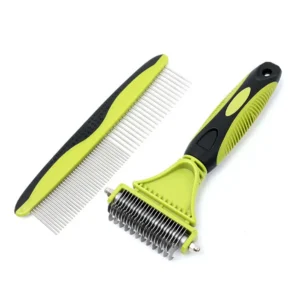 2-in-1 Pet Grooming Comb Set – Dual-Sided Deshedding & Dematting Tools for Dogs and CatsMSRP $6.29Login for wholesale pricing
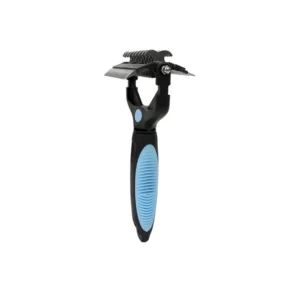 3-in-1 Pet Grooming Comb – Professional Detangling, Dematting & Deshedding Tool for Dogs & CatsMSRP $6.49Login for wholesale pricing
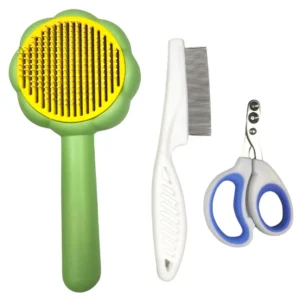 3-in-1 Pet Grooming Set with Comb, Brush & Nail Clipper – Wholesale for Pet Shops(MOQ 32)MSRP $5.59Login for wholesale pricing
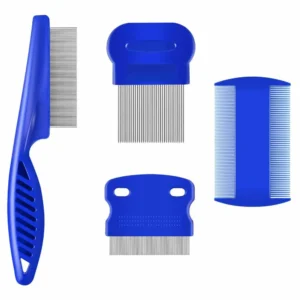 4 Pack Cat Flea Comb Set – Blue Grooming Tools for Long Hair Cats & Dogs | Wholesale Pet Grooming SuppliesMSRP $1.98Login for wholesale pricing