
Pet Product Trends 2026: 5 From SuperZoo | JustForPetStore
Pet product trends 2026 are shifting from “more stuff” to “better stuff,” and the proof was on the floor of SuperZoo 2026 in Las Vegas. The World Pet Association (WPA) show drew more than 22,000 pet professionals and 1,100 exhibitors, with a New Product Showcase honoring winners across 24 categories. Five trends stood out for independent retailers: enrichment toys, smart health tech, preventive wellness, sustainable sourcing, and lifestyle gear. Here is what to stock and why.
Which Pet Product Trends 2026 Dominated SuperZoo?
The 2026 show floor told a clear story: the pet parent is no longer buying a toy, a bed, and a bag of food as separate, interchangeable purchases. She is buying outcomes—a calmer dog, a monitored senior cat, a cleaner bowl, a product with a smaller footprint. WPA’s New Product Showcase winners map directly onto that shift, as Pet Food Processing’s SuperZoo 2026 coverage details. The Judges’ Choice grand prize went to Talktail, an AI pet health monitoring collar. Category winners included Rad Cat freeze-dried raw cat food from Tucker’s, Gnü bone broth chews for dogs, Real Mushrooms functional mushroom supplements, Benny Bullys freeze-dried beef liver training treats, GreenLine Pet Supply’s freeze-dried dog ice cream, Archway’s sustainability-winning silver carp fish maws, and Earth Animal’s No-Hide Stix in the Made in America category.
Read the list once and the pattern is obvious: the winning products either solve a health problem, use a cleaner ingredient story, or give the owner visibility into the pet’s wellbeing. That is the through-line behind every pet product trend 2026 has produced so far, and it is the filter a small retailer should use when deciding what earns shelf space.
Why Are Enrichment Toys the Strongest Pet Product Trend 2026?
Enrichment is the clearest winner on the 2026 floor, and it is not a fad—it is a correction. A plain squeaky toy occupies a dog for minutes; a puzzle or snuffle toy engages the dog’s brain, slows down eating, and tires the animal out in a way owners can see. WPA’s show coverage named mental enrichment as one of the year’s core directions, and the category is visible in the award list from dog chews designed for long, calm chewing to multi-texture bird perches built for both grip and foraging. Exhibitors like Giddy Kitty, which won the LAUNCH Pitch Competition hosted by Purina and WPA, are building entire young brands around cat enrichment—combining toys with proprietary treats to engage a cat the way a laser pointer never could.
For the retailer, enrichment is the highest-margin, highest-repeat pet product trend 2026 offers, because it solves a real problem the customer can observe. Stock a small but serious wall of it: two or three slow-feeder and lick-mat options, a rotating puzzle toy for dogs, and a foraging toy or treat ball for cats. When an owner asks “my dog eats too fast” or “my cat is bored,” you have a specific answer and a specific product—and that is the sale Amazon’s search box struggles to close.
How Big Is Smart Health Tech in Pet Product Trends 2026?
Smart tech has moved from novelty to category. The Judges’ Choice win for Talktail’s AI health monitoring collar is the headline, but it is not the whole story: the 2026 floor was dense with smart feeders, health-monitoring devices, and pet cameras that let owners check in from the office. Per Exhibit City News coverage of the show, buyers were asking vendors harder questions about ingredients, testing, and certification—a sign that the category is maturing from gadget to genuine health tool.
The honest read for an indie is that smart tech is a demonstration-driven sale. It does not sell from a shelf; it sells from a live demo, a video, or a staff member who can explain what the device actually measures. If you carry it, carry a tight, curated set—one or two monitoring collars or smart feeders—and treat the demo as the product. The independent store’s edge over the big-box is exactly this: you can plug the thing in, hand it to the customer, and answer the question “what does it actually tell me?” in a way a marketplace listing cannot.
Why Does Preventive Wellness Keep Climbing the Trend List?
Preventive care is the quiet engine behind several pet product trends 2026 has surfaced. The SuperZoo floor was heavy on functional nutrition—Real Mushrooms’ functional mushroom supplements, bone broth chews, and freeze-dried single-ingredient treats—and on supplements aimed at mobility, skin, coat, and gut health. The show’s own organizers flagged preventive health as a core direction, and the American Pet Products Association (APPA) frames the same demand at market scale: U.S. pet spending reached $158 billion in 2025 and is projected to hit $165 billion in 2026, with a growing share going to products owners believe keep their pets healthier longer.
This trend matters to a small store because it is margin-rich and loyalty-rich. Wellness products carry a story the owner has to hear, which means they bring the customer back for re-education and refills. A monthly “supplement bar” where staff walk three to five customers through ingredient labels—what a postbiotic is, why joint support matters for a senior dog—turns a $20 supplement into a recurring basket and a reason to visit. The store that can explain wellness wins the customer Amazon cannot serve.
How Do Sustainable and Lifestyle Products Fit Into Pet Product Trends 2026?
Two quieter trends from SuperZoo 2026 deserve a spot on your shelf because they compound with everything else. The first is sustainability, which has shifted from a marketing badge to a baseline requirement. The show’s New Product Showcase gave its sustainability award to Archway’s silver carp fish maws—a product that turns an invasive species into a functional treat—and buyers across the floor were asking vendors about ingredient sourcing, recyclable materials, and low-carbon packaging. For a small store, that means one or two hero products with a genuine, explainable sustainability story outperform a shelf full of vague “eco-friendly” claims.
The second is lifestyle and design. Pet products are increasingly bought to live in a human home, not just to serve a pet: beds and crates that match the sofa, feeders that look like furniture, apparel and travel gear that photograph well. This is the category where an independent beats a warehouse store, because it is a design and taste decision made in person, not a price decision made in a search bar. Stock a tight lifestyle edit—two or three beautiful, functional pieces—and let them anchor your front table. Both trends are quieter than enrichment, but they are the ones that lift your average ticket and pull customers back for a second look.
What Should a Small Store Stock First From These Trends?
You cannot stock all of SuperZoo, and you should not try. The smart small-store play is to take a narrow position in each of the five trends, sized to your floor and your cash. Start with enrichment, because it is the cheapest to test and the easiest to demo. Add one or two smart tech items only if a staff member will demo them. Build a wellness end-cap around functional treats and supplements you can explain. Test sustainable sourcing with one or two hero products—a recycled-material toy or a treat with a clean ingredient story—and let the story do the selling. Layer lifestyle gear (pet apparel, travel, and home accessories that look good in a living room) as a gift-adjacent category that photographs well and pairs with holiday buying.
Then let the data decide. The top independent stores, per Pet Business Professor’s SuperZoo analysis, track what actually sells and cut what does not, rather than chasing every new product on the floor. Buy small, watch sell-through, and reorder the winners. The 2026 pet product trends reward the retailer who curates tightly and explains deeply—not the one who stocks the most.
One more practical filter: match each trend to a customer question you can actually answer across the counter. “My dog inhales his dinner” points to a slow feeder. “I never know if my senior cat is okay during the day” points to a monitor or camera. “My dog’s joints are stiff in the morning” points to a mobility supplement. If a product does not attach to a question a real customer asks you, it does not earn the shelf, no matter how well it won an award. That question-first filter is what turns a trend report into a sellable assortment, and it is the difference between a store that carries the 2026 trends and a store that profits from them.
For the enrichment wall, start with our pet toys category and the dog supplies range for puzzle feeders and slow-feed options, plus cat supplies for foraging and treat toys. If you want the evergreen picks that anchor the whole assortment, our best-selling pet supplies guide names the SKUs independents reorder month after month. And when you are ready to test these trends without overcommitting, our low-MOQ sourcing page shows how small shops run tight first buys and fast replenishment.
Ready to stock these ideas? Browse wholesale pet KITs →
Shop these pet categories
Wholesale pricing, no minimum order.
Related wholesale collections
Products mentioned here
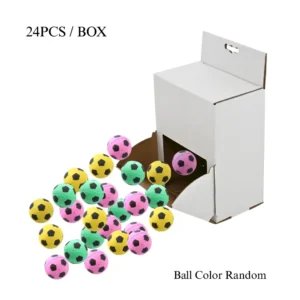 24-Pack Cat Toy Balls – Soft Latex Foam Soccer Ball Toys for Cats, Interactive Chase & Self-Play, Wholesale Pet SuppliesMSRP $8.89Login for wholesale pricing
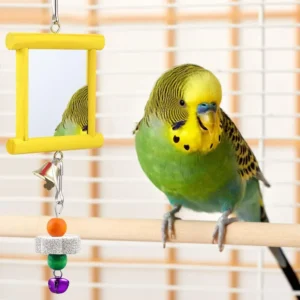 4-Pack Acrylic Parrot Toys with Mirror & Beak Grinding Accessories – Colorful Bird Cage Toys for Parrots and CockatielsMSRP $5.89Login for wholesale pricing
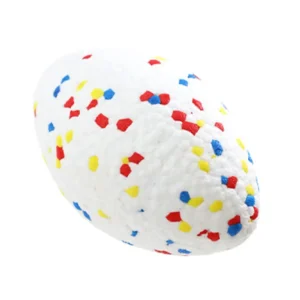 5 Inch Durable Rugby Floating Dog Ball – Chew & Fetch Water Toy for DogsMSRP $4.29Login for wholesale pricing
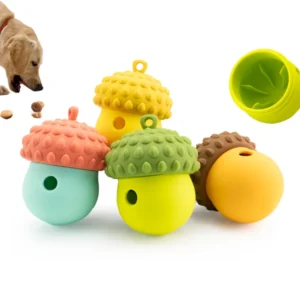 Berry-Shaped Silicone Dog Treat Dispensing Slow Feeder Toy – Durable Chew & Interactive Training Ball(MOQ 24)MSRP $3.56Login for wholesale pricing