
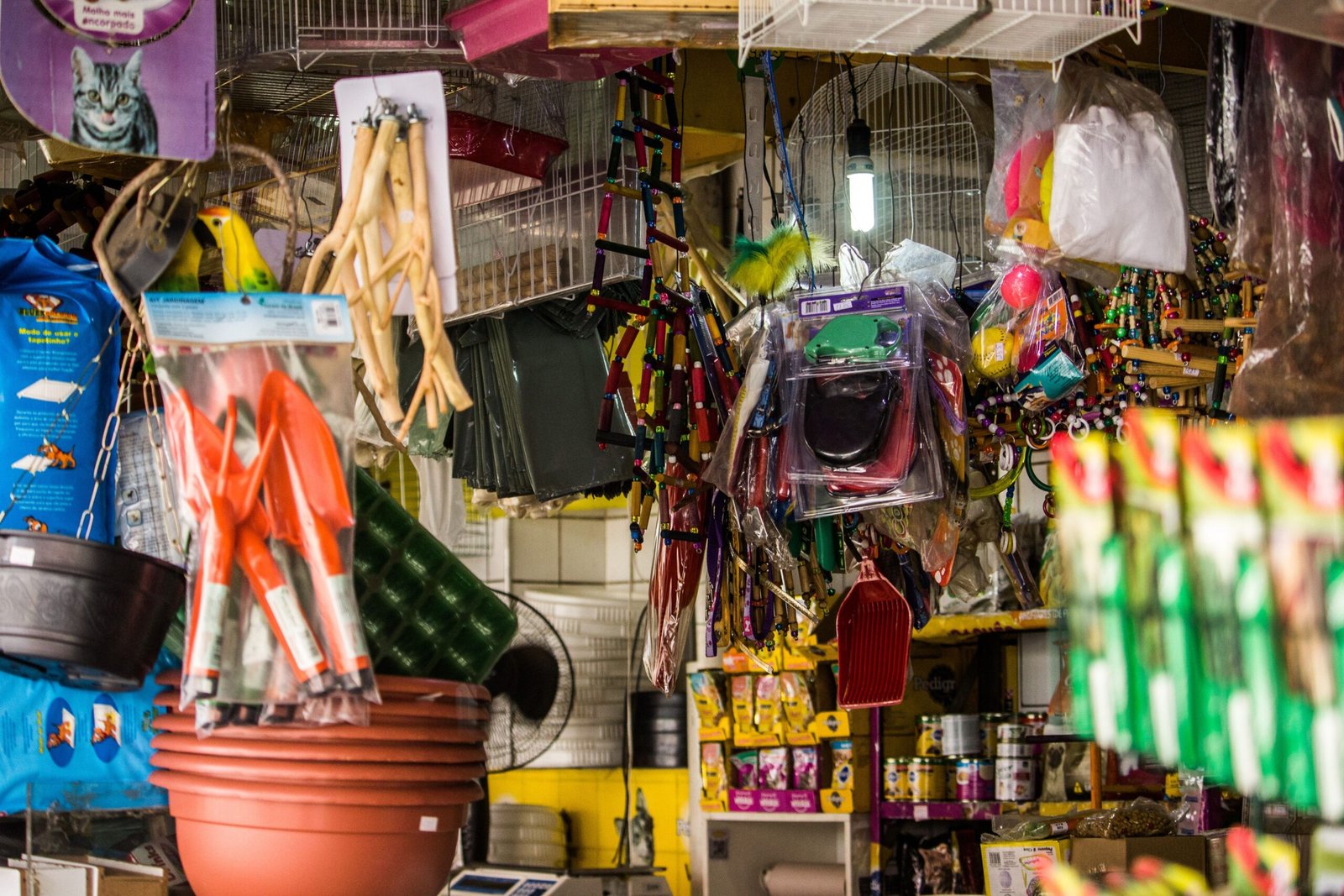
Pet Store Opening Checklist: Build a Profitable Starter Shelf with Wholesale Kits
Every pet shop owner remembers the week before opening: boxes everywhere, a half-built website, and a growing worry about whether the shelf will actually sell. A practical pet store opening checklist removes that uncertainty by turning a vague “buy inventory” task into a sequence of concrete, repeatable steps. This article gives you that checklist and shows how wholesale kits let you build a profitable starter shelf in days rather than weeks. Whether you are still writing your pet retail plan or already have keys to the space, the method below keeps your first order lean, liquid, and geared toward fast turnover. Many owners anchor the whole opening around the Pet Store Starter Essentials Kit, which packages the highest-demand items into one wholesale carton.
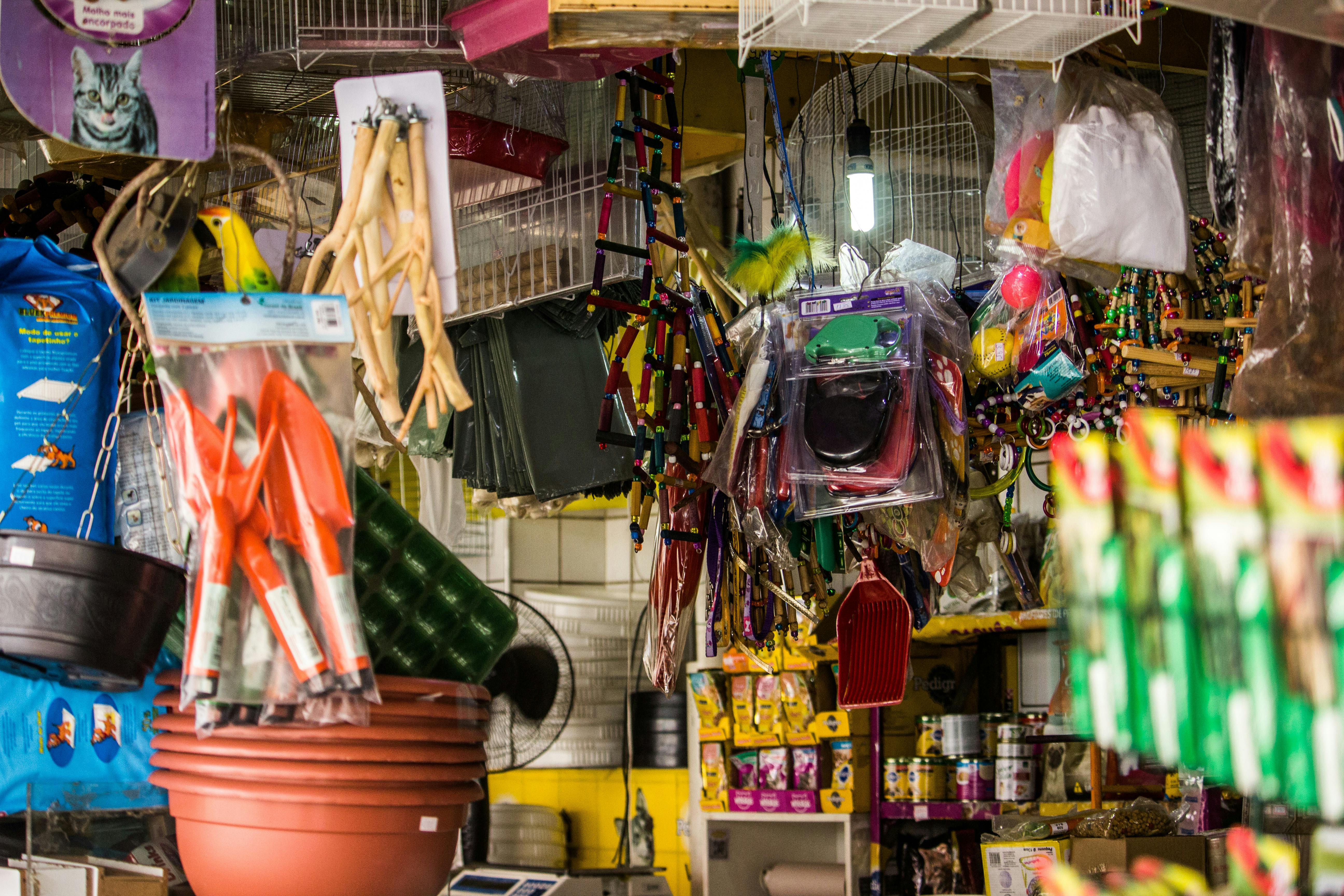
Step 1: Use a Pet Store Opening Checklist to Define Your Store Profile
The worst opening orders are made by owners who skip this step and simply buy what they personally like. Before a single SKU is ordered, write down your store profile: who shops nearby, what species dominate the households, and what price tiers they expect. A pet shop startup in a dense city apartment block will look nothing like one in a rural, dog-friendly town.
Your profile drives every later decision. If cats dominate, weight the plan toward litter, wet food, and the Cat Essentials Kit (KIT002). If families with puppies are common, lead with the Puppy Starter Kit (KIT001) and training treats. This is the foundation of a working pet retail plan: match stock to the neighborhood, not to a generic catalog.
Do not skip the written part of this step. A profile that lives only in your head drifts as opening stress mounts. Put it on one page and pin it above your ordering desk. Every time you are tempted by a clever product that does not fit the profile, the page reminds you why it stays off the shelf. Many owners credit this single discipline with keeping their opening order lean and on-budget.
If you are unsure how to answer the three questions, spend a weekend walking the catchment area. Count the dogs and cats you see, note whether they are on leashes or in carriers, and glance at the bags residents carry home from the nearest competitor. That field research beats any generic assumption. A pet shop startup built on observed local behavior almost always opens with a sharper shelf than one built on a catalog wish list, because you are buying for the people who will actually walk through your door rather than for an imaginary average customer.
Three Questions to Answer First
- What are the top three species in my catchment area, and in what order?
- Is my market value-led, premium-led, or a mix of both?
- What can I realistically merchandise in the first 150 square feet of shelf?
Step 2: Build the Starter Shelf Around Consumables and Kits
Consumables are the engine of a profitable opening. Food, litter, treats, and waste bags bring customers back weekly, and that repeat footfall is what makes a new store viable. Your pet store opening checklist should list at least eight of your first twenty SKUs as consumables.
The advantage of leading with consumables is cash-flow rhythm. A durable bed might sit for a month; a bag of food sells in days and triggers the next visit. Many retailers find that a disciplined consumable core lets them fund expansion from sales rather than from fresh capital. When you build the consumable list, think in terms of the customer’s calendar. Dog food and cat litter are weekly or biweekly; treats and waste bags are even more frequent. Compare that to a carrier, which a customer buys once and forgets. The more of your opening shelf that aligns with a recurring purchase, the more predictable your revenue becomes in those fragile first months.
One practical tip: carry consumables in two sizes where space allows. A small bag lowers the barrier for a first-time shopper who is unsure of your store; a large bag rewards the loyal regular. This simple tiering improves conversion at both ends of the confidence spectrum and costs little extra facings. A starter kit wholesale approach supports this because kits like the Puppy Starter Kit (KIT001) sit on top of the consumable base and capture the high-intent new-owner sale without adding slow stock. Together, the consumable core and the kits form a shelf that sells on day one and keeps selling every week after.
Once the consumable core is set, the fastest way to complete your shelf is with curated bundles. This is where a starter kit wholesale strategy pays off: instead of hand-selecting every leash, bowl, and toy, you order a few kits that already contain a balanced mix. The Pet Store Starter Essentials Kit is designed exactly for this, bundling new-owner favorites into one carton. Four kits cover the most common opening needs:
- Puppy Starter Kit (KIT001) — collar, lead, bowl, puppy pads, and a toy pack for new-dog households.
- Cat Essentials Kit (KIT002) — litter scoop, scratching pad, bowls, and a wand toy.
- Small Pet Starter Kit (KIT003) — bedding, chews, and habitat accessories for hamsters, guinea pigs, and rabbits.
- Bird Corner Kit (KIT004) — perch, feed cup, and cage accessories to launch a bird section quickly.
By opening with these, you present a complete, confident shelf on day one. If your market needs something more specific, the build-your-own wholesale kit tool lets you swap items and quantities to match local demand. The kits also de-risk your first order emotionally. New owners routinely freeze when faced with an empty shelf and an open catalog, second-guessing every line. A prebuilt starter kit wholesale assortment removes that paralysis by giving you a vetted starting point from a supplier who sees hundreds of store openings a year, so you can tweak from a position of confidence rather than fear.
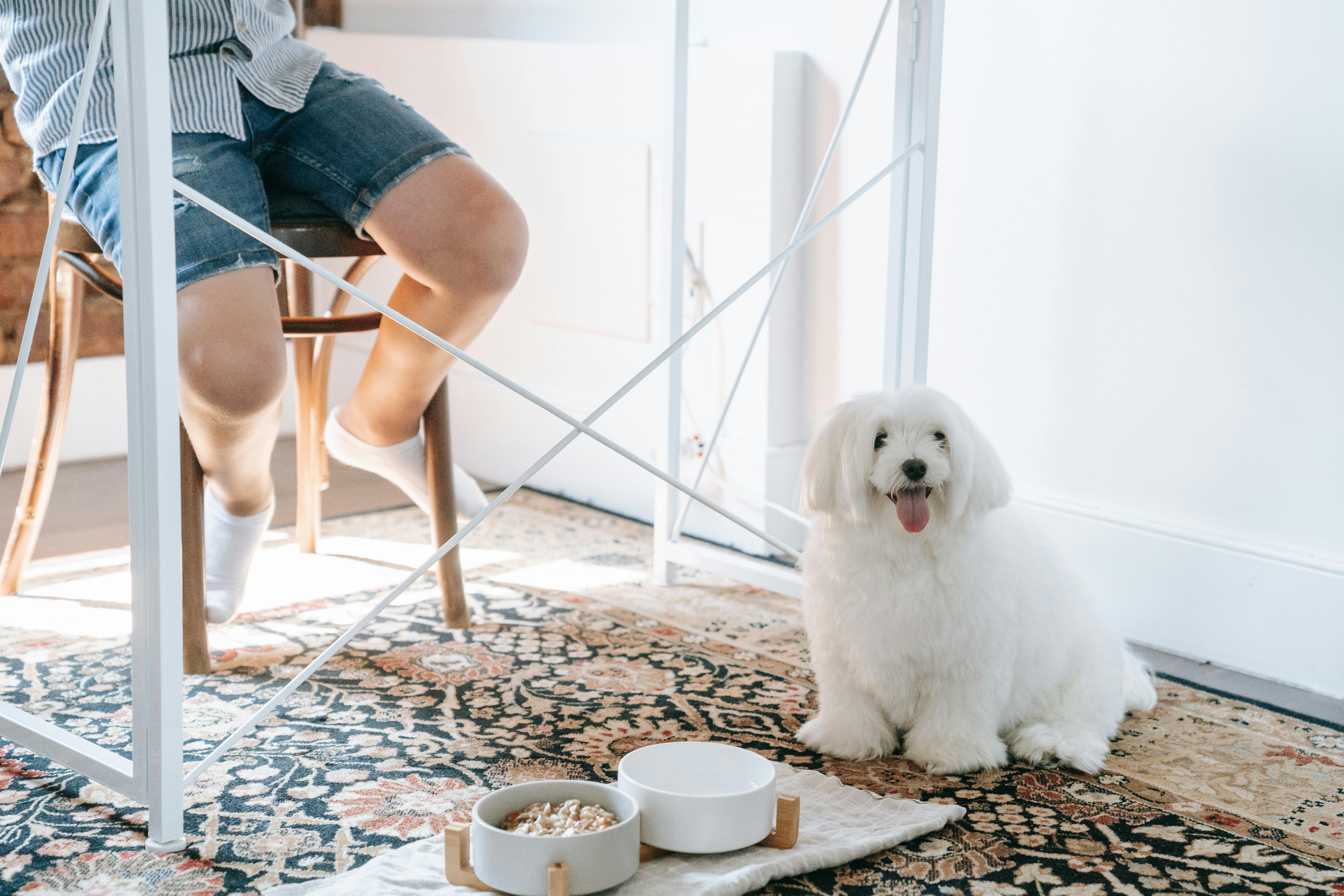
Step 3: Merchandise the Layout and Cross-Link Your Range
Good shelf merchandising is a checklist item, not an afterthought. Decide zones before stock arrives so unloading is fast and logical. Put destination consumables at the back, impulse and gift items near the front, and starter kits at eye level close to the entrance or checkout.
A Simple Zone Map
| Zone | Place here | Reason |
|---|---|---|
| Back wall | Food, litter, bulk consumables | Drives walk-through traffic |
| Mid-aisle | Leashes, grooming, toys | Impulse and add-on sales |
| Entrance / checkout | Starter kits, treats, gifts | High-visibility conversion |
| Quiet corner | Bird Corner Kit (KIT004), small pet | Completes the range cheaply |
Clear signage matters as much as placement. A Small Pet Starter Kit (KIT003) with a sign reading “first hamster? start here” converts browsers into buyers because it answers the customer’s unspoken question. Do not underestimate the power of a demo or a sample. A scratched-on cardboard display showing the contents of the Cat Essentials Kit (KIT002) spilled out next to the box helps shoppers understand value at a glance. For shelf merchandising, visibility beats decoration: a kit they can see inside outsells a sealed box. If your wholesaler ships kits in display-ready cartons, keep that formatting because the supplier has already solved the visibility problem for you.
Cross-merchandising is the difference between a shelf that sells items and a store that sells solutions. A simple way to start is the “complete the job” frame. Ask what job the shopper is hiring the product to do, then place supporting items nearby. Someone buying the Puppy Starter Kit (KIT001) is hiring you to help them survive the first week with a dog, so training treats and a cleanup product belong within arm’s reach. The Cat Play Kit pairs naturally beside the Cat Essentials Kit (KIT002) for exactly this reason: the essentials get the cat home, the play kit keeps them happy, and the basket grows. For stores adding a dog-walking section, the Walking Essentials Kit extends the range logically.

Step 4: Set Reorder Triggers Before You Open
A profitable shelf is not a one-time build; it is a system. Your pet store opening checklist should include reorder par levels for every consumable. When dog food drops below a threshold, you reorder automatically rather than discovering the gap during a customer visit.
A useful way to set a par level is to work backward from sales velocity. Estimate how many units you expect to sell in a week, then hold enough on the shelf to cover that plus the supplier’s lead time, with a small safety buffer for a busy spell. If a line moves two bags a day and your wholesaler takes three days to deliver, you do not want the shelf to dip below roughly nine bags before you click reorder. This simple arithmetic, written down per SKU, removes guesswork and prevents the two failures that hurt new stores most: the empty shelf that loses the sale and the overstock that strangles cash flow.
This discipline protects both sales and cash. Over-ordering ties up money in slow stock; under-ordering loses the sale entirely. Many retailers find that simple par-level rules, reviewed weekly for the first two months, prevent both failures. The Shop Wholesale Kits hub makes repeat ordering easy because each kit’s contents are fixed and predictable. Par levels also reduce the emotional side of buying. Without them, owners reorder based on whichever shelf looks empty that morning, which leads to lopsided stock and surprise gaps. With them, reordering becomes a calm Tuesday task rather than a panic. During a pet shop startup, removing a source of stress is worth as much as the cash it saves. Tie each par level to a supplier lead time so you reorder early enough to never stock out, especially on the consumables your regulars expect to find every visit.
Step 5: Train Your Team and Plan the Launch Week
A profitable shelf is only as good as the person standing next to it. Before opening, brief any staff on the core SKUs and the starter kits so they can answer the two questions every new owner asks: “what do I need?” and “which one is right for my pet?” A team that can point confidently to the Puppy Starter Kit (KIT001) or the Small Pet Starter Kit (KIT003) turns hesitation into a sale.
Launch week itself should be planned like a mini-campaign. Many retailers find that a soft opening to friends and local pet groups surfaces merchandising problems while stakes are low. Watch where shoppers hesitate, which tags get read, and which kits draw questions, then adjust signage before the public rush. Your pet retail plan should treat launch week as a live test of the shelf, not a finished performance.
Make the launch itself a reason to talk about your store. A small opening event, a partnership with a local rescue, or a first-purchase discount on a starter kit creates a story neighbors share. The goal is not a single big day but a steady drumbeat of first visits that your consumable core then converts into habits. Owners who plan launch week as deliberately as they plan the shelf usually report a smoother first month, because the early crowd acts as a free focus group for everything from pricing to product mix. Capture those lessons in the same notebook you used for your store profile, and let them inform the second wave of buying.
Pair the launch with a simple reason for the first visit to become a second one. A loyalty stamp on consumables, or a reminder card with the reorder date for their chosen kit, keeps the cash-flow rhythm going. The stores that thrive past year one are rarely the ones with the biggest opening; they are the ones that converted a first visit into a habit.
Frequently Asked Questions
What is the most important item on a pet store opening checklist?
Defining your store profile comes first, because it determines everything you buy. Without a clear picture of local species, price tiers, and shelf space, even a well-stocked order can miss the market. Once the profile exists, the next priority is a consumable-heavy core supported by a few wholesale starter kits.
How do wholesale starter kits save money for a new store?
A starter kit wholesale approach bundles several SKUs into one case-pack price, often cheaper than buying each component separately, and it reduces the labor of hand-picking a long list. More importantly, it lets a small budget achieve a complete-looking shelf instead of a thin, patchy one.
How much shelf space should starter kits occupy at opening?
A practical rule is to dedicate roughly 15 to 25 percent of your opening facings to kits like the Puppy Starter Kit (KIT001) and Cat Essentials Kit (KIT002). They attract new owners and gift buyers without crowding out the consumables that drive repeat visits.
Can I adjust the kits to fit my pet retail plan?
Yes. Prebuilt kits cover the most common needs, but the custom retail kit builder lets you swap products, change quantities, or add a local bestseller so your opening order reflects your neighborhood rather than a generic template.
When should I expand beyond the starter shelf?
Use your first 30 to 60 days of sales data. When two or three SKUs consistently sell out and trigger reorders, that is your signal to add depth or adjacent lines. A patient, data-led expansion protects cash flow far better than a premature category splurge during your pet shop startup.
Conclusion
A reliable pet store opening checklist turns the chaos of launch week into a predictable sequence: profile your market, build a consumable core, complete the shelf with wholesale kits, merchandise with intent, and set reorder rules before you open. Bundles like the Puppy Starter Kit (KIT001), Cat Essentials Kit (KIT002), Small Pet Starter Kit (KIT003), and Bird Corner Kit (KIT004) do the heavy lifting so you can open profitable rather than just open. Ready to build your shelf? Start with the Pet Store Starter Essentials Kit, compare every option in the Shop Wholesale Kits hub, or design a custom order with the build-your-own wholesale kit tool.
Shop the matching wholesale KIT
Shop these pet categories
Wholesale pricing, no minimum order.
Related wholesale collections
Products mentioned here
 19.6 ft Outdoor Nylon Automatic Retractable Dog Leash – Heavy-Duty Pet Leash for Large and Small DogsMSRP $8.99Login for wholesale pricing
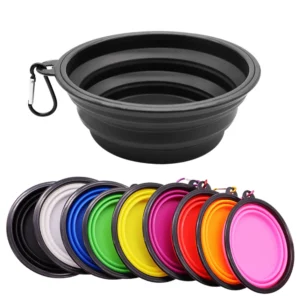 2 Pack Collapsible Silicone Dog Bowls – Portable Pet Food & Water Travel Bowl with CarabinerMSRP $1.78Login for wholesale pricing
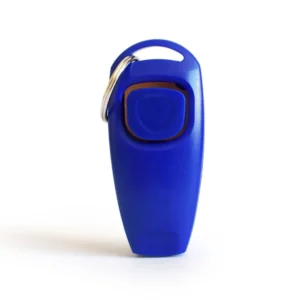 2-in-1 Dog Training Whistle & Clicker – Outdoor Pet Training Device, Factory-Direct Wholesale (MOQ 50)MSRP $2.18Login for wholesale pricing
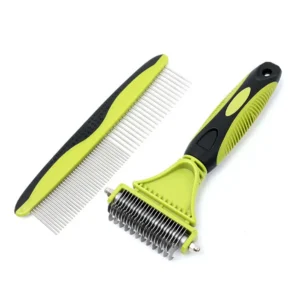 2-in-1 Pet Grooming Comb Set – Dual-Sided Deshedding & Dematting Tools for Dogs and CatsMSRP $6.29Login for wholesale pricing