Pet Toys & Enrichment Wholesale Guide: What Sells and Why
If you run an independent pet store, a pet-shop buying group, or you are planning to open your first retail shelf, one category quietly outperforms almost everything else you can stock: wholesale pet toys. Toys are the rare product that combines high impulse appeal, strong margins, repeat purchases, and zero sizing guesswork. Unlike food or medication, a toy never expires and never needs a prescription. Unlike apparel, it does not have to fit a specific breed or body shape. A customer who buys a toy today will almost certainly be back for the next one next month, which makes the toy aisle one of the most dependable engines of foot traffic and basket size in the entire store.
This guide is written specifically for pet-retail buyers, not consumers. We are going to walk through which toy categories actually move off the shelf, why enrichment products have become the fastest-growing segment in the trade, and how to build a wholesale assortment that turns inventory quickly without leaving you stuck with dead stock. Along the way we will point you to the ready-made kits that PETBW (justforpetstore.com) has assembled for exactly this purpose, including the Best-Selling Pet Toy Kit, so you can skip the guesswork and start with a carton that is already proven in independent stores.
Why Pet Toys & Enrichment Belong in Every Wholesale Cart
Before we get into specific products, it is worth understanding why toy and enrichment buying should sit near the top of your wholesale priority list. Three structural facts make this category unusually attractive for pet retailers:
- Low friction, high frequency. A toy is an easy yes for the shopper. There is no ingredient label to decode and no veterinarian to consult. That low barrier means toys convert browsers into buyers more reliably than almost any other category.
- Natural repeat demand. Toys wear out, get lost under the sofa, or simply stop exciting the pet. Owners replace them constantly, which gives you a built-in repurchase rhythm that food and litter cannot match on the same cadence.
- Margin friendly. Because toys are light, durable in storage, and rarely returnable once opened, they carry healthy gross margins while costing little to warehouse. Many retailers find that a well-curated toy wall does more for store profitability per square foot than bulky, low-margin bulk goods.
In short, if you are building your first wholesale pet supply assortment, toys are the category that pays for the rest of the shelf. The only real risk is buying the wrong mix, and that is exactly what the rest of this guide prevents.
What Sells: The Best-Selling Pet Toys Retailers Can’t Keep on Shelves
When we talk to store owners about best-selling pet toys, a clear pattern emerges across independent shops. The products that fly out the door tend to share a few traits: they are visually obvious from across the aisle, they survive more than one play session, and they solve a recognizable problem for the owner (boredom, chewing, shedding, separation anxiety).
Across the PETBW catalog, the consistent top performers are:
- Durable chew toys built for power chewers. These are the workhorse SKU: every dog owner needs at least one, and they are replaced as they wear down.
- Plush comfort toys with squeakers. Lower price point, high gift appeal, and strong seasonal spikes around holidays.
- Fetch and tug basics (balls, ropes, frisbees). Simple, universally understood, and perfect for the impulse bin near the checkout.
- Catnip and motion toys for feline households. Small footprint, high turnover, and a category that online giants often under-merchandise in physical stores.
If you want a carton that already reflects this best-seller logic, the Best-Selling Pet Toy Kit bundles precisely these proven formats so you can open a box and stock a shelf that is already tuned to what shoppers reach for first.
To make the category trade-offs concrete, here is how the core toy lines generally compare for an independent store weighing where to put its first wholesale dollars:
| Toy line | Typical turnover | Margin profile | Best for |
|---|---|---|---|
| Durable chews | Very high (replacement-driven) | Strong, steady | Building repeat foot traffic |
| Plush & squeak | High, seasonal spikes | Good, gift-friendly | Impulse and holiday sales |
| Cat novelty | Very high, frequent baskets | Excellent per square foot | Counter and endcap displays |
| Interactive / enrichment | Growing rapidly | Highest price point | Modern, higher-value shelf |
Industry experience shows that stores which balance all four lines, rather than over-investing in just one, weather seasonal dips best and give shoppers a reason to return across the whole year.
Dog Toys Wholesale: The Categories That Drive Repeat Purchases
When you buy dog toys wholesale, the goal is not just a single sale but a relationship: a dog destroys a toy, the owner comes back, and your shelf is there waiting. The smartest wholesale buyers think in categories rather than one-off products, because categories let you build a recognizable dog section that shoppers learn to trust.
The dog toy category breaks down into four dependable sub-lines:
- Chew and teething lines. From puppy teething rings to heavy-duty nylon bones, chews are the replacement engine of the dog aisle. Stock a range of toughness levels so you can serve both puppies and aggressive chewers.
- Fetch and outdoor lines. Balls, launchers, and floating toys. These pair naturally with walking and outdoor accessories, which is why we often see them merchandised beside our Dog Toy Collection Kit for a complete dog-focused display.
- Tug and interactive ropes. Inexpensive to source, easy to rack, and a reliable add-on at the register.
- Comfort and squeak plush. The emotional purchase. Great for gifts and for the “just because” shopper.
A practical merchandising tip: keep your dog toy wall organized by function (chew, fetch, comfort) rather than by brand. Shoppers think in terms of “my dog destroys everything” or “I need something for the park,” not in terms of manufacturer. Functional grouping shortens the decision and lifts basket size.
Cat Toys: Small Format, Steady Turnover
Do not let the small size fool you. Cat toys are one of the highest-turnover, lowest-risk categories in the entire store. A cat owner buys frequently, spends a little each time, and is remarkably loyal to the store that stocks the wand toy their cat actually loves. Because cat toys are light and compact, they are also cheap to ship and easy to display in high-traffic spots like the counter or the endcap.
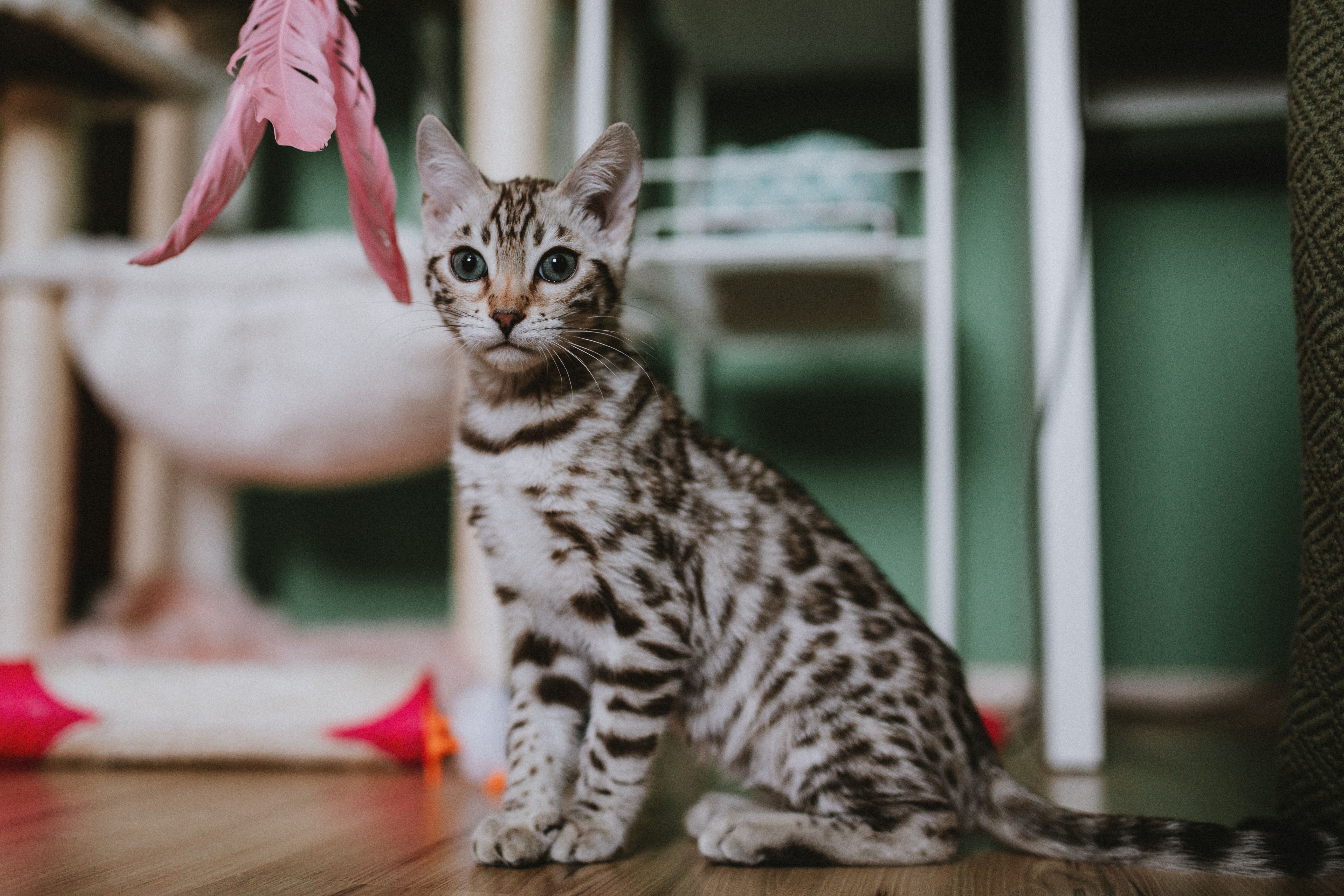
The cat side of the aisle rewards a slightly different strategy than dogs. Where dog owners buy durability, cat owners buy novelty. A cat gets bored with the same toy in days, so the winning move is a steady rotation of:
- Wand and teaser toys for interactive play that bonds owner and cat.
- Catnip-filled kickers and mice for solo play and the classic impulse buy.
- Motion and electronic toys that tap into the hunting instinct without owner involvement.
- Scratch-and-play combos that bundle a function (scratching) with a toy incentive.
For a curated starting point, the Cat Play Kit assembles the formats that independent stores report selling through fastest, letting you open a compact, high-velocity cat section without testing dozens of SKUs yourself.
Interactive Toys & Enrichment Products: The Fastest-Growing Shelf
If there is one trend reshaping the toy aisle, it is the rise of interactive toys and enrichment products. Modern pet owners are no longer satisfied with a static squeak toy. They want products that occupy their pet’s mind, slow down fast eaters, and reduce destructive boredom behaviors. This shift is good news for retailers, because enrichment products command higher price points and stronger margins than basic plush.
Enrichment products generally fall into three buckets:
- Puzzle and treat-dispensing toys. These turn snack time into a five-minute brain workout. They are popular with new puppy and kitten owners and with anyone dealing with separation anxiety.
- Lick mats and slow feeders. While technically feeding accessories, they sit comfortably beside the enrichment aisle and are frequently bought together with puzzle toys by the same shopper.
- Training-adjacent toys. Toys that reinforce commands or scent work. These appeal to the growing group of owners who treat their pet’s mental health as seriously as their own.
The crossover here is real: the same customer who buys a puzzle toy is a strong candidate for training gear. That is why PETBW offers the Training & Enrichment Kit, which pairs interactive toys with training fundamentals so you can merchandise one coherent, higher-value section instead of two disconnected ones.
How to Merchandise and Bundle Pet Toys for Higher Basket Size
Buying the right wholesale pet toys is only half the job. How you display and bundle them determines whether they become a profit center or a dusty wall. A few field-tested tactics:
- Create a “problem solved” endcap. Instead of a brand wall, build a display around outcomes: “For destructive chewers,” “For bored indoor cats,” “For puppies.” Shoppers self-select in seconds.
- Bundle by life stage. A puppy bundle (teething ring + plush + puzzle) outsells the three items separately because it removes the “what else do I need?” guesswork.
- Think dog-and-cat adjacencies. Many households are mixed. Placing a compact cat toy spinner next to the dog puzzle wall catches the multi-pet owner who came in for one species and leaves with both.
- Rotate the cat novelty bin weekly. Because cat owners buy often and in small amounts, a frequently refreshed bin trains them to check back regularly, lifting total store visits.
If assembling these bundles sounds like work you would rather skip, remember you can always build your own wholesale kit with PETBW, mixing the exact toy and enrichment formats that fit your neighborhood rather than a one-size-fits-all box.
Sourcing Smart: Quality, Safety, and Margin on Wholesale Pet Toys
Not all wholesale toys are created equal, and a single recall or a batch of toys that fall apart in a day can erode the trust you spent years building. When evaluating wholesale pet toys, keep three checks front of mind:
- Material integrity. Look for non-toxic, BPA-free materials and reinforced stitching on plush. For chews, confirm the hardness rating matches the dog type you serve.
- Safety labeling. Reputable wholesale suppliers provide clear size and supervision guidance. A toy labeled “not for aggressive chewers” protects both the pet and your store’s reputation.
- Margin math. Compare landed cost, not list price. Light, compact toys with low damage rates almost always beat heavy or fragile goods once shipping and returns are accounted for.
Working with a curated B2B source like PETBW means these checks are done upstream: the kits are assembled from formats that have already proven safe and sellable in independent stores, so your buying meeting becomes a planning conversation rather than a quality-audit marathon.
It is also worth building a simple reorder rhythm around your top sellers. Many retailers find that tracking which toy formats sell through in under two weeks, then auto-reordering those at a deeper level, prevents the most common wholesale mistake: running out of the one item customers specifically came in for. A toy wall with gaps reads as “this store does not take toys seriously,” and that perception is harder to undo than a single out-of-stock SKU.
Build Your Wholesale Toy Assortment with PETBW
The easiest way to turn this guide into a stocked shelf is to start from a kit that already reflects the best-seller logic above. Depending on your store’s focus:
- Start broad with the Best-Selling Pet Toy Kit if you want a balanced dog-and-cat opening assortment.
- Go dog-heavy with the Dog Toy Collection Kit for a neighborhood full of dog walkers.
- Lean into the mental-health trend with the Training & Enrichment Kit and the Cat Play Kit for a modern, higher-margin shelf.
And if none of the pre-built boxes matches your exact trade area, the Build-Your-Own Wholesale Kit lets you mix and match toy, enrichment, and even non-toy categories into one carton tuned to your customers.
Frequently Asked Questions
What are the most profitable pet toys to sell wholesale?
Across independent stores, the highest-margin and fastest-turning formats are durable chew toys, catnip and novelty cat toys, and interactive puzzle or treat-dispensing toys. Chews drive repeat replacement purchases, cat novelty drives frequent small baskets, and enrichment products carry the highest price points. The Best-Selling Pet Toy Kit bundles these proven winners together.
How much should I stock when starting a pet toy section?
Many retailers find that a single curated wholesale carton is enough to open a credible toy wall, then they reorder the top two or three categories monthly. Start with a balanced mix (chew, fetch, plush, cat novelty) rather than deep stock in one line, and let your local sales data tell you where to go deeper. A pre-built kit removes the risk of over- or under-buying on day one.
Are interactive and enrichment toys worth the higher wholesale cost?
Yes, for most stores. Interactive toys and enrichment products typically carry stronger margins than basic plush and appeal to the fast-growing segment of owners who prioritize their pet’s mental well-being. They also pair naturally with training gear, lifting average basket size. The Training & Enrichment Kit is built around exactly this higher-value positioning.
What safety considerations matter for wholesale pet toys?
Prioritize non-toxic, BPA-free materials, reinforced construction on plush, and clear size or supervision guidance on chews. Reputable B2B suppliers provide this documentation so you are not auditing every SKU yourself. Sourcing through a curated kit means these safety checks are handled upstream before the carton reaches your shelf.
How often should I refresh my toy assortment?
For cat toys specifically, a weekly or biweekly rotation of novelty items keeps owners coming back, since cats tire of the same toy quickly. For dog toys, refreshing the chew and plush styles seasonally (plus holiday plush) is usually enough. Steady rotation is one of the simplest ways to train repeat visits without discounting.
Can I mix toy categories into a custom wholesale kit?
Absolutely. If a pre-built box does not match your trade area, you can build your own wholesale kit with PETBW, combining dog toys, cat toys, enrichment products, and even complementary non-toy categories into one carton. This is ideal for stores with a very specific local demographic or a tight opening budget.
Conclusion
Pet toys and enrichment are the rare wholesale category that is easy to buy, easy to sell, and easy to sell again. By focusing your buying on proven best-sellers, giving dog and cat their own logical sections, and leaning into the fast-growing enrichment trend, you can build a toy wall that drives traffic, lifts basket size, and pays for the rest of your shelf. The smartest first move is to skip the trial-and-error and start from a carton that already works in independent stores.
Ready to stock a shelf that sells? Explore the Best-Selling Pet Toy Kit or browse the full range of curated boxes on the Shop Wholesale KITs hub to build your perfect toy and enrichment assortment today.
Shop the matching wholesale KIT
Shop these pet categories
Wholesale pricing, no minimum order.
Related wholesale collections
Products mentioned here
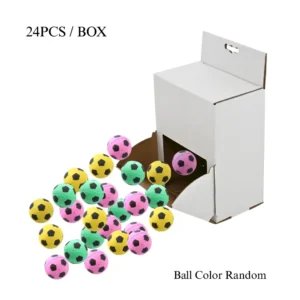 24-Pack Cat Toy Balls – Soft Latex Foam Soccer Ball Toys for Cats, Interactive Chase & Self-Play, Wholesale Pet SuppliesMSRP $8.89Login for wholesale pricing
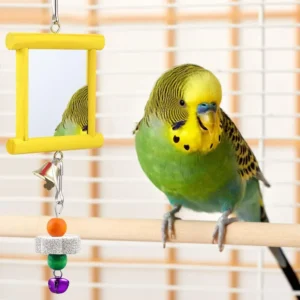 4-Pack Acrylic Parrot Toys with Mirror & Beak Grinding Accessories – Colorful Bird Cage Toys for Parrots and CockatielsMSRP $5.89Login for wholesale pricing
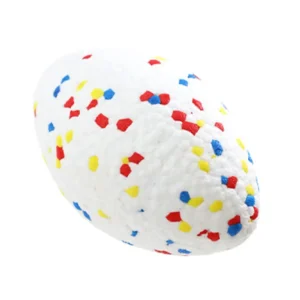 5 Inch Durable Rugby Floating Dog Ball – Chew & Fetch Water Toy for DogsMSRP $4.29Login for wholesale pricing
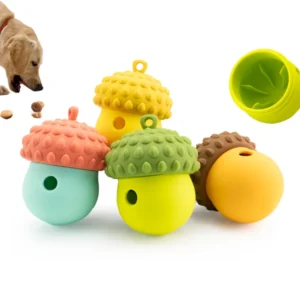 Berry-Shaped Silicone Dog Treat Dispensing Slow Feeder Toy – Durable Chew & Interactive Training Ball(MOQ 24)MSRP $3.56Login for wholesale pricing