

Puppy Supplies: Wholesale Stocking Guide | JustForPetStore
Puppy supplies deserve their own space because a new dog owner buys in a burst and then keeps buying for years. Stock nine core items sized in three growth steps: crate, collar or harness, ID tag, leash, bed, bowls, training pads, chews and safe toys. Build the aisle around repeatables rather than novelties. Per the American Pet Products Association, dog ownership reached 71 million U.S. households in 2025, up 4% year over year.
Why should a small pet store build a puppy section?
A puppy is the one life event that forces a household to buy a full kit of hard goods in a single week, usually before it has any brand loyalty. That is the best customer acquisition moment a neighborhood store gets, and it is the moment national chains and marketplaces fight hardest for.
The size of the prize is measurable. Per APPA’s 2026 Dog Report, dog ownership reached 71 million U.S. households in 2025, up 4% year over year, and 53% of U.S. households now own a dog. APPA also reports that dog owners are becoming more intentional rather than less committed, which is good news for a store that can explain why one harness fits better than another. A dedicated puppy section turns that explanation into a destination. It also gives your staff a reason to ask the questions that build a file on the customer: breed or mix, current weight, expected adult size, and what the family already owns.
What does dog-owner spending data tell you about puppy demand?
The wallet data explains which parts of the puppy kit will carry your margin. Per APPA’s 2026 Dog Report, veterinary care accounts for the largest share of dog-owner spending at 29% of wallet, followed by food at 27%. Supplies sit outside those two protected buckets, which means accessory purchases are more discretionary and more influenced by your merchandising.
Per the same report, premium food remains the most commonly fed option at 31%, while feeding of basic dog food increased 11% year over year to 21% of owners, and 19% purchased human-grade food. Nearly half of owners, 46%, now own dental care products, and 65% purchased chews in 2025, up 5% year over year. Average treat spending fell 11% even as purchases of 11 or more treat packages per year increased. Translation for a buyer: customers are trading down on unit price and buying consumables more often. Per APPA’s 2026 State of the Industry Report, 22% of pet owners spent less on their pets in 2025, a 10-point increase from 2024. Stock the accessories that last and the consumables that repeat, and skip the novelty toys.
Which puppy supplies belong in a starter assortment?
Nine items cover almost every first-week need, and each one should be stocked in at least two sizes. Start with containment and walking: a crate sized to adult weight, a collar or harness with adjustment room, a flat leash, and an ID tag with engraving. Add comfort and feeding: a washable bed with a removable cover, two bowls, and a feeding mat. Finish with training and chewing: training pads, two or three chew items at different hardness levels, and three toys with different textures.
Per Grand View Research, the global pet accessories market was valued at $7.2 billion in 2025 and is projected to grow from $7.6 billion in 2026 to $12.3 billion by 2033, a CAGR of 7.1%. Collars, leashes and harnesses were the largest product segment at 31.7% of 2025 revenue, and feeding accessories are expected to grow at a CAGR of 7.8%. Specialty pet stores accounted for 37.3% of 2025 revenue, which is the channel you are defending. Make sure crates and kennels and walking and travel gear are the two deepest sections in the puppy aisle, because those are the highest-value first purchases.
How much should you spend on the first puppy order?
Work backward from the shelf, not forward from the catalog. Decide how many linear feet the puppy section gets, then fill it once and reorder on a two-week cycle. A practical first order for a single-store puppy aisle is enough crates to show three sizes with one backup each, six to eight collars or harnesses per size band, a dozen leashes, two dozen training pad packs, and a table of chews and toys with three of each face.
Keep the first order small enough to sell through in 60 days. Cash tied up in slow-moving sizes is the most common reason new puppy sections quietly shrink in month three. Use your supplier’s minimum order quantity as a floor, not a target, and split the order across a fast core and a test group of four or five unproven items. If your low minimum order quantity program lets you buy 12 units instead of 144, take the smaller buy and reorder weekly. The freight premium on a small reorder is almost always cheaper than a season of dead stock.
How do you size a crate, collar and harness for a growing dog?
Sizing is the single biggest source of returns in puppy supplies, and it is also the easiest place for an independent store to look expert. For crates, sell to expected adult weight, not current weight, and offer a divider panel so one crate grows with the dog. Show three size bands on the floor and put a printed weight chart at eye level.
For collars and harnesses, buy adjustable styles with at least two inches of range in each band, and measure the dog in the store rather than trusting the label. A harness that fits the chest and leaves two fingers of clearance at the neck is the standard fit check. For beds, go one size larger than the puppy needs today, because a bed that is outgrown in eight weeks teaches the customer to shop somewhere else. Finally, engrave ID tags in store or same day. It is a low-dollar add-on with a high attachment rate, and it brings the customer back within 48 hours to collect it.
Which puppy toys and chews earn shelf space?
Toys are where puppy aisles go wrong. Owners buy six, the dog destroys five, and the store gets blamed. Stock by function instead of by cuteness: one soft toy for carrying, one rubber toy for chewing, one puzzle or treat-dispensing toy for crate time, and one fetch item. Rotate the soft plush seasonally and keep the rubber core year-round.
Per NielsenIQ, electronic toys grew 27% year over year and treat-dispensing toys grew 15%, while categories such as pet bowls and accessories are growing online rather than in store. That means the toys you carry on the shelf need a reason to be bought today, such as a staff recommendation or a bundle. Per Grand View Research, chew toys were the largest pet toy product segment at 25.4% of 2025 revenue, and dog toys accounted for 52.2% of the market. Build a small dog toys wall inside the puppy section with a clear good-better-best ladder by durability, and price the top tier as a solution rather than as a toy.
How should you price puppy supplies for margin?
Use three tiers and make the middle tier the obvious choice. Entry tier covers the price-sensitive shopper who has already compared online, and it should be a known brand at a thin margin. Middle tier is where your margin lives, typically a better-made item with a benefit your staff can explain in one sentence. Top tier exists to make the middle tier look reasonable and to capture the gift buyer.
Bundle to protect average ticket without discounting. A puppy starter bundle of crate, bed, two bowls, collar, leash and a toy priced as a package outsells the same items sold separately, and it reduces the chance the customer leaves to price-check one piece. Avoid broad percentage-off promotions on the entry tier. Per NIQ, in-store sales declined 1.4% while online grew 14.1%, so competing on price alone is a losing game against a channel with lower overhead. Compete on fit, bundle logic and the ability to take the item home today.
How do you turn a puppy buyer into a repeat customer?
The puppy aisle is a customer acquisition program, so treat it like one. Capture the puppy’s name and expected adult weight at checkout, then set three follow-ups: a two-week check on how the crate and pads are working, a three-month note when the first collar and toys will be outgrown, and a six-month reminder on dental care. Per APPA, 46% of dog owners now own dental care products, so that last touch lands on a category the household is already buying into.
Keep the follow-ups short and genuinely useful rather than promotional. Restock reminders work when they are specific: the chews she bought last time, the size up in harness, the matching bed cover. Consumables carry the relationship between visits, so make sure pads, chews and treats are easy to reorder and never out of stock. A single stockout on training pads in month two sends a new puppy household straight to a subscription service you will not win back.
What puppy supply mistakes cost small stores money?
Five mistakes account for most of the losses. First, stocking to current puppy size instead of adult size, which drives returns and unhappy customers. Second, filling the section with plush novelties that get destroyed and refunded. Third, buying one crate size in depth rather than three sizes in width, which loses the sale entirely when the fit is wrong. Fourth, letting the section drift after the first 90 days, so repeat customers stop treating it as a destination. Fifth, discounting the entry tier to match online prices instead of bundling upward.
The channel data argues for discipline. Per NIQ, exclusive in-store shoppers now represent just 9.6% of pet care dollars, down 6.5 percentage points, while nearly 70% of customers shop both online and in store and account for 87% of category dollars. Your puppy section has to earn the trip on fit, advice and immediacy. If you want help sizing a first order to your floor space, contact our wholesale team with the categories you carry today.
Sources: American Pet Products Association, 2026 Dog Report and 2026 State of the Industry Report; Grand View Research, Pet Accessories Market Report (2026-2033) and Pet Toys Market Report (2026-2033); NielsenIQ, Paws for Thought (2026).
Ready to stock these ideas? Browse wholesale pet KITs →
Shop these pet categories
Wholesale pricing, no minimum order.
Related wholesale collections
Products mentioned here
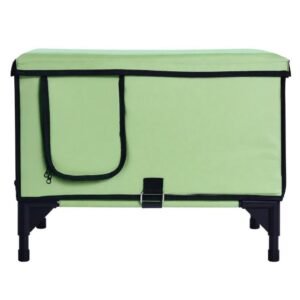 Elevated Heated Outdoor Cat House with 30W Waterproof Heating PadMSRP $128.99Login for wholesale pricing
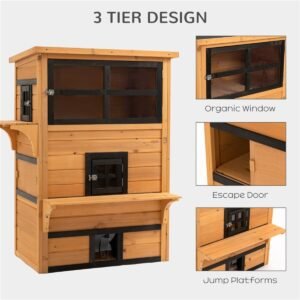 Three-Tier Outdoor Cat Condo with Asphalt Roof and Five Access DoorsMSRP $284.99Login for wholesale pricing
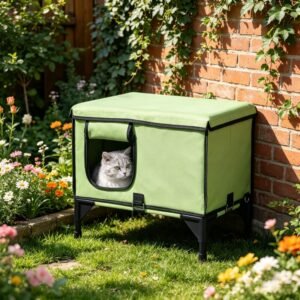 Large Elevated Heated Cat House with Waterproof Pad and Insulated LiningMSRP $124.99Login for wholesale pricing
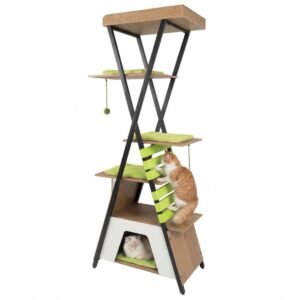 73″ Multi-Level Cat Tree with Condo, Top Perch and Scratching PadMSRP $228.99Login for wholesale pricing
Stock it as a wholesale KIT
Pre-bundled assortments built from this guide’s categories — one PO, one shipment, wholesale pricing.