
Puzzle Toys and Mental Stimulation: A Trainer’s Guide to Enrichment
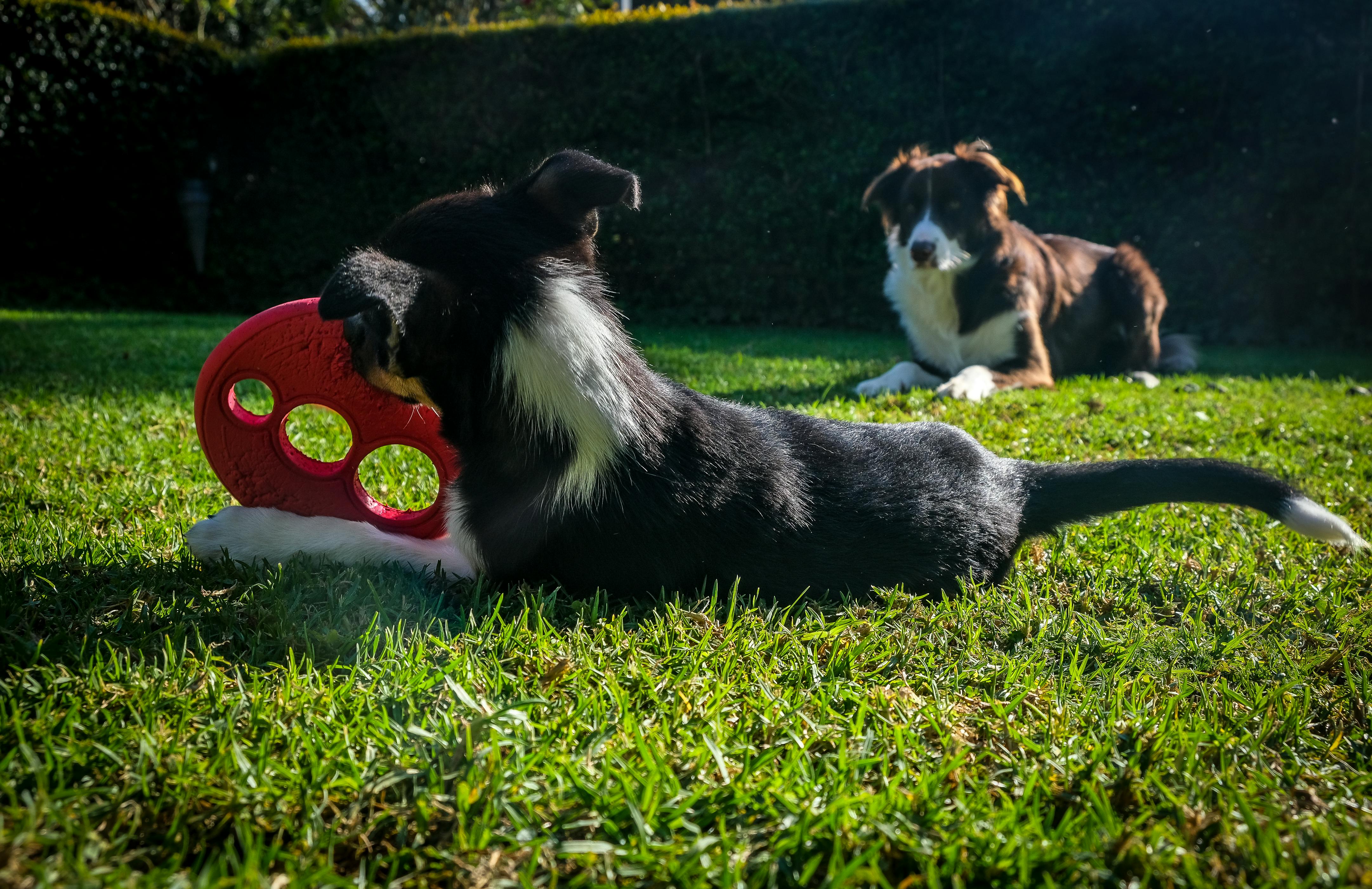
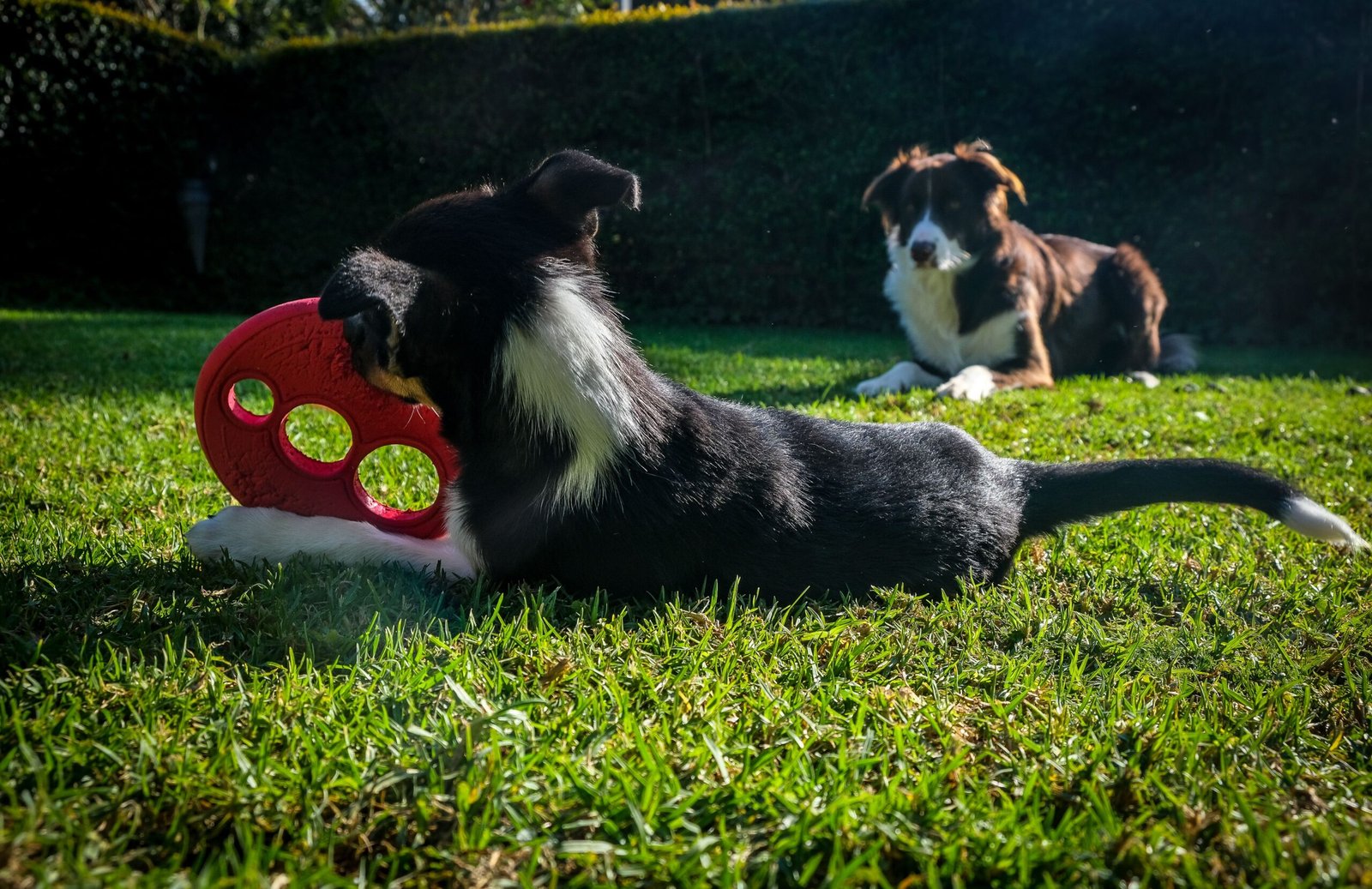
Every pet store owner has heard the same complaint from a regular customer: “My dog is smart, but he’s getting into trouble.” The root cause is usually not a poorly behaved animal — it is an underused brain. Dogs are problem-solvers by nature, and when their days lack challenge, that intelligence turns toward the sofa cushions and the trash can. This is where dog training toys earn their place on your shelf. A well-chosen puzzle toy channels a dog’s natural curiosity into a constructive, repeatable activity that tires them out mentally and leaves them calmer for hours. For independent retailers, that story sells: you are not moving plastic, you are solving a problem your customer feels every single day. The wholesale Training & Enrichment Kit was assembled for exactly this purpose, bundling proven enrichment formats so a store can launch or refresh an entire aisle without negotiating with a dozen suppliers. In this guide we will break down how mental stimulation actually works, how to match puzzle toys to different dogs, and how to present dog enrichment so it becomes a loyal, recurring purchase rather than a one-time novelty.
Why Dog Training Toys Belong in Every Training Plan
For professional trainers and dedicated owners alike, dog training toys are no longer a luxury add-on. They are a core instrument. The mechanism is straightforward: a dog that must think to earn a reward practises impulse control, builds confidence, and learns to settle. A trainer who hands a client a puzzle toy after a session gives that client a homework tool that keeps the dog engaged between lessons, which in turn makes the next lesson more productive. From a retail perspective, this creates a beautiful loop. A customer buys a beginner puzzle, the dog masters it in a week, and the owner returns for the intermediate version — and then the advanced one. Stocking a full ladder of difficulty is how a single sale becomes a subscription-like relationship. The Training & Enrichment Kit makes that ladder easy to stock because it already contains multiple challenge levels in one wholesale carton.
The behavioural science behind this is well established. When a dog sniffs, licks, and manipulates an object to release food, the activity lowers arousal and triggers a calming post-meal state. Many retailers find that customers who adopt enrichment report fewer complaints about barking, digging, and counter-surfing. Industry experience shows that a dog given twenty minutes of focused problem-solving is often as settled as one that has been walked for twice as long. That is a powerful selling point for busy urban owners, and it is one you can communicate confidently at the shelf edge.
From a pure merchandising standpoint, enrichment is also one of the few categories where the retailer controls the repeat cycle. A bag of food lasts a month and the brand loyalty sits with the manufacturer; a puzzle ladder lasts a week and the loyalty sits with you, because you recommended the next step. Many retailers find that a well-run enrichment section quietly outperforms its shelf space, turning a low-footprint aisle into a steady, high-frequency revenue line. That is why dog training toys deserve a permanent, prominent home rather than a seasonal end-cap that disappears after the holidays.
Understanding Mental Stimulation and How It Works
Mental stimulation is any activity that requires a dog to think, decide, and act to achieve a goal. It is distinct from physical exercise, though the two complement each other. A dog can be physically tired yet mentally bored, and that mismatch is the classic recipe for destructive behaviour. Puzzle toys provide stimulation by introducing a small, solvable problem: where is the treat, and how do I get it out? The dog must observe, experiment, and remember what worked.
There are three broad channels of stimulation worth knowing as a retailer, because they map to different product types:
- Feeding puzzles — slow-feed and treat-hiding designs that turn a meal into a ten-minute game. These are the gateway products for most households.
- Manipulation toys — sliders, flaps, and compartments the dog must move with nose or paw. These suit dogs that already enjoy problem-solving.
- Interactive dog toys — designs that respond to the dog, whether through motion, sound, or a moving treat dispenser, creating a dynamic back-and-forth.
Understanding this taxonomy helps you guide a customer to the right first purchase and, just as importantly, to the next one. Dog enrichment is not a single product category; it is a progression, and your store can own that progression.
The payoff is broad. Mental stimulation reduces separation anxiety in dogs left alone during the workday, slows cognitive decline in seniors, and gives adolescent dogs a constructive outlet during the challenging teenage phase. For the retailer, this means enrichment is not just a puppy product — it is a life-stage product with a customer in every demographic. Stocking across life stages widens your addressable audience and deepens the relationship with each household that walks through your door.
Selling Enrichment to Trainers, Daycares, and Breeders
Your most valuable enrichment customers are often other businesses rather than individual owners. Professional dog trainers buy puzzles by the dozen to send home as homework between lessons. Daycare centers use them to manage groups of high-energy dogs and to rotate activities through the day. Breeders include a starter puzzle in their puppy-go-home packs so new families begin on the right foot. Each of these buyers purchases at volume and reorders on a calendar, not on a whim, which makes them the backbone of a predictable wholesale enrichment business.
To win this trade, speak their language: durability, washability, and a complete difficulty range. A daycare manager cares that a puzzle survives group use and a trip through the dishwasher; a trainer cares that the ladder is complete so clients never stall. The Training & Enrichment Kit is pitched perfectly for this audience because it arrives pre-assorted and ready to resell, redistribute, or hand out as a class starter. Keep a trade-pricing conversation ready and you will convert one trainer into a recurring monthly order.
For stores building a B2B enrichment offer, the build-your-own wholesale kit lets you assemble trade-specific cartons — say, ten beginner puzzles and ten intermediates for a trainer’s spring class — while the Shop Wholesale Kits hub keeps the full catalog one click away for fast reorder. That flexibility is what turns a one-time trade sale into a standing relationship.
The Spectrum of Puzzle Toys, From Beginner to Expert
One of the most common mistakes a store makes is stocking only one difficulty level. A beginner dog that faces an expert puzzle will give up and walk away, convincing the owner that “my dog just isn’t into this.” The truth is that almost every dog is into it — they were simply handed the wrong starting point. Frame your shelf as a ladder.
Level One: The Easy Win
Beginner puzzles have open channels or wobblers where success comes within seconds. The goal at this stage is purely to build the expectation that “interacting with this object produces good things.” Treat-dispensing balls and shallow snuffle mats are ideal. They are also the safest recommendation for puppies and senior dogs whose patience is limited.
Level Two: The Thinking Step
Mid-level puzzle toys introduce compartments, lids, and simple sequences. The dog must move one element to reveal another. This is where mental stimulation really kicks in, because the dog starts to plan rather than react. Many retailers find this tier has the highest repeat-purchase rate, since it is the natural upgrade from Level One and the gateway to the dedicated enrichment hobbyist.
Level Three: The Expert Challenge
Advanced designs combine multiple steps, hidden compartments, and variable difficulty. These are for dogs that finish a Level Two puzzle in under a minute and are clearly hungry for more. Stocking a few of these signals to serious trainers that your store takes enrichment seriously — and they are often the customers with the largest baskets and the strongest word-of-mouth reach.
A tidy way to visualise the ladder for customers is a simple difficulty table near the display:
| Difficulty | Best For | Typical Engagement Time | Example Format |
|---|---|---|---|
| Beginner | Puppies, seniors, first-timers | 3–8 minutes | Wobbler, snuffle mat |
| Intermediate | Most adult dogs | 8–15 minutes | Slider compartments |
| Advanced | Working breeds, quick learners | 15–30 minutes | Multi-step hidden chambers |
Use this framing and customers self-select the right start, which protects your return rate and builds trust in your expertise.
Interactive Dog Toys That Build Real Training Skills
Interactive dog toys deserve a dedicated section because they blur the line between play and structured training. Unlike a static puzzle that the dog works alone, an interactive design often involves the owner — tossing, hiding, or triggering the toy — which strengthens the human-animal bond and reinforces cues like “wait,” “find,” and “drop.” For trainers, these toys are rehearsal tools for real-world skills.
Consider a simple hide-and-seek treat game using a soft pouch. The owner asks the dog to “wait,” hides the pouch, then releases with “find.” The dog practises impulse control, scent work, and recall motivation in one five-minute session. Multiply that across a week and you have a dog that is calmer, more responsive, and more fun to live with. When you explain this to a customer, you are not selling a toy — you are selling a better relationship with their dog, and that is a message that travels by word of mouth.
The Chew Play Kit (KIT024), a chew-and-enrichment wholesale bundle on the site, pairs durable chew items with puzzle elements so a store can offer a complete starter carton that addresses both stimulation and teething needs. It is a strong anchor SKU for retailers building a dog enrichment section from scratch, and it pairs naturally with the broader Training & Enrichment Kit assortment.
There is also a social-media angle that retailers underuse. A short in-store video of a dog solving a puzzle is highly shareable, free marketing that positions your store as the enrichment expert in the local feed. Many retailers find that posting one “puzzle of the week” clip drives real foot traffic, as owners come in to try the featured item with their own dog and leave with a ladder of their own.
Merchandising Dog Enrichment for Repeat Sales
Great products fail on a bad shelf. Dog enrichment sells best when it is demonstrated, not just displayed. A small rotating display with one puzzle loaded with treats invites customers to try it in-store — and a dog that solves it in front of its owner is a dog that goes home with that puzzle. Many retailers find that a live demo converts better than any signage, because it replaces a customer’s skepticism with a dog’s visible success.
Position enrichment near the checkout and the training-aids section rather than burying it in the toy aisle. Owners shopping for training treats or a new lead are exactly the audience most likely to add a puzzle. Cross-merchandise with the Dog Toy Collection Kit so a customer building a basket sees both the play and the enrichment angle side by side, which many retailers find lifts average order value more than either aisle alone.

Training your staff to tell the enrichment story is the final multiplier. A team member who can explain the beginner-to-expert ladder in thirty seconds turns browsers into believers. Consider keeping one solved and one unsolved sample on hand so the difference is visible, and reward staff who successfully attach a puzzle to a training-treat purchase with a small bonus — the behaviour you incentivise is the behaviour that sells.
Pairing the Training & Enrichment Kit with Complementary Lines
No single kit should stand alone on your floor. The strength of a wholesale program like justforpetstore.com is how the kits cross-support each other. The Training & Enrichment Kit sits naturally beside the Cat Play Kit for households with mixed pets, and it complements the Dog Toy Collection Kit for owners who want both rugged play and brain work. For stores that want to curate a bespoke mix, the build-your-own wholesale kit lets you combine enrichment heroes with your local bestsellers, while the Shop Wholesale Kits hub is the place to compare the full range before reordering.
Many retailers find that bundling a puzzle toy with a training-class gift card creates a compelling local promotion: the store becomes the hub for new-dog owners in the neighbourhood. That kind of community positioning is difficult for large online-only competitors to replicate, and it keeps enrichment top of mind long after the first purchase.
Frequently Asked Questions
What is the difference between dog training toys and regular dog toys?
Regular dog toys are primarily for physical play or comfort, while dog training toys are designed to make the dog think and solve a problem to gain a reward. Training and enrichment toys build impulse control and focus, whereas a standard ball or plush mostly burns physical energy. Both have a place, but enrichment toys create the repeat-purchase ladder that grows basket size and keeps the customer returning to your store rather than to a feed company.
How do I choose the right puzzle toys for a first-time buyer?
Start every new customer at the beginner level regardless of the dog’s breed. Success in the first session builds the habit. Recommend a wobbler or snuffle mat, then explain the intermediate and advanced steps so they know the upgrade path exists. Many retailers find that setting this expectation at the point of sale dramatically improves return visits, because the owner knows exactly when and why to come back for the next level.
Can mental stimulation really replace a walk?
It should not replace exercise, but industry experience shows that twenty minutes of focused problem-solving can settle a dog as effectively as a much longer walk for many households. The honest retail message is “pair the two,” not “substitute one for the other.” Enrichment is the tool for rainy days, busy schedules, and high-energy dogs between outings, and it gives owners a realistic option when a long walk simply is not possible.
Are interactive dog toys safe to leave with a dog unsupervised?
For beginner and intermediate designs, short supervised sessions are best, especially with chewers. Always match the material toughness to the dog, and advise customers to inspect toys for wear. The Chew Play Kit (KIT024) is built with durability in mind, but no toy is indestructible, and responsible guidance protects both the dog and your store’s reputation as a trusted advisor.
How should a store merchandise a dog enrichment section?
Demo it live, place it near training aids and checkout, and train staff to tell the beginner-to-expert story. Cross-merchandise with complementary kits such as the Dog Toy Collection Kit, and keep solved and unsolved samples on hand. A small, well-explained enrichment shelf will outsell a large, silent one, because confidence at the shelf edge is what converts curiosity into a carton.
Conclusion
Puzzle toys and mental stimulation are no longer a niche — they are a mainstream expectation among today’s dog owners, and a reliable, repeat-purchase category for the retailers who stock them well. By understanding the beginner-to-expert ladder, demonstrating interactive dog toys in store, and telling the enrichment story with confidence, your team can turn a quiet aisle into a loyal revenue line. The curated Training & Enrichment Kit gives you that shelf in one wholesale carton, with multiple difficulty levels and proven formats ready to go. Explore the full range and reorder with confidence through the Shop Wholesale Kits hub, or build a bespoke mix with the custom retail kit tool — and give your customers the calm, engaged dogs they are looking for.
Shop the matching wholesale KIT
Shop these pet categories
Wholesale pricing, no minimum order.
Related wholesale collections
Products mentioned here
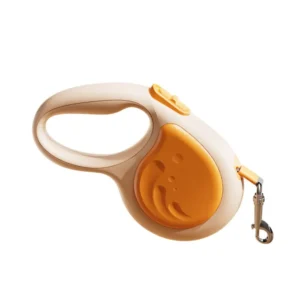 19.6 ft Outdoor Nylon Automatic Retractable Dog Leash – Heavy-Duty Pet Leash for Large and Small DogsMSRP $8.99Login for wholesale pricing
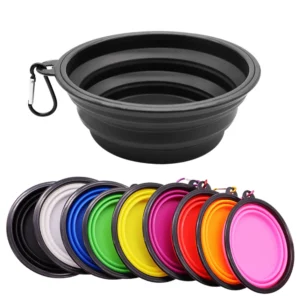 2 Pack Collapsible Silicone Dog Bowls – Portable Pet Food & Water Travel Bowl with CarabinerMSRP $1.78Login for wholesale pricing
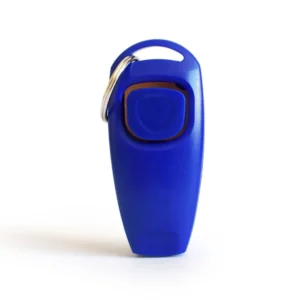 2-in-1 Dog Training Whistle & Clicker – Outdoor Pet Training Device, Factory-Direct Wholesale (MOQ 50)MSRP $2.18Login for wholesale pricing
 2-in-1 Pet Grooming Comb Set – Dual-Sided Deshedding & Dematting Tools for Dogs and CatsMSRP $6.29Login for wholesale pricing