
Setting Up a Pet Grooming Station: Tools, Brushes and Retail Basics
Opening or upgrading an in-store grooming bay is one of the highest-margin moves an independent pet retailer can make. The single biggest mistake new owners make is buying random items instead of a coherent system. If you want a profitable, repeatable service, you need to think about pet grooming supplies as a complete toolkit rather than a shelf of impulse buys. In this guide we walk through everything a store owner needs to plan a working grooming station: the core tools, the brushes that actually move inventory, how to lay out the space, and how to source at wholesale without drowning in markup. We also point you to the Professional Grooming Kit we built specifically for retailers who want a ready-to-sell bundle instead of assembling pieces one at a time.
Grooming is no longer a luxury line item. Pet parents now expect a one-stop shop where they can buy food, toys, and a tidy trim in the same visit. For the store owner, a grooming station turns a one-time product sale into a recurring appointment and a steady stream of replenishment purchases: shampoos, blades, combs, and wipes. The catch is that setup quality matters. A cramped, poorly lit, disorganized station scares customers and slows your groomers. A clean, well-stocked station builds trust and quietly sells more retail product every week.
Before you spec a single item, decide what kind of grooming business you want to run. A full-service bay that baths, clips, and finishes every coat is a different animal from a brush-and-tidy express station tucked beside the register. Your answer shapes the pet grooming supplies you buy, the square footage you need, and the wholesale relationships you build. Many retailers start with the lighter express model, prove demand with a few appointments a week, then expand into a proper wet room once the retail attach rates justify the plumbing. There is no shame in scaling gradually — the mistake is over-buying a fancy setup before you know your local coat mix.
Why a Dedicated Grooming Station Pays Off for Retailers
A dedicated grooming space is not just a back-room convenience. It is a revenue engine that changes how customers move through your store. When grooming sits inside or adjacent to your retail floor, every appointment becomes a guided shopping trip. The dog comes in matted; it leaves clean, and the owner walks past your shelves of wholesale pet kits on the way out.
Industry experience shows that stores with a visible grooming window tend to enjoy higher basket sizes than stores that only sell product. The reason is simple: grooming creates a recurring relationship. A customer who books every six weeks is far more likely to consolidate their spending with you than a customer who only visits when they run out of kibble. Many retailers find that a single part-time groomer covers the station’s rent many times over once retail attach rates are counted.
The Three Returns on a Grooming Bay
- Service revenue: the grooming appointment itself, billed by size and coat condition.
- Retail attach: shampoos, conditioners, brushes, and wipes sold at checkout.
- Footfall: owners who would never have entered now visit regularly, and browse.
None of these returns require a fancy build-out. They require the right pet grooming supplies arranged so your groomer can work fast and your customers can see the value. That is what the rest of this article covers.
Core Pet Grooming Supplies Every Station Needs
Before you worry about branding or décor, lock down the functional core. A station fails when a groomer has to stop mid-session to hunt for a tool. Build a checklist and keep a backup of every consumable. Below is a starter table you can adapt to your square footage and typical client mix.
| Category | Essential Items | Why It Matters |
|---|---|---|
| Surfaces | Grooming table with non-slip top, adjustable arm, secure noose | Safety and ergonomics for long sessions |
| Bathing | Walk-in tub or elevated basin, sprayer, drain hose | Reduces back strain; contains mess |
| Cutting | Clippers, blade sets, scissors, thinning shears | Coat-specific finishing work |
| Brushing | Slicker brush, bristle brush, de-shedding tool, comb | Prep and retail add-on sales |
| Cleaning | Pet-safe shampoos, conditioner, towels, ear cleaner | Hygiene and coat health |
| Safety | Nail grinders, styptic, first-aid, gloves | Accident prevention and quick response |
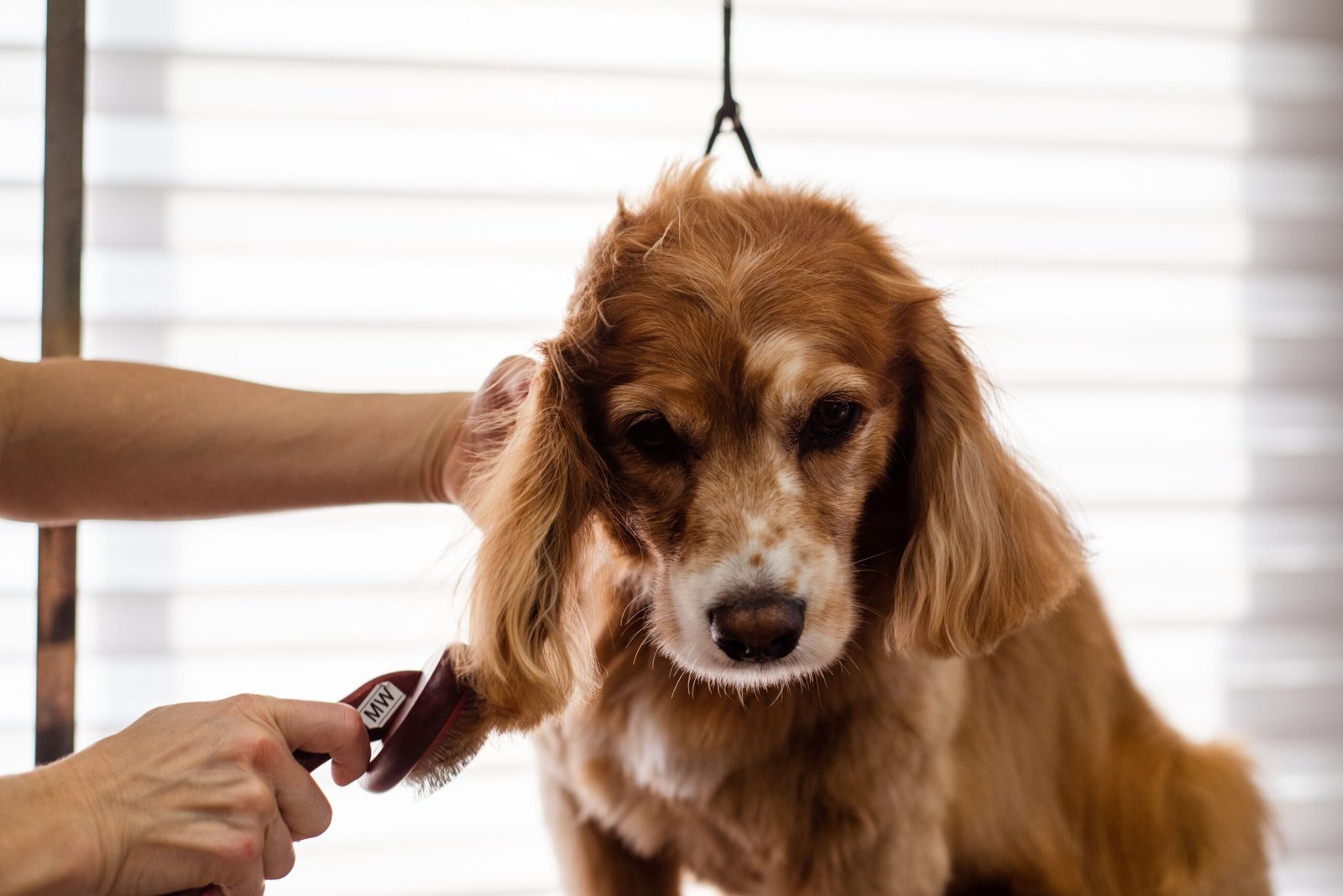
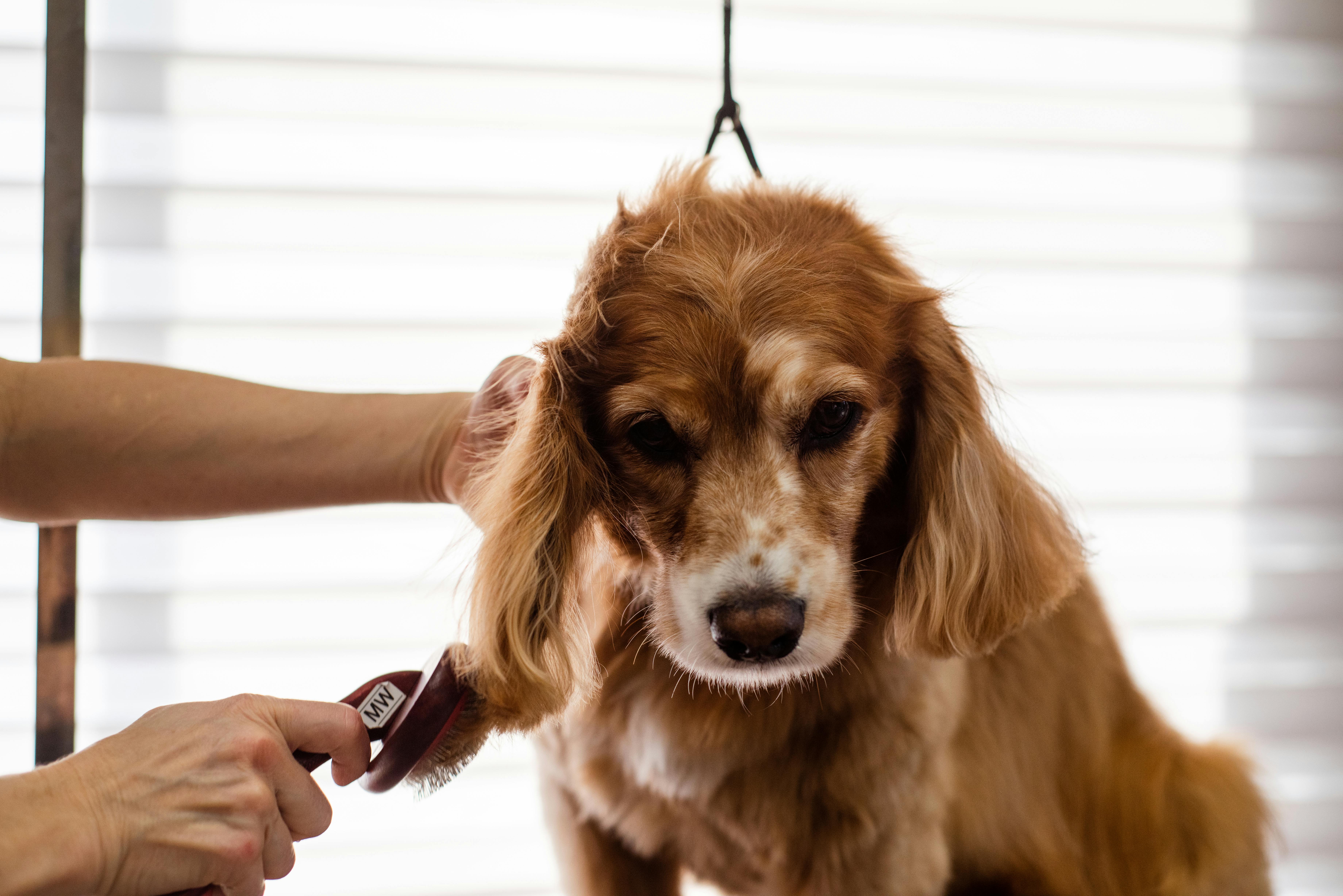
Notice that brushes appear both as a service tool and as a retail product. That dual role is the heart of a smart grooming station setup: the tools you use are the tools you demonstrate and sell. A customer who watches your groomer glide a slicker through a double coat is far more likely to buy that exact brush on the way out.
Do not overlook the small consumables when you build your first order. Towels wear out, blade coolant runs low, and ear-cleaning solution disappears faster than you expect. A common rookie error is budgeting only for the glamorous hardware — clippers and tables — while forgetting the per-appointment spend that actually determines whether the bay is profitable. Track consumable usage for the first month and set par levels so a busy Saturday never stalls because you ran out of shampoo. Tying these reorders to a single wholesale carton, as the Grooming Pro Kit (KIT022) encourages, keeps the math simple and the shelf never empty.
Building a Dog Grooming Kit That Sells
Not every store wants to assemble supplies from a dozen vendors. For retailers who would rather start with a curated, shelf-ready bundle, the dog grooming kit concept is the easiest entry point. A good kit groups the highest-turnover items into one SKU your staff can learn, demo, and reorder without thinking.
Our own Grooming Pro Kit (KIT022) is exactly this kind of wholesale grooming bundle. It pairs a professional-grade clipper set with the brush assortment, scissors, and nail tools a working station needs, then packages them so a store can stock one box instead of ten loose items. A typical carton might include a clipper with multiple blade guards, a slicker and bristle brush, a stainless comb, rounding scissors, and a nail grinder. Framed as an example rather than a guarantee, that single carton is enough to outfit a starter bay or to build a compelling retail display.
When you source a ready dog grooming kit, look for three things: replaceable parts (blades and guards), a brand your groomers recognize, and packaging that looks good on a shelf. The Professional Grooming Kit landing page breaks down what is inside and how stores have staged it. If your clientele skews toward bath-only or brush-only visits, you can also trim the bundle and lead with brushes — which we cover in the next section.
Grooming Station Setup: Layout, Surfaces and Ergonomics
A grooming station setup lives or dies on layout. You do not need a huge room, but you do need a logical flow: wet area, dry area, and retail showcase, in that order. Water and electricity should never share a wall outlet chain without proper GFCI protection, and the floor should be slip-resistant and drainable.
Wet Zone
Place the tub or basin where splash stays contained. An elevated tub saves your groomer’s back and keeps the dog calmer than a floor-level wash. A handheld sprayer with adjustable pressure is non-negotiable for sensitive skin and short coats alike.
Dry and Finish Zone
The grooming table belongs here, ideally near a window or bright LED task lighting. A force dryer speeds turnaround, but even a good stand dryer works for low-volume stores. Keep the brush caddy within arm’s reach so the groomer never breaks posture to grab a tool.
Retail Showcase
This is the money zone. Mount a small shelf of the exact brushes and shampoos used in the session, plus a QR card linking to the Professional Grooming Kit. Many retailers find that letting customers “buy the brush they just watched” converts better than any endcap promo.
Professional Pet Grooming: Hygiene and Safety Workflows
Once the station is built, the difference between a hobby setup and professional pet grooming is process. Clients trust you with animals they love, and a single hygiene lapse can cost you reviews and referrals. Build a written checklist and train every handler on it.
- Disinfect between dogs: tables, tubs, and tools get a pet-safe wipe-down after every session.
- Separate dirty and clean: used towels go in a lidded bin; fresh towels stay sealed until use.
- Blade sanitation: clipper blades are cleaned and oiled daily to prevent overheating and skin nicks.
- Health screening: a quick check-in question about fleas, ticks, or skin issues protects your other clients.
- Restraint done right: the table arm and noose are fall-prevention tools, never punishment.
Safety also extends to your staff. Ergonomic tables, anti-fatigue mats, and scheduled breaks keep groomers productive and reduce injury claims. Stores that treat professional pet grooming as a discipline — not a favor to customers — build a reputation that justifies premium pricing.
Sourcing Grooming Tools Wholesale Without the Markup
The fastest way to kill grooming margin is to buy retail. Every scissor, blade, and bottle should come in at grooming tools wholesale pricing so your service and retail prices stay competitive. That means working with a B2B supplier who sells by the carton and does not gate volume behind impossible minimums.
When you compare suppliers, weigh landed cost, not just unit price. A slightly cheaper clipper that ships from overseas with a six-week lead time can cost you more in stockouts than a dependable domestic wholesale partner. Bundles like the Grooming Pro Kit (KIT022) also reduce the hidden cost of managing ten separate SKUs: one purchase order, one receiving line, one reorder point.
If none of the off-the-shelf bundles fit your niche, remember you are not stuck. You can build your own wholesale kit and mix clippers, brushes, and consumables to match your local demand. A store in a dense apartment district might weight toward compact brushes and wipes; a suburban store with big retrievers might weight toward de-shedding tools and tub time.

Merchandising Your Grooming Bay to Drive Add-On Sales
A grooming station should sell even when no dog is on the table. Use the bay as a living demo for the rest of your store. Hang a “Today’s Tools” board listing the exact brush and shampoo in use, with a scan-to-buy tag. Cross-link to complementary categories: a freshly bathed dog often needs a new collar or a calming supplement, which is why pairing grooming with our Pet Care & Hygiene Kit makes natural sense for stores that want a fuller wellness wall.
Consider a loyalty angle: every grooming appointment earns points redeemable against retail product. Many retailers find that tying the service to the shelf turns one-off visitors into weekly regulars. And do not forget the walk-out bag — a sample sachet of conditioner or a branded comb is a cheap, high-recall leave-behind.
Training your team to talk brushes is the final merchandising lever. A cashier who simply points at the wall is less effective than one who asks, “What coat does your dog have?” and hands over the right tool. Role-play the five-minute brush consultation in staff meetings; it pays back in attach rate for years. Stores that invest an hour a week in product knowledge consistently outsell competitors who treat brushes as a static aisle. Pair the grooming bay with the Walking Essentials Kit at the exit so a freshly groomed dog also leaves in a new collar and lead — two categories, one happy customer, one larger basket.
Frequently Asked Questions
What is the minimum space needed for a grooming station?
A functional station can fit in roughly 80 to 120 square feet if you separate wet and dry zones vertically or with a partition. The real constraints are plumbing access for the tub and enough clearance around the table for the groomer to walk the dog. Start small and expand the retail showcase as appointment volume grows.
Which brushes should a beginner grooming kit include?
At minimum, a slicker brush for removing loose undercoat, a bristle brush for finishing short coats, a stainless comb for detail work, and a de-shedding tool for heavy shedders. That quartet covers the vast majority of dogs a neighborhood store will see and doubles as your highest-margin retail display.
How do I keep grooming tools hygienic between clients?
Wipe surfaces and immerse reusable tools in a pet-safe disinfectant between dogs, then rinse and dry. Clean and oil clipper blades daily. Launder towels separately from store linens, and keep a closed bin for soiled items. Document the routine so every handler follows the same standard.
Is it worth stocking a full dog grooming kit for retail?
For most stores, yes. A curated dog grooming kit lowers the customer’s decision fatigue — they buy the bundle their groomer recommended instead of guessing. It also simplifies your ordering. The Grooming Pro Kit (KIT022) is a strong template because it groups the turnover leaders into one box.
Where can I buy grooming tools wholesale without huge minimums?
Look for B2B suppliers built for independent retailers. You can start with the Professional Grooming Kit for a ready bundle, or browse the wholesale kits hub to compare categories before committing volume.
Conclusion
Setting up a grooming station is less about square footage and more about systems: the right pet grooming supplies, a sensible grooming station setup, disciplined hygiene, and wholesale sourcing that protects your margin. Whether you assemble your own cart or start with a curated dog grooming kit like the Grooming Pro Kit (KIT022), the goal is the same — turn a recurring service into a loyal retail relationship. Pair your bay with complementary lines such as the Walking Essentials Kit so freshly groomed dogs leave in style.
Ready to outfit your store without the retail markup? Explore the Professional Grooming Kit for a complete, shelf-ready bundle, or build your own wholesale kit to match your exact client mix. Your groomers — and your margins — will thank you.
Shop the matching wholesale KIT
Shop these pet categories
Wholesale pricing, no minimum order.
Related wholesale collections
Products mentioned here
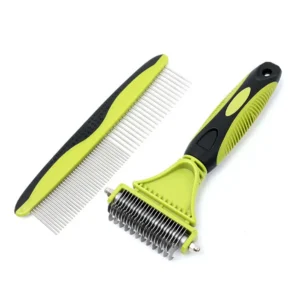 2-in-1 Pet Grooming Comb Set – Dual-Sided Deshedding & Dematting Tools for Dogs and CatsMSRP $6.29Login for wholesale pricing
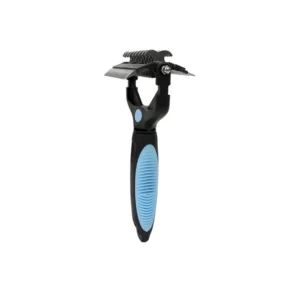 3-in-1 Pet Grooming Comb – Professional Detangling, Dematting & Deshedding Tool for Dogs & CatsMSRP $6.49Login for wholesale pricing
 3-in-1 Pet Grooming Set with Comb, Brush & Nail Clipper – Wholesale for Pet Shops(MOQ 32)MSRP $5.59Login for wholesale pricing
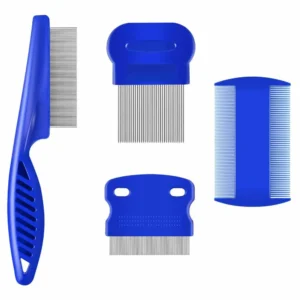 4 Pack Cat Flea Comb Set – Blue Grooming Tools for Long Hair Cats & Dogs | Wholesale Pet Grooming SuppliesMSRP $1.98Login for wholesale pricing