
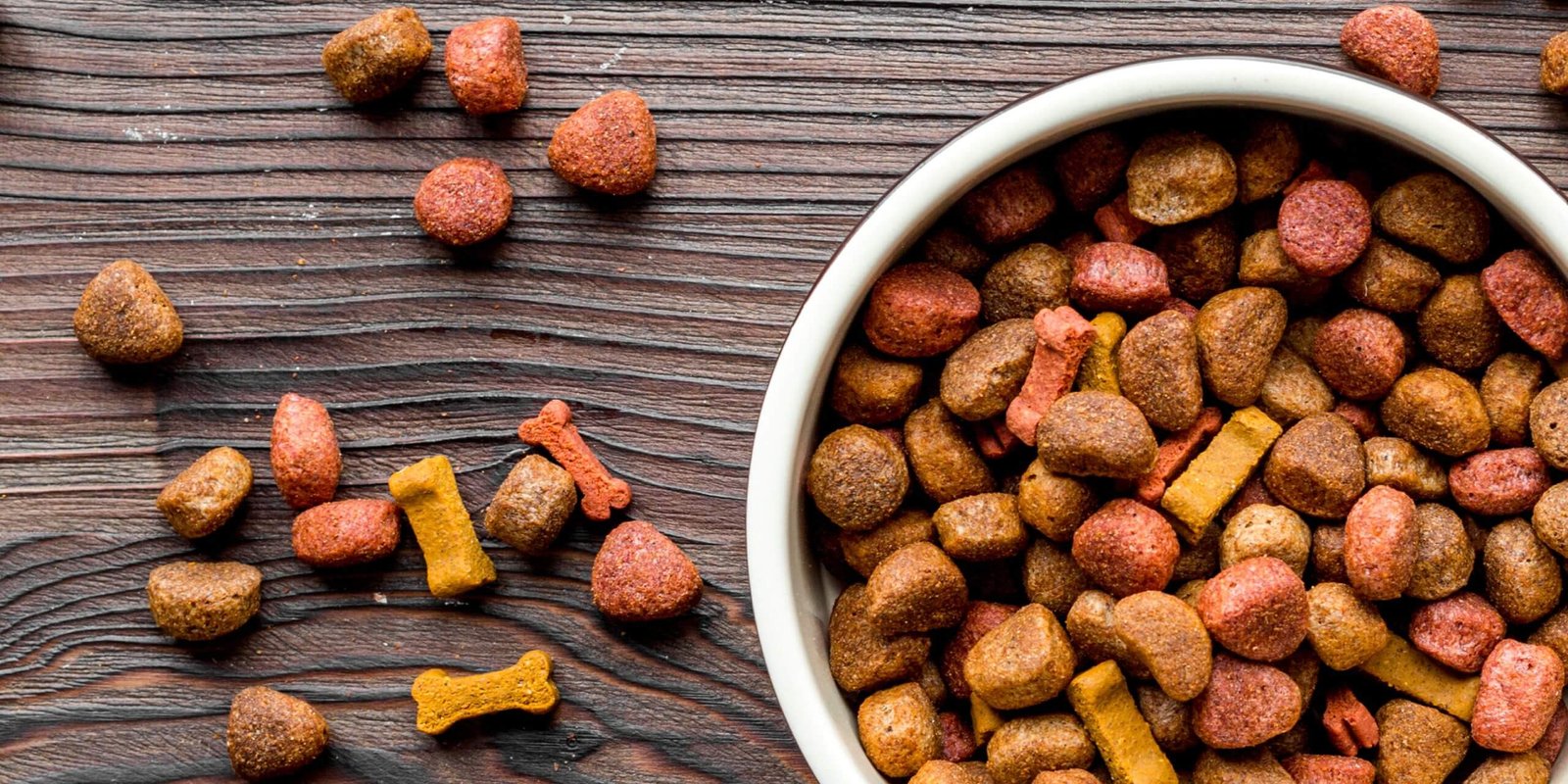
Small Animal Habitats Dropship Supplier: Stocking the Underserved Niche in 2026
Introduction: The Shelf Nobody Else Is Fighting For
Start with a number that should make an independent pet retailer stop mid-shelf-count. GlobalPetIndex, the global pet industry directory and intelligence layer, now maps 91,673 pet companies across 185 countries — and its sourcing shortcuts already list 85 retailers specialising in small pet cages, 84 in small pet food and 83 in small pet toys. Those are not big-box numbers. They are the signature of a supply ecosystem small enough that a single well-run store can own it locally. Source: GlobalPetIndex
Now put that beside the demand curve. Multiple 2026 market estimates tracked through the same sector put global exotic pet supplies at roughly $1.97 billion in 2026, growing to $3.46 billion by 2034 — a 7.3% compound annual rate — with small mammals (rabbits, guinea pigs, hamsters) the single largest product segment, and reptile supplies alone worth about $2.675 billion. The growth is being driven by younger, urban, apartment-dwelling keepers who research online before they buy anything at all.
Which brings us to the practical move. If you want a category where you are not the fourth retailer on the street fighting over the same dog-food facings, you need a small animal habitats dropship supplier in your vendor list before your competitors even notice the aisle exists. The model is simple: you list habitats, bedding, substrate, hides and enrichment on your own storefront, a supplier warehouses and ships them, and you carry no inventory while you learn which species your local market actually keeps. This playbook covers the signal, the real unit economics, the compliance gates, and a launch list you can start this week.
Industry Signal Interpretation: Why the Niche Beats the Mainstream Right Now
The instinct to chase whatever sells most is usually wrong for a small store, because the highest-volume categories are also the most contested. The small-animal and reptile supply niche is attractive for four structural reasons that all point the same direction:
- Demand is growing faster than the mainstream, from a smaller base. An exotic and small-animal supplies market moving from roughly $2 billion to more than $3.4 billion over eight years is a category adding real volume — but doing it in fragments too small for national chains to service profitably. That gap is your opening — and the category leaders listed in the GlobalPetIndex rankings are still overwhelmingly dog-and-cat businesses, not small-animal habitat specialists.
- Big-box retail structurally under-serves it. Mass merchants stock a shallow token range: one generic cage, one bag of bedding, one food. Keepers of guinea pigs, rabbits, hamsters, geckos and bearded dragons need species-correct habitat components, and they know the difference. A specialist shelf that gets the details right wins on expertise, not price.
- The consumable attach rate is unusually high. A habitat is bought once; bedding, substrate, hay, food, chews, litter and enrichment are bought continuously. A single habitat sale can lock in years of repeat basket — a far better business than a one-off high-ticket sale with nothing behind it.
- Discovery now happens online first. New keepers research species care on forums, video and social platforms before visiting any store. That means a storefront with genuinely useful, species-specific product guidance can capture demand that a physical-only shop simply never sees.
The strategic read: treat small-animal and reptile supplies as your differentiator, not your volume driver. You will not out-sell a chain on dog kibble. You can absolutely become the local authority on rabbit housing, hamster enrichment and reptile heating — and authority in a niche converts into margin you cannot get on commodity lines.
The Margin Calculator: What a Habitat Unit Actually Earns
The honest trade-off with dropshipping is margin per unit: a dropship supplier charges more because they absorb storage, picking, packing and shipping. Here is a realistic comparison for the same mid-ticket item — a modular small-animal habitat retailing at $58:
| Line item | Dropship from supplier | Bulk buy (MOQ 200) |
|---|---|---|
| Retail price on your storefront | $58.00 | $58.00 |
| Supplier unit cost | $37.50 | $22.40 |
| Inbound freight per unit | $0.00 (supplier ships) | $2.60 |
| Payment processing (≈3%) | $1.74 | $1.74 |
| Gross margin per unit | $18.76 (≈32%) | $31.26 (≈54%) |
| Upfront cash per SKU | $0 — you pay after the customer pays | ≈$5,000 before the first sale |
| Inventory risk | None | You own 200 units until they sell |
| Break-even exposure | Not applicable | ≈160 of 200 units must sell to recover the outlay |
- Reading one: dropshipping gives up roughly 22 points of gross margin and buys back essentially all of the capital risk. On a category you have never stocked, that is a good trade.
- Reading two: the two models are not rivals. The 2026 pattern that works for small stores is hybrid — dropship the long tail, then bulk-buy only the five to ten habitat SKUs that reorder predictably.
- Reading three: judge the dropship margin against the whole basket, not the unit. A 32% margin on a habitat that pulls in a $14 bedding reorder every six weeks for three years is worth more than a 54% margin on a product nobody returns for.
Import Compliance Checklist: EU and US Lines
When a supplier ships straight to your customer across a border, you remain the seller of record. Compliance does not disappear because you never touched the goods. Clear these gates before you list a cross-border product:
- European Union: the General Product Safety Regulation requires an EU-based responsible person and traceability details on consumer product listings. Electrical habitat items — heat mats, lamps, thermostats, pumps — must carry CE marking with the relevant Low Voltage and EMC conformity, and fall under WEEE take-back obligations. Animal by-products rules govern bedding, hay and food of animal origin, and any food-contact packaging must meet EU food-contact materials requirements.
- United States: small-animal and reptile foods and treats fall under FDA animal-food rules with facility registration and Prior Notice for imports; labels should follow AAFCO-style conventions where applicable. Chew toys and small parts should have documentation under CPSIA where children could handle them. Wildlife-derived decor — coral, shell, dried plant and some chew materials — may require a Lacey Act declaration, and CITES-listed species products need USFWS documentation.
- Species rules, not just product rules: some US states restrict ownership of particular reptiles and small mammals, and many countries regulate live imports separately. You are selling supplies, not animals — but knowing local ownership rules tells you which species’ supplies will actually sell in your market.
- Universal supplier gate: ask every candidate supplier for the same three documents — business licence and production permit, a third-party test report (SGS, BV or Intertek), and the health or material certificate your destination market requires. A supplier who cannot produce these is a chargeback waiting to happen, whatever their no-MOQ terms look like.
- Fastest compliant route: prioritise suppliers who already warehouse in your market. Domestic fulfilment removes per-order import paperwork, cuts delivery from three weeks to three days, and sharply reduces the refund rate that would otherwise damage the review score your new storefront depends on.
Low MOQ and Private Label: How to Start Without Inventory
The quiet advantage of running your own storefront is the upgrade path that opens once you have data. The disciplined sequence looks like this:
- Start with the supplier’s standard no-MOQ catalogue. List 40–90 SKUs across two or three species you actually understand, so your product descriptions carry real expertise instead of a copied spec sheet.
- Watch for the reorder signal. Any habitat, bedding or enrichment product with steady sales for eight to ten weeks — especially one customers already ask about in your physical store — is a private-label candidate.
- Negotiate a small branded batch. Bedding, hay, substrate, litter and simple enrichment toys are the easiest private-label wins: most suppliers will produce 100–300 units with your branding at 25–35% below their dropship unit cost, and the branding costs almost nothing to add.
- Keep both listings live. The dropship version covers demand while your branded batch is in production; the branded version carries the higher margin and builds brand equity nobody can price-match.
- Repeat per winner. Two or three private-label winners a year is enough to change the economics of a small store — and you risked almost nothing to find them.
Your Action List for This Week
- Pick a species wedge, not a category. Do not launch “small animal supplies.” Launch “rabbit housing and enrichment” or “reptile heating and habitat control” — a shelf you can become the local answer for within a quarter.
- Shortlist three suppliers and send them the same five questions: warehouse location, average pick-pack time, carrier accounts, defect and damage policy, and private-label options. A real supplier answers all five in one email; a reseller goes quiet.
- Order one habitat unit to your own address. Assess packing strength, transit time and component quality exactly as your customer would. This small test saves more refunds than any contract clause — habitat items are bulky and damage-prone, so packaging is not a detail.
- Verify compliance documents for your first two SKUs before they go live, and keep them in one folder per supplier for the day a marketplace or regulator asks.
- Write descriptions like a keeper, not a scraper. Two sentences of genuine species-specific advice per product beats a wall of copied specifications — and it is the one thing a marketplace listing can never copy from you.
If you would rather start from a curated assortment than cold outreach, you can become a reseller, open with a ready-made shelf through our pet store starter essentials kit, or send your first order through our wholesale inquiry desk.
FAQ
Is the small-animal and reptile niche big enough for a small store?
Yes — precisely because it is fragmented. Global exotic and small-animal supplies are estimated at roughly $1.97 billion in 2026 and heading past $3.4 billion by 2034, with small mammals the largest product segment. Chains service the category thinly, so a specialist shelf with species-correct products competes on expertise rather than price. You are not trying to out-scale anyone; you are trying to be the obvious local answer for rabbit, hamster or reptile keepers.
Do I need permits to sell reptile or small-animal supplies?
Supplies are regulated differently from live animals, but two things catch retailers out. First, wildlife-derived materials — coral, shell, some dried plant and chew products — can require a Lacey Act declaration in the US, and CITES-listed species need USFWS documentation. Second, electrical habitat equipment needs CE marking in the EU and compliant wiring and labelling in the US. Check both before your first cross-border listing, not after.
Which products should a small animal habitats dropship supplier ship first?
Start with the consumable engine and add hardware around it. Bedding, hay, substrate, litter and simple enrichment are light, repeat-purchase and easy to ship, which keeps your early refund rate low while you learn demand. Habitats come next — higher ticket, higher margin, but bulky and damage-prone, so only list them once you have confirmed a supplier’s packing quality with a test order to your own address.
How do I find a small animal habitats dropship supplier that ships domestically?
Ask for the warehouse location first and treat it as a pass-or-fail question: if the supplier cannot tell you which country the goods ship from, they are a forwarder, not a fulfilment partner. Then confirm average pick-pack time, carrier accounts, and a written defect and damage policy with a claim window. Suppliers who already warehouse in your market remove per-order import paperwork and cut delivery to a few days — the single biggest lever on your refund rate and review score.
This article’s industry signals are cited from GlobalPetIndex public industry data, for procurement decision reference only; specific compliance is subject to the latest regulations of the destination country.
Ready to stock these ideas? Browse wholesale pet KITs →
Shop these pet categories
Wholesale pricing, no minimum order.
Related wholesale collections
Products mentioned here
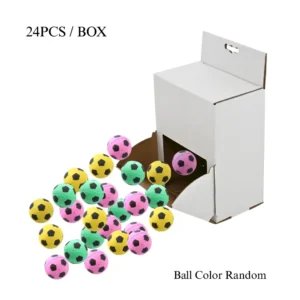 24-Pack Cat Toy Balls – Soft Latex Foam Soccer Ball Toys for Cats, Interactive Chase & Self-Play, Wholesale Pet SuppliesMSRP $8.89Login for wholesale pricing
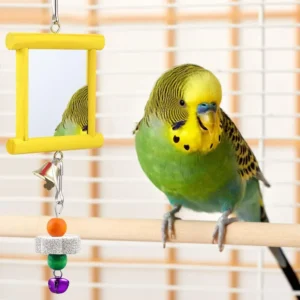 4-Pack Acrylic Parrot Toys with Mirror & Beak Grinding Accessories – Colorful Bird Cage Toys for Parrots and CockatielsMSRP $5.89Login for wholesale pricing
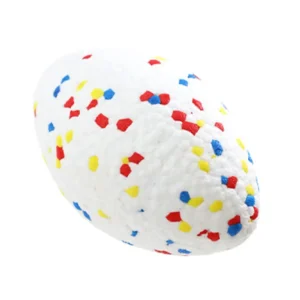 5 Inch Durable Rugby Floating Dog Ball – Chew & Fetch Water Toy for DogsMSRP $4.29Login for wholesale pricing
 Berry-Shaped Silicone Dog Treat Dispensing Slow Feeder Toy – Durable Chew & Interactive Training Ball(MOQ 24)MSRP $3.56Login for wholesale pricing