

How to Source Pet Products Directly from Manufacturers (Step-by-Step)
Why Source Directly?
Sourcing pet products directly from manufacturers — rather than through layered distributors — is one of the highest-leverage moves an independent pet retailer can make. Done well, it lowers unit cost, improves product uniqueness, and gives you control over quality and lead time. Done poorly, it exposes you to minimums, language gaps, and quality surprises. This step-by-step guide walks a new retailer through direct sourcing, and shows where curated KITs fit as a low-risk on-ramp.
Step 1: Define Exactly What You Need
Before contacting any factory, write a precise brief: category, material, size range, color options, packaging, and — crucially — your realistic monthly volume. Vague requests get vague quotes. A clear brief (e.g., “500 nylon dog leashes, 1.2m, 3 colors, with branded hang tag”) lets a manufacturer quote accurately and signals you are a serious buyer. KITs help here too: a Retail Starter KIT tells you which product types actually matter to your shelf before you commission custom production.
Step 2: Find the Right Manufacturers
Sources include B2B marketplaces, industry trade shows, and referrals from other retailers. For pet goods, manufacturing clusters (notably in Asia) concentrate expertise and competitive pricing. Shortlist five to ten suppliers rather than one; competition improves your terms. Always verify business licenses and request references — legitimate factories expect this.
Step 3: Sample and Validate
Never order production without handling a sample. A sample reveals material feel, stitching, smell, and packaging quality that photos hide. Test it as a customer would: clip the leash to a real dog, wash the bowl, scuff the toy. If the sample disappoints, move on — the cost of one sample is trivial against a bulk order of rejects.
Step 4: Negotiate MOQ and Price
Minimum order quantity (MOQ) is the gate that stops most small retailers from direct sourcing. A factory may quote 1,000 units; you need 100. Negotiate: ask for a “trial order” at a slightly higher unit price, or combine several SKUs to reach the total MOQ across a range. This is where KITs shine as an alternative — they bundle small quantities of many items into one sensible order, delivering direct-sourcing benefits (curated assortment, margin control) without you clearing a 1,000-unit gate alone.
Step 5: Lock the Contract and Quality Terms
Get specifications, price, lead time, payment terms, and a quality standard in writing. Define acceptable defect rates and the remedy (replacement or refund). A simple inspection clause — e.g., a third-party check before shipment — prevents unpleasant surprises. New buyers often skip this and regret it; treat the contract as your safety net, not paperwork.
Step 6: Handle Logistics and Import
Direct sourcing means you own the shipping: freight forwarder, customs, duties, and delivery to your door. For small trial orders, air freight is faster but costlier; for recurring volume, sea freight lowers unit landed cost. Understand your country’s pet-product regulations (material safety, labeling) before goods ship, or you may face holds at the border. Many retailers start with a freight partner who handles clearance end-to-end.
Step 7: Build the Relationship
The best direct-sourcing deals compound over years. Pay on time, communicate clearly, and share sell-through feedback so the factory can adapt. A trusted supplier will offer you new samples first, flex on MOQs as you grow, and prioritize your orders during peak season. Relationship is the moat that distributors cannot easily copy.
Where KITs Fit for Beginners
Direct sourcing is powerful but demanding — it asks for time, capital, and expertise a brand-new store may not have. Curated KITs are the pragmatic on-ramp: they deliver manufacturer-direct thinking (validated assortments, margin control, small effective minimums) without you negotiating ten factories on day one. Use KITs to open and learn your market; graduate to direct manufacturing for the specific winners your sales data reveals. You get the best of both — control now, customization later.
Red Flags When Sourcing Direct
Watch for suppliers who refuse samples, dodge written specs, demand full payment upfront with no inspection right, or cannot provide business verification. Equally dangerous is a factory that agrees to an impossibly low MOQ with no quality explanation — something is usually hidden. Trust is built through small, successful orders, not promises. If a deal feels off, it probably is; walk away and keep your cash for a partner who earns it.
A First-Time Sourcing Timeline
Month one: write your brief and shortlist suppliers. Month two: order samples from three finalists and test them honestly. Month three: negotiate a trial order on your winner, lock the contract, and arrange logistics. Month four: receive, inspect, and put the product on a small slice of shelf. Only after it proves itself do you scale the order. This measured pace protects you far better than a single giant leap — and it mirrors the small-batch discipline that keeps new stores alive.
Start Sourcing With Confidence
Direct manufacturing is not reserved for giants. With a clear brief, patient sampling, careful negotiation, and solid contracts, an independent pet store can source smart and compete on uniqueness and margin. And if you are not ready to manage ten factories, open with a Retail Starter KIT and learn your assortment first. Either path begins with knowing exactly what your shelf needs.
Ready to stock these ideas? Browse wholesale pet KITs →
Shop these pet categories
Wholesale pricing, no minimum order.
Related wholesale collections
Products mentioned here
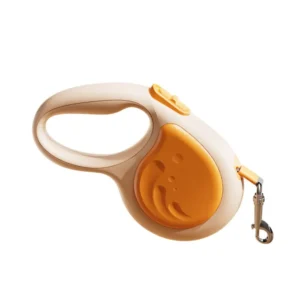 19.6 ft Outdoor Nylon Automatic Retractable Dog Leash – Heavy-Duty Pet Leash for Large and Small DogsMSRP $8.99Login for wholesale pricing
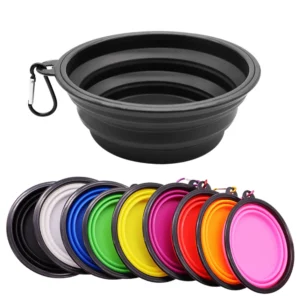 2 Pack Collapsible Silicone Dog Bowls – Portable Pet Food & Water Travel Bowl with CarabinerMSRP $1.78Login for wholesale pricing
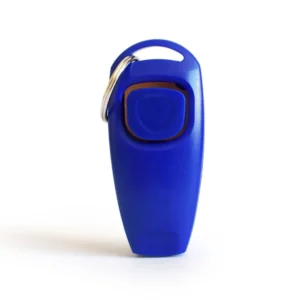 2-in-1 Dog Training Whistle & Clicker – Outdoor Pet Training Device, Factory-Direct Wholesale (MOQ 50)MSRP $2.18Login for wholesale pricing
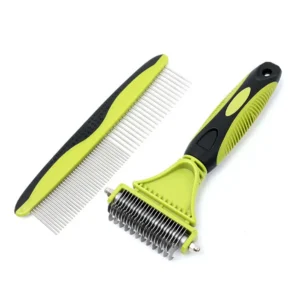 2-in-1 Pet Grooming Comb Set – Dual-Sided Deshedding & Dematting Tools for Dogs and CatsMSRP $6.29Login for wholesale pricing