

How to Stock a Profitable Pet Store: A Category-by-Category Buyer’s Guide
Opening a pet store is the easy part. The hard part — the part that separates a thriving neighborhood shop from a soon-closed lease — is learning how to stock a profitable pet store with the right mix of products at the right price points. Independent retailers win or lose on assortment: too narrow and you send customers to the big-box chain; too scattered and your cash gets trapped in slow-moving wholesale pet catalog inventory you can’t move. This guide walks you through a category-by-category buying plan built specifically for pet-shop buyers and retail entrepreneurs sourcing wholesale. We’ll cover what to put on your shelves first, how to balance dog and cat, where seasonal demand hides, and how to pair every aisle with a ready-made Pet Store Starter Essentials Kit so you can open with confidence instead of guesswork.

Know Your Market Before You Stock a Profitable Pet Store
Before a single carton is ordered, the most profitable retailers do their homework. Opening a pet store without a clear picture of local demand is the fastest way to overbuying the wrong categories. Start with three questions: who lives nearby (breed mix, apartment dwellers vs. suburban families), what’s already available within a 15-minute drive, and which service you can own (grooming, training, self-wash, premium nutrition advice). Your answers dictate your pet store inventory priorities.
A useful exercise is a simple demand map. List the top five pet-owning household types in your trade area, then assign each a “starter basket” of likely purchases. Apartment dog owners lean toward compact walking gear and chews; suburban families buy toys in volume and seasonal items; senior-cat households want litter, wellness, and comfort products. This map becomes your first purchase order, not a generic bestseller list.
Once the map is done, translate it into a rough opening-assortment allocation. The table below is a sensible starting skeleton many independent retailers use; shift the percentages toward whichever categories your demand map says will dominate your trade area.
| Category | Suggested % of Opening Inventory | Buyer Role |
|---|---|---|
| Food & feeding essentials | 25–30% | Traffic & loyalty driver |
| Starter essentials (collars, bowls, waste) | 15–20% | Weekly repeat purchases |
| Toys & play | 15–18% | Impulse & margin |
| Grooming & hygiene | 12–15% | High-margin everyday |
| Walking & outdoor | 10–12% | Visible lifestyle statement |
| Wellness & slow feeding | 8–10% | Upsell at feeding aisle |
| Seasonal & holiday | 5–8% | Limited-run margin spikes |
Notice the pattern: the largest slices are the dependable repeat purchases, while the smaller slices are where you take calculated, creative risks. This balance is the practical core of how to stock a profitable pet store rather than a warehouse of slow movers.
Budget discipline matters just as much as selection. Many retailers find that allocating roughly 60% of opening inventory to proven everyday essentials (food, litter, collars, waste bags) and reserving 40% for higher-margin discretionary items (toys, apparel, gifts) keeps cash flow healthy while the store finds its rhythm. Treat your opening order as a test, not a final answer — the first 90 days will tell you what your specific neighborhood actually buys.
Build a Foundation with Starter Essentials
Every profitable shop is built on a dependable core. The Pet Store Starter Essentials Kit is designed to give new buyers that core in one coordinated order: collars and leads, basic bowls, starter grooming tools, waste-management basics, and the small-ticket repeat purchases that bring customers back weekly. These are the items with the shortest purchase cycle, which means they generate the foot traffic that supports your slower, higher-margin categories.
When you stock a profitable pet store, think of starter essentials as your “destination” category. Shoppers should be able to walk in for a replacement collar or a bag of waste bags and leave with three more impulse items they hadn’t planned on. Merchandise these at eye level near the register, and keep the range broad enough that a customer never leaves empty-handed because you were out of their size or color.
For opening inventory, prioritize depth in the top sizes (small, medium, large) over breadth in unusual ones. A well-stocked medium-dog collar wall beats a thin spread across every conceivable variant. Depth drives the “they always have what I need” reputation that turns first-time visitors into regulars.
Pet Store Inventory Essentials: Food, Feeding & Wellness
Feeding and wellness is the heartbeat of pet store inventory, and it’s where margin and loyalty are both won. You don’t need forty food brands on day one — you need a curated ladder: an accessible everyday line, a mid-tier natural option, and one premium or specialty range for sensitivities and life-stage needs. Pair the food wall with feeding accessories that lift basket size.
The Slow Feeding & Wellness Kit answers a real and growing consumer concern: digestive health, portion control, and enrichment at mealtimes. Slow-feeder bowls, lick mats, and puzzle feeders are compact, high-margin, and easy to demo on the shelf. They also pair naturally with food purchases, making them an ideal cross-sell at the feeding aisle endcap.
Wellness extends beyond feeding. Supplements, dental chews, and joint-support treats sit comfortably in this zone and invite higher-ticket add-ons. Keep a tight, rotating assortment rather than a wall of near-identical SKUs; clarity helps shoppers decide and keeps your reorder simple.
Make the slow-feeder story tangible with a live demo bowl on the counter, filled with kibble, so owners can see how it works in seconds. Shoppers who watch a dog engage with a puzzle feeder are far more likely to buy one, and the demo doubles as a conversation starter about digestive health — a topic that naturally leads into the rest of your wellness range.
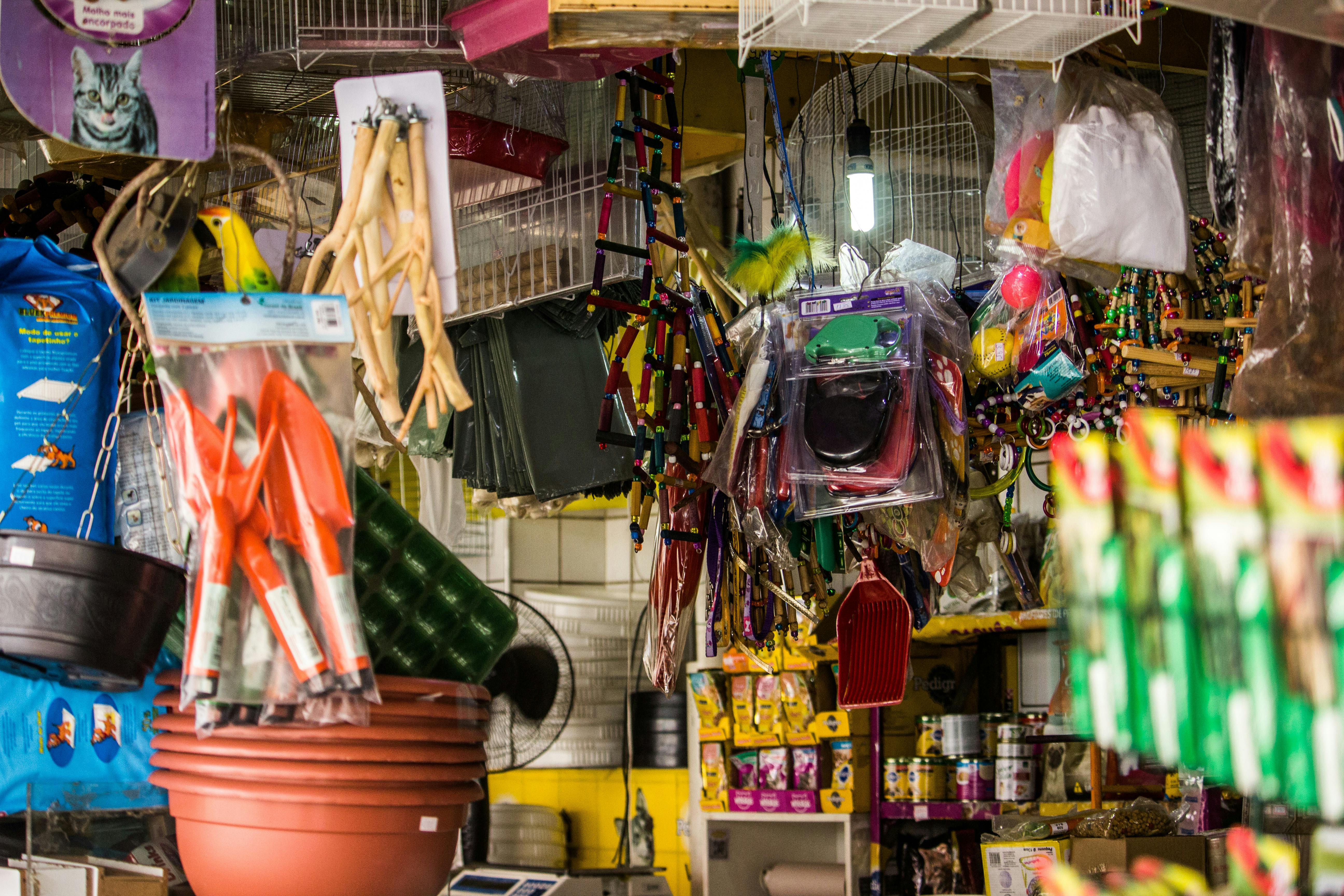
Pet Retail Buying for the Toy & Play Aisle
Toys are where pet retail buying gets fun — and where margin can quietly disappear if you chase fads. The key is a balanced toy plan: durable everyday chewers, interactive and puzzle toys, and a light sprinkle of novelty. The Best-Selling Pet Toy Kit bundles the proven workhorses so you’re not gambling on untested designs for your opening order.
Don’t neglect the cat side of the aisle. The Cat Play Kit covers wand toys, balls, scratchers, and catnip classics that turn a quiet category into a steady repeat-purchase engine. Cat owners may visit less often than dog owners, but when they do, they buy in bundles — litter, treats, and a new toy together.

For pet shop merchandising of toys, visibility is everything. Toys sell by sight and texture, so keep them in open bins customers can rummage through, refreshed monthly so the aisle always feels new. A “toy of the month” feature near the front leverages novelty without forcing you to overstock any single fad.
Pet Shop Merchandising for Grooming & Hygiene
Grooming and hygiene are high-margin, high-frequency categories that reward good pet shop merchandising. Shampoos, wipes, dental care, and odor-control products are everyday needs, while brushes, nail clippers, and deshedding tools invite upsell at the checkout. The Pet Care & Hygiene Kit gives you a clean, coordinated hygiene wall from day one.
If you’re adding a service component — self-wash or full grooming — the Professional Grooming Kit equips the back-of-house with the professional-grade tools and consumables that keep appointments running. Retail and service reinforce each other: a customer who books a groom often walks out with retail product recommended by the groomer, and vice versa.
Merchandise hygiene as a “problem-solution” layout rather than a brand wall. Group by need — “bad breath,” “shedding,” “sensitive skin,” “travel cleanup” — so shoppers self-select without needing to decode ingredient labels. This approach lifts attachment rate and reduces the paralysis of too many similar bottles.
Walking, Outdoor & Leash Essentials
The walking aisle is the most visible expression of your store’s personality, and it’s a reliable profit center. Leashes, harnesses, poop-bag dispensers, and reflective gear are weekly-repeat purchases for dog owners, and they’re the category most likely to convert a “just browsing” sidewalk shopper. The Walking Essentials Kit bundles the everyday carry items every dog household needs.
When you stock a profitable pet store, treat walking gear as your lifestyle statement. A well-merchandised harness wall with clear size guidance — and a staff who can fit a harness correctly — builds trust that no online retailer can match. Add seasonal layers: cooling mats in summer, reflective and light-up gear in winter’s early-dusk months.
Outdoor and adventure accessories (travel bowls, portable water bottles, car safety) are natural extensions that pair with the walking wall and with the seasonal travel spikes around holidays. Keep a modest but visible presence so the category grows with your customer base rather than demanding a big upfront bet.
Train your staff to fit harnesses and measure for leads on the spot. A correct fit is the difference between a one-time sale and a customer who trusts your recommendations for years. Keep a fitting demo dog (a plush model works) near the wall so new hires practice and shoppers see the adjustment points clearly. This small investment in expertise is exactly the kind of service advantage that protects your Walking Essentials Kit sales from online competition.
Seasonal & Holiday Inventory That Sells
Seasonality is the stealth profit lever most new stores underuse. The Holiday Celebration Kit packages the giftable, photo-ready, limited-run items that drive your strongest margins in the fourth quarter and around key dates like Halloween, Valentine’s, and pet-specific holidays. These items are meant to sell out, not sit — so buy lean and replenish fast.
The trick to seasonal pet retail buying is timing and scarcity. Order early enough to be on the shelf before the rush, but never so deep that leftover stock becomes next year’s clearance drag. Many retailers find a two-wave approach works best: a conservative first drop, then a fast replenishment once demand is confirmed.
Beyond the big holidays, build smaller seasonal moments — “summer safety,” “back-to-school for puppy class,” “winter wellness” — to keep the calendar active and give regulars a reason to return monthly. Each mini-theme is a chance to feature a different kit and refresh the front-of-store display.
Buying Smart: Sourcing from a Wholesale Pet Catalog
None of this works without a sourcing strategy. A deep, flexible wholesale pet catalog lets you test categories, refill fast, and avoid the minimum-order traps that tie up cash. The advantage of buying through coordinated kits is coordination itself: each kit is curated to a theme, priced for margin, and shipped as a unit, so your assortment stays coherent instead of accidental.
For stores with a clear point of view, the Build-Your-Own Wholesale Kit lets you mix exactly the SKUs your neighborhood demands — heavier on cat if that’s your market, heavier on grooming if you run a salon. And the Shop Wholesale KITs hub is the single place to compare every themed kit, plan your next purchase order, and scale your assortment as the business grows.
Learn the math of case packs before you commit. A “great deal” on a 48-unit case only helps if you can sell 40 of them inside your peak window; otherwise you’ve parked cash on a shelf. When you stock a profitable pet store, discipline on case-pack size matters more than discount percentage. Curated kits sidestep this trap because the mix is pre-balanced to realistic opening demand.
Smart pet retail buying also means watching your inventory turns, not just your landed cost. A slightly higher unit cost on a fast-moving item beats a deep discount on something that sits. Track what sells within 30 days of arrival, and let those numbers — not supplier incentives — drive your reorder plan.
Frequently Asked Questions
How much inventory do I need to open a pet store?
There’s no single number, but a practical approach is to open with a focused core rather than a full warehouse. Many retailers find that a coordinated opening order built around a Pet Store Starter Essentials Kit plus one or two themed kits covers the first 60–90 days of demand without overcommitting cash. Add depth in top-selling sizes and keep discretionary categories lean until you see real local preference.
What are the most profitable pet store categories?
High-margin, high-frequency categories typically include grooming and hygiene, toys, treats and chews, and walking accessories. Food drives traffic and loyalty but carries thinner margins and heavier logistics. The most profitable shops use essentials to bring customers in and discretionary, demo-friendly items to lift the average basket size.
How do I choose the right wholesale pet catalog supplier?
Look for a supplier with a broad, coherent catalog, transparent case-pack sizes, reliable reorder lead times, and themed kits that reduce your planning burden. Flexibility matters — the ability to start with curated kits and later move to a Build-Your-Own Wholesale Kit lets your buying evolve with the store. Strong suppliers also provide clear product data you can use for shelf talkers and staff training.
How often should I reorder pet store inventory?
Reorder on a category-by-category basis, not a single monthly cycle. Everyday essentials (waste bags, collars, litter, food) may need weekly or biweekly top-ups, while toys and seasonal goods move on trends. Track your 30-day sell-through and set par levels per SKU so you replenish before you stock out rather than after a lost sale.
Should I stock more dog or cat products when opening a pet store?
It depends on your trade area, but a common starting ratio is roughly 60% dog and 40% cat, with cat weighted toward repeat essentials like litter and treats. Use your opening demand map to adjust. The Cat Play Kit and feeding/wellness ranges let you serve cat owners well without overbuilding a slow aisle.
How can I avoid dead stock when opening a pet store?
Buy lean on novelty, deep on proven essentials, and lean on curated kits rather than guessing individual SKUs. Treat your first order as a 90-day experiment, refresh displays monthly, and use seasonal items as limited runs that are meant to sell out. Tracking sell-through from day one tells you what to cut before it becomes clearance.
Conclusion
Learning how to stock a profitable pet store is less about buying everything and more about buying the right things in the right proportions — a dependable core of essentials, a lively toy and play aisle, a high-margin grooming and wellness zone, a visible walking wall, and smart seasonal moments that keep the calendar fresh. The category-by-category plan above gives you a blueprint you can execute on opening day and refine as your neighborhood tells you what it really wants.
Ready to put it on the shelf? Explore the full range of themed assortments on the Shop Wholesale KITs hub, or tailor your exact opening order with the Build-Your-Own Wholesale Kit. Start with the Pet Store Starter Essentials Kit and build a profitable, well-merchandised store one smart category at a time.
Ready to stock these ideas? Browse wholesale pet KITs →
Shop these pet categories
Wholesale pricing, no minimum order.
Related wholesale collections
Products mentioned here
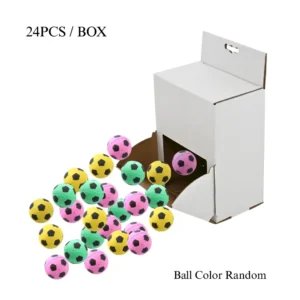 24-Pack Cat Toy Balls – Soft Latex Foam Soccer Ball Toys for Cats, Interactive Chase & Self-Play, Wholesale Pet SuppliesMSRP $8.89Login for wholesale pricing
 4-Pack Acrylic Parrot Toys with Mirror & Beak Grinding Accessories – Colorful Bird Cage Toys for Parrots and CockatielsMSRP $5.89Login for wholesale pricing
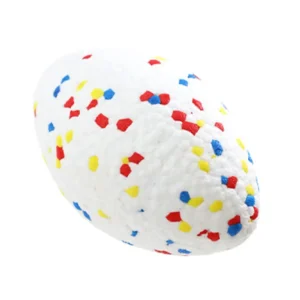 5 Inch Durable Rugby Floating Dog Ball – Chew & Fetch Water Toy for DogsMSRP $4.29Login for wholesale pricing
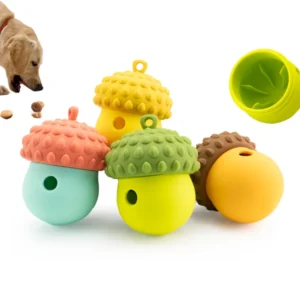 Berry-Shaped Silicone Dog Treat Dispensing Slow Feeder Toy – Durable Chew & Interactive Training Ball(MOQ 24)MSRP $3.56Login for wholesale pricing