Stop Destructive Behavior with Enrichment: A Retailer’s Product Playbook
The phone call is painfully familiar for any pet store with regulars: a customer explains, with equal parts guilt and frustration, that their dog shredded another cushion, dug up the garden, or chewed a doorway. As a retailer, you hear the same root cause behind most of these stories — dog boredom. A bored dog is not a bad dog; it is an unoccupied one, and it will manufacture its own entertainment out of your customer’s furniture. The good news is that this is one of the most solvable problems in the entire pet category, and the solution sits squarely in your aisle. Interactive dog enrichment — the practice of giving dogs purposeful, brain-engaging activities — is the single most effective retail answer to destructive dog behavior, and it is also one of your highest-margin, most repeatable product lines. The wholesale Training & Enrichment Kit bundles the formats that work, so you can hand a frazzled customer a ready-made plan instead of a sympathy card. This playbook shows you how to merchandise enrichment products so they fly off the shelf and keep customers coming back.
How Interactive Dog Enrichment Rewires Destructive Habits
Destructive dog behavior is rarely about malice. It is energy with nowhere to go. When a dog’s day contains little challenge, the brain looks for stimulation, and a loose shoelace or a soft cushion is a ready puzzle. Interactive dog enrichment changes the equation by giving the dog a legitimate, satisfying outlet before the bad habit forms. The mechanism is twofold: first, it burns mental energy that would otherwise fuel mischief; second, it builds the calm, settled state that follows focused problem-solving. Many retailers find that customers who adopt a daily enrichment routine report a near-immediate drop in chewing, digging, and barking complaints. Industry experience shows the change is often visible within a week of consistent use.
The retail angle is equally clear. You are not selling a toy; you are selling the end of a problem the customer describes in vivid, emotional detail. That emotional charge is what makes enrichment products an easy yes at the register, and what turns a one-time buyer into a loyal, repeat purchaser of refills, upgrades, and new formats. Consider the alternative cost of doing nothing: a store that only nods sympathetically while a dog destroys the home loses that customer to a competitor who offered a solution. Enrichment is therefore not a fringe category — it is a customer-retention strategy wearing a puzzle’s face.
A useful rule of thumb for staff is the “ten-minute principle.” Roughly ten minutes of genuine problem-solving can take the edge off a dog for an hour or more afterward, because the mental fatigue lingers long after the puzzle is empty. When you frame enrichment this way — as a small daily investment that buys hours of peace — the value proposition becomes impossible for a struggling owner to ignore. That is the sentence that moves cartons.
A practical way to use this insight in the store is to keep a small “success board” near the enrichment shelf where customers can pin a photo of their dog with a solved puzzle. Industry experience shows that social proof from fellow local owners lowers the barrier to a first purchase more than any printed claim. When the neighbour’s dog is visibly calmer, the skeptical owner becomes a believer — and then a repeat buyer who brings friends.
Reading the Early Signs of Dog Boredom
The most profitable enrichment sale is the one made before the destruction starts. Train your team to spot the early signals of dog boredom so they can recommend enrichment products proactively, rather than waiting for a customer to arrive with a rueful story. Common early signs include:
- Persistent sniffing, pacing, or window-watching with no clear trigger
- Excessive licking of paws, floors, or furniture
- Attention-seeking behaviours like nudging, whining, or stealing objects
- Restlessness after a walk that should have tired the dog out
- Chewing that targets the same household items repeatedly
When a customer describes any of these, that is your opening. A short conversation about interactive dog enrichment reframes the issue from “my dog is naughty” to “my dog needs a job.” That reframe is the foundation of every successful enrichment sale, and it positions your store as the expert neighbour rather than just a point of purchase. Proactive recommendation is the skill that separates a transactional store from a trusted one — when a team member notices these signs and gently suggests a starter puzzle, the customer experiences genuine expertise rather than a sales pitch.
Equip staff with two or three diagnostic questions to uncover the right product: “How long is the dog alone each day?”, “What does he do when you’re out?”, and “Has he mastered any puzzle before?” The answers tell you whether to lead with a beginner wobbler, a durable chew outlet, or an intermediate challenge. A two-minute conversation like this consistently outperforms silent shelving, because the customer leaves feeling understood rather than sold to.
Building an Enrichment Products Shelf That Sells Itself
A great enrichment shelf does three things: it demonstrates the product, it tells the difficulty story, and it makes the next purchase obvious. Start with a live demonstration unit. Load a puzzle with treats and let a store dog — or a customer’s dog — solve it in front of shoppers. A dog succeeding in thirty seconds is more persuasive than any shelf talker. Many retailers find that a rotating “puzzle of the week” display keeps the section feeling fresh and gives regulars a reason to check back, treating the aisle like a mini-event rather than static stock.

Next, group enrichment products by the problem they solve rather than by material. A “For chewers” cluster might feature the Chew Play Kit (KIT024), a chew-and-enrichment wholesale bundle that redirects destructive energy into an acceptable outlet, alongside durable puzzle designs. A “For busy owners” cluster highlights slow, independent formats. This problem-first layout speaks the customer’s language and shortens the path from glance to purchase. Cross-merchandise with the Dog Toy Collection Kit so play and enrichment sit together and lift basket size.
Then make the upgrade path visible. Show the beginner, intermediate, and advanced formats side by side with a simple sign explaining the ladder. Customers who see the full progression understand that this is a journey, not a single purchase — exactly the mindset that drives repeat business. Pair the display with a short staff script: “Start here, and when he finishes it in a week, come back for this one.” That single sentence plants the seed of the next visit. Finally, rotate seasonal signage — “Back-to-work calm” in September, “Rainy-day games” in winter — so the shelf always feels relevant to the moment the customer is living in.
Enrichment Products for Every Life Stage
One reason enrichment is such a dependable category is that it serves a dog from puppyhood to old age. Matching the format to the life stage is both good husbandry advice and good retail practice, because it widens the audience for your shelf.
Puppies and the Teething Phase
Young dogs chew because their mouths hurt and their brains are hungry. A puppy-benefit puzzle that dispenses a few kibbles keeps them occupied and redirects biting toward an acceptable target. The Chew Play Kit (KIT024) works especially well here, pairing chew relief with a simple puzzle so the puppy learns that the right object pays off.
Adult Dogs and Daily Boredom
The largest slice of your market is healthy adult dogs left alone during the workday. For them, interactive dog enrichment is the antidote to dog boredom and the destructive dog behavior it breeds. A morning puzzle before the owner leaves can keep a dog settled well into the afternoon.
Seniors and Cognitive Care
Older dogs slow down physically but still need mental engagement to stave off cognitive decline. Easy-win puzzles with generous reward pockets suit them perfectly, and they are a thoughtful recommendation for the owner of a gray-muzzled companion.
Working and High-Drive Breeds
Border collies, retrievers, and similar breeds were bred to work all day; a sedentary home is a mismatch waiting to explode. These owners are your advanced-puzzle customers and often your largest baskets, because they buy the hardest challenges and replenish constantly.
The Training Kit Approach to Bigger Baskets
Bundling is where enrichment really pays off for your margins. Instead of selling one puzzle, you sell a training kit: a curated carton that combines a beginner puzzle, a chew outlet, and a treat format, packaged as a “calm dog starter set.” The Training & Enrichment Kit is the ready-made version of this idea, and it lets you launch the bundle without assembling components yourself. Customers love the simplicity; they do not have to think about which pieces go together, they just buy the plan.
For stores that want to localise the offer, the build-your-own wholesale kit tool lets you mix enrichment heroes with your own bestsellers, while the Shop Wholesale Kits hub makes comparing options before reorder effortless. A training kit pitched to new-dog owners — perhaps paired with a local trainer’s business card — becomes a community touchpoint that online-only competitors cannot match.
Many retailers find that a modest bundle discount, applied to a kit rather than to individual items, protects margin while still feeling generous to the customer. The perceived value of a “kit” consistently outperforms the sum of its parts on a shelf, and the kit format also reduces the paradox of choice that sometimes freezes a first-time buyer at the aisle. Give them the plan, and they will thank you with a reorder.
From Dog Boredom to Brand Loyalty
The deepest value of enrichment products is not the first sale — it is the relationship that follows. A customer who solves a destructive dog behavior problem with your help remembers the store that fixed it. That memory translates into loyalty, referrals, and a steady stream of replenishment purchases: replacement treats, the next difficulty level, birthday puzzles, and holiday gifts. Dog enrichment, done well, is a relationship business disguised as a toy category. Encourage your team to ask returning customers which level their dog has reached, and to celebrate the milestone with a recommendation for the next step.

Consider a small in-store wall or social feature celebrating local enrichment successes. These low-cost touches reinforce that your store is the enrichment authority in the neighbourhood. Pair the Training & Enrichment Kit with the Cat Play Kit for mixed-pet households so the same loyal customer shops both aisles with you. Over a year, that cross-aisle loyalty is worth far more than any single transaction, and it is the quiet compounding advantage of taking enrichment seriously.
Frequently Asked Questions
Can interactive dog enrichment really stop destructive behavior?
For the large majority of cases driven by dog boredom, yes. Enrichment gives the dog a legitimate outlet for mental energy and builds a calm post-activity state, which reduces the urge to chew, dig, and bark. It is most effective as a daily routine rather than a one-off, and many retailers find customers report clear improvement within a week of consistent use. For genuinely compulsive behavior, enrichment should sit alongside veterinary or trainer guidance rather than replace it.
Which enrichment products should I stock first as a new retailer?
Start with a beginner-to-expert ladder: one wobbler or snuffle mat, one intermediate slider puzzle, and one durable chew outlet such as the Chew Play Kit (KIT024). This covers the most common customer stories — boredom, chewing, and the desire for a “smart dog” activity — and sets up the natural upgrade path that drives repeats. Add one advanced hero SKU to signal seriousness to dedicated owners, and you have a complete, shoppable section.
How do I explain enrichment to a customer who thinks their dog just needs more walks?
Agree that exercise matters, then explain the gap: a dog can be physically tired yet mentally bored, and that mismatch fuels mischief. Frame interactive dog enrichment as the indoor, rainy-day, busy-schedule tool that pairs with walks. Customers respond well to “walks tire the body, puzzles tire the brain,” and the phrase gives them a memorable reason to add a puzzle to the basket.
Is a training kit better than selling individual puzzles?
For new and gift buyers, a training kit almost always outperforms individual items because it removes the guesswork. The curated Training & Enrichment Kit lets you offer that bundle instantly. Keep individual puzzles too, for upgrades and replenishment, so the shelf serves both first-time and returning customers — the kit opens the relationship, and the singles keep it alive.
How can a small store compete with online prices on enrichment products?
Compete on expertise and experience, not price alone. A live demo, a staff member who explains the difficulty ladder, and a local enrichment community turn your store into the trusted choice. Many retailers find that customers will pay a small premium for guidance they cannot get from a warehouse listing, especially when that guidance actually solves the destructive behavior keeping them up at night.
Conclusion
Destructive behavior is, at its core, a boredom problem — and boredom is a problem your store is uniquely positioned to solve. By stocking the right enrichment products, demonstrating them live, and telling the beginner-to-expert story with confidence, you turn a frazzled customer into a loyal one and a quiet aisle into a repeat-revenue engine. The curated Training & Enrichment Kit gives you that shelf in a single wholesale carton, ready to hand a customer a plan instead of a problem. Build a bespoke mix with the custom retail kit tool, compare the full range on the Shop Wholesale Kits hub, and make your store the enrichment authority in your community.
Shop the matching wholesale KIT
Shop these pet categories
Wholesale pricing, no minimum order.
Related wholesale collections
Products mentioned here
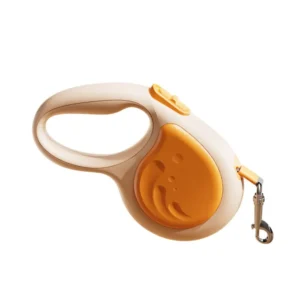 19.6 ft Outdoor Nylon Automatic Retractable Dog Leash – Heavy-Duty Pet Leash for Large and Small DogsMSRP $8.99Login for wholesale pricing
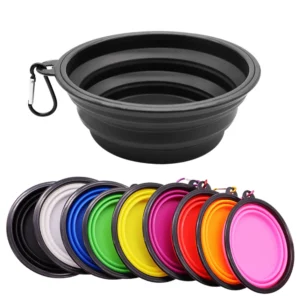 2 Pack Collapsible Silicone Dog Bowls – Portable Pet Food & Water Travel Bowl with CarabinerMSRP $1.78Login for wholesale pricing
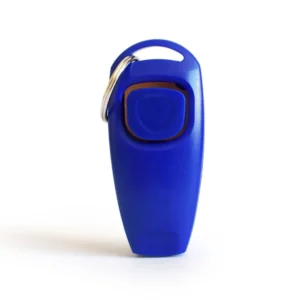 2-in-1 Dog Training Whistle & Clicker – Outdoor Pet Training Device, Factory-Direct Wholesale (MOQ 50)MSRP $2.18Login for wholesale pricing
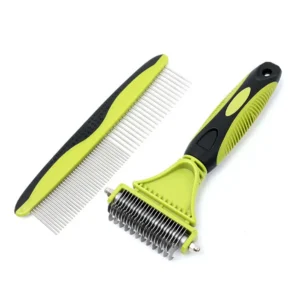 2-in-1 Pet Grooming Comb Set – Dual-Sided Deshedding & Dematting Tools for Dogs and CatsMSRP $6.29Login for wholesale pricing