
The Rise of Sustainable & Eco Pet Products: A Buying Guide
Sustainability Is Now a Purchase Filter
A decade ago, “eco-friendly pet product” was a niche label. Today it is a filter many buyers apply before they even compare prices. European and coastal-US shoppers increasingly choose the biodegradable waste bag, the recycled-material toy, the natural litter — and they reward stores that make those choices easy. For an independent pet retailer, sustainability is not a marketing costume; it is a growth category. This buying guide covers which eco pet products to stock, how to spot genuine claims, and how curated KITs weave eco options into your shelf without a full green overhaul.
Why Eco Matters to Pet Buyers
Pet owners connect their values to their pets. A buyer who avoids single-use plastic at home resists it for their dog too. Eco products also signal care and quality — they feel like the “responsible” choice, which justifies a premium. For a small store, an eco angle differentiates you from big-box commoditization and builds a loyal, values-aligned customer base.
The Eco Categories Worth Stocking
- Waste bags: biodegradable and compostable options are the easiest eco swap — high repeat, low friction.
- Toys: recycled-material ropes, natural rubber, organic catnip. Durable and giftable.
- Litter: natural, plant-based, low-dust formulas appeal to health- and planet-conscious cat owners.
- Bedding: recycled-fiber fills and washable covers reduce waste and last longer.
- Grooming: plant-based shampoos and refillable dispensers cut plastic.
You need not green every category — a credible eco subset within each is enough to signal values.
What “Eco” Really Means
Not all green claims are equal. Look for specifics:
- Material: recycled content, plant-based, FSC-certified paper, natural rubber.
- End-of-life: compostable, biodegradable, or recyclable — with honest conditions.
- Certifications: recognized eco labels (where applicable in your market) add credibility.
- Durability: the greenest product is often the one that lasts, reducing replacement.
Vague terms like “earth-friendly” with no detail are a yellow flag.
Avoiding Greenwashing
Greenwashing — exaggerated or false eco claims — hurts you twice: it misleads customers and erodes trust when exposed. Protect your store by asking suppliers for evidence, preferring recognized certifications, and being honest in your own labeling. If you cannot substantiate a claim, do not make it. Authenticity is the whole point of the eco aisle.
Merchandising Eco Products
Eco buyers respond to clarity. Group eco items into a visible “Sustainable” zone or tag them clearly on the shelf. Tell the story: “100% compostable waste bags” beats a green leaf icon alone. Use signage that explains the benefit in one line. A curated eco KIT or an eco subset within a Retail Starter KIT makes the values visible without you rebuilding the store.
How KITs Weave In Eco Options
You do not need to source ten eco factories to offer eco choices. Curated KITs often include sustainable options — a biodegradable bag, a recycled toy — assembled small and validated. That lets you present an eco-aware shelf from day one, then deepen the category as local demand proves. KITs turn “I should go green” into “my shelf is green” with minimal capital.
An Eco Aisle That Built a Loyal Base
A small European store added a modest eco subset — compostable bags, a recycled rope toy, and a natural litter — via a curated KIT rather than sourcing each alone. They tagged the shelf honestly (“compostable in industrial facilities”) and told the story at the counter. Within two months, eco buyers visited more often and spent more per trip, drawn by a store that matched their values. The eco subset was small; the loyalty it built was not. Proof that authenticity, not volume, drives the category.
Your Eco Buying Checklist
Before adding any eco item: confirm the specific material and end-of-life claim; prefer recognized certifications where available; ask the supplier for evidence; avoid vague “green” language in your own labels; start with high-repeat swaps (bags, litter); and use a KIT to test the category small. Tick these and your eco shelf earns trust instead of skepticism — the difference between a fad and a following.
Stock Values, Sell Loyalty
Sustainable pet products are a durable growth category, not a fad. Stock the high-repeat swaps (bags, litter, toys), verify claims honestly, merchandise the story clearly, and use KITs to launch an eco-aware shelf without overhauling inventory. Explore our Retail Starter KITs to see how eco options fit a curated assortment — and turn values into loyal, repeat customers.
Ready to stock these ideas? Browse wholesale pet KITs →
Shop these pet categories
Wholesale pricing, no minimum order.
Related wholesale collections
Products mentioned here
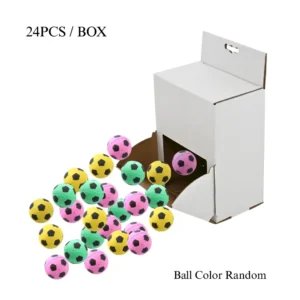 24-Pack Cat Toy Balls – Soft Latex Foam Soccer Ball Toys for Cats, Interactive Chase & Self-Play, Wholesale Pet SuppliesMSRP $8.89Login for wholesale pricing
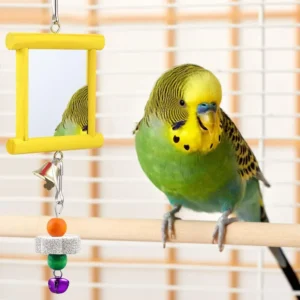 4-Pack Acrylic Parrot Toys with Mirror & Beak Grinding Accessories – Colorful Bird Cage Toys for Parrots and CockatielsMSRP $5.89Login for wholesale pricing
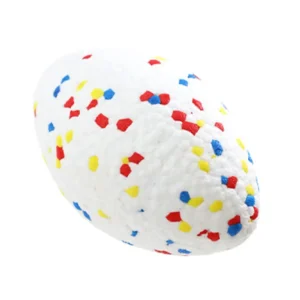 5 Inch Durable Rugby Floating Dog Ball – Chew & Fetch Water Toy for DogsMSRP $4.29Login for wholesale pricing
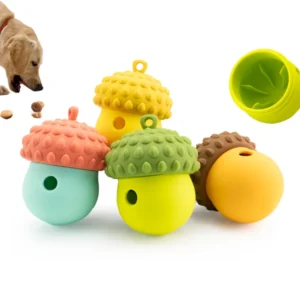 Berry-Shaped Silicone Dog Treat Dispensing Slow Feeder Toy – Durable Chew & Interactive Training Ball(MOQ 24)MSRP $3.56Login for wholesale pricing