
Top 10 Must-Have Products for a New Pet Retail Store (and How KITs Simplify Sourcing)
Opening a Pet Store? Start With These Ten
When you open a pet store, the temptation is to fill every shelf with everything. Resist it. A lean, well-chosen opening assortment outperforms a warehouse of half-right products every time. The smartest way to build that assortment is to know the ten product categories that drive the majority of independent pet-store revenue — and then let curated KITs assemble them for you so you are not sourcing forty items individually on day one.
This article walks through the ten must-have product groups for a new pet retail store, explains why each earns its place, and shows how KITs turn a daunting sourcing list into a handful of confident decisions.
1. Dog Leashes and Collars
If dogs are part of your concept (and for most stores they are), leashes and collars are your front-line category. They are high-margin, visually appealing, and replenished constantly. A new owner needs a range of sizes and a few color stories — not fifty SKUs. A Dog KIT typically bundles the best-selling widths and lengths so your collar wall looks complete without you guessing which buckle sells.
2. Dog Chews and Treats
Chews and treats are the engine of repeat visits. A dog owner returns weekly for a new chew; that cadence is what builds a loyal base. The risk is over-assorting flavors you cannot move. Start with a tight, proven set — a KIT gives you that set pre-selected, and you expand only after you see what your neighborhood prefers.
3. Cat Litter
For cat-focused stores, litter is the anchor consumable. It is heavy, unglamorous, and absolutely essential. You do not need ten litters; you need two or three tiers (value, clumping, premium) that cover your customer range. A Cat KIT usually includes a sensible litter starter plus the toys and bowls that pair naturally beside it.
4. Cat Toys
Cat toys drive impulse purchases and gift sales. They are small, cheap to stock, and endlessly varied. The trap is buying a hundred novelty shapes that gather dust. A curated Cat KIT delivers a rotating mix of proven winners — wand toys, balls, catnip items — so your feline aisle feels alive without drowning you in SKUs.
5. Pet Bowls and Feeders
Every pet eats, so bowls and feeders are universal. Stainless steel and ceramic options cover most needs; an elevated feeder adds an upsell tier. This is a “complete the set” category — easy to include inside a KIT so the new owner gets a coherent feeding section immediately.
6. Grooming Basics
Brushes, combs, nail clippers, and wipes are high-margin and giftable. They also pair naturally with both dog and cat KITs. A small grooming mini-section signals “full service” even in a tiny store, and KITs often fold in a grooming sampler so you are not sourcing each tool alone.
7. Waste Bags and Cleanup
Dog-walk culture runs on waste bags. They are the ultimate replenishment product: cheap, frequent, and loyalty-building. Stock a couple of roll formats and a dispenser. Many Dog KITs include waste solutions because they are the quiet workhorse of repeat revenue.
8. Pet Beds
Beds are a destination purchase and a margin highlight. You do not need a bed wall on day one — a small, curated selection (one or two sizes, a washable option) is enough to show range. A KIT can include a featured bed as a hero item without forcing you into a deep bedding inventory.
9. Toys for Dogs and Cats
Beyond cat-specific toys, a general toy mix (fetch balls, ropes, plush) fuels the fun factor that brings families in. Toys are where impulse and basket size grow. A balanced KIT blends dog and cat toys so your opening toy section is broad yet controlled.
10. Seasonal and Gift Items
The tenth slot is your flexibility lever: holiday ornaments, birthday bands, themed bandanas. These carry the highest markups and keep the store feeling fresh. A Seasonal or Holiday KIT delivers this without you betting on a trend you cannot predict. Let the KIT carry the trend risk; you validate with singles later.
How KITs Simplify Sourcing All Ten
Individually, those ten categories represent dozens — sometimes hundreds — of purchasing decisions, each with its own supplier, MOQ, and margin math. Curated KITs collapse that list. A single Retail Starter KIT might already contain representative products from categories 1 through 9, while a Holiday KIT covers category 10. Instead of sourcing ten categories, you source two or three KITs and a short list of singles to fill gaps.
The practical upside is enormous for a first store:
- Fewer supplier relationships to manage while you are still learning the business.
- Smaller minimums, because the bundle — not the individual SKU — is the order unit.
- Pre-validated margin, since KITs are built around target retail prices.
- Faster opening, because the assortment arrives merchandised, not as a puzzle.
From Ten Categories to a Real Shelf: A Simple Plan
Here is how a first-time owner turns these ten categories into an actual opening shelf without overwhelm. Step one: choose your concept (dog-led, cat-led, or family). Step two: open with one Retail Starter KIT — it already touches most of the ten categories with proven picks. Step three: add one concept KIT (a Dog, Cat, or Gift KIT) to deepen your strongest aisle. Step four: add a Seasonal KIT if the calendar allows. You have now covered all ten categories through roughly three purchasing decisions. Step five: after your first month of sales, add five to ten singles in the categories your data says are hottest. That is a shelf built on proof, not on a guess.
Mistakes to Avoid When Sourcing the Ten
New owners stumble in predictable ways. The first is width over depth: stocking one of everything instead of a few items you can sell through. The second is chasing the cheapest unit price and tripping over a high MOQ that forces over-commitment. The third is ignoring turn speed: slow novelties should never crowd out fast consumables that fund your cash flow. The fourth is sourcing before defining your customer, which leads to a store that pleases no one. KITs neutralize most of these traps by delivering depth, small minimums, and validated assortments — leaving you to focus on the one thing software cannot do: knowing your neighborhood.
A Note on Margin
As a rule of thumb, protect your store with these markups: consumables 30–40%, accessories 50–60%, gifts and novelty 60–100%. KITs are assembled with these bands in mind, which is why a KIT-based shelf tends to outperform a randomly built one — the margin logic is baked in, not left to chance.
Build Your Ten From a Few Smart Decisions
You do not need to master ten supply chains to open a credible pet store. You need to know the ten categories that matter, and then let curated KITs assemble them into a shelf your customers trust. Start with a Retail Starter KIT, add a concept KIT that fits your store (dog, cat, or gift), and grow your singles list from real sales data. The result is a focused, profitable opening assortment — ten categories covered, a fraction of the decisions.
Shop the matching wholesale KIT
Shop these pet categories
Wholesale pricing, no minimum order.
Related wholesale collections
Products mentioned here
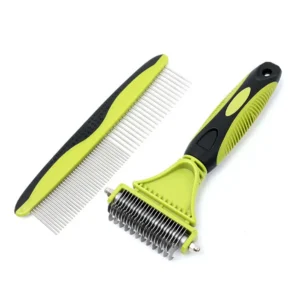 2-in-1 Pet Grooming Comb Set – Dual-Sided Deshedding & Dematting Tools for Dogs and CatsMSRP $6.29Login for wholesale pricing
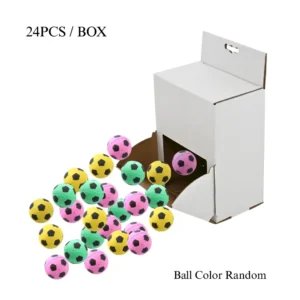 24-Pack Cat Toy Balls – Soft Latex Foam Soccer Ball Toys for Cats, Interactive Chase & Self-Play, Wholesale Pet SuppliesMSRP $8.89Login for wholesale pricing
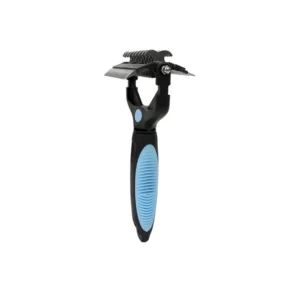 3-in-1 Pet Grooming Comb – Professional Detangling, Dematting & Deshedding Tool for Dogs & CatsMSRP $6.49Login for wholesale pricing
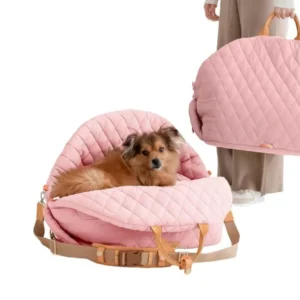 3-in-1 Small Pet Carrier Bag | Car Seat Booster, Travel Bed & Indoor Pet Bed for Dogs & CatsMSRP $21.89Login for wholesale pricing