

Valentine Pet Products: 2027 Stock Guide | JustForPetStore
Valentine pet products are no longer a novelty. The NRF and Prosper Insights 2026 survey found 35% of consumers buying Valentine’s Day gifts for their pets, a record, worth $2.1 billion and up from $1.7 billion in 2025. Pets now outrank friends and coworkers on gift lists. For independent stores, that means themed toys, treats, and accessories deserve shelf space in February. This guide covers what to stock and when to order.
How big is Valentine’s Day for pet retail?
Bigger than most independent buyers plan for. The NRF and Prosper Insights 2026 Valentine’s Day survey, conducted January 2-8, 2026 among 7,791 consumers, projects total Valentine spending at a record $29.1 billion, up from $27.5 billion in 2025, with an average budget of $199.78 per celebrant. The pet line is the standout: a record 35% of consumers plan to buy Valentine gifts for their pets, totaling $2.1 billion, up from $1.7 billion in 2025.
The trend line matters as much as the total. NRF’s own Valentine retail analysis notes that more than one-third of celebrants now shop for pets, up from 19% a decade ago, and that average pet spending has more than tripled over that period. People are now more likely to buy a Valentine gift for a pet than for a friend or coworker. For a store whose core customer is a pet household, this is one of the cleanest seasonal demand signals in retail.
What valentine pet products actually sell?
The survey data is unusually specific here. Prosper Executive Vice President Phil Rist, describing what consumers are looking for, said owners “are looking to celebrate their pets this Valentine’s Day with a special toy, accessory or treat.” That sentence is your buying list: toys, accessories, treats, in that order, with the word “special” doing the merchandising work.
NRF’s coverage names real examples, and they cluster into four families. Plush and novelty toys, like toy chocolate boxes for dogs and candy-heart plushies for cats. Themed treat gifts, boxes and bags that read as giftable rather than everyday. Wearable accessories, bandanas, bow ties, and heart-themed collars. And grooming gift items, including novelty products like dog nail polish pens. A display that hits all four families at three price points is a display that can absorb both the deliberate gift shopper and the checkout impulse.
Which categories deserve the most shelf space?
Start from the pet population you serve. The American Pet Products Association (APPA) counts about 95 million U.S. pet-owning households, with dogs in 53% of households and cats in roughly 53 million. That split argues for a dog-weighted but genuinely two-species display: heart plush and rope toys plus apparel in the dog toys section, catnip hearts and crinkle plush in cat toys, and bandanas or bow ties across dog apparel.
On price, most stores structure Valentine as an impulse-and-gift two-tier: a $5 to $15 tier of small plush, single treats, and bandanas at the register, and a $20 to $40 tier of bundled gift sets for the deliberate shopper who walks in asking for “something for my dog for Valentine’s Day.” The gift tier is where a small store beats a discount chain, because you can assemble and wrap a set on the spot with products you already carry, which no mass retailer will do.
When should you order Valentine inventory for 2027?
Valentine’s Day 2027 falls on Sunday, February 14, so the selling window is short and back-weighted: serious display from late January, peak weekend Friday through Sunday, February 12 to 14. NRF’s reporting shows Valentine shoppers skew last-minute relative to holiday-season shopping, which is good news for a physical store, since the procrastinator walking in on the 13th is yours to serve.
Work backward from that window. Import orders need to be placed by early-to-mid December to clear ocean transit and customs comfortably. Domestic wholesale orders can go in the first week of January. If you buy at low MOQ, you can split the order, taking a display-ready quantity in January and reordering mid-February against actual sell-through, which is the single best hedge against both stocking out on the peak weekend and eating leftovers in March.
How do you merchandise a Valentine display in a small store?
Treat it as a four-square-foot season, not a remodel. One endcap or front-table display in red and pink, staged in the last week of January, with a sign that says gifts for pets, not gifts for owners, because the shopper needs the permission to shop for an animal. Move your impulse tier to the register and keep the gift tier on the main display with clear price grouping, so a customer in a hurry can grab and go.
The channel data supports the effort. In the NRF survey, the top Valentine shopping destinations were online at 38%, department stores at 35%, discount stores at 30%, and specialty stores at 21%. One in five Valentine shoppers plans to walk into a specialty store, and a pet store is the definition of a specialty store for the pet-gift shopper. A themed display plus a front-window sign converts walk-by traffic that a generic January shelf never will.
What about cats, birds, and small pets?
Do not build a dogs-only display. NRF’s examples explicitly include cats and specialty pets: candy-heart plushies for felines, activity boxes for small pets, and themed bird toys all appear in its coverage of what shoppers can find. With about 53 million cat households per APPA and far less seasonal competition in the cat aisle, a small cat section inside your Valentine display often clears faster per dollar invested than the dog section.
The practical assortment for non-dog pets is compact: catnip hearts and plush mice, a treat multipack for cats, a themed chew or forage toy for birds and small animals, and one or two giftable habitats accessories, like a heart-patterned hammock for small pets. These are low-cost SKUs with high sell-through in the two weeks before the holiday, and anything unsold reverts to its everyday shelf category, which is the leftover test that matters most.
How do you avoid leftover Valentine stock?
Run the season with a written markdown plan instead of an improvisation. Everything that is genuinely seasonal, printed hearts, gift packaging, red-and-pink variants, goes on a ladder: 30% off on February 15, 50% by February 19, and out the door or donated by February 22, because Valentine merchandise has zero demand after the month ends. Everything that is merely colored, a red bowl, a pink plush that was on your shelf anyway, goes back to its home shelf at full price.
The buying rule is the same one you use for any short window: cap seasonal depth at what you can sell in the two peak weekends, and cover the gap with a mid-season reorder rather than a deep first order. A low-MOQ wholesale partner exists precisely for this pattern. If a SKU surprises you in the first week of February, reorder it on Monday and it arrives before the peak weekend; if nothing surprises you, your leftover exposure was already capped at the display.
Should Valentine extend into other pet gift occasions?
Yes, and the industry is already moving that way. NRF’s coverage quotes industry voices describing specialty pet occasions, birthdays, adoption anniversaries, Valentine’s Day, and national pet days, as one of the biggest emerging trends for pet brands. That is a signal worth acting on at store scale, because each occasion reuses the same playbook: a small themed display, a gift-tier bundle, and a register impulse tier.
The efficient version is one rotating mini-display that changes theme five or six times a year, Valentine in February, then adoption anniversaries and birthdays as an always-on gift section, National Dog Day in August, and holiday stockings in December. You are not buying new inventory each time so much as re-merchandising gift-tier products you already carry with a new sign, a few themed SKUs, and a reorder of what sold last time. The stores that treat gift occasions as a system rather than a one-off are the ones that see the pet-gift line grow every year.
If your February plan includes themed toys, treats, or accessories, browse the wholesale lines above or send us your list and we will quote Valentine-ready SKUs at case quantities.
Frequently asked questions
How much do Americans spend on Valentine’s Day gifts for pets? A record $2.1 billion in 2026, up from $1.7 billion in 2025, per the NRF and Prosper Insights annual survey. Overall Valentine spending is projected at a record $29.1 billion.
What share of consumers buy Valentine gifts for their pets? A record 35% in the 2026 survey, up from 19% of celebrants a decade ago. Pets now outrank friends and coworkers on Valentine gift lists.
What pet products sell best for Valentine’s Day? Per Prosper’s Phil Rist, consumers look for “a special toy, accessory or treat.” NRF’s coverage highlights plush and novelty toys, themed treat gifts, bandanas and bow ties, and grooming gift items.
When should a pet store set up its Valentine display? Stage the display in late January and run it through February 14, with the peak weekend Friday through Sunday, February 12 to 14. Order imports by early December and domestic stock in early January.
Is Valentine’s Day a big retail event overall? Yes. NRF projects record total spending of $29.1 billion in 2026, with 55% of consumers celebrating and an average budget of $199.78 per celebrant.
Sources: National Retail Federation and Prosper Insights & Analytics, Valentine’s Day Spending Expected to Reach New Records, January 2026, https://nrf.com/media-center/press-releases/valentine-s-day-spending-expected-to-reach-new-records; NRF, Pets Get All the Love This Valentine’s Day, https://nrf.com/blog/pets-get-all-the-love-this-valentines-day; American Pet Products Association, Industry Trends and Stats, https://americanpetproducts.org/industry-trends-and-stats.
Ready to stock these ideas? Browse wholesale pet KITs →
Más preguntas frecuentes
How much do Americans spend on Valentine's Day gifts for pets?
A record $2.1 billion in 2026, up from $1.7 billion in 2025, per the NRF and Prosper Insights annual survey. Overall Valentine spending is projected at a record $29.1 billion.
What pet products sell best for Valentine's Day?
Per Prosper's Phil Rist, consumers look for a special toy, accessory or treat. NRF's coverage highlights plush and novelty toys, themed treat gifts, bandanas and bow ties, and grooming gift items.
Is Valentine's Day a big retail event overall?
Yes. NRF projects record total spending of $29.1 billion in 2026, with 55% of consumers celebrating and an average budget of $199.78 per celebrant.
Shop these pet categories
Wholesale pricing, no minimum order.
Products mentioned here
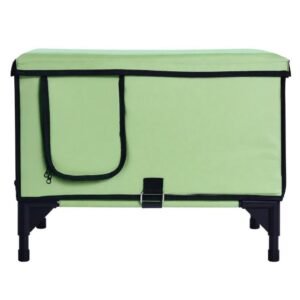 Elevated Heated Outdoor Cat House with 30W Waterproof Heating PadMSRP $128.99Apply for wholesale pricing
 Three-Tier Outdoor Cat Condo with Asphalt Roof and Five Access DoorsMSRP $284.99Apply for wholesale pricing
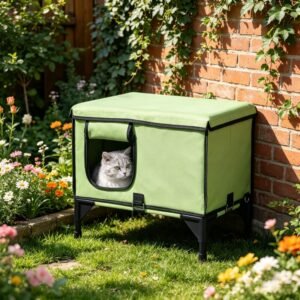 Large Elevated Heated Cat House with Waterproof Pad and Insulated LiningMSRP $124.99Apply for wholesale pricing
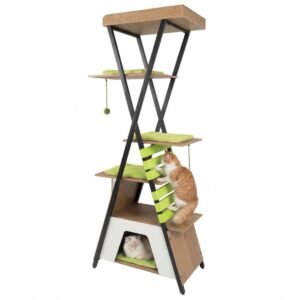 73″ Multi-Level Cat Tree with Condo, Top Perch and Scratching PadMSRP $228.99Apply for wholesale pricing
Stock it as a wholesale KIT
Pre-bundled assortments built from this guide’s categories — one PO, one shipment, wholesale pricing.