Visual Merchandising 101: Displaying Pet KITs to Maximize Sales
Your Shelf Is a Silent Salesperson
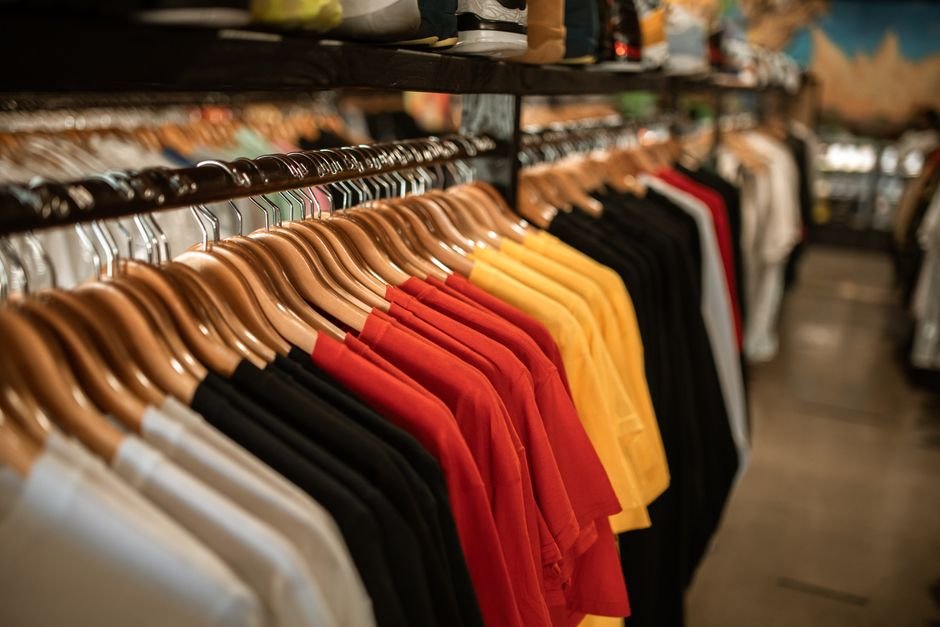
Visual merchandising — how you arrange and present products — quietly decides a large share of your sales. Two stores with identical inventory can post very different numbers based purely on display. For a pet retailer working with curated KITs, merchandising is doubly powerful: a KIT is already a coherent assortment, so displaying it as a themed block turns a shelf into a story customers read at a glance. This 101 covers the principles that make pet KITs sell faster.
Principle 1: Display KITs as Themed Blocks
A KIT is not a pile of items; it is a concept — a Dog KIT, a Cat KIT, a Gift KIT. Keep its pieces together as a block rather than scattering them. Shoppers process “themed” shelves far faster than random ones, and a block reads as curated expertise. A Dog KIT on one shelf, a Cat KIT on the next, a Seasonal KIT on an end-cap: that structure sells more from the same inventory than the same products scattered alphabetically.
Principle 2: The Rule of Three Heights
Use vertical variety: tall items at the back, mid items at eye level (your best sellers), and small impulse items at the front lip. This creates a natural sightline and draws the eye inward. A flat shelf of equal-height boxes looks dead; a layered one looks alive. Apply it within each KIT block for instant energy.
Principle 3: Eye-Level Sells
The zone between a customer’s chin and chest is prime real estate. Put your highest-margin, best-proven KIT items there. Lower and higher zones are for context and breadth. Many new owners waste eye level on slow stock; reserve it for what you most want to move.
Principle 4: Light and Clarity
Good lighting makes products feel premium and guides attention. Even simple, even illumination beats dramatic shadows that hide merchandise. Keep shelves uncluttered — a block with breathing room reads as “curated,” while a crammed shelf reads as “discount bin.” For KITs, clarity means showing the assortment, not burying it.
Principle 5: Create a Journey
Arrange the store so traffic flows past your priority KITs. Place walking gear (dog) near the entrance, treats mid-store to pull shoppers deeper, and gifts or toys by the counter for impulse. A KIT placed at a natural pause — end of an aisle, near checkout — captures the dawdler who was not planning to buy.
Principle 6: Signage Tells the Story
A KIT block needs a one-line story: “Everything for a new dog owner,” “Holiday gifts under $20.” Signage explains the concept faster than a customer reading six labels. Keep it honest and specific; vagueness wastes the chance to persuade. The story is what turns a product cluster into a purchase decision.
Principle 7: Refresh Regularly
Static shelves go invisible. Rotate a KIT block, swap a hero item, update seasonal signage every few weeks. Regular change signals “alive” and gives repeat visitors a reason to look again. A Seasonal KIT makes this easy — swap it as the calendar turns and the store stays current without a redesign.
Common Merchandising Mistakes
- Scattering a KIT instead of blocking it — kills the story.
- Cluttered shelves — looks cheap, hides product.
- Wasting eye level on slow stock.
- No signage — the customer never learns the “why.”
- Never refreshing — the shelf goes invisible to regulars.
A Block That Outsold Scattered Singles
One store received a Dog KIT and, short on time, scattered its pieces across existing shelves. Sales were flat. A week later they rebuilt it as a single themed block with a “New Dog Starter” sign and eye-level hero item. The same products, same store, sold noticeably faster — because the block told a story the scatter never did. The merchandise did not change; the merchandising did. That gap is where quiet sales live.
Your Merchandising Quick-Audit
Walk your store as a stranger weekly: Are KITs blocked or scattered? Is eye level reserved for proven sellers? Is the shelf cluttered or breathing? Does each block have a one-line story? Has anything changed in the last two weeks? Five questions, five minutes, and you catch the drift before it costs sales. Merchandising is a habit, not a one-time setup.
Merchandise the Story, Not Just the Stock
Visual merchandising is not decoration; it is persuasion. Display KITs as themed, layered, well-lit blocks with clear stories and smart journeys, and the same inventory sells harder. Start with our Retail Starter KITs and Display KITs — assortments built to look as good on your shelf as they do in the catalog.
Ready to stock these ideas? Browse wholesale pet KITs →
Shop these pet categories
Wholesale pricing, no minimum order.
Related wholesale collections
Products mentioned here
 19.6 ft Outdoor Nylon Automatic Retractable Dog Leash – Heavy-Duty Pet Leash for Large and Small DogsMSRP $8.99Login for wholesale pricing
 2 Pack Collapsible Silicone Dog Bowls – Portable Pet Food & Water Travel Bowl with CarabinerMSRP $1.78Login for wholesale pricing
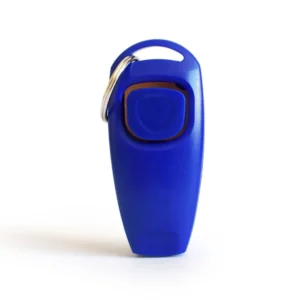 2-in-1 Dog Training Whistle & Clicker – Outdoor Pet Training Device, Factory-Direct Wholesale (MOQ 50)MSRP $2.18Login for wholesale pricing
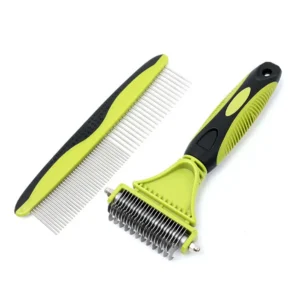 2-in-1 Pet Grooming Comb Set – Dual-Sided Deshedding & Dematting Tools for Dogs and CatsMSRP $6.29Login for wholesale pricing