What Makes a Pet Toy a Best-Seller? Reading the Data Behind Repeat Purchases
Every pet retailer asks the same question when they open a fresh wholesale catalog: which items will actually move? The truth is that best-selling pet toys are rarely the loudest or the flashiest on the page. They are the products that earn a second, third, and fourth purchase because dogs and cats genuinely want them and owners trust them enough to rebuy. For a pet store owner, the gap between a toy that sells once and a toy that sells forever is the difference between a cluttered clearance bin and a healthy, predictable margin. This article unpacks the purchase data patterns behind repeat-buy toys and shows how to build an assortment around them, starting with the Best-Selling Pet Toy Kit, a curated wholesale collection designed to put proven performers on your shelf from day one. Whether you run a single neighborhood shop or supply several franchise locations, understanding repeat-purchase behavior is the fastest way to stop guessing and start stocking with confidence.
What “Best-Seller” Really Means in a Wholesale Context
In consumer retail, “best-seller” often means a single viral spike driven by social media and a limited production run. In B2B pet wholesale, the definition is stricter and far more useful. A best-seller is a SKU that maintains steady velocity across multiple reorder cycles, not just a one-week novelty. When a buyer at justforpetstore reviews the Best-Selling Pet Toy Kit assortment, they are not looking for the toy with the biggest launch photo. They are looking for the toy with the smallest return rate and the highest reorder frequency, because those are the traits that protect a retailer’s cash flow over a full year.
Three metrics separate durable winners from flash-in-the-pan products, and learning to read them is the single most valuable skill a pet buyer can develop:
- Reorder rate — the percentage of retail accounts that purchase the SKU again within 90 days. A high reorder rate signals genuine satisfaction rather than curiosity.
- Sell-through speed — how many units clear your shelf per week at a normal price point, before any promotion. This tells you the toy’s natural demand, not its discounted demand.
- Damage and return ratio — toys that break fast generate refunds, bad reviews, and lost goodwill, quietly killing long-term velocity even when initial sales look strong.
Why single-purchase novelty toys underperform
Novelty toys — the singing giraffe, the glitter ball, the licensed-character plush — can post impressive opening-week numbers. But many of them fail the repeat-purchase test because the dog loses interest in days and the owner feels burned. Over a quarter, a novelty hero can end up moving fewer total units than a humble, well-built chew that a customer buys every month. For wholesale pet toys programs, consistency beats spectacle almost every time.
The role of price elasticity in repeat buys
Repeat purchases thrive in the value-to-impulse band: priced low enough that a shopper grabs two without thinking, yet high enough that the store still earns a respectable margin. Experience across independent pet shops suggests the sweet spot for everyday dog and cat toys often sits between a small treat and a premium collar. At that band, the toy becomes a “top-up” purchase rather than a considered decision — exactly the behavior that builds velocity.
The Data Signals That Predict Repeat Purchases
If you can read the right signals, repeat-purchase toys announce themselves long before they become legends. The most reliable pet toy trends are not about color or shape; they are about function and durability. A toy that survives a determined chewer and still looks inviting gets rebought. A toy that solves a behavioral problem — boredom, anxiety, destructive chewing — gets recommended by owners to their friends, which multiplies organic demand without any ad spend.
Tracking sell-through by category, not by SKU alone
Smart buyers aggregate data at the category level first. If plush squeakers as a group turn over twice as fast as rubber balls in your store, that is a trend worth acting on, even if no single squeaker SKU dominates. Grouping data this way smooths out noise and reveals where your assortment should lean. Many retailers find that a blended category view is more actionable than obsessing over one hero product, because categories behave more predictably than individual items affected by a single bad batch or a temporary out-of-stock.
Reading the “second purchase” window
The window between first and second purchase is the clearest predictor of lifetime velocity. Repeat-purchase toys are defined by how quickly the owner comes back for more. Toys that get rebought within 30 to 60 days tend to become permanent fixtures. Those that are repurchased only during gift seasons are seasonal at best. When analyzing your data, prioritize the ones that show a tight, recurring buy cycle — that is where subscription-style loyalty is born.
Using returns and reviews as a leading indicator
Returns and low-star reviews are not just problems; they are data. A spike in “my dog destroyed this in minutes” comments tells you the product will not sustain velocity no matter how good the photo. Conversely, a steady stream of “my cat still loves this after six months” reviews is the quiet signature of a best-seller. Train your team to log this feedback and feed it back into buying decisions. The cheapest market research you will ever get is sitting in your returns bin and your review queue.

Why Dogs and Cats Keep Coming Back
The biological and behavioral reasons behind repeat demand are surprisingly consistent across species. Understanding them helps you stock dog and cat toys that earn loyalty rather than dust.
Canine drives: chew, chase, and retrieve
Dogs are hardwired to chew, chase, and retrieve. Toys that satisfy these drives without falling apart become daily rituals. A durable chew that survives teething puppies and power chewers alike will be rebought by the same household for years. Retrieval toys that fly true and float build weekend routines at the park, and those routines translate directly into reorder velocity at the local shop. When a toy becomes part of a dog’s identity — “the park ball,” “the bedtime rope” — the owner will replace it the moment it wears out, often without even comparing brands.
Feline drives: hunt, pounce, and solo play
Cats play alone and prefer unpredictable motion. Wand toys, small pounce-able mice, and puzzle feeders that mimic hunting satisfy the predator instinct. Because cats often “lose” toys under furniture, owners frequently rebuy the same favorites — a quirk that quietly supports strong repeat-purchase toys in the cat category. Stocking multiples of a proven favorite is a smart, low-risk move, because the lost-toy rebuy is one of the most reliable demand patterns in all of pet retail. A shop that keeps the classic favorites in stock captures that demand instead of losing it to a competitor.
The cross-species winner: enrichment
Enrichment toys that dispense treats or hide rewards work for both dogs and cats. They solve a real owner problem — boredom and destructive behavior — which is why they appear across every serious Best-Selling Pet Toy Kit plan. The more a toy reduces owner stress, the more likely the owner is to make it a permanent part of the cart. Enrichment also has a longer lifespan in the home, which means the owner remembers the brand fondly and returns for refills and replacements rather than switching to whatever is on sale.
Building a Category Mix That Sells Itself
Even the best individual toys underperform if the shelf around them is incoherent. A winning toy wall balances four roles: hero repeaters, fill-in value items, seasonal spikes, and enrichment problem-solvers. The Dog Toy Collection Kit is a useful reference for how a dog-focused mix is structured, while the Cat Play Kit shows the feline counterpart. Borrowing structure from both helps a generalist store build balance without overcomplicating the plan.
A simple way to allocate shelf space is by expected velocity, and many retailers find the following split keeps both cash flow and customer satisfaction healthy:
| Category role | Typical share of toy shelf | Reorder expectation | Primary job |
|---|---|---|---|
| Hero repeaters (durable chews, squeakers) | 40% | Monthly | Carry steady volume and trust |
| Value fill-ins (multipacks, small plush) | 25% | Bi-weekly | Lift basket size and impulse buys |
| Enrichment & puzzle | 20% | Monthly | Solve behavior problems, build loyalty |
| Seasonal / novelty | 15% | Event-driven | Create urgency and foot traffic |
This mix protects margin: the hero repeaters carry steady volume, the value fill-ins lift basket size, and the seasonal items create urgency without dominating the plan. Retailers who stick close to a 40/25/20/15 split tend to avoid the twin traps of dead stock and constant stockouts. The structure also makes it easier to brief a new buyer or a seasonal hire, because everyone understands which toys are the anchors and which are the spice.
Reading Your Own Sell-Through Reports Like a Pro Buyer
You do not need a fancy dashboard to read the data. A simple spreadsheet tracking units in, units out, and weeks on shelf will reveal more than most buyers expect. The habit matters more than the tool, and consistency in logging beats sophistication in software. The retailers who win at wholesale pet toys buying are usually the ones who review a short report every single week, not the ones with the most expensive analytics.
Calculate velocity per SKU
Velocity equals units sold divided by weeks on shelf. Rank your dog and cat toys by this number, not by total revenue. A low-priced repeater may earn less per sale but generate more turns than a premium item that sits. Turns are what free up cash for the next order, and cash velocity is the hidden engine of a profitable toy wall. A toy that turns ten times a year at a thin margin often outperforms a toy that turns twice at a fat margin, because the fast-turn item keeps your money working.
Flag the quiet winners
Some best-sellers are invisible because they are never promoted. Look for SKUs with high velocity and zero markdown history. These are your reliable anchors and should be protected from stockouts at all costs — a gap on the shelf is an invitation for the customer to try a competitor’s brand, and once they switch they may never come back.
Cut the polite losers
Every store carries a toy that “should” sell but doesn’t. Polite losers consume shelf real estate and working capital. Data gives you permission to retire them and reallocate that space to proven repeat-purchase toys. Doing this quarterly is one of the highest-leverage habits a pet retailer can build, because shelf space is the scarcest resource in a small shop and every square inch should earn its rent.
Sourcing the Right Mix From Wholesale
Once you know what sells, the next question is where to source it without drowning in minimum-order complexity. This is where a curated wholesale program earns its keep. Instead of negotiating with a dozen factories, a retailer can start from the Best-Selling Pet Toy Kit and then tailor. If you need a bespoke blend for your demographic, the build-your-own wholesale kit option lets you mix proven toys with local favorites, and the full wholesale kit hub is the place to compare all themed collections side by side before committing volume.
When evaluating wholesale pet toys, weigh three sourcing factors that matter more than price alone: lead time, case pack size, and consistency of quality. A toy that arrives late or varies batch to batch will erode the very repeat-purchase trust you are trying to build. Reliable suppliers who publish clear case packs and restock predictably are worth a slightly higher unit cost because they protect your shelf continuity. A stockout on a hero repeater can cost more in lost loyalty than the few cents saved on a cheaper, flakier source.
Case study framing: Chew Play Kit (KIT024)
The Chew Play Kit (KIT024) is a representative example of a durable-chew-forward assortment built for repeat demand. A typical carton might include a range of textures — rope, rubber, and nylon — so a store can test which drives the fastest turn in its own neighborhood. Many retailers find that offering the full texture range in one facing encourages shoppers to try a second type, lifting multi-unit sales and giving the store real data on local preference within a single purchase order.
Case study framing: Dog Walking Kit (KIT021)
The Dog Walking Kit (KIT021) shows how toys connect to the broader walk routine. While primarily a walking assortment, its toss-and-retrieve items double as repeat-purchase toys because they wear out through happy use and get rebought. Framing toys as part of a daily ritual — not a one-off gift — is the mental shift that turns a toy wall into a velocity engine, and it is exactly the logic baked into the Best-Selling Pet Toy Kit’s curation.
Frequently Asked Questions
What actually makes a pet toy a best-seller?
A best-seller is defined by repeat purchases, not launch hype. Toys that survive real use, satisfy a dog’s or cat’s instinct, and solve an owner problem tend to earn the second and third sale that compounds into long-term velocity. Durability and function beat novelty almost every time in wholesale pet toys, because the owner who is delighted once will buy again, and the owner who is disappointed will not.
How do I identify repeat-purchase toys for my store?
Track units sold divided by weeks on shelf for each SKU, and watch the window between first and second purchase. Toys rebought within 30 to 60 days are the keepers. Also read return reasons and reviews — “destroyed in minutes” is a red flag, while “still loves it after months” is the quiet signature of a winner among dog and cat toys. Category-level aggregation helps you see trends that individual SKU noise hides.
Should I stock novelty toys at all?
Yes, but cap them. Seasonal and novelty items should take roughly 15% of your toy shelf so they create urgency without crowding out the hero repeaters that carry steady margin. Treat them as event-driven spikes, not core inventory, and retire slow ones quickly. A small, well-edited novelty section can drive foot traffic without poisoning your overall velocity.
How many toys should a small pet store carry?
There is no fixed number, but a coherent mix of 30 to 60 SKUs across chews, squeakers, enrichment, and cat toys usually covers a neighborhood without creating dead stock. Start from a curated kit like the Best-Selling Pet Toy Kit and trim losers quarterly using your own sell-through data. The right count depends on your shelf footage and your customer base, not on a universal rule.
Where should I source wholesale pet toys reliably?
Begin with a curated wholesale program such as the Best-Selling Pet Toy Kit, then use the build-your-own wholesale kit option to tailor the mix. Prioritize suppliers with predictable restocks, sensible case packs, and consistent quality so your shelf never goes empty on a proven repeater. Reliability is a feature you pay for and a feature you will miss the moment a key SKU goes dark.
Conclusion
Reading the data behind repeat purchases turns toy buying from guesswork into a system. The best-selling pet toys are the ones dogs and cats return to and owners trust enough to rebuy — durable, functional, and enrichment-driven. By tracking velocity, protecting your hero repeaters, and sourcing from a reliable wholesale partner, you build a toy wall that sells itself month after month rather than one that needs constant discounting to clear.
Ready to put proven performers on your shelf? Explore the Best-Selling Pet Toy Kit to start with a curated assortment built around repeat-purchase toys, or browse the full wholesale kit hub to compare every themed collection before you place your next order.
Shop the matching wholesale KIT
Shop these pet categories
Wholesale pricing, no minimum order.
Related wholesale collections
Products mentioned here
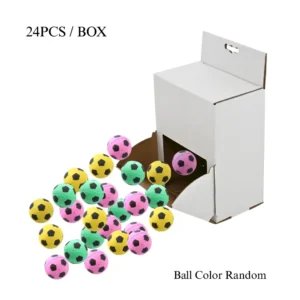 24-Pack Cat Toy Balls – Soft Latex Foam Soccer Ball Toys for Cats, Interactive Chase & Self-Play, Wholesale Pet SuppliesMSRP $8.89Login for wholesale pricing
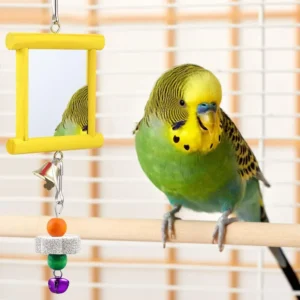 4-Pack Acrylic Parrot Toys with Mirror & Beak Grinding Accessories – Colorful Bird Cage Toys for Parrots and CockatielsMSRP $5.89Login for wholesale pricing
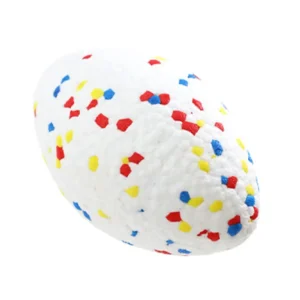 5 Inch Durable Rugby Floating Dog Ball – Chew & Fetch Water Toy for DogsMSRP $4.29Login for wholesale pricing
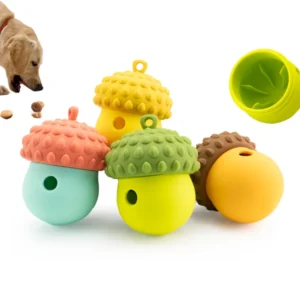 Berry-Shaped Silicone Dog Treat Dispensing Slow Feeder Toy – Durable Chew & Interactive Training Ball(MOQ 24)MSRP $3.56Login for wholesale pricing