

Wholesale Bird Food: A Winter Margin Guide | JustForPetStore
Wholesale bird food is one of the few pet categories where winter is the peak season. The market is worth $2.6 billion in 2026 per Future Market Insights, growing to $4.0 billion by 2036 at 4.5 percent a year, while Mordor Intelligence, including wild-bird feeding, sizes it at $6.3 billion in 2025. Seed blends lead, pellets premiumize, and suet peaks when the toy aisle quiets. The aisle is cheap to start and fast to turn.
How big is the bird food market in 2026?
Two credible research firms size the category differently because they define it differently, and a buyer should know both numbers. Mordor Intelligence values the global bird food market at $6.3 billion in 2025, rising to $8.3 billion by 2030 at a 5.7 percent CAGR, with wild-bird feeding included in the scope. Future Market Insights tracks a narrower companion-and-feeder market of $2.6 billion in 2026, reaching $4.0 billion by 2036 at a 4.5 percent CAGR. Both agree on direction, on North America as the largest region, and on growth in every forecast year — against the backdrop of a U.S. pet industry that reached $158 billion in actual 2025 sales, per the American Pet Products Association (APPA), with a further climb to $165 billion projected for 2026. For a single store, the takeaway is not the headline number but the growth rate: a category compounding at 4.5 to 5.7 percent a year rewards stores that allocate it real shelf space rather than a bottom-shelf afterthought.
Why is winter the biggest season for bird food sales?
Demand peaks in the cold months, for reasons unique to the category. Wild-bird feeding is a seasonal ritual that intensifies in autumn and winter, when natural food sources thin out and backyard feeders become both a hobby and a small act of conservation, and Mordor Intelligence reports the hobby now involves 96 million Americans generating an estimated $107.6 billion in annual economic activity. Seed, suet, and high-energy cake sales spike with cold snaps and migration peaks, and per Mordor the segment has proven recession-resistant because the spend behaves like outdoor leisure rather than household budgeting. For a pet store in a snowy region, that makes the bird food aisle the reliable January and February traffic driver when the rest of the store runs on gift-card redemption and grit. Stock deep before the first frost, and promote alongside heaters and shelters for outdoor pets.
What should a small store stock: seed blends, pellets, or suet?
Start with the workhorse. Seeds and mixes held 56 percent of the market by product type in 2024 per Mordor Intelligence, and seed blends and mixes led at 46.8 percent of 2026 sales in Future Market Insights’ tracking, with sunflower, safflower, and millet as the staple ingredients. Black-oil sunflower is the universal seller; a quality mixed blend is the volume item; nyjer and millet serve finch and ground-feeding niches. Pellets and crumbles are the premiumizing format — avian veterinarians increasingly recommend them over seed-only diets to prevent selective feeding and obesity in parrots, cockatiels, and budgies, which is why they anchor the companion-bird conversation. Suet and high-energy winter cakes carry the highest seasonal margin because they solve an explicit cold-weather problem. A serviceable starter plan for a small store: two mixed-blend SKUs in 10-to-25-pound bags, one black-oil sunflower, one nyjer tube, two suet varieties, and one pelleted diet — then let your sell-through tell you where to deepen. Cross-sell against bird toys rather than treating food as a standalone purchase.
Which bird food segments are growing fastest?
The growth story has three clear winners, and none of them is plain seed. Insect-based feed is the fastest-growing product type, climbing at a projected 10.8 percent CAGR through 2030 per Mordor, as regulatory clearances in Europe and rising sustainability demand push dried mealworm and black-soldier-fly-larvae products onto shelves. Pet and caged-bird products follow at a 7.5 percent CAGR — faster than the wild-bird segment — as younger urban households adopt budgies, cockatiels, and lovebirds, and veterinary guidance shifts them toward fortified pellets. And the online channel is growing at an 11.8 percent CAGR, faster than any physical channel, which is exactly why an independent store’s edge is fresh stock, staff knowledge, and the heavy-bag problem: many shoppers will not carry a 25-pound sack from a porch drop — they will buy it where someone carries it to the car. Per Future Market Insights, bird-owning households spend $50 to $56.5 a year on feed today, rising toward $72 to $80 by 2036, so every migration to premium formats raises the annual basket.
How do you price bird food for margin?
Anchor your pricing to wholesale reality and to bag weight, not to the mass-club shelf. Future Market Insights puts the wholesale realized price at roughly $2,450 to $2,620 per metric ton in 2026 — about $1.11 to $1.19 per pound before freight — and notes average retail throughput of about $4,000 per retail outlet annually across the category. Structure the aisle in three tiers: an entry mixed blend that competes on weight, a mid-tier species-specific blend (parrot, cockatiel, finch) where differentiation justifies a 40 to 50 percent markup over entry, and a premium tier of pellets, insect-based treats, and functional blends with omega-3s where price sensitivity is lowest. Protect margin on the small bags: shoppers who pay for convenience — a 5-pound versus 25-pound sack — should pay a clear per-pound premium. And mind the freight-to-weight ratio on replenishment, because seed is dense and your per-bag freight cost is the silent margin killer.
Should you target backyard birders or companion-bird owners?
Both, deliberately, because they shop on different missions and different margins. Wild-bird feeding is the volume engine — 60 percent of market by bird category in 2024 per Mordor — bought by suburban households replenishing weekly through winter, typically in larger bags with steadier repeat purchase. Companion-bird owners are the basket builder: Future Market Insights tracks caged and companion birds at 54.2 percent of demand in its 2026 scope, and their spend fans out into cages and habitat, feeding accessories, and treats whenever they enter the store. Lay out the aisle in two halves — bulk wild-bird stock near the entrance where heavy bags move easily, and the premium companion-bird section deeper in, beside toys and habitat — and you serve both without either feeling like an afterthought.
How do you merchandise and store bird food correctly?
Bird food is a food product, and freshness is the whole quality story. Seed contains oils that go rancid with heat, moisture, and time; Future Market Insights flags mycotoxin contamination and intensive testing as a real cost pressure on small producers, and warm warehouse storage is the classic trigger for grain weevil hatching and hull dust complaints. Rotate stock strictly first-in, first-out; keep bags off concrete floors and away from sunny windows; and prefer barrier-sealed packaging from your supplier. The display rule that sells: open one tester bin so customers can see clean, dust-free seed, and post a sign naming the seed mix and the birds it attracts, because backyard birders buy by species, not by brand. Your knowledge display — which feeder for which seed — converts better than any endcap, and it costs a printed card.
Who supplies the category, and how do you vet a bird food supplier?
The category is consolidating at the top: Mordor Intelligence reports the five largest companies held 64.5 percent of the market in 2025, and the deal log is loud — General Mills bought Whitebridge Pet Brands for $1.45 billion in late 2024, and Central Garden & Pet expanded the Kaytee line into roughly 3,000 North American supermarkets in 2026 per Future Market Insights, including a new no-waste hull-less wild-bird seed series launched in January 2026. For an independent store, that consolidation is an opportunity: the mass channel competes on price for the same 25-pound bag, so you win on the specialty side — species-specific blends, fresh-dated stock, insect-based and functional formats the supermarket does not carry. Vet any supplier the way you would a food manufacturer: ask for contaminant testing records and batch coding, sample the product before committing, and check date codes on the first pallet. Smaller stores can start with low-MOQ wholesale bird supplies and the broader bird category assortment before committing to pallet volume.
How do you launch a bird food aisle on a small budget?
Run the aisle as a seven-SKU test for one winter, not a commitment. The starter list: one black-oil sunflower, one general mixed blend, one no-waste or premium blend, one nyjer, one parakeet or cockatiel diet, one pelleted premium diet, and two suet flavors on a gravity feeder rack. Weight your opening order toward the wild-bird side if your zip code has yards and feeders, toward the companion side if your store is urban and apartment-dense. Budget one sign per SKU naming the birds it attracts, and put the scale and scoop where staff can portion advice as well as seed. Then measure: turns per SKU, gross margin by tier, and how often a food-only basket adds a toy or habitat item. If the aisle clears its shelf-space cost by Valentine’s Day, you have found a category that compounds every winter — and a reason to expand into spring nesting and summer hummingbird nectar before your competitors notice what your feeders already know.
Ready to stock these ideas? Browse wholesale pet KITs →
Shop these pet categories
Wholesale pricing, no minimum order.
Related wholesale collections
Products mentioned here
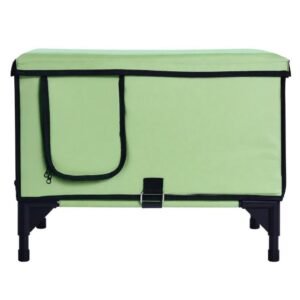 Elevated Heated Outdoor Cat House with 30W Waterproof Heating PadMSRP $128.99Apply for wholesale pricing
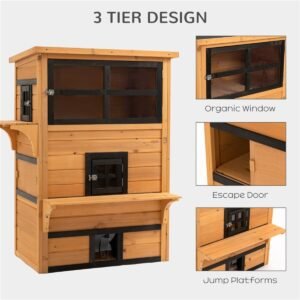 Three-Tier Outdoor Cat Condo with Asphalt Roof and Five Access DoorsMSRP $284.99Apply for wholesale pricing
 Large Elevated Heated Cat House with Waterproof Pad and Insulated LiningMSRP $124.99Apply for wholesale pricing
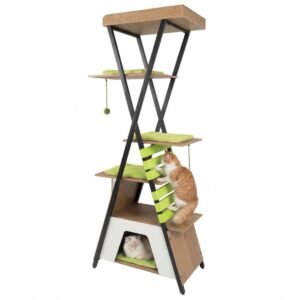 73″ Multi-Level Cat Tree with Condo, Top Perch and Scratching PadMSRP $228.99Apply for wholesale pricing
Stock it as a wholesale KIT
Pre-bundled assortments built from this guide’s categories — one PO, one shipment, wholesale pricing.