Wholesale Cat Products Guide: Play, Care & Enrichment for Your Shelf

Cat owners are among the most loyal and frequent shoppers in the pet retail world, yet many independent pet stores under-merchandise the cat aisle. If you run a pet shop, a boutique, or you are building a wholesale buying program, stocking the right wholesale cat products is one of the fastest ways to grow repeat foot traffic and basket size. Cats may be smaller than dogs, but their owners buy often — toys wear out, litter is a weekly necessity, and enrichment gear keeps climbing the wish list. This guide walks pet-store buyers through the full cat category: from impulse toy bins to the repeat-purchase engine of litter, and from scratching solutions that protect furniture to enrichment systems that keep indoor cats healthy and happy. Along the way we link down to our dedicated wholesale kits so you can translate insight into a ready-to-order cart. Whether you are opening your first shelf or re-planning a tired aisle, this is your practical map to a cat section that sells.
Why a Well-Curated Cat Aisle Drives Repeat Business
The cat category rewards retailers who think in terms of routines, not one-off purchases. A dog might need a leash walk once a day; a cat household consumes litter, treats, and toys on a relentless cadence. When you merchandise cat care products as a system — play, hygiene, feeding, and comfort — you turn occasional visitors into weekly regulars. Industry experience shows that stores which group cat essentials into clear, shoppable zones see stronger attachment rates than stores that scatter products across the floor.
For a B2B buyer, the math is simple. A customer who buys a $6 toy today is likely to return for a $14 litter box next month and a $22 scratching post the month after. The goal of your wholesale buying plan should be to capture that entire lifecycle on your shelf. Start with the categories below, then use our Shop Wholesale KITs hub to assemble a balanced cat program without over-committing cash to slow movers.
Merchandising matters as much as the mix itself. Cats are bought for by humans who shop with their eyes, so a tidy, clearly zoned cat aisle reads as “this store knows cats” and builds trust fast. Keep like-with-like: toys in one bright bin, litter in a clearly signed back-corner anchor, care and enrichment on an end-cap. Many retailers find that a small chalkboard sign naming the problem each zone solves — “stop sofa scratching here” — quietly lifts attach rates because it speaks to the owner’s actual frustration rather than the product’s features.
| Category | Purchase Frequency | Margin Friendliness | Impulse or Planned? |
|---|---|---|---|
| Cat litter supplies | Weekly | Moderate | Planned (anchors visits) |
| Cat toys wholesale | Monthly | High | Impulse |
| Cat scratching posts | Quarterly | High | Planned |
| Cat care products | Monthly | Good | Both |
| Cat enrichment gear | Seasonal | High | Planned / Gift |
Cat Toys Wholesale: Building a Play Section That Sells
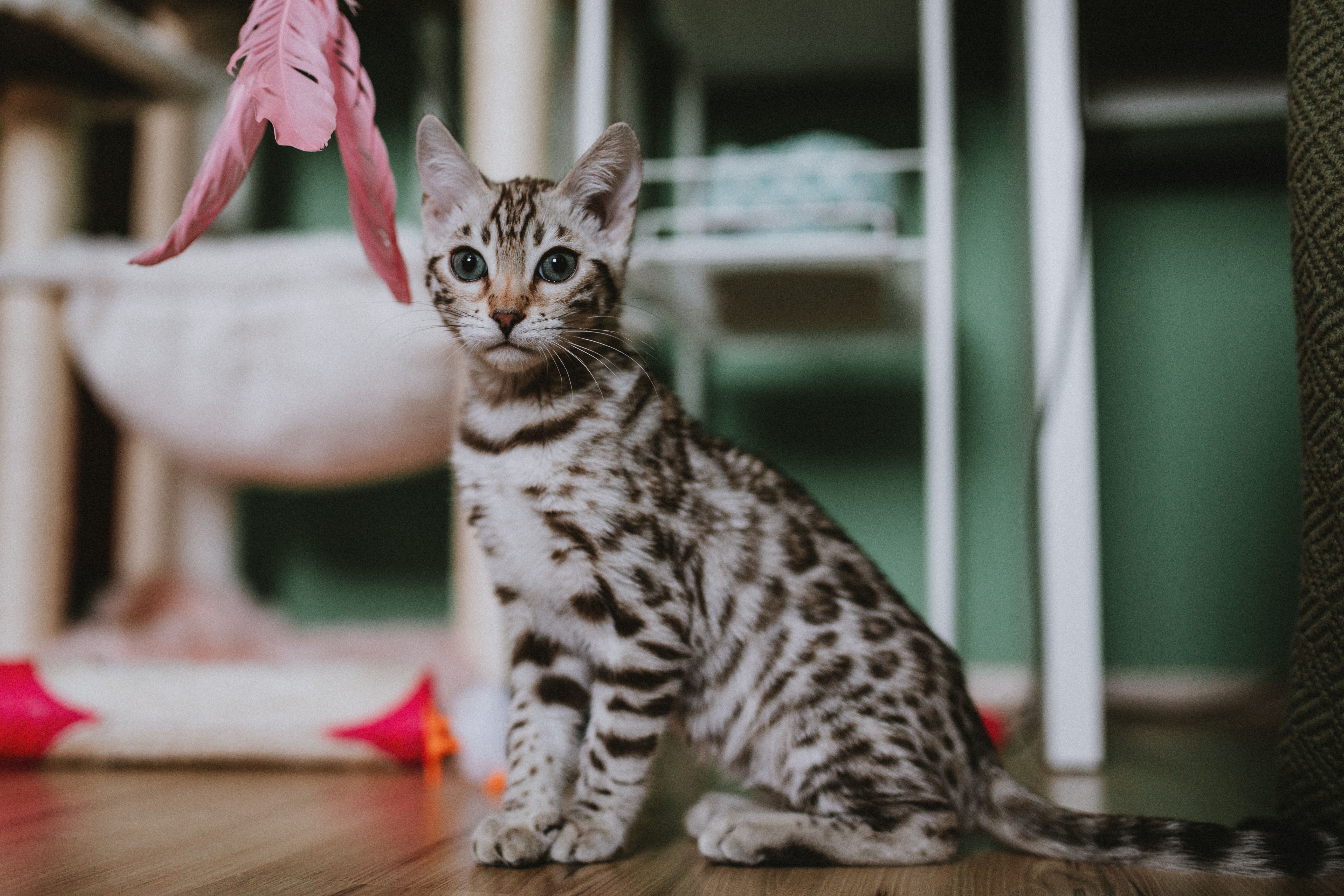
Toys are the impulse heart of the cat aisle. When you buy cat toys wholesale, you are really buying repeat visits, because cats destroy, lose, and outgrow toys faster than almost any other pet product. A smart toy plan mixes three tiers: low-cost bulk items (crinkle balls, catnip mice) for the impulse bin; mid-price interactive toys (wand teasers, spring toys) that solve boredom; and premium puzzle or electronic toys that command margin and gift appeal.
The Cat Play Kit bundles exactly this spread — entry-level teasers, durable plush, and a few hero interactive pieces — so you can open a balanced toy section from a single carton. Many retailers find that rotating the impulse bin every four to six weeks keeps the aisle feeling fresh and nudges the “I’ll just grab one more” purchase. Our Best-Selling Pet Toy Kit is a data-informed mix of proven movers across cats and small pets, ideal when you want a low-risk starting assortment.
Trends also shape the toy plan. Catnip and silvervine items keep a steady baseline, but the fastest-growing corners are “prey-style” wand toys that mimic hunting and electronic motion toys that entertain solo during work hours. Stock a few of these heroes even at higher price points; they signal that your store carries what serious cat people want, and they pull traffic to the lower-priced bulk bin beside them. The key is balance — never let the premium pieces crowd out the $3 impulse movers that keep the register ringing.
What to look for when buying cat toys in bulk
- Safety first: reinforced stitching, no small detachable eyes, and catnip from a named source.
- Variety of textures: feathered, crinkle, plush, and rubber cover different play styles.
- Display-ready packaging: hang tags and peg holes save you shelf-prep time.
- Replaceable parts: wand toys with spare attachments extend the product’s life and your reputation.
Cat Scratching Solutions Every Shelf Needs
Scratching is non-negotiable cat behavior, and cat scratching products are where you solve a real household problem while protecting your margin. The mistake many stores make is stocking a single cardboard scratcher and calling it done. Cats prefer different materials and orientations — horizontal boards, vertical posts, and inclined loungers all have their fans. Offering at least three formats covers most households and reduces returns.
Pair scratchers with a small sign that explains the “placement near the sofa” tip; retailers report that a one-line usage card lifts scratcher attach rates because it reframes the product as a furniture-saving solution rather than a toy. When bought as part of a curated cat program, scratchers also cross-sell beautifully with the Cat Play Kit, since playful cats scratch more and need both outlets.
Don’t overlook the multi-cat household, which is where scratching volume — and replacement frequency — really climbs. A home with three cats may go through a cardboard lounger every few weeks, turning a “cheap” item into a reliable recurring sale. Carrying value multipacks of cardboard scratchers is an easy win: the unit price looks friendly to the shopper, while the per-unit margin still beats most litter. Position multipacks near checkout as the “grab two, save” ritual that cat owners appreciate.
Scratcher formats worth carrying
- Corrugated cardboard loungers — cheap, recyclable, and wildly popular as an impulse add-on.
- Sisal-wrapped posts — durable, vertical, and the classic furniture defender.
- Inclined scratchers with catnip — bridge the gap between toy and scratching post.
- Wall-mounted boards — space-savers for apartment-cat owners, a growing urban segment.
Cat Litter Supplies: The Repeat-Purchase Engine
If there is one category that justifies a standing wholesale order, it is litter. Cat litter supplies are the anchor of the cat aisle: low excitement, high loyalty, and purchased on a predictable weekly rhythm. A shopper who buys litter from you will almost always browse the rest of the cat shelf while they are there. That makes litter your traffic pump, not just a margin line.
Build your litter plan in layers. Carry one dependable clumping clay or plant-based option as your everyday workhorse, then add a premium natural or odor-control variant for the upsell. Don’t forget the supporting cast — litter boxes, liners, scoops, deodorizers, and mats — because these higher-margin accessories ride along with every litter decision. Stocking the full litter ecosystem under one clearly signed zone is one of the simplest ways to lift average transaction value.
Sustainability is now a real buying factor, not a niche. Plant-based and biodegradable litters have moved from specialty shelves to mainstream ask, especially among younger urban cat owners. You do not need to drop clay entirely — clay still dominates on price — but carrying one credible natural line tells the eco-minded shopper “we have you too” and protects you from losing that customer to a competitor or online cart. Frame the choice as “everyday value vs. eco-premium” so the shopper feels informed rather than upsold.
Litter accessories that lift basket size
- Litter mats — catch tracking at the box and reduce household complaints.
- Box liners and scoops — cheap, high-frequency, easy to peg near checkout.
- Odor neutralizers — a natural upsell for multi-cat homes.
- Covered vs. open boxes — carry both; cat preferences are surprisingly divided.
Cat Enrichment: Beyond the Basics
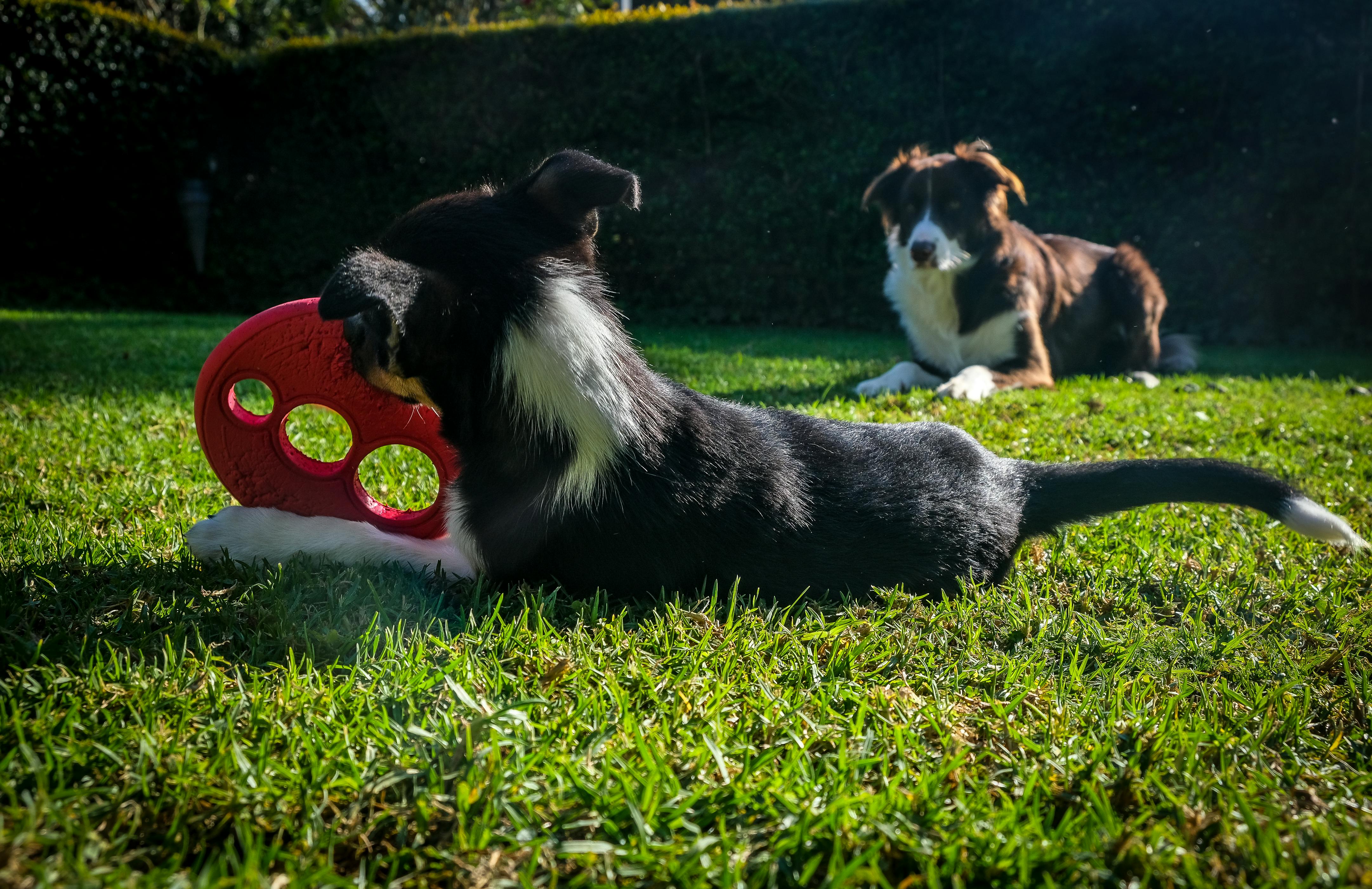
Modern cat owners are obsessed with cat enrichment — the idea that indoor cats need mental and physical stimulation to stay healthy. This is the fastest-growing slice of the cat aisle and one of the best margin opportunities, because enrichment gear feels like a “responsible purchase” rather than a frivolous one. Think puzzle feeders, window perches, tunnel systems, and treat-dispensing balls.
Enrichment dovetails neatly with feeding and training. Our Training & Enrichment Kit packages puzzle and reward-based tools that work for cats and small pets alike, while the Slow Feeding & Wellness Kit addresses the rising demand for portion control and anti-gulp feeding — a wellness angle that resonates with health-conscious cat parents. Many retailers find that merchandising enrichment next to litter and toys creates a “complete cat life” story that increases total category sales.
The behavioral case sells the category for you. Indoor cats without stimulation develop stress behaviors — over-grooming, furniture destruction, nighttime zoomies — that frustrate owners and, ironically, drive them back to your store for scratchers and calming aids. A well-stocked enrichment zone head off that cycle and positions your shop as the expert resource, not just a product warehouse. Train staff with a one-sentence recommendation for each product (“this puzzle feeder slows eating and beats boredom”) and enrichment becomes your most consultative, loyalty-building section.
Enrichment products with strong sell-through
- Puzzle feeders — slow eating and mental work in one; pairs with wellness messaging.
- Window hammocks and perches — capitalize on the “cat TV” trend.
- Collapsible tunnels — high play value, flat-pack shipping, easy to display.
- Treat-dispensing balls — an affordable gateway to the enrichment habit.
Cat Care Products for Everyday Wellness
The wellness shelf is where cat care products earn their place. Grooming gloves, deshedding brushes, nail clippers, dental treats, and calming supplements all sit in this zone. Unlike toys, care products are bought with intent — the owner has a specific problem (shedding, stress, hairballs) — which makes them excellent for targeted end-cap displays and bundle offers.
For a tightly edited care section, the Pet Care & Hygiene Kit bundles grooming and cleanliness essentials that translate directly to the cat aisle: brushes, wipes, and hygiene aids that cat owners reorder. Frame care as prevention — “a five-minute brush today avoids a hairball tomorrow” — and you move from occasional purchase to routine habit. Tie care displays to the litter zone so the “clean cat, clean home” message reinforces both categories.
Seasonality is your friend in care. Deshedding tools spike in spring and fall as coats change, while calming products climb around holidays and fireworks seasons when anxious cats need relief. Plan a light promotional push around those windows — a small display or a shelf-talker — and the care category punches above its shelf space. The same products also make excellent gift purchases for new cat owners, so a “welcome home kitten” bundle of brush, wipes, and nail clippers can become a steady add-on at the register.
Care items that quietly outperform
- Deshedding tools — seasonal spikes in spring and fall make these reliable movers.
- Cat-safe wipes — convenience item that builds repeat, small-basket sales.
- Nail clippers and files — low cost, high necessity, perfect impulse peg.
- Calming chews or sprays — strong gift and multi-cat-household demand.
How to Stock Smart: Kit Bundles vs. Build-Your-Own
Once you have mapped the categories, the next question is how to buy. Two approaches dominate wholesale cat buying. The first is curated kits — like the Cat Play Kit or Pet Care & Hygiene Kit — which arrive pre-balanced and reduce your decision load. The second is a custom program where you choose exact SKUs and quantities to match your shelf space and local demand.
We recommend a hybrid. Use proven kits to fill the core of your cat aisle quickly, then use our Build-Your-Own Wholesale Kit to top up the specific winners your customers ask for by name. This keeps cash flow healthy and avoids dead stock. And if you want to see the entire range before committing, the Shop Wholesale KITs hub lays out every bundle in one place so you can plan a full-category buy in a single sitting.
Inventory discipline closes the loop. Track your first-quarter sell-through by SKU, then let the data — not guesswork — drive reorder quantities. A common pitfall for new cat buyers is over-ordering one hero toy and under-ordering the unglamorous litter accessories that actually drive margin. Reviewing your numbers monthly, and leaning on kits for the slow-moving variety while custom-ordering your proven movers, keeps the shelf full of what sells and the storehouse free of what doesn’t. That discipline is what separates a cat aisle that merely exists from one that becomes a neighborhood habit.
A simple stocking checklist for new cat buyers
- Anchor the aisle with 2–3 litter options plus boxes and mats.
- Fill the impulse bin with mixed cat toys wholesale at three price points.
- Carry at least three cat scratching formats.
- Reserve one end-cap for cat enrichment and wellness.
- Keep cat care products near litter for the “clean home” cross-sell.
- Reorder kits on a rolling schedule so bestsellers never go empty.
Frequently Asked Questions
What are the must-have wholesale cat products for a new pet store?
Start with the repeat-purchase anchors: cat litter and litter accessories, a mixed bin of cat toys, at least three scratching formats, and a small care section (brush, wipes, nail clippers). These cover the everyday needs of almost every cat household and create the visit rhythm that grows your business. Curated kits like the Cat Play Kit and Pet Care & Hygiene Kit let you open all of these categories from a couple of cartons.
How often should I reorder cat toys and litter?
Litter is typically a weekly or bi-weekly reorder depending on your local cat population, while toys turn on a monthly cycle as they wear out or get lost. Many retailers set litter on auto-reorder and review toy mix every four to six weeks to keep the impulse bin feeling new. Tracking which SKUs sell fastest during your first quarter makes the second-quarter buy far more accurate.
Is cat enrichment worth the shelf space for a small shop?
Yes. Enrichment is one of the highest-margin, fastest-growing cat segments, and it appeals to health-conscious owners who will pay a premium for “responsible” purchases. Even a single end-cap of puzzle feeders, window perches, and treat balls can lift category perception and average basket size. The Training & Enrichment Kit and Slow Feeding & Wellness Kit are compact ways to test the category without a large footprint.
How do I choose between buying kits and building my own assortment?
Kits reduce risk and labor — they arrive balanced and display-ready, ideal for opening or refreshing an aisle. A build-your-own program gives precision once you know your local bestsellers. A hybrid works best: use kits for the core range and the Build-Your-Own Wholesale Kit to add the exact winners your customers request. The Shop Wholesale KITs hub shows every option side by side.
What cat scratching products reduce returns and complaints?
Offer variety. Cats differ in material and orientation preference, so carrying cardboard loungers, sisal posts, and inclined scratchers covers most homes. Adding a small usage card that recommends placing the scratcher near the furniture being protected turns the product into a solution, which improves satisfaction and reduces “it didn’t work” returns.
Can I mix cat and small-pet products in the same buying plan?
Absolutely. Many wholesale kits, including the Best-Selling Pet Toy Kit and Training & Enrichment Kit, span cats and small pets, which is efficient for buyers with limited shelf space. Just keep clear signage so cat owners find their section quickly, and use the hub to compare which bundles best fit your mix.
Conclusion
A thriving cat aisle is not built on a single hero product — it is built on a system of play, care, scratching, litter, and enrichment that keeps owners coming back week after week. By planning your wholesale cat products around routines rather than one-offs, you convert casual shoppers into loyal regulars and grow basket size with every visit. The fastest way to put this plan on your shelf is to start with our curated bundles and then tailor from there.
Ready to build your cat program? Explore the Cat Play Kit for a balanced toy opening, pair it with the Pet Care & Hygiene Kit for everyday wellness, and then visit the Shop Wholesale KITs hub to assemble the full category — or use the Build-Your-Own Wholesale Kit to match your exact shelf space and local demand. Your cat customers (and their humans) will thank you.
Shop the matching wholesale KIT
Shop these pet categories
Wholesale pricing, no minimum order.
Related wholesale collections
Products mentioned here
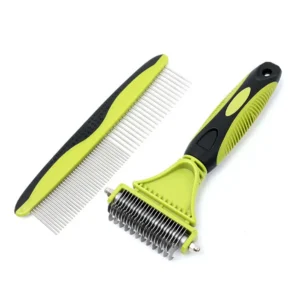 2-in-1 Pet Grooming Comb Set – Dual-Sided Deshedding & Dematting Tools for Dogs and CatsMSRP $6.29Login for wholesale pricing
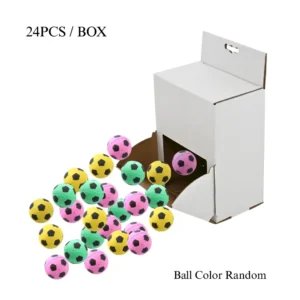 24-Pack Cat Toy Balls – Soft Latex Foam Soccer Ball Toys for Cats, Interactive Chase & Self-Play, Wholesale Pet SuppliesMSRP $8.89Login for wholesale pricing
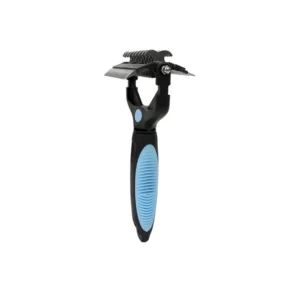 3-in-1 Pet Grooming Comb – Professional Detangling, Dematting & Deshedding Tool for Dogs & CatsMSRP $6.49Login for wholesale pricing
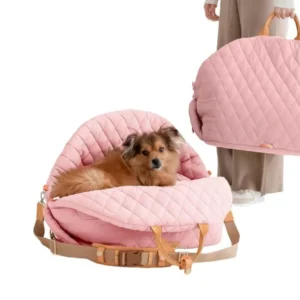 3-in-1 Small Pet Carrier Bag | Car Seat Booster, Travel Bed & Indoor Pet Bed for Dogs & CatsMSRP $21.89Login for wholesale pricing