Wholesale Dog Products Guide: Toys, Walking, Grooming, Training & Wellness
Running a pet store means making one decision every single week that quietly decides whether your dog aisle thrives or stalls: what wholesale dog products do you put on the shelf? Dog owners are some of the most loyal, repeat-purchase customers in all of retail, but they are also picky, value-conscious, and quick to switch shops when the right toy, leash, or supplement is missing. For independent pet-store buyers and pet-retail entrepreneurs, the difference between a profitable dog section and a dusty one comes down to curation, margin, and turning everyday needs into recurring baskets.
This guide walks you through the five pillars of a modern dog assortment — toys, walking gear, grooming, training, and wellness — and shows you how to build each one from trusted wholesale kits rather than guessing SKU by SKU. Whether you are opening your first shop or refreshing a tired aisle, you can source everything covered here through the Shop Wholesale KITs hub, where each kit is built for retail-ready merchandising and healthy per-unit margins.
Why Stocking the Right Wholesale Dog Products Matters
Dogs are not a seasonal category. They eat, play, walk, and age every month of the year, which makes dog products one of the few retail segments with genuinely recurring demand. A well-built dog aisle does three things at once for your store: it drives foot traffic, it builds repeat purchases, and it anchors higher-margin cross-sells like grooming and wellness. Many retailers find that a customer who comes in for a replacement leash will leave with a toy, a dental chew, and a grooming wipe they did not plan to buy.
The risk is the opposite: an unplanned assortment full of one-off novelties that never reorder. That is why buying by category kit — instead of chasing individual trends — protects your cash flow. When you source wholesale dog products in coordinated collections, you get consistent branding, matched merchandising cards, and bundle pricing that keeps your shelf tidy and your margins predictable. Industry experience shows that stores which organize the dog aisle around clear need-states (play, walk, groom, train, care) sell faster and waste less on dead stock.
Below, we break each need-state into a section you can hand to a buyer or a new staff member. Think of it as a merchandising map: what to stock, what sells year-round, and which kit does the heavy lifting so you do not have to negotiate with a dozen suppliers. We also flag the common mistakes — like over-buying novelties or ignoring the consumable cadence — that quietly drain margin from otherwise healthy stores. Read it once as a plan, then keep it bookmarked as a reset button whenever the dog aisle starts to feel random.
Dog Toys Wholesale — Building an Irresistible Play Aisle
If there is one category that turns browsers into buyers, it is toys. Dogs destroy, lose, and outgrow toys constantly, so dog toys wholesale is effectively a consumable. Smart stores rotate textures and toughness levels so there is always a “new” reason to grab one on the way to the register. A balanced toy wall usually includes four layers:
- Chew toys — rubber and nylon styles for power chewers; these are the repeat-purchase workhorses.
- Plush & squeaky — comfort and noise; great impulse add-ons near the counter.
- Fetch & tug — balls, ropes, and frisbees that pair naturally with walking gear.
- Interactive & puzzle — slow-feed and treat-dispensing styles that overlap with training and enrichment.

When you buy dog toys wholesale, pay attention to the toughness rating and the size range. A typical assortment might span small-breed soft chews up to large-breed durable rubber, so every customer finds a fit. The Dog Toy Collection Kit bundles these layers into one retail-ready program, complete with hanging displays and barcode-ready packaging, so you can open the carton and stock the shelf the same afternoon.
One merchandising tip worth repeating: never hide toys at the back. Toys belong where eyes land — end caps, the checkout lane, and the transition between the food aisle and the leash wall. Many retailers find that simply moving toys into the customer’s walking path lifts units per transaction more than any single new product ever will.
Dog Walking Gear — Leashes, Harnesses & Everyday Essentials
Every dog needs to leave the house, which makes dog walking gear the most universal category in the store. Unlike toys, walking equipment is a considered purchase: owners want fit, comfort, and durability, and they will pay for quality once they trust your recommendation. A strong walking section covers the full journey from the front door to the park:
- Leashes & leads — standard, retractable, and training-length options.
- Harnesses — step-in, no-pull, and padded styles for different body shapes.
- Collars & ID — adjustable, reflective, and GPS-ready loops.
- Daily essentials — waste bags, portable bowls, and reflective gear for evening walks.
The Walking Essentials Kit is designed exactly for this need-state, grouping leashes, harnesses, and daily accessories into a coordinated program. For active owners, the Outdoor Adventure Kit extends the category into hiking and travel gear — think hands-free belts, collapsible carriers, and rugged outdoor accessories that command premium margins.
Walking gear is also where upselling feels natural rather than pushy. A customer buying a harness will almost always need a leash, waste bags, and a reflective tag. Train your team to “complete the walk” at checkout, and the average basket grows without a single discount. Seasonality matters here too: reflective and insulated styles sell harder in the dark winter months, while lightweight, breathable harnesses move best in spring and summer. Many retailers find that a simple two-tier seasonal plan — swap the hero harness with the weather — keeps the wall feeling fresh without doubling your SKU count.
Do not underestimate the power of the right leash length, either. A standard six-foot leash is the safe everyday default, but a shorter training lead and a long recall line open up conversations with owners who are working on manners. Stocking that small range signals expertise, and owners who trust your advice on fit and length are far more likely to return for the next need-state on their list.
Dog Grooming — Turn the Grooming Bay into a Profit Center
Grooming is where a pet store stops being a place to buy things and starts being a service destination. Even if you never open a full salon, carrying the right dog grooming supplies turns routine care into a high-margin, repeat-visit habit. The at-home grooming boom means owners now buy brushes, shampoos, clippers, and wipes as regularly as food.

A retail grooming wall should answer four owner questions: “How do I brush?”, “How do I bathe?”, “How do I trim?”, and “How do I clean between baths?” Stock deshedding and slicker brushes, gentle shampoos and conditioners, nail clippers and grinders, and convenient wipes and sprays. The Professional Grooming Kit packages these into a cohesive program with tiers from entry-level home care to pro-grade tools, so you can serve both the weekend brusher and the serious hobby groomer.
For stores with space, a small self-serve wash or a booked grooming bay can become the single most loyal-generating service you offer. Industry experience shows grooming appointments pull owners (and their wallets) into the store monthly, where they inevitably top up on food, toys, and wellness items. Even without a bay, merchandising grooming next to the wellness and training sections encourages the “total care” basket that keeps margins healthy.
Dog Training Supplies — Helping Owners Raise Better Dogs
The first year of dog ownership is a spending sprint, and training is at the center of it. New owners are anxious, motivated, and willing to invest in anything that makes life with a puppy calmer. Dog training supplies therefore convert worry into sales while building genuine loyalty — owners remember the store that helped them survive housebreaking.
The core training assortment includes treat pouches, clickers, long lines, crate and separation aids, and — importantly — enrichment toys that double as training tools. Puzzle feeders and lick mats tire a dog’s brain, reduce destructive behavior, and create a daily ritual owners gladly pay to maintain. The Training & Enrichment Kit bundles these items so a first-time owner can walk out with a complete starter system instead of a confused handful of random products.
Training is also a natural cross-sell into walking and wellness: a recall long line pairs with a harness, and a calming chew pairs with a crate routine. Many retailers find that running a free monthly puppy-social or training tip card in the store turns the training wall into a community hub — and community is the hardest thing for online competitors to copy. The key is to position training as reassurance, not correction: owners respond to “we’ll help you both settle in” far more than to lectures about bad behavior.
Enrichment deserves a spotlight of its own. Lick mats, snuffle mats, and treat puzzles are not just toys — they are management tools that prevent the chewing, barking, and digging that strain the owner-dog bond. Because they are reused daily, they generate the same comforting ritual (and repeat purchase) as a good chew. Stocking them under training rather than toys is a small merchandising choice that often lifts both categories at once.
Dog Wellness Products — Health That Keeps Customers Coming Back
Wellness is the quiet growth engine of the modern dog aisle. As dogs live longer and owners humanize their care, dog wellness products — dental chews, joint supplements, calming aids, and skin-and-coat support — have moved from niche to mainstream. These items carry strong margins and, crucially, they are consumed on a schedule, which means they generate the recurring revenue that stabilizes a store’s cash flow.
The two wellness anchors every store should carry are dental and joint care. Dental chews fight tartar between vet visits and are an easy daily add-on; joint supplements support aging dogs and create multi-month repeat purchases. The Dental & Joint Wellness Kit groups these hero categories with supporting items so you can merchandise a “care club” end cap that practically sells itself.
Wellness also earns trust. When you recommend a joint chew that visibly helps an older lab climb stairs again, that owner becomes a lifer. Frame wellness as prevention, not treatment, and you avoid overpromising while still capturing the emotional, loyalty-building sale. Pair it with grooming and training on a single “better life for your dog” display, and the cross-category basket takes care of itself.
Sourcing Wholesale Dog Products: What Smart Retailers Look For
Knowing the categories is half the job; sourcing them well is the other half. When you evaluate wholesale dog products, look past unit price and weigh the things that actually protect your profit: packaging that sells itself, consistent reorder reliability, and kits that reduce your supplier count. The table below maps each need-state to the signal you should check before committing shelf space.
| Category | What to Verify | Why It Protects Margin |
|---|---|---|
| Toys | Toughness tiers & size range | Fewer returns, broader fit, faster repeat buys |
| Walking gear | Fit range & reflective safety | Considered purchase; builds trust and upsell |
| Grooming | Tool quality & tier options | Service loyalty and premium price points |
| Training | Enrichment overlap & starter systems | Converts new owners into regulars |
| Wellness | Consumable cadence & clarity | Recurring revenue and high attachment |
If your shelf mix does not fit a neat template, that is normal — every neighborhood is different. The Build-Your-Own Wholesale Kit lets you blend exactly the toys, walking gear, grooming, training, and wellness SKUs your customers actually ask for, then receive them as one coordinated, barcode-ready shipment. For most stores, the smartest path is to start with the category kits above and use the custom builder to fill the gaps your local data reveals.
Frequently Asked Questions
What are the most profitable wholesale dog products to stock for a new pet store?
Wellness consumables and durable walking gear typically protect margin best, because they either sell on a schedule (dental chews, joint supplements) or command a considered-purchase price (harnesses, leashes). Toys drive traffic and impulse adds but turn over fast, so balance all three. Most new stores start with the category kits and adjust once local sales data comes in.
How many SKUs of dog toys wholesale should a small store carry?
A focused small store can run a healthy toy wall with roughly 20–40 active SKUs spanning four toughness and size layers. Depth matters more than breadth: stock enough of the bestsellers to never go empty, rather than spreading thin across dozens of one-offs. The Dog Toy Collection Kit is built around this depth-first logic.
Which dog walking gear sells best year-round?
Adjustable harnesses and standard leashes are the steady sellers, with reflective and weather-proof options peaking in darker winter months. Daily essentials like waste bags and portable bowls are quiet repeat earners. Pairing walking gear with the Outdoor Adventure Kit captures active owners willing to pay premium prices.
Is a dog grooming section worth the investment for a small shop?
Yes, even without a salon. Retail grooming supplies — brushes, shampoos, nail tools, wipes — carry strong margins and create monthly repeat visits. A small self-serve wash can become your most loyal-generating service. The Professional Grooming Kit lets you launch the category with coordinated, tiered products.
What dog training supplies do first-time dog owners actually buy?
They buy starter systems: treat pouches, clickers, crate aids, long lines, and enrichment puzzles. The anxiety of a new puppy makes them receptive to a complete bundle rather than loose items. The Training & Enrichment Kit answers that need and naturally cross-sells into walking and wellness.
How do dog wellness products improve customer retention?
Because wellness items are consumed on a schedule, they pull owners back on a predictable cadence — monthly for dental chews, multi-month for joint supplements. That repeat rhythm, built on genuine health results, is what turns a one-time shopper into a lifer. The Dental & Joint Wellness Kit makes this retention engine easy to merchandise.
Conclusion
A winning dog aisle is not built on luck or the latest fad — it is built on the five need-states every owner shares: play, walk, groom, train, and care. By sourcing wholesale dog products in coordinated kits, you protect your margin, keep your shelf tidy, and give customers a reason to return week after week. From the impulse toy at the register to the joint chew that keeps an old dog comfortable, each category reinforces the others into a healthy, recurring basket.
Ready to build your dog assortment without negotiating with a dozen suppliers? Explore the full range and start with the categories your customers ask for most at the Shop Wholesale KITs hub, or use the Build-Your-Own Wholesale Kit to blend toys, walking gear, grooming, training, and wellness into one retail-ready shipment. Your shelf — and your repeat customers — will thank you.
Ready to stock these ideas? Browse wholesale pet KITs →
Shop these pet categories
Wholesale pricing, no minimum order.
Related wholesale collections
Products mentioned here
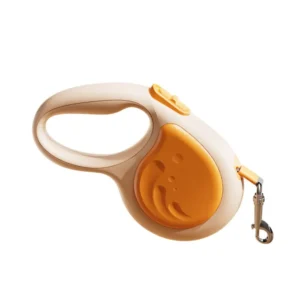 19.6 ft Outdoor Nylon Automatic Retractable Dog Leash – Heavy-Duty Pet Leash for Large and Small DogsMSRP $8.99Login for wholesale pricing
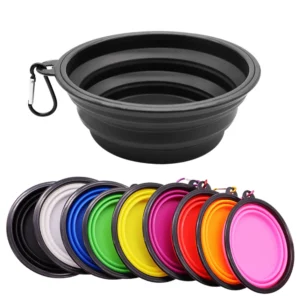 2 Pack Collapsible Silicone Dog Bowls – Portable Pet Food & Water Travel Bowl with CarabinerMSRP $1.78Login for wholesale pricing
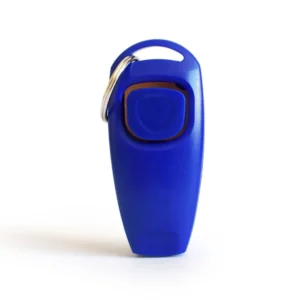 2-in-1 Dog Training Whistle & Clicker – Outdoor Pet Training Device, Factory-Direct Wholesale (MOQ 50)MSRP $2.18Login for wholesale pricing
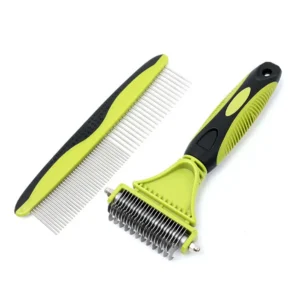 2-in-1 Pet Grooming Comb Set – Dual-Sided Deshedding & Dematting Tools for Dogs and CatsMSRP $6.29Login for wholesale pricing