Why Slow Feeders Work: The Science of Calmer, Healthier Meals
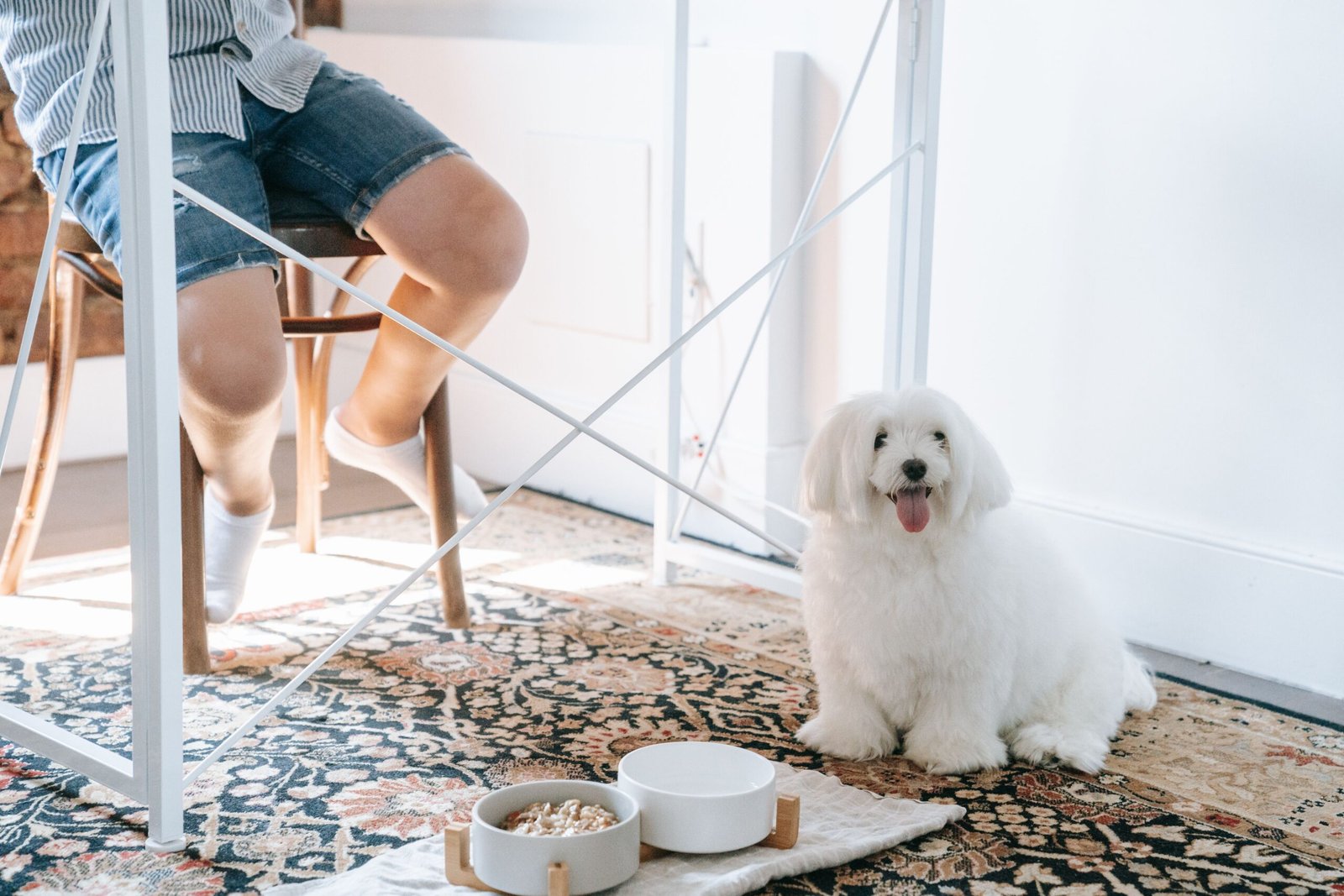
For independent pet retailers, the single most overlooked upsell in the feeding aisle is not a new food or a fancier bowl — it is how fast the dog eats. Many of your customers’ shoppers bring home a dog that inhales dinner in under a minute, then paces, burps, or vomits. That problem is exactly where a well-chosen slow feeder bowl earns its place on your shelf. This article unpacks the physiology behind rapid eating, explains why the Slow Feeding & Wellness Kit is a smart anchor for your wellness category, and gives you the talking points your staff need to convert browsers into buyers. When you understand the science, the sale becomes a service rather than a pitch.
Slow feeding is not a fad. It is a practical, low-cost intervention that addresses some of the most common canine mealtime complaints: gulping, gas, regurgitation, and the dangerous condition known as gastric dilatation-volvulus, or bloat. Retailers who stock the right bowls and mats — and who can explain the “why” — position themselves as trusted advisors rather than order-takers. That trust is what keeps a pet-store customer coming back month after month.
Consider the buying journey. A shopper enters looking for a bag of food. They mention their Labrador inhales dinner and then throws up. If your team can pivot that moment into a five-dollar solution that genuinely helps, you have not only made a sale — you have created a reason for that customer to ask you first next time. The slow feeder bowl is the rare product that demonstrates value at the very next meal, which is exactly the kind of proof that builds a loyal retail relationship. For a wholesale buyer planning assortments, that repeat-purchase dynamic is the real story behind the category.
What a Slow Feeder Bowl Actually Does
At its simplest, a slow feeder bowl is a food bowl with built-in obstacles: ridges, mazes, lumps, or compartments that force a dog to navigate around them to reach the kibble. Instead of scooping a mouthful in one motion, the dog must lick, nudge, and work for each bite. The mechanical effect is straightforward — it lengthens meal time from seconds to several minutes — but the downstream benefits ripple through the entire digestive system.
Most standard bowls let a dog take in large volumes of food and air at once. A slow feeder bowl breaks that pattern. By spreading the food across a textured surface, the dog swallows smaller portions, chews more, and takes in far less air. For a retailer, the appeal is that this is a one-time purchase with a daily, visible payoff: every meal becomes a calmer, more deliberate event.
There are several design families you should carry so you can match the bowl to the dog:
- Maze bowls with raised spiral patterns for moderate gulpers.
- Multi-compartment bowls that separate food into islands for very fast eaters.
- Soft silicone mats and lick mats for flat-faced breeds or seniors who struggle with deep ridges.
- Wobble or puzzle feeders for dogs that need mental engagement as well as a slower pace.
The Science of Dog Digestion and Why Speed Matters
To sell a slow feeder bowl convincingly, it helps to understand what happens inside the dog. Canine digestion begins in the mouth, where chewing stimulates saliva production. Saliva contains enzymes that start breaking down starches and helps form a food bolus that is easier on the stomach. When a dog gulps food whole, this first, crucial step is skipped. The stomach then receives large, unchewed chunks and a stomach full of swallowed air.
Dog digestion is built for moderate, steady intake. A wolf in the wild does not graze, but it also does not eat a week’s worth of calories in ninety seconds. Domestic dogs have retained a stomach designed to handle food in measured amounts. Rapid ingestion overwhelms that system. The result is often visible discomfort: bloating, excessive flatulence, and in some cases regurgitation of undigested food.
Beyond the stomach, slower eating supports better nutrient absorption in the small intestine. Smaller, better-chewed particles present more surface area to digestive enzymes, which means the dog gets more value from the same cup of food. For a pet owner watching a food budget, that is a compelling argument — the bowl can make an existing diet work harder.
There is also a behavioral dimension worth mentioning to customers. A dog that gulps food often does so out of insecurity — the instinct that a meal might disappear. A slow feeder bowl changes the relationship with food from panic to procedure. Over time, many owners report that the dog approaches meals more calmly even outside the bowl, because the daily routine has been reset. That kind of intangible improvement is exactly what builds emotional loyalty to your store: the customer credits you for a happier dog, not just a purchased object.
Bloat Prevention: The Stakes Every Retailer Should Understand
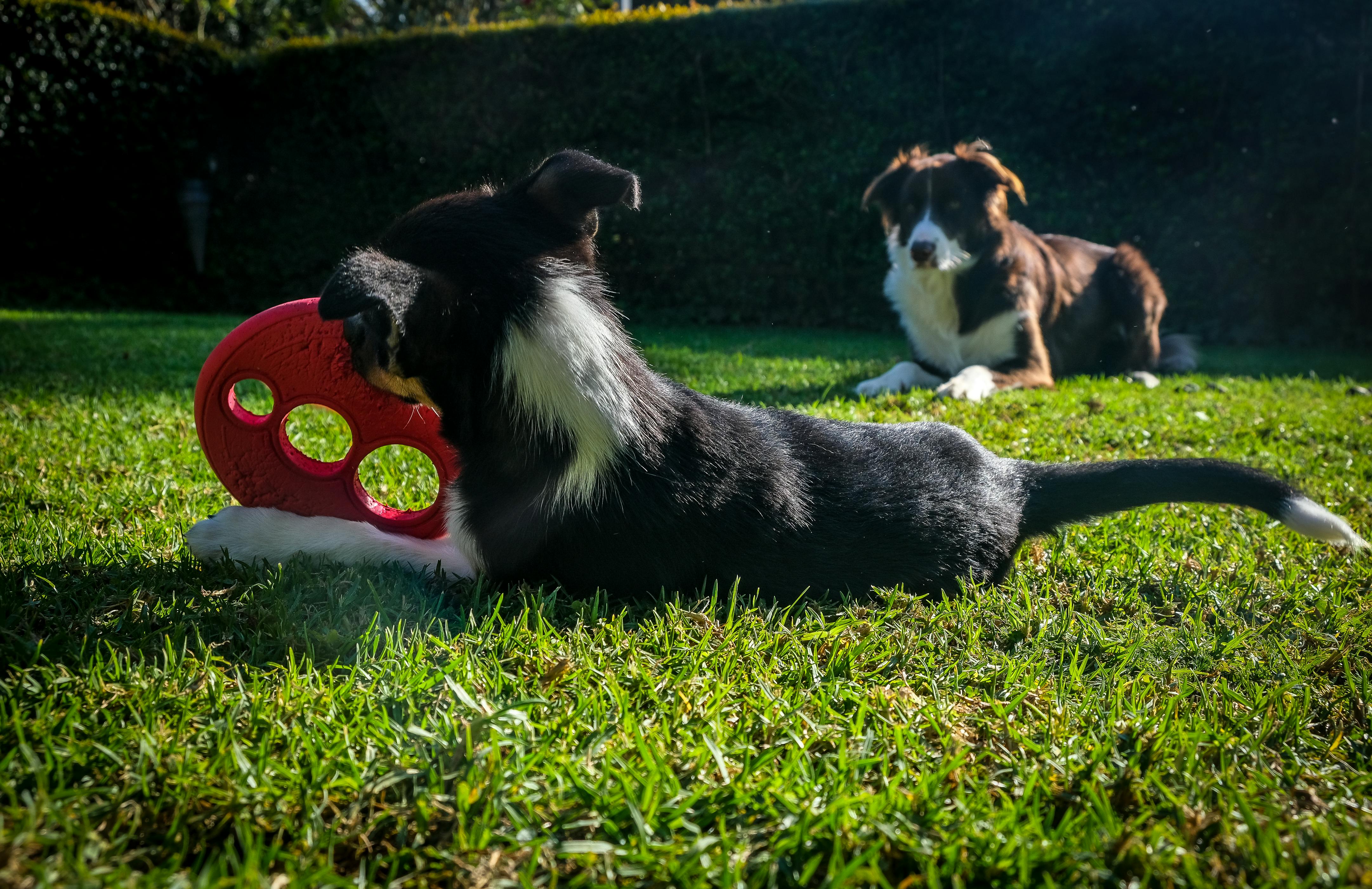
The most serious reason to recommend slow feeding is bloat prevention. Gastric dilatation-volvulus (GDV) is a life-threatening condition in which the stomach fills with gas and can twist on itself. Large, deep-chested breeds such as Great Danes, Weimaraners, and Standard Poodles are at higher risk, but GDV can affect any dog that eats too fast and swallows excessive air.
While no bowl can guarantee bloat prevention — genetics, anatomy, and meal size all play a role — veterinary guidance consistently points to slowed eating and reduced air intake as a meaningful risk-reduction strategy. A slow feeder bowl is one of the few tools a pet owner can deploy at home that directly targets the “swallowed air” component of the bloat equation. When you explain this to a customer with a large-breed puppy, you are not just making a sale; you are offering peace of mind.
It is worth noting that slow feeder benefits extend well beyond the bloat conversation. Retailers who lead with the safety story often find it opens the door to a broader wellness discussion — which is where your other wellness categories can benefit too. Pet owners who care about mealtime safety are usually receptive to joint support, dental care, and hygiene products.
The Documented Slow Feeder Benefits for Everyday Dogs
Away from the worst-case scenarios, the everyday slow feeder benefits are what actually drive repeat purchases and word-of-mouth referrals. Here is the short list you can share at the counter:
- Portion satisfaction. A dog that eats slowly feels fuller on the same amount of food, which helps with weight management.
- Less gas and discomfort. Reduced air intake means fewer digestive upsets and a happier household.
- Mental engagement. Working for food mimics natural foraging and reduces boredom-driven behavior.
- Better behavior. A calmer meal routine often spills over into a calmer dog overall.
- Training value. Slow feeders double as enrichment tools for puppies and rescues learning routine.
The mental-engagement angle deserves emphasis. Slow feeding turns a ninety-second chore into a five-minute puzzle. For dogs left alone during the day, that small burst of focused activity can lower anxiety and reduce destructive habits. Retailers who frame the bowl as “enrichment plus health” sell to a wider audience than those who frame it as “anti-gulping” alone.
It is also worth training your staff to spot the cross-sell moment. A customer buying a slow feeder bowl for a young, energetic dog is often also a candidate for training treats or a puzzle toy. A customer buying one for a senior dog may be managing mobility or dental issues. Either way, the wellness aisle is right there, and a gentle recommendation — “while you are thinking about digestion, a lot of owners pair this with joint support” — feels helpful rather than pushy. That is how a single slow feeder bowl becomes the anchor of a larger, higher-value basket.
Matching the Right Bowl to the Right Dog
Not every slow feeder bowl fits every dog, and a mismatched product is the fastest way to generate a return. Use this quick reference table on the sales floor or in your product copy:
| Dog profile | Recommended style | Why |
|---|---|---|
| Fast gulper, medium build | Shallow maze bowl | Moderate resistance, easy to clean |
| Deep-chested large breed | Multi-compartment or deep-ridge bowl | Maximum slowdown for bloat prevention |
| Flat-faced (brachycephalic) | Soft silicone lick mat | Gentle on short snouts, no deep ridges |
| Senior or dental-sensitive | Low-profile silicone mat | Easy access, comfortable for sore mouths |
| Puppy or high-energy | Wobble or puzzle feeder | Adds mental work to slow feeding |
Encourage your customers to transition gradually. Some dogs are confused by a new bowl on day one; a sprinkle of treats on top or a half-portion of wet food can bridge the gap. Most adapt within a few meals. Stocking both bowls and lick mats, as the Slow Feeding & Wellness Kit does, lets you cross-sell when one style does not suit.
Common Slow Feeding Mistakes Retailers Should Help Customers Avoid
Even a great product underperforms when used poorly. Equipping your staff to head off these common mistakes turns a potential return into a happy, repeat customer:
- Buying a bowl that is too hard. A deep, complex maze frustrates some dogs into giving up or flipping the bowl. Match resistance to the dog, as the table above shows.
- Switching cold turkey without guidance. Some dogs need a transitional period; a little wet food on top eases the change.
- Ignoring cleaning. A bowl that traps food in crevices smells quickly and gets abandoned. Recommend dishwasher-safe, smooth-ridge designs.
- Using the wrong tool for soft diets. Dogs on wet or raw food need a lick mat, not a kibble maze. Stocking both prevents this mismatch.
- Forgetting portion math. Slowing eating does not change calorie needs; advise customers to keep portions consistent.
When your team proactively addresses these points at the point of sale, the slow feeder benefits actually show up at home — which is what generates the positive reviews and word-of-mouth that grow your wellness category. A return prevented is as valuable as a sale made, and in the feeding aisle it usually comes down to a two-sentence conversation.
How to Talk to Customers at the Counter
Language sells. Rather than leading with “do you want a slow feeder?”, train staff to lead with the observation: “Does your dog finish meals in under a minute?” That question surfaces the problem the customer may not have named. From there, the explanation writes itself — a slow feeder bowl slows the meal, supports dog digestion, and contributes to bloat prevention in at-risk breeds.
Keep the message concrete. “Most dogs go from thirty seconds to five minutes” is more persuasive than a vague claim about health. Tie it back to the product in their hand, and suggest the lick mat for calmness or for soft-food days. This consultative approach is what differentiates an independent store from a faceless marketplace, and it is the reason a thoughtfully bundled Slow Feeding & Wellness Kit belongs on your shelf.
Building a Wellness Category Around Slow Feeding
The smartest retailers treat a slow feeder bowl as the entry point to a wider wellness conversation. A dog with digestive sensitivity may also benefit from a dental chew routine, and a senior dog on a lick mat may need joint support. That is why bundling matters. The Dental & Joint Wellness Kit pairs naturally with slow-feeding products for older dogs, while the Pet Care & Hygiene Kit rounds out a complete care display for new-puppy shoppers.
If your assortment is still taking shape, remember you are never locked into a fixed bundle. You can build your own wholesale kit to mix slow feeders, lick mats, and complementary wellness SKUs that fit your local market. And if you want to see the full range of themed bundles before committing, the shop wholesale kits hub is the best place to compare options side by side.
Frequently Asked Questions
Will a slow feeder bowl work for a very small dog or a puppy?
Yes. Choose a shallow, low-ridge design or a soft silicone lick mat sized for small breeds. Puppies benefit from the mental engagement, but start with easy resistance so they do not get frustrated. Many retailers keep a small-bowl option open next to the standard sizes precisely for this reason.
Can a slow feeder bowl really help with bloat prevention?
It addresses one of the key risk factors — swallowed air during fast eating. No bowl is a guarantee against GDV, and high-risk breeds should follow veterinary advice, but slowed, air-reduced meals are a widely recommended first-line measure. The slow feeder benefits here are about risk reduction, not a cure. Retailers should frame the conversation honestly: recommend the bowl as a sensible precaution for fast eaters, especially deep-chested breeds, while always deferring serious health decisions to a veterinarian. That honesty protects both the dog and your store’s reputation.
How much longer does a dog take to eat from a slow feeder bowl?
Experience varies by dog and bowl design, but many retailers report meals stretching from under a minute to three to ten minutes. The goal is not to make eating a chore; it is to bring a gulp down to a healthy pace that supports dog digestion.
Are slow feeders hard to clean?
Quality bowls with smooth, food-safe ridges are dishwasher-friendly in most cases. Remind customers to check the manufacturer guidance and to avoid designs with tiny crevices that trap kibble. Easy cleaning is one of the slow feeder benefits that keeps the product in daily use rather than in a cupboard. For stores, this is a merchandising point too: carrying a bowl that is genuinely easy to maintain reduces returns and builds the kind of quiet satisfaction that turns a first-time buyer into a regular.
Should I stock lick mats as well as slow feeder bowls?
Absolutely. Lick mats serve flat-faced breeds, seniors, and dogs that need calming rather than just slowing. Carrying both broadens your addressable customer base and supports the wellness story. The Slow Feeding & Wellness Kit bundles exactly these two product types for that reason.
Conclusion
The evidence is clear: a slow feeder bowl is one of the highest-value, lowest-cost additions a pet store can make to its wellness aisle. It supports healthier dog digestion, contributes to bloat prevention, and delivers everyday slow feeder benefits that customers notice at the very next meal. For retailers, it is an easy conversation, a practical upsell, and a gateway into broader wellness sales. Best of all, it is a product that sells itself the moment the dog finishes its first slower meal — which means every unit on your shelf is also a tiny ambassador for your store’s expertise.
Ready to merchandise the category with confidence? Explore the Slow Feeding & Wellness Kit to see the bundled bowls and lick mats designed for wholesale buyers, or browse the shop wholesale kits hub to build the wellness assortment your customers are asking for.
Shop the matching wholesale KIT
Shop these pet categories
Wholesale pricing, no minimum order.
Related wholesale collections
Products mentioned here
![[Dropship] 350ML Tilted Elevated Pet Silicone Bowl with Aluminium Alloy Stand](https://justforpetstore.com/wp-content/uploads/2025/10/574d453ee06a6f5774a1f7c40557db9c-300x300.webp) [Dropship] 350ML Tilted Elevated Pet Silicone Bowl with Aluminium Alloy StandMSRP $19.98Login for wholesale pricing
[Dropship] 350ML Tilted Elevated Pet Silicone Bowl with Aluminium Alloy StandMSRP $19.98Login for wholesale pricing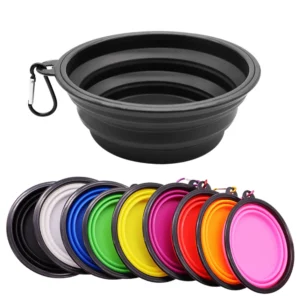 2 Pack Collapsible Silicone Dog Bowls – Portable Pet Food & Water Travel Bowl with CarabinerMSRP $1.78Login for wholesale pricing
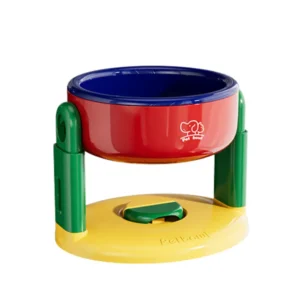 Adjustable Elevated Cat & Dog Food Bowl – Easy to Clean, Cute Design (Pink/Red)MSRP $5.98Login for wholesale pricing
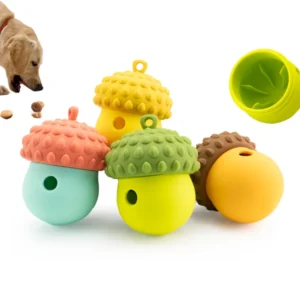 Berry-Shaped Silicone Dog Treat Dispensing Slow Feeder Toy – Durable Chew & Interactive Training Ball(MOQ 24)MSRP $3.56Login for wholesale pricing