
Pet Joint Supplements to Stock in 2026 | JustForPetStore
Pet joint supplements are the safest add-on category an independent pet store can carry in 2026. Hip and joint formulas account for 40.24% of the pet supplement market, chewables outsell every other format at 43.84%, and the category keeps growing: 53% of dog owners and 34% of cat owners already give supplements, per the American Pet Products Association (APPA). Stock a small, well-explained joint range before you widen it.
Why are pet joint supplements the category to watch in 2026?
Food brings people into your store, but supplements are where the margin and the advice premium live. That has always been true, and the numbers behind it have only strengthened.
Start with ownership. APPA reports 95 million pet-owning U.S. households in its 2026 State of the Industry data, including 71 million dog households and 53 million cat households. Dog ownership added roughly four million households in a single year, and cat ownership is climbing fastest among younger adults.
Then add the demographic that buys supplements. Pet owners skew older as their animals age: a dog adopted during the 2020 adoption wave is now a middle-aged large-breed dog, exactly the profile that develops stiffness, weight gain, and joint discomfort. Supplements are a need-driven purchase, not a discretionary one, which is why the category holds up when shoppers trim other spending. APPA found that 22% of owners spent less in 2025, yet preventive wellness — vitamins, supplements, and functional nutrition — was among the categories still gaining.
The third reason is margin structure. Supplements are light, compact, shelf-stable, and priced at a premium per pound of freight. A joint chew that retails for $29.99 takes up less shelf space than a 30-pound bag of food and does not compete on price with a supercenter the way a commodity bag does.
What does the data say about supplement demand?
The market’s size and growth rate are the clearest signal for a store deciding whether to build a dedicated supplement set.
Research and Markets projects the global pet supplements market at USD 2.78 billion in 2026, growing at a 7.55% compound annual rate to USD 4.32 billion by 2032. Grand View Research measures the wider pet care market at $181.9 billion in 2025, growing at 5.9% annually toward $283.7 billion by 2033, and expects pet supplements to nearly double to $4.65 billion by 2033 — with North America holding 42.9% of global pet care spending. A category growing roughly a point or two faster than the market it sits inside is a category worth shelf space.
Within supplements, the demand is concentrated in a way that makes stocking decisions easier. Fortune Business Insights sizes hip and joint as the single largest function segment at 40.24% of the market in 2026, ahead of skin and coat and digestive health. Chewable formats lead all delivery types at 43.84%, glucosamine leads all ingredients at 37.24%, and dogs represent 49.55% of the total category.
APPA’s consumer research points the same direction from the buyer’s side: 53% of dog owners and 34% of cat owners give vitamins or supplements, and supplements appear in roughly 55% of online pet purchase baskets, behind only food and treats. The category is no longer an experiment for pet parents. It is part of routine care, which means it is part of routine replenishment.
Which ingredients and formats actually sell?
Four ingredient families cover the overwhelming majority of counter demand, and you can stock all four in a narrow footprint.
Glucosamine, usually paired with chondroitin or MSM, is the entry point for joint conversation and the largest single ingredient group. Omega-3 fatty acids, typically fish oil, serve double duty for skin, coat, and mobility, which makes them the easiest cross-sell to a customer who came in for a shampoo. Green-lipped mussel and collagen appear in premium joint chews and give you a genuine good-better-best ladder. Probiotics belong in the joint conversation more than most owners expect, because digestive support is the fastest-growing supplement subsegment and many senior formulas now blend the two.
Format matters as much as ingredients. Soft chews dominate because they are easy to administer and dogs treat them as a treat, which drives compliance and repeat purchase. Tablets and capsules hold the value tier and last longer on the shelf. Powders suit cat owners who mix supplements into wet food, and liquids serve cats and small dogs that refuse chews. If you are assembling a first set, carry one soft chew, one tablet, and one powder for cats rather than three versions of the same chew.
What are dog and cat owners asking for at the counter?
The questions your staff hears are consistent, and they map directly to what you should carry and how you should train.
The most common is a mobility question: “My dog seems stiff after walks — is there something that helps?” That is a joint supplement conversation, and it belongs in the hands of an associate who can explain that glucosamine and omega-3 support normal joint function, that results take four to six weeks, and that a veterinarian should see any sudden lameness. Never promise a cure; support, not treatment, is the honest framing.
The second is a senior-care question: “What should I add now that she’s nine?” That is where a multi-ingredient chew or a joint-plus-probiotic formula earns its premium price. The third is a cat-specific question about pills and powders, because cats are far harder to dose than dogs and 34% of cat owners are already buying supplements. Keeping one palatable feline option in stock prevents the lost sale that happens when a cat owner is handed a dog product and leaves.
The last is the price question, and the answer is packaging. Selling a 30-day supply with a labeled “per day” cost beats defending a $34 jar, because it makes the value obvious and lines up with how owners think about their own vitamins.
How do you stock supplements without tying up cash?
Supplements are dense and slow to expire relative to food, but they are also the easiest place for a small store to over-order, because a wide range looks impressive and sells poorly.
Keep the set narrow and deep. For an independent store, 12 to 20 SKUs covering four functions and three formats is often the sweet spot — one value option, two mid-tier options, and one premium option per function, in the same way you would tier food. Adding a second premium SKU to a function that already sells well usually beats adding a brand-new function that nobody walks in asking for.
Time the first order against demand rather than against a discount. Joint supplements sell hardest from late autumn through winter, when cold weather makes stiffness more obvious and owners spend more time indoors with an aging dog. Landing an opening order in September or early October lets you learn the sell-through rate before the season peaks, then reorder the winners in December instead of discounting the losers in February.
The third rule is to keep the opening order small enough to be wrong. Buy two units per SKU on the first pass, not a case, and let repeat orders build the volume. A low-minimum supplier makes that possible: you can carry a credible joint range, measure what actually sells, and put cash behind the winners within weeks instead of committing a season’s budget to one shipment. Write the reorder trigger down — for example, reorder any SKU that sells two units in 30 days — so the decision does not depend on who happens to be working that day.
And give supplements a home. A dedicated countertop set with a simple sign — “Stiff after walks? Ask us about joint support” — converts far better than a shelf tucked behind the food aisle. Merchandising the questions is how you merchandise the category. Pair the set with dog treats and cat supplies so the chews sit next to the categories they cross-sell with, and check our roundup of the best-selling pet categories before you commit shelf space to a new line.
What mistakes quietly kill supplement sales?
Three mistakes account for most disappointing supplement sets.
The first is selling supplements like a commodity. If the jars sit on a shelf with no staff explanation and no sign, the shopper compares the price to an online listing and leaves. The category’s whole advantage is the recommendation, so train every associate on four sentences per function: what it supports, how long it takes, how to dose it, and when to see a vet.
The second is overstocking long-dated SKUs. Supplements turn slower than food per facing, so a wrong bet sits on your shelf for months. Track units per week per SKU, and cut anything that has not found a repeat buyer within 60 days. Our guide to inventory management for small pet retailers walks through the markdown and reorder rules that keep this painless.
The third is ignoring the repeat cycle. Joint support is only effective when it is given daily, so a customer who buys once and stops has not really been sold. A simple 30-day follow-up — a reminder card, a text, or a note at the register — doubles the odds of a second purchase, and the second purchase is what makes supplements profitable. Get your pet supplies basics and supplement set working together, and the add-on becomes a predictable line rather than a promise.
Ready to stock these ideas? Browse wholesale pet KITs →
Shop these pet categories
Wholesale pricing, no minimum order.
Products mentioned here
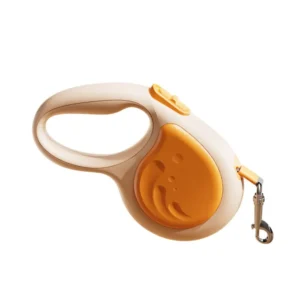 19.6 ft Outdoor Nylon Automatic Retractable Dog Leash – Heavy-Duty Pet Leash for Large and Small DogsMSRP $8.99Login for wholesale pricing
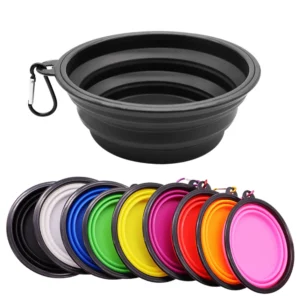 2 Pack Collapsible Silicone Dog Bowls – Portable Pet Food & Water Travel Bowl with CarabinerMSRP $1.78Login for wholesale pricing
 2-in-1 Dog Training Whistle & Clicker – Outdoor Pet Training Device, Factory-Direct Wholesale (MOQ 50)MSRP $2.18Login for wholesale pricing
 2-in-1 Pet Grooming Comb Set – Dual-Sided Deshedding & Dematting Tools for Dogs and CatsMSRP $6.29Login for wholesale pricing